Cooking Cabbage on Stove Top Is Easier Than You Think
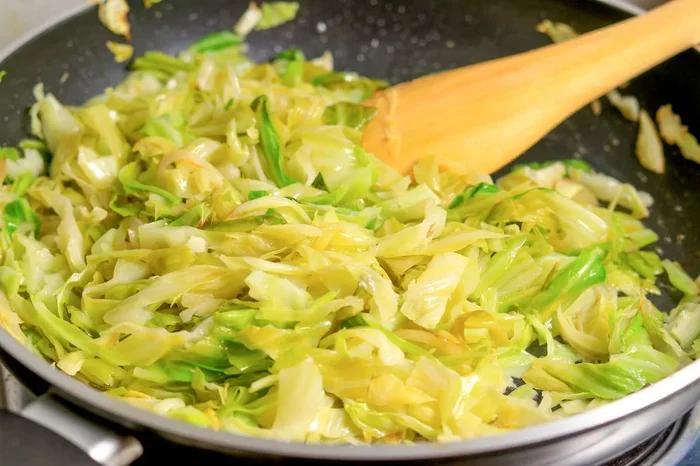
Cooking cabbage on stove top is one of the easiest and most rewarding kitchen skills you can learn. This guide covers everything from basic preparation to flavorful variations that turn a simple vegetable into a star side dish. Whether you prefer braised, sautéed, or buttered cabbage, you will find clear steps and practical tips for delicious results every time.
There is something truly satisfying about a pot of cabbage bubbling away on the stove. Cooking cabbage on stove top is one of those simple kitchen skills that transforms a humble vegetable into a delicious, comforting side dish. Whether you have a whole head of green cabbage sitting in your fridge or just a few leaves left over, the stove top is the best place to bring out its full flavor and natural sweetness.
Many people overlook cabbage because they think it is boring or difficult to prepare. Nothing could be further from the truth. Cooking cabbage on stove top takes just minutes of active prep and delivers results that rival any restaurant dish. In this guide, we will walk you through every step, from choosing the right cabbage to mastering different cooking methods that will make this vegetable a regular on your dinner table.
If you lead an active lifestyle, you already know that good nutrition matters. Whether you enjoy walking on a treadmill after lifting weights or prefer a morning jog, fueling your body with wholesome meals is essential. Cabbage is one of the most nutrient-dense vegetables you can cook, and learning how to prepare it on the stove opens up a world of quick, healthy meals that support your fitness goals.
Key Takeaways
- Stove-top cooking brings out cabbage’s natural sweetness and creates tender, flavorful results with minimal effort and simple ingredients.
- You only need a few basic pantry staples like butter, garlic, and onions to make a delicious and satisfying cabbage dish.
- Different cooking methods suit different tastes – braising, sautéing, and pan-frying each produce unique textures and flavor profiles.
- Cabbage is packed with essential nutrients including vitamins C and K, fiber, and antioxidants that support overall health and wellness.
- Avoiding common mistakes like overcooking or using a pan that is too small ensures perfect cabbage every single time.
- This versatile dish pairs well with almost any protein making it a flexible addition to your weekly meal rotation.
- Stove-top cabbage takes under 25 minutes from start to finish, making it ideal for busy weeknight dinners and healthy eating.
📑 Table of Contents
- Why Cooking Cabbage on Stove Top Is a Great Idea
- What You Will Need: Ingredients and Tools
- Step-by-Step Guide to Cooking Cabbage on the Stove
- Different Ways to Cook Cabbage on the Stove Top
- Cabbage Cooking Tips and Common Mistakes to Avoid
- Health Benefits of Cabbage and Why You Should Eat More
- Frequently Asked Questions About Cooking Cabbage
- Final Thoughts on Cooking Cabbage on Stove Top
Why Cooking Cabbage on Stove Top Is a Great Idea
Cooking cabbage on stove top offers advantages that other methods simply cannot match. When you cook cabbage on the stove, you have direct control over the heat, the timing, and the flavors. This means better results every single time you step into the kitchen.
It Is Incredibly Fast and Simple
A basic cabbage dish can go from raw to ready in under 20 minutes. You do not need any fancy equipment or hard-to-find ingredients. A cutting board, a knife, a skillet or pot, and a few pantry staples are all you need. This makes stove-top cabbage perfect for busy weeknights when you want something healthy and satisfying without spending hours in the kitchen. Cooking cabbage on stove top is truly one of the fastest ways to get a nutritious meal on the table.
It Brings Out Natural Flavors
When cabbage cooks on the stove top, its natural sugars caramelize slightly. This creates a sweet, tender flavor that raw cabbage simply does not have. Cooking cabbage on stove top allows you to control the browning and tenderness, so every bite is perfectly cooked. The direct heat of the stove creates a slight char on the edges that adds depth and complexity to the dish.
It Is Incredibly Versatile
One of the best things about cooking cabbage on stove top is how adaptable it is. You can make a simple butter cabbage, a savory cabbage and onion skillet, or a rich braised cabbage with herbs. The method you choose changes the flavor profile entirely, giving you a new dish every time you cook. This easy cabbage recipe approach means you never get bored with the same preparation.
What You Will Need: Ingredients and Tools
Before you start cooking cabbage on stove top, let us gather everything you need. Keeping your ingredients and tools ready makes the whole process smoother and more enjoyable. This cabbage recipe requires minimal shopping and uses items most kitchens already have.
Essential Ingredients for Stove Top Cabbage
- Green cabbage – one medium head is perfect for 4 servings and is the most widely available variety
- Butter or olive oil – for sautéing and adding richness to the dish
- Garlic – 2 to 3 cloves, minced, adds wonderful depth and aroma
- Onion – half a medium onion, diced, for a savory base flavor
- Salt and pepper – the simplest seasonings make the biggest difference in flavor
- Broth or water – for braising or steaming methods that need liquid
- Optional add-ins – bacon bits, apple cider vinegar, caraway seeds, or red pepper flakes for extra flavor
Tools You Will Need
- A large skillet or sauté pan with a lid
- A sharp chef’s knife for clean cuts
- A sturdy cutting board
- A wooden spoon or heatproof spatula
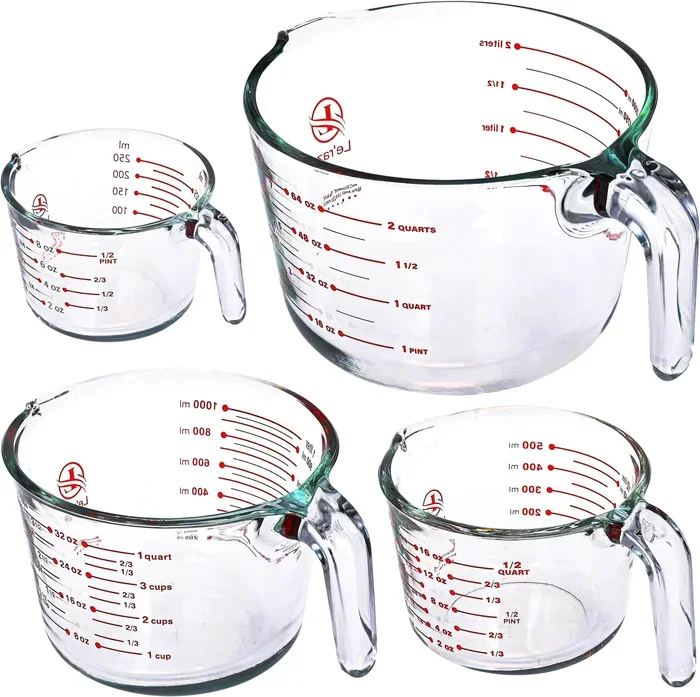
- A measuring cup for broth or water
Step-by-Step Guide to Cooking Cabbage on the Stove
Now let us get into the heart of the matter. Cooking cabbage on stove top is straightforward once you know the basic process. Follow these steps and you will have perfect cabbage every time. This how to cook cabbage guide works for beginners and experienced cooks alike.
Step 1: Prep Your Cabbage
Start by removing the outer leaves of the cabbage. These are often wilted or discolored, so toss them or save them for making stock. Rinse the cabbage under cold water, then cut it in half through the core. From there, you can slice it into thin ribbons, chop it into chunks, or cut it into wedges. Cooking cabbage on stove top works well with any cut, but thinner slices cook faster and more evenly. For a cabbage wedges approach, leave the halves intact and cook them face down for a nice sear.
Step 2: Heat Your Pan
Place your skillet or pot on the burner and add butter or olive oil. Heat it over medium heat until the fat shimmers. This is your signal that the pan is ready. A warm pan prevents the cabbage from sticking and helps it start to soften immediately. This is a fundamental step in stove top cooking that many beginners overlook.
Step 3: Add Your Aromatics
Toss in the diced onion and sauté for about 3 minutes until it becomes translucent and fragrant. Add the minced garlic and stir for another 30 seconds. The kitchen will start to smell amazing at this point, which is one of the best parts of cooking cabbage on stove top. These aromatics form the flavor foundation of your entire dish.
Step 4: Add the Cabbage
Add your prepared cabbage to the pan. Stir it well to coat it in the butter and aromatics. You will hear a gentle sizzle – that is exactly what you want. Let the cabbage cook for about 5 minutes, stirring occasionally, before adding any liquid. If you are making garlic cabbage, this is the moment to add an extra clove or two for extra punch.
Step 5: Season and Cook
Add salt, pepper, and any other seasonings you like. If you are braising, pour in a splash of broth or water – about a quarter cup. Cover the pan with a lid and reduce the heat to medium-low. Let the cabbage cook for 10 to 15 minutes, checking and stirring occasionally. The cabbage is done when it is tender but still has a slight bite. This method of braised cabbage creates a melt-in-your-mouth texture that pairs beautifully with roasted meats.
Step 6: Serve and Enjoy
Remove the pan from the heat and give the cabbage a final taste check. Adjust the seasoning if needed. Serve it warm as a cabbage side dish alongside roasted meats, grilled chicken, or even alongside your pre-workout meal before heading to the gym. Cooking cabbage on stove top is all about making a dish that fits your life and your meals.
Different Ways to Cook Cabbage on the Stove Top
Cooking cabbage on stove top is not just one method – it is a whole world of techniques. Each approach brings out different flavors and textures. Here are the most popular ways to prepare this versatile vegetable on your stove.
Braised Cabbage
Braising is the go-to method for tender, flavorful cabbage that falls apart with a fork. After sautéing the aromatics, add broth or stock and let the cabbage simmer low and slow. The liquid reduces and creates a rich, savory sauce that coats every leaf. Cooking cabbage on stove top by braising works beautifully with green cabbage, Savoy cabbage, or even Napa cabbage. This method is perfect for a cozy dinner on a cool evening.
Sautéed Cabbage
For a quick and slightly crispy result, sautéing is hard to beat. Use a hot pan, a generous amount of butter, and cook the cabbage without a lid. This method produces caramelized edges and a tender center. Cooking cabbage on stove top by sautéing is ideal when you want a side dish ready in under 15 minutes. Pan-fried cabbage has a wonderful texture that roasted or boiled cabbage simply cannot match.
Buttered Cabbage
This is the simplest and most classic approach to stove top vegetables. Just cook shredded cabbage in butter with a pinch of salt and pepper. Some cooks add a splash of cream or a sprinkle of Parmesan cheese for extra richness. Cooking cabbage on stove top as buttered cabbage is the perfect entry point for anyone new to preparing cabbage. It is comfort food at its finest.
Cabbage with Onions and Garlic
This is a flavor-packed variation that elevates simple cabbage into a standout dish. Sauté thinly sliced onions until golden, add garlic, then toss in the cabbage. Season with salt, pepper, and a pinch of caraway seeds for an authentic European touch. This cabbage and onions combination pairs wonderfully with roasted meats, sausages, and hearty breads. It is a staple in many European kitchens and for good reason.
Cabbage Cooking Tips and Common Mistakes to Avoid
Cooking cabbage on stove top is easy, but a few expert tips can take your dish from good to great. Here are the best cabbage cooking tips we have gathered from years of kitchen experience, along with the mistakes most people make.
Do Not Overcook
The biggest mistake people make is cooking the cabbage too long. Overcooked cabbage turns mushy and loses its vibrant color. Aim for tender-crisp cabbage that still has a slight bite. Start checking for doneness at the 10-minute mark and adjust from there. Stove top cooking happens fast, so keep an eye on your cabbage.
Use High Heat for Sautéing, Low Heat for Braising
Different methods need different heat levels. For sautéing, keep the pan hot to get a nice sear and caramelization. For braising, lower the heat and let the cabbage simmer gently in liquid. Understanding this difference is one of the most important cabbage cooking tips you can learn. High heat gives you texture; low heat gives you tenderness.
Season in Layers
Do not wait until the end to season your cabbage. Add a pinch of salt when you start cooking the onions, more when you add the cabbage, and adjust at the end. Layering flavors creates a much more complex and satisfying dish. This is a simple trick that separates good stove top cooking from great stove top cooking.
Add Acid at the End
A splash of apple cider vinegar or a squeeze of lemon juice right before serving brightens the entire dish. The acid cuts through the richness of the butter and adds a fresh dimension to the flavor. This simple trick is one of the best-kept cabbage cooking tips among home cooks. It transforms a flat dish into something vibrant and exciting.
Common Mistakes That Ruin Cabbage
Using a pan that is too small causes the cabbage to steam instead of sauté, resulting in a soggy texture. Skipping the salt leads to bland, unappetizing cabbage. And adding cabbage to a cold pan means it will cook unevenly. Avoid these pitfalls and your cooking cabbage on stove top results will improve dramatically.
Health Benefits of Cabbage and Why You Should Eat More
Cooking cabbage on stove top is not just delicious – it is also incredibly good for you. Cabbage is one of the most nutritious vegetables available, and preparing it on the stove top preserves many of its health benefits. The cabbage nutrition profile is impressive for such a simple and affordable vegetable.
Rich in Vitamins and Minerals
Cabbage is loaded with vitamin C, which supports your immune system and skin health. It is also an excellent source of vitamin K, which plays a key role in bone health and blood clotting. Just one serving of cabbage nutrition from stove-top cooking provides a significant portion of your daily vitamin needs. This makes it a smart choice for anyone looking to boost their nutrient intake.
High in Fiber for Digestive Health
Fiber is essential for digestive health, and cabbage is packed with it. Eating fiber-rich vegetables like cabbage helps support healthy digestion and keeps you feeling full longer. This makes it a great choice for anyone focused on maintaining a balanced diet or managing their weight. Stove top vegetables like cabbage are an easy way to add more fiber to every meal.
Low in Calories but High in Nutrients
One of the best things about cabbage is that you can eat a generous portion without worrying about excessive calories. A full cup of cooked cabbage contains only about 35 calories while delivering a wealth of nutrients. This makes cooking cabbage on stove top an excellent choice for healthy, satisfying meals that do not compromise on nutrition.
Supports Heart Health and Overall Wellness
The antioxidants and compounds found in cabbage have been linked to heart health benefits. Regular consumption of cabbage may help support healthy cholesterol levels and reduce inflammation in the body. Whether you are someone who enjoys a post-workout walk or prefers to walk outside or on a treadmill for your daily exercise, adding nutritious home-cooked meals like stove-top cabbage to your routine is a wonderful way to support your overall wellness.
Frequently Asked Questions About Cooking Cabbage
Here are answers to the most common questions people ask about cooking cabbage on stove top. These cabbage recipe FAQs cover the basics and some advanced tips.
How long does it take to cook cabbage on the stove?
Most cabbage dishes take between 15 and 25 minutes from start to finish. Sautéed cabbage can be ready in as little as 10 minutes, while braised cabbage may need 20 to 25 minutes for the best tenderness. The key is to check for doneness by tasting a piece – it should be tender but still have a slight bite. Cooking cabbage on stove top is fast, so keep an eye on the clock.
Can I use any type of cabbage for stove-top cooking?
Absolutely. Green cabbage is the most common choice, but Savoy cabbage, Napa cabbage, and red cabbage all work wonderfully on the stove top. Each variety has a slightly different texture and flavor, so feel free to experiment and find your favorite. Green cabbage is the most sturdy and holds its shape well, making it ideal for beginners learning how to cook cabbage on the stove.
Do I need to wash cabbage before cooking it?
Yes, always rinse your cabbage under cold running water before cooking. The outer leaves can harbor dirt and residue from the garden or store. If you are using a whole head, removing the outer leaves and rinsing the inner leaves ensures your dish is clean and safe to eat. This is a simple step that makes a big difference in the final result of your easy cabbage recipe.
What is the best way to store leftover cooked cabbage?
Store leftover cooked cabbage in an airtight container in the refrigerator. It will keep for up to 4 days. Reheat gently in a skillet over medium-low heat, adding a splash of water or broth to refresh the texture. Avoid reheating at high heat, which can make the cabbage tough and dry. Proper storage ensures your stove top cooking leftovers taste just as good the next day.
Can I add meat to my stove-top cabbage?
Definitely. Bacon, sausage, and diced ham all pair wonderfully with stove-top cabbage. Cook the meat first, remove it from the pan, then use the rendered fat to cook the cabbage. Add the meat back at the end for a complete, satisfying meal. This approach adds protein and deepens the flavor of your dish, turning a simple vegetable into a hearty cabbage side dish that stands on its own.
Is cooking cabbage on the stove top healthy?
Yes, cooking cabbage on the stove top is one of the healthiest ways to prepare this vegetable. It requires minimal added fat and preserves most of the nutrients. Cabbage is rich in vitamins C and K, fiber, and antioxidants. When you pair it with wholesome ingredients like olive oil and fresh garlic, you get a nutritious meal that supports overall wellness. Cooking cabbage on stove top keeps the preparation clean and simple, letting the natural goodness of the vegetable shine through.
Final Thoughts on Cooking Cabbage on Stove Top
Cooking cabbage on stove top is one of the simplest and most rewarding skills you can add to your kitchen repertoire. It requires minimal ingredients, little time, and no special equipment. Yet the results are consistently delicious, nutritious, and satisfying. From buttery sautéed cabbage to rich braised cabbage with onions and garlic, the stove top gives you complete control over the final dish.
You can customize the flavors, adjust the texture, and pair it with virtually any meal you are preparing. Whether you are cooking for yourself or feeding a family, stove-top cabbage never disappoints. It is affordable, healthy, and incredibly easy to make.
So the next time you see a head of cabbage in your fridge, do not let it go to waste. Grab a pan, heat up some butter, and give cooking cabbage on stove top a try. You might just discover your new favorite side dish that becomes a staple in your weekly meal rotation.