How Many Ounces Are in a Quarter Cup of Flour or Sugar
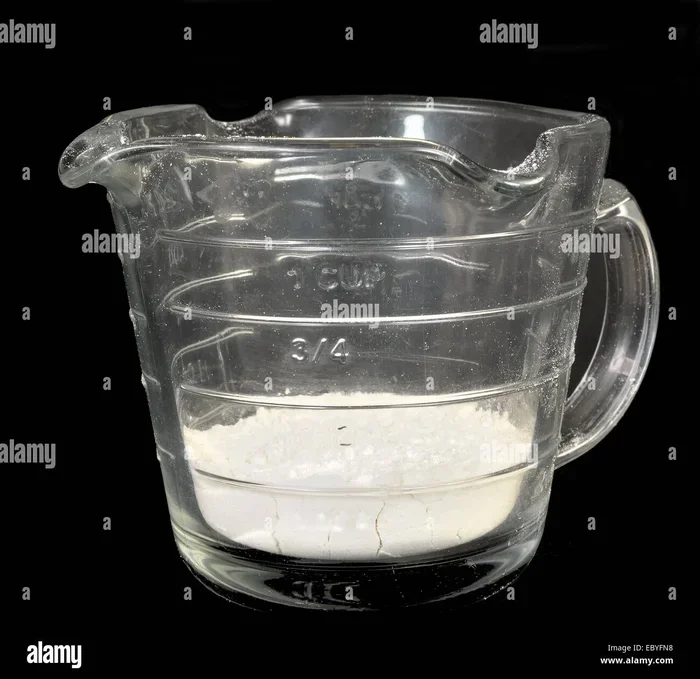
A quarter cup equals 2 ounces for most dry ingredients like flour and sugar. Knowing this simple cooking conversion saves time and keeps your baking measurements accurate every time. Whether you are scaling a recipe or converting US customary units, this guide covers everything you need to know about how many oz in a quarter cup.
Have you ever been in the middle of baking and realized you have no idea how many oz in a quarter cup? You are not alone. This is one of the most common questions home cooks and bakers ask. Whether you are working with flour, sugar, or another dry ingredient, knowing the right cooking conversion makes all the difference.
A quarter cup is a standard measurement you will see in countless recipes. But the number of ounces it contains depends on what you are measuring. In this guide, we break it all down in simple terms. You will learn the exact weight of a quarter cup of flour and sugar, understand the difference between dry ounces and fluid ounces, and pick up practical tips that make your time in the kitchen smoother.
Key Takeaways
- Quarter cup equals 2 ounces: This is the standard weight for dry ingredients like flour and sugar in US customary units.
- Dry ounces differ from fluid ounces: Weight and volume are not the same, so always check what your recipe calls for.
- Use a kitchen scale for accuracy: Measuring cups can be off by up to 20%, so weighing your ingredients is the best practice.
- Scooping technique matters: How you pack flour into a cup changes the weight significantly.
- Conversion charts are your friend: Keep a quick reference chart handy for all your baking and cooking needs.
- Different ingredients have different weights: A quarter cup of sugar weighs the same as flour, but other dry ingredients may vary.
- Metric conversions are easy too: 2 ounces equals about 56 grams, which helps if you use a metric scale.
📑 Table of Contents
- What Does a Quarter Cup Actually Mean?
- How Many Ounces Are in a Quarter Cup of Flour
- How Many Ounces Are in a Quarter Cup of Sugar
- Dry Ounces vs. Fluid Ounces
- Easy Conversion Tips for Baking
- Common Mistakes When Measuring Dry Ingredients
- How to Convert Quarter Cups to Other Measurements
- Expert Tips for Perfect Measurements Every Time
- Conclusion
What Does a Quarter Cup Actually Mean?
A quarter cup is one-fourth of a full cup. In the US customary system of measurement, one cup equals 8 fluid ounces. So a quarter cup is 2 fluid ounces. But here is where things get tricky. That 2-fluid-ounce rule works for liquids. For dry ingredients, we are talking about weight, not volume.
When a recipe calls for a quarter cup of flour, it means you need to fill your measuring cup to the quarter mark. But the actual weight of that flour can change based on how you scoop it. This is why so many baking experts recommend using a kitchen scale instead of measuring cups alone.
Understanding measurement basics is the first step toward baking success. A quarter cup is a small but important unit. It shows up in recipes for cookies, cakes, bread, and more. Once you know the conversion for your key ingredients, you will feel more confident every time you step into the kitchen.
How Many Ounces Are in a Quarter Cup of Flour
The Standard Weight of Flour
A quarter cup of all-purpose flour weighs about 2 ounces, or roughly 56 grams. This is the most common flour used in baking, so this number comes up a lot. But not all flour is the same. The weight can shift depending on the type of flour you use.
Here is a quick look at how a quarter cup of different flours compares:
- All-purpose flour: about 2 ounces (56 grams)
- Cake flour: about 1.5 ounces (42 grams)
- Bread flour: about 2.25 ounces (64 grams)
- Whole wheat flour: about 2 ounces (56 grams)
See how the numbers vary? Even though they all start with the same volume of a quarter cup, the weight changes. This happens because different flours have different densities. Cake flour is lighter and fluffier, while bread flour is denser and heavier.
Why Your Flour Weight Can Change
The way you scoop flour matters a lot. If you dip your measuring cup straight into the bag and pack it down, you end up with more flour than the recipe intended. This is called the scoop-and-sweep method, and it can add up to 20 to 30 percent more flour to your mix.
On the other hand, if you spoon the flour lightly into the cup and level it off with a knife, you get a more accurate measurement. The best practice, though, is to skip the measuring cup entirely and weigh your flour on a kitchen scale. This gives you the most consistent results every single time.
Many home bakers do not realize that a small change in flour measurement can completely alter the texture of baked goods. Too much flour makes things dense and dry. Too little flour makes them flat and crumbly. Getting the quarter cup right is a big deal.
How Many Ounces Are in a Quarter Cup of Sugar
Granulated Sugar Weight
A quarter cup of granulated sugar weighs about 2 ounces, or 56 grams. This is very close to the weight of a quarter cup of all-purpose flour. But do not let that fool you. Sugar and flour behave very differently in recipes, even when their volume is the same.
Granulated sugar is made of small, uniform crystals. These crystals pack together fairly consistently, which makes sugar easier to measure by volume than flour. Still, for the best baking results, weighing your sugar is the way to go.
Other Types of Sugar
Not all sugar is created equal when it comes to weight. Here is how a quarter cup of different sugar types breaks down:
- Granulated white sugar: about 2 ounces (56 grams)
- Brown sugar (packed): about 2.25 ounces (64 grams)
- Powdered sugar: about 1.5 ounces (42 grams)
- Raw turbinado sugar: about 2 ounces (56 grams)
Brown sugar is denser because it contains molasses and is usually packed into the measuring cup. Powdered sugar is lighter because it has a finer texture and more air between the particles. Each of these differences matters when you are trying to get your recipe conversions just right.
If you are counting calories in your baked goods, knowing the exact weight of your sugar helps a lot. For example, the calories burned during a vigorous baking session can add up, and tracking the energy content of your ingredients becomes easier when you measure by weight. Some people even pair their baking routine with a workout. For instance, a session of jump rope can burn a significant number of calories, making it a great way to balance out the treats you bake. If you are curious about how much energy a jump rope session burns, check out the research on how many calories burned in 1 hour of jump rope to see how your kitchen time stacks up.
Dry Ounces vs. Fluid Ounces
This is one of the most confusing parts of cooking conversions. A fluid ounce measures volume. It tells you how much space something takes up. A dry ounce measures weight. It tells you how heavy something is. These are two completely different things, and mixing them up can ruin a recipe.
When a recipe says “quarter cup,” it is referring to volume. That is 2 fluid ounces for liquids like water, milk, or oil. But for dry ingredients like flour and sugar, a quarter cup is a volume measurement that happens to weigh about 2 dry ounces. The numbers match up for these ingredients, but they do not always match for everything.
Here is a simple way to remember the difference:
- Fluid ounces: Used for liquids. Measure volume.
- Dry ounces: Used for dry ingredients. Measure weight.
If your recipe calls for a quarter cup of olive oil, you are dealing with fluid ounces. If it calls for a quarter cup of flour, you are dealing with dry ounces. Always check what the ingredient is before you start measuring. This small habit saves a lot of frustration.
Some people keep a simple chart on their fridge that lists common volume-to-weight conversions. It is a handy reference tool that takes the guesswork out of baking measurements. Over time, these conversions become second nature.
Easy Conversion Tips for Baking
Baking is a science. It relies on precise measurements to produce the right texture, rise, and flavor. Here are some practical tips to make your cooking conversions easier and more accurate.
Use a Kitchen Scale
A digital kitchen scale is the single best investment you can make for accurate baking. It removes the guesswork entirely. Instead of trying to level off a measuring cup, you simply place your bowl on the scale and add ingredients until you reach the right weight in grams or ounces.
Most baking recipes in the US use cups and ounces. But professional bakers around the world almost always measure by weight. This is because weight is far more precise. A cup of flour can range from 4 to 6 ounces depending on how it is packed. A scale gives you the exact number every time.
Keep a Conversion Chart Handy
Print out or save a simple conversion chart for common measurements. Here are some key numbers to remember:
- 1 cup = 8 fluid ounces = 16 tablespoons
- 3/4 cup = 6 fluid ounces
- 1/2 cup = 4 fluid ounces
- 1/4 cup = 2 fluid ounces = 2 dry ounces (for flour and sugar)
- 1/3 cup = about 2.6 fluid ounces
Tape this chart to the inside of a cabinet door or save it as a note on your phone. You will find yourself reaching for it more than you expect.
Room Temperature Ingredients
This is a tip that many people overlook. Ingredients like eggs, butter, and milk measure differently when they are cold versus room temperature. Cold ingredients do not blend as evenly, which can affect the volume and weight of what you end up adding to the mix. Always take ingredients out of the fridge about 30 minutes before you start baking.
Fluff, Spoon, and Level
If you do not have a scale, use the fluff, spoon, and level method for dry ingredients. First, fluff up the flour in its bag or container with a spoon. Then spoon it gently into your measuring cup. Finally, level off the top with the back of a knife. This simple technique gives you a much more accurate quarter cup measurement than scooping directly from the bag.
Common Mistakes When Measuring Dry Ingredients
Even experienced cooks make mistakes when measuring dry ingredients. Here are the most common errors and how to avoid them.
Packing the Ingredient Too Tight
Packing flour or sugar into a measuring cup compresses it and increases the weight. This is the number one mistake people make. A quarter cup of packed flour can weigh 3 ounces or more, which is 50 percent more than the intended 2 ounces.
Using the Wrong Size Cup
Not all measuring cups are the same. A quarter cup measure from one brand might hold slightly more or less than another. For the most accurate results, use standardized measuring cups and check them for accuracy periodically.
Measuring Over the Mixing Bowl
It might seem convenient to measure flour directly over your mixing bowl, but this often leads to spills and uneven amounts. Measure each ingredient into its own separate container first. This way, you can adjust if you accidentally add too much.
Ignoring Humidity
Humidity in your kitchen can affect the weight of dry ingredients. Flour absorbs moisture from the air, which can make it heavier. On a humid day, your quarter cup of flour might weigh slightly more than on a dry day. This is another reason a kitchen scale is so valuable.
Cooking and baking are great ways to stay active in the kitchen. While you are measuring and mixing, you are on your feet moving around. Some people even turn their kitchen time into a workout by pairing it with other activities. For example, organizing a small home gym space, like figuring out how to hide a treadmill in your living room, can help you stay active even when you are not in the kitchen. A little creativity with your space keeps you moving throughout the day.
How to Convert Quarter Cups to Other Measurements
Sometimes a recipe gives you measurements in a quarter cup, but you need to convert that to tablespoons, teaspoons, or grams. Here is a quick reference guide:
- 1/4 cup = 4 tablespoons
- 1/4 cup = 12 teaspoons
- 1/4 cup of flour = about 2 ounces or 56 grams
- 1/4 cup of sugar = about 2 ounces or 56 grams
- 1/4 cup of water = about 2 fluid ounces or 59 grams
These conversions work for most standard recipes. If you are doubling or halving a recipe, these numbers help you scale quickly. For example, half of a quarter cup is 2 tablespoons. Double a quarter cup is a half cup.
Understanding these measurement equivalents gives you flexibility in the kitchen. You can adjust recipes on the fly without having to pull out a calculator or search for conversions online every time.
Expert Tips for Perfect Measurements Every Time
Professional bakers have a few tricks up their sleeves that make their measurements spot-on every time. Here are some expert tips you can start using today.
First, always use the right tool for the job. Liquid measuring cups are clear and have a pour spout. Dry measuring cups are designed to be filled and leveled. Using the wrong type leads to inaccurate results.
Second, invest in a good set of measuring cups and spoons. Cheap plastic sets can warp over time, which changes their capacity. Stainless steel or quality plastic sets last longer and stay accurate.
Third, when in doubt, weigh it. A kitchen scale costs under twenty dollars and takes up very little space. It is the fastest way to eliminate measurement errors from your baking process. If you are tracking your nutrition or calorie intake, weighing ingredients also helps you know exactly what goes into your food.
Finally, practice makes perfect. The more you measure by weight, the more intuitive it becomes. Soon you will be able to eyeball a quarter cup of flour and know it is about 2 ounces without even thinking about it.
Conclusion
So, how many oz in a quarter cup? The answer is 2 ounces for both flour and granulated sugar. But as we have seen, the exact weight can vary depending on the ingredient type, how you measure it, and even the humidity in your kitchen.
The key takeaway is this: volume measurements like cups are convenient but not always precise. Weight measurements in ounces or grams are far more accurate and consistent. If you want to take your baking to the next level, a kitchen scale is your best friend.
Remember the fluff, spoon, and level method if you are using measuring cups. Keep a conversion chart nearby. And always pay attention to whether your recipe calls for fluid ounces or dry ounces. These small habits add up to big improvements in your cooking and baking results.
Next time you are in the kitchen and need a quarter cup of something, you will know exactly what that means in ounces. You will feel confident, prepared, and ready to bake something delicious. Happy cooking.
Frequently Asked Questions
How many ounces is a quarter cup of flour?
A quarter cup of all-purpose flour weighs approximately 2 ounces, or about 56 grams. This is the standard weight used in most baking recipes. Keep in mind that the type of flour can slightly change this number.
Is a quarter cup the same as 2 ounces?
For most dry ingredients like flour and sugar, yes, a quarter cup equals 2 ounces. However, this applies to weight in dry ounces, not fluid ounces. For liquids, a quarter cup equals 2 fluid ounces.
Can I use a liquid measuring cup for dry ingredients?
You can, but it is not ideal. Liquid measuring cups are designed for volume and are not as precise for dry ingredients. Dry measuring cups are meant to be filled and leveled. For the best results, use a kitchen scale to measure by weight.
Why does my quarter cup of flour weigh more than 2 ounces?
If your flour weighs more than 2 ounces, you are likely packing it too tightly into the measuring cup. The scoop-and-sweep method can add extra flour. Try the fluff, spoon, and level method, or switch to a kitchen scale for consistent results.
How do I convert quarter cups to grams?
A quarter cup of flour is about 56 grams, and a quarter cup of granulated sugar is also about 56 grams. Other ingredients will have different gram weights. A kitchen scale is the easiest way to convert between cups and grams accurately.
Does the type of sugar change the weight of a quarter cup?
Yes, it does. A quarter cup of brown sugar packed weighs about 2.25 ounces, while powdered sugar weighs only about 1.5 ounces per quarter cup. Always check the specific weight for the type of sugar your recipe calls for.