How Many Ounces Are in a Quart and Why It Matters So Much
Knowing how many ounces are in a quart is one of the most useful kitchen and health skills you can master. A quart equals 32 fluid ounces, which also equals 4 cups or 2 pints. Whether you are cooking, baking, tracking hydration, or reading nutrition labels, this conversion saves you time and prevents costly mistakes.
Key Takeaways
- A quart equals 32 fluid ounces in the US customary system of measurement
- One quart equals 4 cups or 2 pints, making it easy to scale recipes
- Fluid ounces measure volume, while weight ounces measure mass — they are not the same
- Four quarts make one gallon, so quart-to-gallon conversions are simple math
- Understanding quart conversions helps in cooking, baking, meal prep, and hydration tracking
- Nutrition labels often use fluid ounces, so knowing this conversion helps you make better food choices
📑 Table of Contents
- What Is a Quart? Understanding the Basics
- How Many Ounces Are in a Quart? The Simple Answer
- Why Knowing This Conversion Matters So Much
- Common Kitchen Conversions You Should Know
- Fluid Ounce vs. Ounce: What Is the Difference?
- Practical Tips for Everyday Measurement
- How This Knowledge Builds Confidence in the Kitchen
- Conclusion
What Is a Quart? Understanding the Basics
A quart is a unit of liquid measurement used in the US customary system. It is a common term you will see on milk jugs, soup pots, and recipe books. But what exactly does it mean, and why should you care?
At its core, a quart is a volume measurement. It tells you how much space a liquid takes up. In the US, one quart equals 32 fluid ounces. That is the number you need to remember. Everything else flows from there.
The word “quart” comes from the Latin word “quartus,” meaning one-fourth. A quart is one-fourth of a gallon. This connection makes it easy to remember: 4 quarts = 1 gallon. Once you know that, a lot of other conversions fall into place.
The US Customary System vs. the Imperial System
Not all quarts are created equal. The US uses the US customary units system, while the UK and some other countries use the imperial system. In the US, a quart is 32 fluid ounces. In the imperial system, a quart is about 33.3 fluid ounces. That is a small difference, but it matters if you are following a recipe from another country.
Most recipes in the United States use US customary measurements. So when we talk about how many ounces are in a quart, we are referring to the US standard: 32 fluid ounces. Keep that in mind when you are cooking or baking.
How Many Ounces Are in a Quart? The Simple Answer
The direct answer is simple: 32 fluid ounces. One quart contains exactly 32 fluid ounces. But let us break this down even further so it makes complete sense.
Here is how the quart conversion works across common units:
- 1 quart = 32 fluid ounces
- 1 quart = 4 cups
- 1 quart = 2 pints
- 1 quart = ¼ gallon
- 1 quart ≈ 946 milliliters
These numbers are your best friends in the kitchen. Print them out, save them on your phone, or tape them to your fridge. The more familiar you become with these kitchen measurements, the easier your cooking and baking will become.
Breaking Down the Numbers
Let us say you have a recipe that calls for 2 quarts of chicken broth. How many ounces is that? Simple: 2 x 32 = 64 fluid ounces. What if a recipe calls for 48 fluid ounces of water? That is 48 ÷ 32 = 1.5 quarts.
These are the kinds of quick calculations that make a huge difference. When you understand the liquid volume relationship between ounces and quarts, you never have to guess. You just do the math.
Quick Conversion Chart
Here is a fast reference chart you can use anytime:
- 1 quart = 32 fl oz
- 2 quarts = 64 fl oz
- ½ quart = 16 fl oz
- ¼ quart = 8 fl oz
- 3 quarts = 96 fl oz
Keep this chart handy. It will speed up your recipe conversion time dramatically. No more second-guessing yourself when you are in the middle of cooking.
Why Knowing This Conversion Matters So Much
You might be wondering why something as simple as how many ounces are in a quart deserves so much attention. The answer is straightforward: accuracy matters. In cooking, baking, hydration, and even shopping, getting the measurement wrong can change the outcome of everything.
Cooking and Baking Accuracy
Baking is a science. It relies on precise measuring cups and accurate cooking measurements. If a recipe calls for 1 quart of milk and you only add 16 ounces, your batter will be too thin. If you add 64 ounces, it will be too thick.
Understanding the quart conversion helps you scale recipes up or down. Say you want to double a soup recipe that calls for 1 quart of stock. You need 2 quarts, which is 64 fluid ounces. Without knowing this, you might eyeball it and end up with a very different result.
Even when you are just making a pot of iced tea or lemonade, knowing that 1 quart equals 32 ounces helps you mix the perfect batch. It is one of those everyday measurement skills that pays off every single day.
Hydration and Health Tracking
Staying properly hydrated is one of the most important things you can do for your health. Many fitness experts recommend drinking a specific amount of water each day. And here is where the quart-to-ounce connection becomes really useful.
During intense sessions like a kettlebell workout, your body loses water fast. Fitness professionals often suggest drinking at least a quart of water before, during, and after heavy exercise. That is 32 ounces — a concrete, easy-to-track number.
If your water bottle holds 16 ounces, you know you need to drink 2 full bottles to hit one quart. If it holds 20 ounces, you need just under 2 bottles. This kind of hydration tracking becomes effortless once you know the basic conversion.
Reading Nutrition Labels
Next time you pick up a barbell protein bar from the shelf, flip it over and check the label. Serving sizes are often listed in fluid ounces. If you know that 32 ounces make a quart, you can quickly understand how many servings are in a container.
This skill extends beyond protein bars. Yogurt tubs, juice bottles, and soup containers all use fluid ounces on their labels. When you can quickly convert those numbers to quarts, you make better decisions about portion sizes and nutrition.
Common Kitchen Conversions You Should Know
The quart is just one piece of the liquid measurement puzzle. When you combine it with other common units, you get a powerful toolkit for the kitchen. Let us walk through the key relationships.
Cups, Pints, Quarts, and Gallons
The US customary system builds on a simple hierarchy:
- 1 cup = 8 fluid ounces
- 1 pint = 2 cups = 16 fluid ounces
- 1 quart = 2 pints = 4 cups = 32 fluid ounces
- 1 gallon = 4 quarts = 8 pints = 16 cups = 128 fluid ounces
See the pattern? Everything doubles as you move up the scale. This makes the volume measurement system surprisingly logical once you see it laid out.
Converting Recipes Like a Pro
Imagine you find a amazing soup recipe, but it serves 4 people and you need to serve 8. You need to double every ingredient. If the recipe calls for 1 quart of broth, you now need 2 quarts. That is 64 fluid ounces, or 8 cups.
Having these conversion skills at your fingertips means you never have to pass on a recipe just because the servings do not match your needs. You can adjust with confidence every single time.
Also, when you are shopping for ingredients in bulk, knowing these conversions helps you buy the right container sizes. If you need 3 quarts of stock for a big dinner, you know you need a container that holds at least 96 fluid ounces.
Fluid Ounce vs. Ounce: What Is the Difference?
This is one of the most common sources of confusion, and it is completely understandable. The word “ounce” is used for two very different things. Let us clear this up once and for all.
A fluid ounce (fl oz) measures volume. It tells you how much space a liquid takes up. A weight ounce (oz) measures mass. It tells you how heavy something is. These are not the same thing, and mixing them up can lead to problems in the kitchen.
For example, 1 fluid ounce of water weighs about 1.04 weight ounces at room temperature. But 1 fluid ounce of honey weighs about 1.5 weight ounces. The liquid volume stays the same, but the weight changes depending on the density of the substance.
When we talk about how many ounces are in a quart, we are always talking about fluid ounces. This is a volume measurement. So if a recipe says “add 32 ounces of water,” it means 32 fluid ounces, not 32 weight ounces. In everyday cooking and baking, this distinction matters.
A Quick Way to Remember
Think of it this way: fluid ounces are about “how much space,” and weight ounces are about “how heavy.” A quart is always a quart of space — 32 fluid ounces of it. The substance inside that space may weigh more or less, but the volume stays the same.
Practical Tips for Everyday Measurement
Now that you understand the basics, let us talk about how to use this knowledge in real life. These practical tips will help you apply the quart conversion every single day.
Quick Tips for Cooking
- Use a kitchen scale for precision. While fluid ounces measure volume, a scale can help you convert to weight ounces for more accurate results in baking.
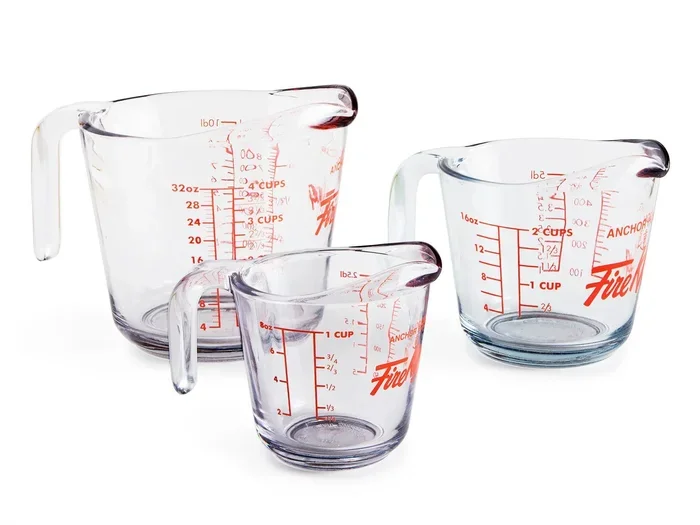
- Invest in measuring cups with quart markings. Many sets include 1-quart and ½-quart sizes that make liquid measurement effortless.
- Memorize the 32-number. Just remember: 1 quart = 32 fl oz. Everything else is simple multiplication or division.
- Use a conversion chart on your fridge. Tape one up near your cooking area so you never have to think twice about conversions.