
How to Tell If Eggs Are Still Good and Safe to Eat Today
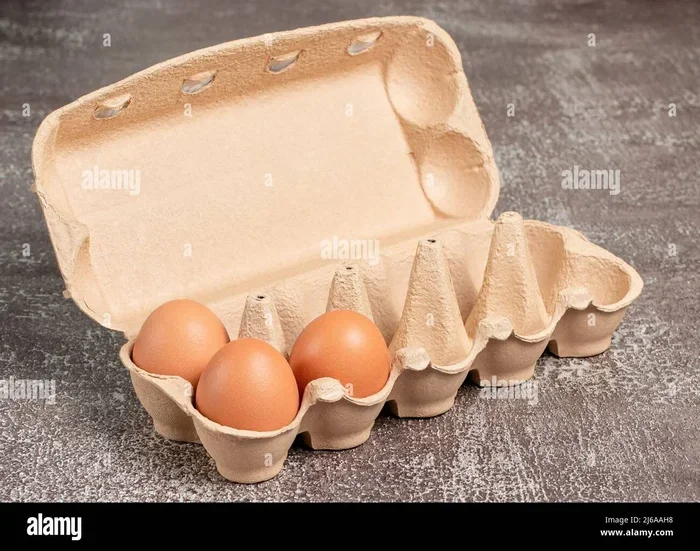
Knowing how to tell if eggs are still good is one of the most important kitchen skills you can learn. You can use the float test, smell test, and visual inspection to check egg freshness in seconds. This guide covers everything from expiration dates to proper storage so you never have to guess again.
Have you ever cracked open an egg only to be hit with a terrible smell? That moment of regret is something nobody wants to experience. Learning how to tell if eggs are still good saves you from wasted money, ruined recipes, and worse, foodborne illness.
Eggs are a staple in almost every kitchen. They are affordable, versatile, and packed with protein. But they also spoil faster than most people realize. Many folks rely solely on the date printed on the carton, and that is not always enough. The good news is that a few simple tests can tell you everything you need to know about egg freshness.
In this guide, we walk you through every method you can use right at home. From the classic float test to checking for off smells and strange appearances, you will become an egg-checking pro in no time. We also cover storage tips, date labels, and what to do with eggs that are past their prime. By the end, you will never second-guess an egg again.
Key Takeaways
- The Float Test: A simple water test tells you if an egg is fresh or stale in seconds.
- Trust Your Senses: Smell and visual checks are reliable ways to spot bad eggs.
- Know Your Dates: Sell-by, use-by, and best-by dates all mean different things for egg freshness.
- Store Eggs Properly: Refrigeration and the right container extend egg shelf life significantly.
- Health Risks Are Real: Eating bad eggs can cause food poisoning, so always err on the side of caution.
- Freeze for Later: You can freeze eggs to keep them good for months beyond the expiration date.
📑 Table of Contents
Why Knowing Egg Freshness Matters
Fresh eggs taste better and cook differently than old ones. A fresh egg has a firm white and a round, centered yolk. As an egg ages, the white thins out and the yolk flattens. This changes the texture of everything you make, from scrambled eggs to cakes.
More importantly, spoiled eggs can make you sick. Bad eggs may contain salmonella, a bacteria that causes serious stomach issues. Symptoms include nausea, vomiting, diarrhea, and fever. In severe cases, food poisoning from rotten eggs can lead to a hospital visit. This is why checking freshness is not just about taste. It is about your health and safety.
Think of checking your eggs the same way you check other things in your kitchen. Just like you need to know how to tell if a bike tire needs air before a ride, you need to know how to check your eggs before cooking. Regular checks prevent problems before they start.
The Egg Float Test: Your Best Freshness Checker
The float test is the most popular and reliable way to check egg freshness at home. All you need is a bowl of water and the eggs you want to test. It is simple, quick, and surprisingly accurate.
How to Perform the Float Test
Follow these steps to check your eggs:
- Fill a bowl with cold water. The water should be deep enough to fully submerge the egg.
- Gently place the egg into the water.
- Watch what happens and note the position.
Here is what the results mean:
- Fresh Egg: Sinks to the bottom and lies flat on its side. This egg is very fresh and safe to eat.
- Somewhat Old Egg: Sinks but stands upright at the bottom. It is still good but best used for baking or hard-boiling.
- Old Egg: Floats to the top. This egg is likely stale and should be discarded.
Why Does the Float Test Work?
As an egg ages, air seeps through the shell. This creates a small air pocket inside. The older the egg, the larger the air pocket becomes. A large air pocket makes the egg buoyant, causing it to float. A fresh egg has very little air inside, so it sinks.
While the float test is a great tool, it is not perfect. Some eggs that float may still be safe to eat, especially if they pass the smell and visual tests. Always use multiple methods together for the best results.
Visual and Smell Tests for Egg Freshness
The float test is helpful, but you should also rely on your eyes and nose. These senses are powerful tools for spotting bad eggs before you even crack them open.
The Visual Check
Before you crack an egg, look at the shell. A fresh egg has a smooth, clean shell with no cracks. Check for the following:
- Cracks or damage: A cracked shell lets bacteria in. Throw away any egg with a broken shell.
- Dirt or residue: Some farm-fresh eggs have a light dusting of bloom, which is natural. But any sticky or powdery residue that smells off is a red flag.
- Color changes: If the shell looks unusually discolored or has spots you have never seen before, be cautious.
After cracking the egg, examine the white and yolk. A fresh egg has a thick, cloudy white that holds the yolk firm. An old egg has a thin, runny white that spreads flat in the water. The yolk of a fresh egg is tall and round. An old yolk is flat and fragile.
The Smell Test
This is the most reliable test of all. Once you crack the egg into a bowl, bring it close to your nose and take a gentle sniff. A fresh egg has little to no smell. A bad egg will have a strong, sulfur-like odor. Some people describe it as smelling like rotten garbage or sewage.
If you detect any off smell at all, throw the egg away immediately. Do not taste it. Do not try to cook with it to “see if it is still okay.” Trust your nose on this one. Cooking does not always kill the toxins produced by bacteria in bad eggs.
Understanding Egg Expiration and Sell-By Dates
Egg cartons are covered in dates, and they can be confusing. Sell-by, use-by, best-by, and expiration dates all serve different purposes. Understanding what each one means helps you decide whether your eggs are still good.
What Each Date Label Means
- Sell-By Date: This tells the store how long to display the eggs for sale. Eggs are usually still good for several weeks after this date.
- Use-By or Best-By Date: This is the manufacturer’s suggestion for peak quality. Eggs are often safe to eat for weeks beyond this date if stored properly.
- Expiration Date: This is the last date the manufacturer guarantees full quality. After this date, the eggs may still be safe but the quality declines.
- Julian Date: Some cartons show a three-digit number representing the day of the year the eggs were packed. For example, January 1 is 001 and December 31 is 365.
Here is a quick comparison of what these dates mean for egg freshness:
| Date Type | What It Means | Eggs Still Good After? |
|---|---|---|
| Sell-By | Store display guide | 3 to 5 weeks past date |
| Use-By | Peak quality window | 2 to 4 weeks past date |
| Best-By | Quality suggestion | 3 to 5 weeks past date |
| Expiration | Last guaranteed date | Use float test to check |
Remember, dates are guidelines, not hard rules. The egg freshness test methods we covered above are always more reliable than a printed date alone.
Proper Egg Storage Tips
How you store your eggs has a huge impact on how long they stay fresh. Proper storage keeps eggs safe and extends their shelf life by weeks or even months.
Refrigerator Storage
Always store eggs in the refrigerator. The cold temperature slows bacterial growth and keeps eggs fresh longer. Follow these tips:
- Keep eggs in their original carton. The carton protects them from absorbing odors from other foods.
- Store eggs on the middle shelf, not the door. The door experiences temperature fluctuations every time you open it.
- Keep eggs away from strong-smelling foods like onions and garlic. Eggshells are porous and can absorb odors.
- Do not wash eggs before storing. The natural coating on the shell helps protect against bacteria.
Properly stored raw eggs stay fresh for 3 to 5 weeks in the refrigerator. Hard-boiled eggs should be eaten within one week.
Freezing Eggs for Long-Term Storage
If you have more eggs than you can use, freezing is a great option. You can freeze eggs for up to one year. Here is how:
- Crack the eggs into a bowl and whisk them gently.
- Pour the mixture into a freezer-safe container or ice cube tray.
- Label the container with the date.
- Thaw frozen eggs in the refrigerator before using.
Never freeze eggs in their shells. The liquid inside expands as it freezes, which causes the shell to crack. This creates a mess and can introduce bacteria.
Storing Farm-Fresh Eggs
Farm-fresh eggs often have a natural coating called the “bloom” or “cuticle.” This coating acts as a protective barrier against bacteria. Unwashed farm-fresh eggs can be stored at cool room temperature for a short period. However, once washed, they must be refrigerated immediately.
Think of egg storage like maintaining your equipment. Just like you would learn how to tell if your treadmill belt is tight to keep it running well, proper egg storage keeps your food safe and fresh.
Health Risks of Eating Bad Eggs
Eating eggs that have gone bad is no joke. The risks are real and can lead to serious health problems. Understanding these risks helps you take egg safety seriously.
The biggest danger is salmonella infection. Salmonella bacteria can be present inside an egg that looks and smells perfectly normal. Cooking eggs thoroughly kills most salmonella, but spoiled eggs may produce toxins that survive cooking.
Common symptoms of eating bad eggs include:
- Stomach cramps and pain
- Nausea and vomiting
- Diarrhea
- Fever and chills
- Headache and fatigue
Symptoms usually appear within 6 to 48 hours after eating a contaminated egg. Most people recover within a few days, but young children, elderly adults, and those with weakened immune systems face higher risks of complications.
If you suspect you have eaten a bad egg and feel unwell, contact a healthcare professional right away. Do not ignore symptoms like bloody diarrhea or a fever above 102 degrees Fahrenheit.
Quick Tips for Keeping Eggs Fresh Longer
Want to make your eggs last as long as possible? Follow these practical tips every time you bring eggs home from the store.
- Buy eggs last: Pick up eggs at the end of your grocery trip so they stay cold longer.
- Check the carton: Avoid cartons with cracked eggs or missing ones. Cracks let bacteria in.
- Use the oldest eggs first: Place newer eggs in the back and older ones in front.
- Do not leave eggs out: Never leave raw eggs at room temperature for more than two hours.
- Keep your fridge at the right temperature: Set your fridge to 40 degrees Fahrenheit or below.
- Wash hands after handling raw eggs: This prevents cross-contamination with other foods.
These small habits make a big difference. They keep your eggs fresh, your food safe, and your cooking results consistent every time.
When in Doubt, Throw It Out
The golden rule of egg safety is simple: when in doubt, throw it out. No recipe is worth the risk of food poisoning. If an egg fails the float test, smells off, or looks unusual, do not hesitate to discard it.
Some people feel guilty about throwing away eggs, especially if they are expensive or hard to find. But the cost of a few eggs is nothing compared to the cost of a hospital visit or days of misery from food poisoning.
Remember, checking your eggs regularly is just part of being a responsible cook. Whether you are testing eggs for freshness or figuring out how to get a good workout on a stationary bike, the goal is the same: staying safe and getting the best results from what you do.
Now that you know all the methods for checking egg freshness, you can cook with confidence every single day. Trust the tests, follow the storage tips, and always prioritize safety. Your kitchen — and your stomach — will thank you.
Frequently Asked Questions
Can you eat eggs past the expiration date?
Yes, in most cases eggs are safe to eat for several weeks past the expiration date if they pass the float test, smell test, and visual check. Always use your senses to confirm freshness before eating eggs that are past their printed date.
How long do eggs last in the refrigerator?
Raw eggs in their shell stay fresh for 3 to 5 weeks when stored properly in the refrigerator at 40 degrees Fahrenheit or below. Hard-boiled eggs should be consumed within one week of cooking.
What does a bad egg smell like?
A bad egg has a strong, sulfur-like odor that is often described as smelling like rotten garbage or sewage. If you detect any off smell after cracking an egg, discard it immediately and do not taste it.
Can you freeze eggs?
Yes, you can freeze raw eggs by cracking them into a bowl, whisking them gently, and storing them in a freezer-safe container. Frozen eggs last up to one year. Never freeze eggs in their shells because the expanding liquid will crack the shell.
Is the egg float test 100% accurate?
The float test is very reliable but not perfect. An egg that floats is likely old and should be discarded, but an egg that sinks could still be bad if it has been stored improperly. Always combine the float test with the smell and visual tests for the best results.
Can you get sick from eating a rotten egg?
Yes, eating a rotten egg can cause food poisoning from salmonella or other bacteria. Symptoms include stomach cramps, nausea, diarrhea, and fever. If symptoms are severe, seek medical attention promptly.
=== CONCLUSION ===
Knowing how to tell if eggs are still good is an essential skill that every home cook should master. The float test, smell test, and visual inspection give you three reliable ways to check freshness in minutes. Understanding date labels and following proper storage tips keeps your eggs safe for as long as possible.
Always remember the golden rule: when in doubt, throw it out. No dish is worth the risk of food poisoning. By following the tips in this guide, you will waste less food, save money, and keep your kitchen safe. Fresh eggs make everything taste better, from a simple scramble to a fancy soufflé. Take the time to check your eggs, trust your senses, and enjoy every meal with confidence.


