
Bone In Prime Rib Cooking Time Guide For Perfect Results
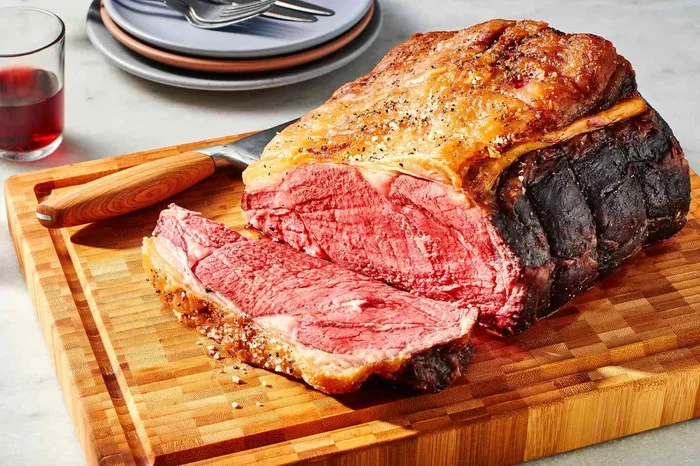
Bone in prime rib cooking time depends on the roast size, oven temperature, and your desired doneness. A general rule is about 15-20 minutes per pound at 325°F for a medium-rare result. This guide covers everything from preparation to resting so you can serve a show-stopping roast with confidence.
There is nothing quite like a perfectly cooked bone in prime rib to impress a crowd. Whether you are hosting a holiday dinner or treating yourself to a special weekend meal, getting the cooking time right is everything. A roast that is too underdone or overcooked can ruin what should be a memorable meal.
This guide breaks down the bone in prime rib cooking time in simple, easy-to-follow steps. We will cover everything from choosing the right cut to pulling it out of the oven at the perfect moment. By the end, you will feel confident enough to tackle this impressive dish on your own.
Bone in prime rib is one of the most beloved cuts of beef out there. The bone adds incredible flavor during the slow roasting process. But it also means you need to pay attention to timing. Too little time and the meat stays tough. Too much and you end up with a dry, crumbly roast that nobody wants.
Key Takeaways
- Plan for 15-20 minutes per pound at 325°F for a classic bone in prime rib roast.
- Always use a meat thermometer to hit the right internal temperature for your preferred doneness.
- Rest the roast for 20-30 minutes after cooking to lock in juicy flavors.
- Season early — dry brining overnight makes a huge difference in flavor and texture.
- Bone-in vs boneless affects cooking time, with bone-in taking slightly longer but delivering more flavor.
- Sear before roasting for a beautiful crust and deeper taste.
- Quality matters — just like choosing the right equipment, picking a well-marbled roast is key.
📑 Table of Contents
Understanding Bone In Prime Rib
Before we dive into the numbers, let us talk about what bone in prime rib actually is. A bone in prime rib roast comes from the primal rib section of the cow. It includes several ribs, usually between three and seven, still attached to the bone. The bone does two important things. First, it adds rich, deep flavor to the meat as it cooks. Second, it acts as a natural insulator, which means the meat near the bone stays juicy even if the outer parts cook a bit longer.
The term “prime” refers to the USDA grade. Prime beef has the most marbling, which is the thin white streaks of fat running through the meat. This marbling melts during cooking and keeps the roast moist. If you can find a USDA Prime grade roast, go for it. Your results will be noticeably better than with lower grades.
Bone In vs Boneless Prime Rib
You might wonder if bone in prime rib really makes a difference compared to boneless. The short answer is yes. Bone in roasts take a little longer to cook because the bone slows down heat transfer to the meat closest to it. However, many cooks and chefs agree that bone in roasts taste better. The bone releases gelatin and minerals into the meat during the long cooking process, giving it a richer, more complex flavor.
Boneless prime rib cooks faster and is easier to slice, but you sacrifice some of that deep, roasty flavor. If you are going for maximum taste, stick with bone in.
Bone In Prime Rib Cooking Time By Weight
The most common question people ask is: how long does it take to cook a bone in prime rib? The answer depends on the weight of the roast and the temperature you use. Here is a general breakdown to get you started.
- 3-4 pounds: About 1 hour to 1 hour 15 minutes at 325°F
- 5-7 pounds: About 1 hour 30 minutes to 2 hours at 325°F
- 8-10 pounds: About 2 hours to 2 hours 30 minutes at 325°F
- 10-15 pounds: About 2 hours 30 minutes to 3 hours at 325°F
These times are based on a 325°F oven temperature and aim for a medium-rare result. If you prefer your roast more done, add about 10 to 15 extra minutes per pound. The best way to know for sure is to use a meat thermometer. We will get into that more in a moment.
Just like knowing when is the best time to use treadmill equipment for optimal results, timing matters just as much in the kitchen. Patience and precision make all the difference.
Prime Rib Cooking Time Per Pound
A good rule of thumb is to calculate about 15 to 20 minutes per pound at 325°F. This gives you a solid starting point. Here is how that looks in practice:
- A 4-pound roast needs roughly 60 to 80 minutes of cooking time.
- A 7-pound roast needs roughly 1 hour 45 minutes to 2 hours 20 minutes.
- A 12-pound roast needs roughly 3 to 4 hours.
Remember that these are estimates. Every oven is slightly different, and the starting temperature of the roast matters too. Taking the roast straight from the refrigerator adds more cooking time than if you let it sit at room temperature for an hour first.
Best Oven Temperature For Prime Rib
The temperature you choose has a big impact on both the cooking time and the final texture of your roast. Most experts agree that 325°F is the sweet spot for bone in prime rib. Here is why.
At 325°F, the heat is low enough to cook the meat slowly and evenly. This slow cooking allows the fat to render properly, which keeps the roast juicy. Higher temperatures can cause the outside to burn before the inside is done, and lower temperatures might leave the roast in the oven for too long.
Alternative Temperatures
Some cooks like to start at a higher temperature and then drop it down. This method works like this:
- Preheat the oven to 450°F.
- Roast for 15 minutes at this high heat to get a good sear.
- Drop the temperature to 325°F and continue cooking until done.
The initial sear creates a flavorful crust on the outside of the roast. This is called the Maillard reaction, and it adds a rich, brown color and deep flavor. The rest of the cooking at a lower temperature keeps the inside tender and juicy.
You can also cook at 225°F for a very low and slow approach. This takes longer, sometimes 4 to 5 hours for a large roast, but it can produce incredibly tender results. This method is popular among smokers and barbecue enthusiasts.
Internal Temperature Guide For Doneness
This is the most important part of the whole process. The internal temperature of the roast tells you exactly how done it is. Here is what you are aiming for depending on your preference.
- Rare: 120-125°F (remove from oven at this temp, it will rise 5-10 degrees while resting)
- Medium Rare: 130-135°F (the most popular choice for prime rib)
- Medium: 140-145°F (still juicy but with a firmer texture)
- Well Done: 150°F and above (not recommended for prime rib, as it dries out quickly)
Always pull the roast out of the oven 5 to 10 degrees before your target temperature. The roast will continue to cook after you take it out. This is called carryover cooking, and it can raise the internal temperature by 5 to 10 degrees during the resting period.
Using a reliable cooking thermometer is non-negotiable. Do not rely on time alone. Every oven has hot spots, and every roast is a different size and shape. A thermometer takes the guesswork out completely.
How To Prepare Your Prime Rib For Cooking
Preparation is just as important as the cooking time itself. A little effort before you start can make a massive difference in the final result.
Dry Brining The Night Before
Dry brining means rubbing your roast with salt and letting it sit uncovered in the refrigerator overnight. The salt draws moisture out of the meat, then gets reabsorbed. This process seasons the meat deeply and helps create a beautiful, crispy crust when you roast it.
Here is how to do it:
- Pat the roast dry with paper towels.
- Rub a generous amount of coarse kosher salt over the entire surface.
- Place the roast on a rack set over a sheet tray.
- Leave it uncovered in the refrigerator for 12 to 24 hours.
When you are ready to cook, take the roast out of the fridge about 1 to 2 hours before it goes in the oven. Letting it come closer to room temperature helps it cook more evenly.
Seasoning Options
Salt is the foundation, but you can add other seasonings too. Popular options include:
- Freshly cracked black pepper
- Garlic powder or minced garlic
- Fresh rosemary and thyme
- Paprika for a smoky flavor
- A touch of onion powder
Keep it simple. Prime rib has a naturally rich flavor, and you do not want to overpower it. A basic salt, pepper, and garlic rub works beautifully for most roasts.
Smoking Bone In Prime Rib
Some barbecue lovers prefer to cook their prime rib low and slow over smoke. Smoking adds a layer of flavor that you simply cannot get from an oven alone. If you have a smoker or a charcoal grill, this is worth trying.
Here is a basic smoking approach:
- Set your smoker to 225°F.
- Use hardwood like oak, hickory, or applewood for the smoke.
- Place the roast in the smoker and monitor the internal temperature.
- Plan for about 30 to 40 minutes per pound at this temperature.
- Remove when the internal temperature is 5 degrees below your target.
Smoked prime rib takes longer, but the flavor payoff is huge. The smoke penetrates the meat slowly over hours, creating a complex taste that pairs perfectly with the natural richness of the beef.
Just as choosing the right place to put a treadmill in your home affects your workout experience, choosing the right cooking method affects your prime rib experience. Both require thought and planning.
Resting And Serving Your Prime Rib
Once your roast comes out of the oven or smoker, the hardest part is waiting. Resting is not optional. It is essential. During the resting period, the juices inside the roast redistribute. If you cut into it too soon, all those juices run out onto the cutting board instead of staying in the meat.
Here is what you need to know:
- Rest for at least 20 minutes for a small roast (under 5 pounds).
- Rest for 30 minutes or more for a large roast (over 5 pounds).
- Cover the roast loosely with aluminum foil during resting.
- Do not skip this step, no matter how tempting it is.
After resting, slice against the grain for the most tender results. Serve with au jus, horseradish cream, or your favorite gravy. A good prime rib is a centerpiece that brings people together.
Common Mistakes To Avoid
Even experienced cooks make mistakes with prime rib. Here are a few to watch out for:
- Not using a thermometer: Relying on time alone is a recipe for inconsistency.
- Skipping the rest: Cutting too early dries out the roast.
- Cooking from a frozen state: Always thaw completely before cooking for even results.
- Over-seasoning: Let the natural flavor of the beef shine through.
- Opening the oven too often: Every time you open the door, heat escapes and cooking time increases.
Avoiding these simple mistakes will put you ahead of most home cooks. The goal is to create a roast that is juicy, flavorful, and cooked to perfection every single time.
Final Thoughts On Perfect Prime Rib
Mastering bone in prime rib cooking time is easier than it sounds. With the right temperature, a reliable thermometer, and a little patience, you can serve a roast that rivals any steakhouse. The key is to plan ahead, season well, and respect the cooking process.
Remember that every roast is different. The weight, the starting temperature, and your oven all play a role. Use the guidelines in this article as your foundation, but trust your thermometer above all else. Once you nail your first perfect bone in prime rib, you will never go back to guesswork again.
Whether you are cooking for a family gathering or a special occasion, this cut of beef delivers on both flavor and presentation. Take your time, enjoy the process, and savor every bite of that perfectly roasted prime rib.
Just like knowing what to look for in a good treadmill helps you invest wisely, knowing your prime rib fundamentals helps you cook with confidence. Quality ingredients and proper technique always win.
Frequently Asked Questions
How long does it take to cook a bone in prime rib at 325°F?
At 325°F, plan for about 15 to 20 minutes per pound for a medium-rare result. A 6-pound roast will take roughly 1 hour 30 minutes to 2 hours. Always use a meat thermometer to confirm doneness rather than relying on time alone.
What internal temperature should bone in prime rib reach?
For medium-rare, pull the roast at 130-135°F. Remember that carryover cooking will raise the temperature by 5 to 10 degrees during the resting period. For rare, aim for 120-125°F at removal, and for medium, target 140-145°F.
Should I sear my prime rib before roasting?
Yes, searing adds a flavorful crust through the Maillard reaction. You can sear at a high temperature of 450°F for 15 minutes first, then reduce to 325°F for the rest of the cook. Alternatively, you can sear on the stovetop before transferring to the oven.
How long should I rest bone in prime rib before slicing?
Rest the roast for at least 20 minutes for smaller roasts and 30 minutes or more for larger ones. Cover loosely with foil to keep it warm while the juices redistribute throughout the meat.
Can I cook bone in prime rib the day before?
You can dry brine it the day before, which actually improves flavor. However, cooking it fully ahead of time is not recommended. Reheated prime rib tends to dry out. It is best to cook it fresh and reheat any leftovers gently in the oven.
Is bone in prime rib better than boneless?
Most chefs and cooking enthusiasts prefer bone in prime rib for its richer flavor. The bone adds depth and moisture during cooking. However, boneless prime rib cooks faster and is easier to slice, so it comes down to personal preference and convenience.


