Oz to Cups A Simple Kitchen Conversion Guide for Cooking
Converting oz to cups is one of the most useful skills in any kitchen. Whether you are baking a cake or scaling a recipe, knowing the oz to cups relationship saves time and prevents mistakes. This guide covers fluid ounces, dry ounces, and easy conversion formulas. You will also find handy charts, pro tips, and common pitfalls to avoid.
Cooking and baking are all about precision. But let us be honest. Most of us have grabbed a random cup from the cabinet and eyeballed an ingredient without thinking twice. The problem is that this approach can ruin a recipe. That is where understanding oz to cups conversion comes in handy. It is a simple concept that makes a huge difference in your kitchen.
So what exactly does oz to cups mean, and why should you care? An ounce is a unit of measurement. It can measure weight or volume depending on what you are dealing with. A cup is a unit of volume. When you know how to convert between them, you can follow any recipe with confidence. You can also adjust serving sizes easily. This guide breaks everything down in plain language. No fancy math. No confusing jargon. Just straightforward tips that work every time.
Key Takeaways
- 1 cup equals 8 fluid ounces: This is the golden rule for liquid measurements in US cooking.
- Dry oz to cups varies by ingredient: A cup of flour weighs about 4.5 oz, while a cup of sugar weighs around 7 oz.
- Use the right measuring tool: Liquid measuring cups for fluids and dry measuring cups for solids give the best results.
- A kitchen scale is your best friend: Weighing ingredients in ounces ensures accuracy every time.
- Conversion charts are handy: Keep a quick reference chart on your fridge or in your cookbook for easy lookups.
- Avoid common mistakes: Scooping flour directly from the bag or using the wrong cup type leads to inaccurate results.
- Metric conversions matter too: Knowing how oz to cups translates to milliliters helps with international recipes.
📑 Table of Contents
- What Does Oz to Cups Mean in the Kitchen?
- How Many Cups Are in an Ounce?
- Converting Fluid Oz to Cups for Liquids
- Converting Dry Oz to Cups for Solids
- Quick Reference Conversion Chart for Oz to Cups
- Tools That Make Oz to Cups Conversions Easy
- Common Mistakes to Avoid When Converting Oz to Cups
- Oz to Cups for Different Measurement Systems
- How to Scale Recipes Up or Down Using Oz to Cups
- Conclusion
What Does Oz to Cups Mean in the Kitchen?
Before we dive into numbers, let us clear up a common confusion. The word ounce can mean two very different things. It can measure weight, which we call a dry ounce. It can also measure volume, which we call a fluid ounce. This distinction matters a lot when you are converting oz to cups.
In the United States, we use the US customary system for measurements. Most recipes you find online or in cookbooks use this system. A fluid ounce measures how much space a liquid takes up. A dry ounce measures how much something weighs. When a recipe says 8 oz of water, it means 8 fluid ounces, which equals 1 cup. But when a recipe says 8 oz of flour, it means 8 ounces by weight, which is a completely different volume.
This is why volume measurements and weight measurements are not the same thing. Confusing the two is one of the biggest mistakes home cooks make. Keep reading, and we will show you how to get it right every time.
Fluid Ounces vs. Dry Ounces
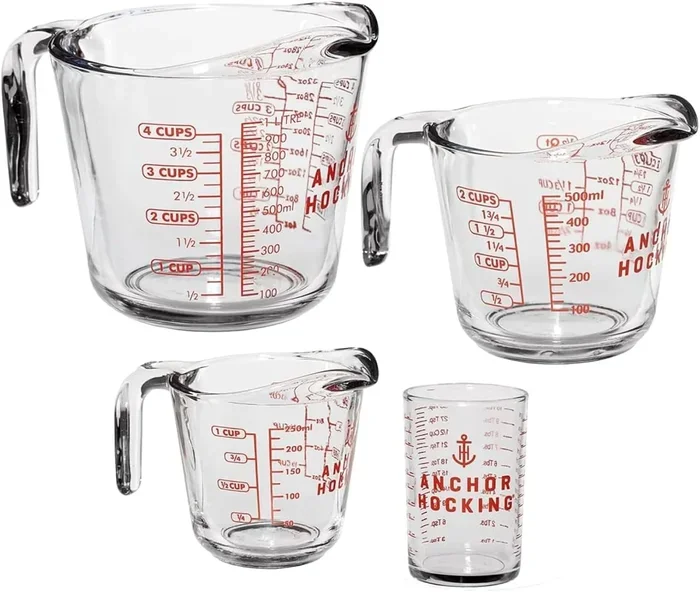
A fluid ounce is a unit of volume. You use it for liquids like water, milk, oil, and juice. In the US system, 1 fluid ounce is about 29.57 milliliters. When you are measuring liquids, a liquid measuring cup is the right tool. These cups are clear and have a pour spout. They also show measurements in fluid ounces and cups.
A dry ounce is a unit of weight. You use it for dry ingredients like flour, sugar, oats, and nuts. A dry measuring cup holds a specific volume, but the weight of what you put in it depends on the ingredient. For example, a dry measuring cup filled with flour weighs much less than the same cup filled with brown sugar.
How Many Cups Are in an Ounce?
The answer depends on whether you are measuring liquids or dry ingredients. Let us break it down clearly.
For liquids: 1 cup equals 8 fluid ounces. So 2 fluid ounces equals 1/4 cup, 4 fluid ounces equals 1/2 cup, and 6 fluid ounces equals 3/4 cup. This is the standard conversion for all US liquid measurements.
For dry ingredients: The weight of 1 cup varies by ingredient. Here are some common examples:
- All-purpose flour: 1 cup weighs about 4.5 oz
- Granulated sugar: 1 cup weighs about 7 oz
- Brown sugar (packed): 1 cup weighs about 7.5 oz
- Oats (old-fashioned): 1 cup weighs about 3 oz
- Chopped nuts: 1 cup weighs about 4.5 oz
- Cocoa powder: 1 cup weighs about 3.5 oz
As you can see, there is no single answer for dry oz to cups conversion. Each ingredient has its own density. This is why a kitchen scale is so helpful. It removes all the guesswork.
Why Does Ingredient Density Matter?
Density is how tightly packed the particles in an ingredient are. Flour is light and fluffy, so a cup of flour weighs less than a cup of sugar. Sugar granules are denser and pack together more tightly. That is why the same volume can have a very different weight.
When you do recipe conversions, always check whether the recipe calls for weight or volume. If it says 6 oz of flour, that is a weight measurement. You cannot simply divide by 8 to get cups. You need to know the weight-to-volume ratio for that specific ingredient.
Converting Fluid Oz to Cups for Liquids
Liquid conversions are the easiest part of oz to cups math. The formula is simple: divide the number of fluid ounces by 8. That gives you the number of cups.
Here is how it works in practice:
- 16 fluid ounces ÷ 8 = 2 cups
- 12 fluid ounces ÷ 8 = 1.5 cups
- 4 fluid ounces ÷ 8 = 0.5 cups (or 1/2 cup)
- 2 fluid ounces ÷ 8 = 0.25 cups (or 1/4 cup)
This formula works for any liquid. Water, milk, broth, oil, melted butter, vanilla extract, and more. All of these follow the same 8 fluid ounces per cup rule.
Quick Tips for Measuring Liquids
- Always use a liquid measuring cup for fluids. Do not use a dry measuring cup.
- Place the cup on a flat surface and bend down to read the measurement at eye level.
- Fill to the line slowly and let the liquid settle before reading it.
- For sticky liquids like honey or syrup, lightly spray the cup with cooking spray first. The liquid will slide right out.
- Remember that 1 fluid ounce is also equal to 2 tablespoons. This is helpful for small measurements.
These simple habits make a big difference in your cooking conversions. They take seconds but save you from over- or under-measuring.
Converting Dry Oz to Cups for Solids
Dry conversions are trickier because every ingredient is different. There is no single formula you can apply to all dry ingredients. However, there are some general guidelines and tricks that help.
If a recipe lists ingredients in dry ounces and you only have measuring cups, you need to know the approximate weight per cup for each ingredient. Here is a helpful reference:
- 1 cup of all-purpose flour = approximately 4.5 oz
- 1 cup of granulated sugar = approximately 7 oz
- 1 cup of bread flour = approximately 4.8 oz
- 1 cup of whole wheat flour = approximately 4.5 oz
- 1 cup of rolled oats = approximately 3 oz
- 1 cup of cornmeal = approximately 5.5 oz
These numbers are averages. They can vary based on how you measure the ingredient. That brings us to one of the most important cooking tips you will ever learn.
The Right Way to Measure Dry Ingredients
How you measure dry ingredients affects the weight and volume. Here is the correct method:
- Fluff the ingredient in its container with a spoon or fork.
- Scoop the ingredient into the dry measuring cup.
- Level off the top with the back of a knife or a flat edge.
- Never pack the ingredient down or tap the cup.
This method, often called the spoon and level method, gives you the most accurate results. Scooping directly from the bag packs the ingredient down and gives you more than you need. This is a very common common mistake that throws off recipes.
Quick Reference Conversion Chart for Oz to Cups
Having a quick reference chart on hand makes oz to cups conversions effortless. Here is a handy chart you can save or print for your kitchen.
Liquid Conversions (Fluid Ounces to Cups):
- 1 fl oz = 1/8 cup
- 2 fl oz = 1/4 cup
- 4 fl oz = 1/2 cup
- 6 fl oz = 3/4 cup
- 8 fl oz = 1 cup
- 12 fl oz = 1.5 cups
- 16 fl oz = 2 cups (also known as 1 pint)
- 32 fl oz = 4 cups (also known as 1 quart)
Dry Ingredient Approximations (Ounces by Weight to Cups):
- 1 oz all-purpose flour = about 1/4 cup
- 1 oz granulated sugar = about 1/8 cup
- 1 oz brown sugar = about 1/8 cup
- 1 oz cocoa powder = about 1/3 cup
- 1 oz rolled oats = about 1/3 cup
Keep this chart on your fridge or tape it inside a kitchen cabinet. Over time, these conversions will become second nature.
Tools That Make Oz to Cups Conversions Easy
You do not need to do all the math in your head. Several tools can help you convert oz to cups quickly and accurately.
Kitchen Scales
A kitchen scale is the single best investment you can make for accurate cooking and baking. Digital scales are affordable and easy to use. Simply place your bowl on the scale, hit tare, and add your ingredient. The weight in ounces shows up instantly.
Using a scale eliminates the need for cup conversions entirely. Many professional bakers prefer measuring by weight because it is more precise. If you bake often, a scale is a must-have tool.
Measuring Cups and Spoons
For measuring cups, invest in a set that includes both dry and liquid versions. Dry measuring cups come in sets of 1/4 cup, 1/3 cup, 1/2 cup, and 1 cup. Liquid measuring cups are usually clear and come in sizes like 2 cups, 4 cups, and 8 cups.
Measuring spoons are essential for small amounts. They typically come in 1/4 teaspoon, 1/2 teaspoon, 1 teaspoon, and 1 tablespoon sizes. Remember that 1 tablespoon equals 0.5 fluid ounces, and 1 teaspoon equals about 0.17 fluid ounces.
Conversion Apps and Charts
Many free apps can convert oz to cups for you. Simply type in the amount and the ingredient, and the app does the math. Some apps also convert between metric and imperial units, which is great for international recipes.
You can also print a conversion chart and keep it in your kitchen. Having a visual reference makes conversions faster and more convenient.
Common Mistakes to Avoid When Converting Oz to Cups
Even experienced cooks make mistakes with measurements. Here are the most common errors and how to avoid them.
Confusing Fluid Ounces with Dry Ounces
This is the number one mistake. Fluid ounces measure volume, and dry ounces measure weight. They are not interchangeable. If a recipe calls for 8 oz of milk, that is 1 cup. If it calls for 8 oz of flour, that is about 1.8 cups, not 1 cup.
Using the Wrong Type of Measuring Cup
Never use a dry measuring cup for liquids. The shape is wrong, and you will not get an accurate reading. Similarly, do not use a liquid measuring cup for dry ingredients. It is harder to level off and less precise.
Not Leveling Off Dry Ingredients
When you scoop flour or sugar directly from the bag, you pack more into the cup than you think. Always fluff, scoop, and level. This one habit improves your baking results dramatically.
Ignoring Temperature and Humidity
Did you know that humidity can affect the weight of dry ingredients? Flour absorbs moisture over time. On a humid day, your flour may weigh slightly more than on a dry day. This is a subtle factor, but it matters for precision baking.
Rounding Too Much
For everyday cooking, rounding is fine. But for baking, precision counts. A difference of a few grams can change the texture of a cake or the rise of bread. When baking, try to be as accurate as possible.
Oz to Cups for Different Measurement Systems
The United States is not the only country with its own measurement system. Understanding how oz to cups works in different systems helps you follow international recipes with confidence.
US Customary System
This is the system most American recipes use. 1 US cup equals 8 US fluid ounces, which is about 236.6 milliliters. This is the standard you will encounter in most US cookbooks and online recipes.
Imperial System (UK)
The United Kingdom uses the imperial system, but the cup measurement is slightly different. 1 imperial cup equals 10 imperial fluid ounces, or about 284 milliliters. If you are following a British recipe, keep this difference in mind.
Metric System
Most of the rest of the world uses the metric system. In metric cooking, volumes are measured in milliliters and liters, and weights are measured in grams and kilograms. There is no standard “cup” in the metric system, but many recipes use a metric cup of 250 milliliters.
When converting between systems, a kitchen scale is your best tool. Weighing ingredients in grams or ounces gives you consistent results regardless of the measurement system.
How to Scale Recipes Up or Down Using Oz to Cups
One of the most practical uses for oz to cups conversion is scaling recipes. Maybe you want to double a cake recipe or cut a soup recipe in half. Knowing how to adjust measurements is a valuable skill.
To scale a recipe, first identify the base number of servings. Then multiply or divide each ingredient by your scaling factor. For example, if a recipe serves 4 and you need to serve 8, multiply everything by 2.
When scaling, liquid ingredients are easy because the oz to cups ratio stays the same. 16 fluid ounces becomes 32 fluid ounces, which is 4 cups. Dry ingredients are a bit more complex because the weight-to-volume ratio can change slightly when you measure larger or smaller amounts.
For the best results when scaling, weigh your ingredients rather than measuring by volume. A kitchen scale makes scaling simple and accurate. Just multiply the weight by your scaling factor, and you are done.
Conclusion
Mastering oz to cups conversions is one of the simplest ways to improve your cooking and baking. Whether you are working with liquids or dry ingredients, the right conversion makes all the difference. Use the liquid formula of 8 fluid ounces per cup for easy liquid conversions. For dry ingredients, refer to a weight-to-volume chart or use a kitchen scale for the most accurate results.
Remember to use the right measuring tools, level your dry ingredients, and avoid the common mistakes we covered. With practice, these conversions will become second nature. You will feel more confident in the kitchen, and your recipes will turn out better every time.
Start by printing out the conversion chart in this guide. Keep it handy. Before long, you will be converting oz to cups without even thinking about it. Happy cooking and baking!
Frequently Asked Questions
How many cups is 8 oz?
For liquids, 8 fluid ounces equals 1 cup. For dry ingredients, 8 ounces by weight equals a different number of cups depending on the ingredient. For example, 8 oz of flour is about 1.8 cups, while 8 oz of sugar is about 1.1 cups. Always check whether the recipe uses fluid ounces or dry ounces.
Is 1 cup the same as 8 oz?
Yes, but only for liquids. 1 cup equals 8 fluid ounces for all US liquid measurements. For dry ingredients, 1 cup does not equal 8 ounces because different ingredients have different densities. The weight of 1 cup varies from about 3 oz to 7.5 oz depending on the ingredient.
Can I use a liquid measuring cup for dry ingredients?
It is not recommended. Liquid measuring cups are designed to measure volume accurately for fluids. They are not as precise for dry ingredients. Dry measuring cups are designed to be filled and leveled off. Using the right tool gives you much better results.
How do I convert oz to cups without a chart?
For liquids, divide the number of fluid ounces by 8. That gives you cups. For dry ingredients, you need to know the specific weight per cup for each ingredient. A kitchen scale is the easiest way to avoid conversion math entirely. Just weigh your ingredients directly.
Why do dry oz to cups conversions vary by ingredient?
Every ingredient has a different density, which means the same volume can weigh different amounts. A cup of flour weighs about 4.5 oz, but a cup of granulated sugar weighs about 7 oz. This is why there is no single conversion formula for dry ingredients. Always use ingredient-specific ratios or a kitchen scale.
What is the best way to measure ingredients accurately?
The best way is to use a kitchen scale that measures in ounces and grams. Weighing eliminates volume-based conversion errors entirely. If you do not have a scale, use the spoon and level method for dry ingredients and a liquid measuring cup for fluids. Both habits lead to much better results.