The Perfect Boston Butt Guide for Smoking and Grilling
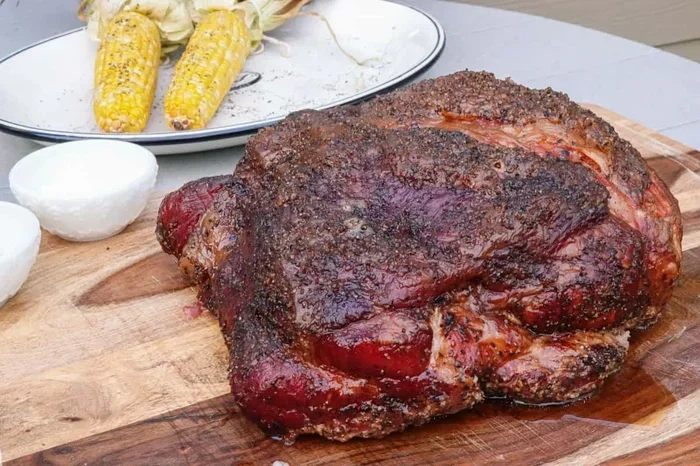
The boston butt is the ultimate cut for smoking and grilling, delivering juicy, tender BBQ with a beautiful bark every single time. Whether you are a beginner or a seasoned pitmaster, this guide covers everything you need to know about choosing, seasoning, and cooking a boston butt to perfection. You will learn the best smoker temperatures, wood choices, and insider tips that take your barbecue game to the next level.
There is nothing quite like pulling a perfectly cooked boston butt off the smoker. The outside is dark and crunchy, and when you tear it apart, the inside is soft, juicy, and full of smoky flavor. If you have ever wanted to make amazing barbecue at home, the boston butt is where you should start.
This cut of meat, also known as the pork shoulder, is forgiving, flavorful, and perfect for long cooks. It does not need expensive equipment or fancy techniques. With a basic smoker, some simple seasoning, and a little patience, you can create a meal that will impress everyone at your table. This guide walks you through every step of the process.
We will cover how to pick the right boston butt, what rubs work best, how to set up your smoker, and how to tell when the meat is done. By the end, you will feel confident enough to smoke your own boston butt like a pro. Let us get into it.
Key Takeaways
- Choose the right cut: Go for bone-in or boneless pork shoulder based on your preference and equipment.
- Low and slow is the way: Cook your boston butt at 225°F to 250°F for the best smoke flavor and tenderness.
- A great rub matters: Use a simple blend of salt, pepper, garlic, and paprika for a flavorful bark.
- Monitor internal temperature: Pull the meat when it reaches 195°F to 205°F for perfect pull-apart texture.
- Rest the meat: Let your boston butt rest for at least one hour after cooking for juicier results.
- Wood choice impacts flavor: Applewood and hickory are the top picks for smoking pork shoulder.
- Practice makes perfect: Even beginners can achieve restaurant-quality BBQ with patience and the right technique.
📑 Table of Contents
What Is a Boston Butt?
Understanding the Cut
The boston butt comes from the upper shoulder of the pig. Despite the name, it has nothing to do with Boston. The name actually dates back to colonial times when butchers in New England used barrels called “butts” to store this cut of meat. Over time, the name stuck, and now every pork shoulder is called a boston butt.
This is a tough cut with a lot of connective tissue and fat. That might sound bad, but it is actually a huge advantage for smoking. When you cook low and slow, all that collagen breaks down and turns the meat incredibly tender. The fat keeps the boston butt moist throughout the long cook.
Bone-In vs. Boneless Boston Butt
You will find boston butts sold both bone-in and boneless. Each has its own benefits.
- Bone-in boston butt: The bone adds flavor during the cook. It also helps insulate the meat, so it stays juicy. Many BBQ lovers prefer bone-in for its richer taste.
- Boneless boston butt: Easier to handle and trim. It also cooks a bit more evenly. Boneless is great if you want to slice the meat or make pull pork sandwiches.
For smoking, either option works well. If you are new to grilling, a bone-in boston butt is a great place to start because it is more forgiving.
Choosing the Best Boston Butt
What to Look For at the Butcher
Picking a good boston butt makes a big difference in your final result. Here is what to look for when you are shopping.
- Color: Look for a nice pinkish-red color. Avoid meat that looks gray or dull.
- Fat cap: A thick layer of fat on one side is ideal. This fat melts during the cook and keeps the meat moist.
- Marbling: Look for thin streaks of fat running through the meat. More marbling means more flavor and juiciness.
- Size: A 6 to 8 pound boston butt is perfect for most smokers. Plan for about 1 pound of raw meat per person since the meat shrinks as it cooks.
Buy from a trusted butcher or a reputable meat supplier. Fresh pork shoulder that has been properly stored will give you the best results.
How Much Boston Butt to Buy
A good rule of thumb is to plan for half a pound of cooked meat per person. Since a boston butt loses about 40 to 50 percent of its weight during smoking, a 7-pound raw cut will yield roughly 4 pounds of finished meat. That feeds about 8 people comfortably.
If you are feeding a crowd, consider buying two smaller boston butts instead of one large one. This gives you more flexibility and reduces the risk of something going wrong during the cook.
Prepping Your Boston Butt for the Smoker
Trimming the Fat
Before you season the meat, take a few minutes to trim the fat cap. You do not want to remove all the fat, but you should trim it down to about a quarter inch thick. Too much fat can cause flare-ups on the grill and can leave a greasy texture on the final product.
Also, remove any large pockets of hard fat. These do not render well and can leave chewy pieces in your finished meat. Leave the smaller flecks of fat, though, as they melt and add flavor throughout the cook.
Making the Perfect Rub
The rub is what gives your boston butt its signature flavor. You do not need a complicated recipe. A simple dry rub works beautifully.
Here is a classic rub recipe that works every time:
- 1/4 cup coarse black pepper
- 1/4 cup kosher salt
- 2 tablespoons garlic powder
- 2 tablespoons onion powder
- 2 tablespoons smoked paprika
- 1 tablespoon brown sugar
- 1 teaspoon cumin
- 1 teaspoon cayenne pepper (optional, for heat)
Mix all the ingredients together and store in an airtight container. You can make a big batch ahead of time and keep it ready for your next smoke. Apply the rub generously all over the boston butt, pressing it into the meat with your hands. For the best flavor, apply the rub the night before and let it sit in the fridge overnight.
Should You Inject the Meat?
Injecting is an optional step that some pitmasters swear by. A simple injection made from apple juice, apple cider vinegar, and a little melted butter can add extra moisture to a larger boston butt. Use a meat injector to distribute the liquid evenly throughout the meat.
If you are smoking a smaller cut, injection is not necessary. The fat and connective tissue will do the work for you. But for an 8-pound or larger boston butt, injecting can help ensure the meat stays juicy from edge to center.
Smoking the Boston Butt
Setting Up Your Smoker
Getting your smoker ready is the first step to a successful cook. Whether you use a charcoal smoker, a pellet grill, or an offset smoker, the setup is similar.
- Temperature: Set your smoker to 225°F to 250°F. This low and slow range is the sweet spot for smoking pork shoulder.
- Fuel: Use quality charcoal or pellets as your base. Add wood chunks or chips for smoke flavor.
- Water pan: Place a pan of water in the smoker to keep the humidity up. This helps prevent the meat from drying out.
- Clean grates: Make sure your grill grates are clean before placing the meat down. This prevents sticking and gives you a better bark.
Let your smoker preheat for at least 20 minutes before adding the boston butt. You want a stable temperature throughout the entire cook.
Best Woods for Smoking Boston Butt
The type of wood you use has a big impact on the flavor of your boston butt. Here are the best options:
- Applewood: Mild and sweet. This is a favorite for pork because it complements the meat without overpowering it.
- Hickory: Strong and smoky. Hickory is a classic BBQ wood that pairs perfectly with pork shoulder.
- Pecan: Nutty and rich. Pecan is a great middle-ground between applewood and hickory.
- Cherrywood: Fruity and mild. Cherry gives the meat a beautiful dark color and a subtle sweetness.
Avoid using pine or cedar, as these woods can make the meat taste bitter and resinous. Stick with fruitwoods or hardwoods for the best flavor.
The Smoke Phase
When you first place the boston butt on the smoker, the meat will absorb smoke for the first few hours. This is when the smoke ring forms, which is the pink layer just under the bark. A good smoke ring is a sign of a well-smoked piece of meat.
Keep the smoker closed during this phase. Every time you open the lid, you lose heat and smoke. Resist the urge to peek too often. Trust the process and let the boston butt do its thing.
Wrapping the Meat (The Texas Crutch)
After about 4 to 5 hours of smoking, the boston butt will hit what pitmasters call the “stall.” This is when the internal temperature stops climbing and seems to hang around 150°F to 165°F for hours. This happens because the evaporating moisture on the surface cools the meat.
To push through the stall, many smokers wrap the boston butt in butcher paper or aluminum foil. This is called the Texas crutch. Wrapping traps moisture and speeds up the cook significantly.
- Butcher paper: Breathable and keeps the bark crispy. This is the preferred method for most BBQ enthusiasts.
- Aluminum foil: Traps more moisture and speeds up the cook even more. The bark will be softer, but the meat will be very tender.
If you wrap with butcher paper, you will get a better bark. If you are short on time, foil works well too. Both methods produce excellent results.
Temperature and Timing
How Long to Smoke a Boston Butt
A general rule for smoking a boston butt is about 1.5 to 2 hours per pound at 225°F. So a 7-pound cut will take roughly 10 to 14 hours. But every smoker is different, and weather conditions can affect cook time.
Do not worry about the clock. Instead, focus on the internal temperature of the meat. The boston butt is done when it reaches 195°F to 205°F internally. At this temperature, the collagen has fully broken down, and the meat will be tender and easy to pull apart.
Using a Meat Thermometer
A good instant-read thermometer is the most important tool you can own for smoking meat. Do not guess when the meat is done. Probe the thickest part of the boston butt, avoiding bone if you are cooking bone-in.
Some pitmasters also use a leave-in probe thermometer that monitors the temperature throughout the entire cook. This lets you keep an eye on the temperature without opening the smoker lid.
The Probe Test
In addition to checking the temperature, you can use the probe test. When the boston butt is done, a thermometer probe or a toothpick should slide into the meat with almost no resistance. It should feel like inserting the probe into warm butter. If you feel any resistance, the meat needs more time.
Resting and Serving Your Boston Butt
Why Resting Matters
Once your boston butt reaches the right temperature, do not cut into it right away. Resting the meat is just as important as the cook itself. When you pull the meat off the heat, the juices inside are under high pressure. Cutting too early releases those juices onto the cutting board instead of keeping them in the meat.
Wrap the boston butt in butcher paper and then in a thick towel. Place it in a cooler with towels packed around it. Let it rest for at least one hour, or up to two hours. This keeps the meat warm and allows the juices to redistribute evenly.
Pulling and Serving
After resting, it is time to pull the meat. Use two forks or bear claws to shred the boston butt. The meat should separate easily with little effort. If it is still tough, it needs more cook time.
Serve your pulled boston butt on soft burger buns with your favorite BBQ sauce. Coleslaw, pickles, and sliced onions are classic toppings that complement the smoky flavor perfectly.
Leftover pulled pork keeps well in the fridge for up to 4 days. You can also freeze it for up to 3 months. Reheat gently on the stovetop or in the microwave with a splash of apple juice to keep it moist.
Common Mistakes to Avoid
Skipping the Rest
Cutting into your boston butt too early is the most common mistake beginners make. Be patient and let the meat rest. You will be rewarded with juicier, more flavorful meat.
Opening the Smoker Too Often
Every time you open the smoker lid, you lose heat and smoke. This extends the cook time and can cause temperature fluctuations. Check the meat only when necessary, and trust your thermometer.
Using Too Much Rub
More is not always better when it comes to rub. A thick layer of rub can become bitter during the long cook. Apply a generous but even coat, and let the meat do the rest of the work.
Ignoring the Stall
The stall is completely normal, and it happens to every smoker. Do not panic and do not crank up the heat. Wrapping the meat or simply being patient will get you through it.
Expert Tips for the Perfect Boston Butt
Start with a Dry Surface
Pat the boston butt completely dry with paper towels before applying the rub. A dry surface helps the rub stick better and promotes a thicker, crunchier bark. You can also leave the uncovered meat in the fridge overnight to dry out the surface even more.
Keep a Spritz Bottle Handy
During the first 4 to 5 hours of the cook, spritz the boston butt every hour with a mixture of apple cider vinegar and apple juice. This keeps the surface moist and helps the bark form evenly. After wrapping, you do not need to spritz anymore.
Monitor Your Smoker Temperature
Invest in a good dual-probe thermometer. One probe goes inside the meat, and the other goes inside the smoker. This way, you can track both temperatures and make adjustments as needed. Keeping a steady smoker temperature is the key to consistent results.
Experiment with Flavors
Once you master the basic boston butt, start experimenting. Try different rubs, inject with unique flavors, or blend woods for a custom smoke profile. The beauty of smoking a boston butt is that it is forgiving and fun to play with.
Final Thoughts
Smoking a boston butt is one of the most rewarding things you can do on the grill. It takes time, patience, and a little practice, but the results are absolutely worth it. A perfectly smoked boston butt has a deep, flavorful bark, a tender and juicy interior, and a rich smoky taste that store-bought BBQ simply cannot match.
Start with a quality cut of meat, keep your smoker at a steady temperature, and resist the urge to rush the process. Follow the tips in this guide, and you will be smoking a boston butt like a seasoned pitmaster in no time. The best part is that every cook teaches you something new, so keep experimenting and most importantly, enjoy the process.
Now fire up your smoker, grab a boston butt, and get ready to make some of the best barbecue you have ever tasted. Your friends and family will be asking for more.
Frequently Asked Questions
Can I smoke a frozen boston butt?
It is not recommended to smoke a frozen boston butt. Frozen meat cooks unevenly and can spend too long in the danger zone where bacteria grow. Always thaw your pork shoulder completely in the fridge before smoking. Plan for 24 hours of thawing time for every 5 pounds of meat.
What temperature is a boston butt done?
A boston butt is done when the internal temperature reaches 195°F to 205°F. At this range, the collagen has broken down enough to make the meat tender and easy to pull apart. Use a reliable meat thermometer to check the thickest part of the cut.
How long does it take to smoke a 7-pound boston butt?
At 225°F to 250°F, a 7-pound boston butt typically takes 10 to 14 hours to smoke. The exact time depends on your smoker, the weather, and whether you wrap the meat. Always go by internal temperature rather than the clock.
Can I use a gas grill to smoke a boston butt?
Yes, you can smoke a boston butt on a gas grill. Set up your grill for indirect heat by turning off one side and placing the meat over the cool zone. Add a smoker box or foil pouch with wood chips on the hot side to generate smoke. It works well in a pinch.
What is the smoke ring and how do I get one?
The smoke ring is a pink layer just under the bark of smoked meat. It forms when nitric oxide from the smoke reacts with the myoglobin in the meat. To get a good smoke ring, keep your smoker temperature low, use wood that produces plenty of smoke, and avoid opening the lid too often during the first few hours.
How do I store leftover pulled pork?
Store leftover pulled pork in an airtight container in the refrigerator for up to 4 days. You can also freeze it for up to 3 months. Reheat gently with a splash of apple juice or broth to keep the meat moist and flavorful.