Oz in a Cup How Many Ounces and Why It Matters for Cooking
Knowing how many oz in a cup is essential for any home cook. A standard cup equals 8 fluid ounces in the US measurement system, but dry ingredients vary by weight. This guide breaks down liquid vs. dry measurements, common conversion errors, and the best tools for accurate cooking. You will learn practical tips that make your recipes turn out perfectly every time.
Cooking and baking are both science and art. And like any science, they depend on getting the numbers right. One of the most common questions home cooks face is understanding oz in a cup. Whether you are following a favorite family recipe or trying a new dish from a cookbook, knowing your measurements makes all the difference.
The answer is not always as simple as it sounds. A cup of water weighs 8 fluid ounces. But a cup of flour? That is closer to 4.5 ounces by weight. The difference between fluid ounces and dry ounces trips up even experienced cooks. This guide will walk you through everything you need to know about oz in a cup, why it matters, and how to get it right every single time.
We will cover liquid and dry measurements, common mistakes, the best tools to use, and quick conversion tips you can bookmark for later. By the end, you will feel confident measuring ingredients like a pro.
Key Takeaways
- 8 fluid ounces = 1 cup: This is the standard US liquid measurement every cook should know.
- Dry ounces vary by ingredient: A cup of flour weighs differently than a cup of sugar, so weight matters.
- Use the right measuring tool: Liquid measuring cups and dry measuring cups serve different purposes.
- Measurement errors ruin recipes: Even small mistakes can change the texture and taste of your dishes.
- A kitchen scale is your best friend: It takes the guesswork out of baking and cooking entirely.
- Know your regional differences: US, UK, and metric systems use different cup and ounce standards.
📑 Table of Contents
- What Is an Ounce, and Why Does It Matter?
- How Many Ounces Are in a Cup?
- Why Accurate Measurements Matter for Cooking
- Common Measurement Mistakes to Avoid
- Tools and Tips for Perfect Measurements
- Quick Conversion Reference Chart
- When to Measure by Weight Instead of Volume
- Final Thoughts on Oz in a Cup
What Is an Ounce, and Why Does It Matter?
An ounce is a unit of measurement. It can measure weight or volume, and that distinction is where most confusion starts. When a recipe calls for ounces, it could mean one of two things. Let us break it down.
Fluid Ounces vs. Dry Ounces
Fluid ounces measure volume. They tell you how much space a liquid takes up. Think of water, milk, oil, or broth. One fluid ounce is about 29.6 milliliters in the US system.
Dry ounces measure weight. They tell you how heavy a solid ingredient is. Think of flour, sugar, oats, or nuts. One dry ounce is about 28.35 grams.
Here is the key point: 1 cup equals 8 fluid ounces for liquids. But for dry ingredients, the weight changes depending on what you are measuring. A cup of all-purpose flour weighs about 4.5 dry ounces. A cup of granulated sugar weighs about 7 dry ounces. A cup of butter is 8 dry ounces. See the pattern? The ingredient matters a lot.
How Many Ounces Are in a Cup?
The simple answer for liquids is 8 fluid ounces per cup. But the full picture is more nuanced. Let us look at both liquid and dry measurements in detail.
Liquid Measurements: The 8-Fluid-Ounce Rule
For liquids, the conversion is straightforward. Here is a quick reference:
- 1 cup = 8 fluid ounces = 16 tablespoons
- 2 cups = 16 fluid ounces = 1 pint
- 4 cups = 32 fluid ounces = 1 quart
- 8 cups = 64 fluid ounces = 1 gallon
These conversions work for water, milk, juice, oil, and any other liquid. A liquid measuring cup is designed to measure these volumes accurately. It has a spout for pouring and markings that let you read the measurement at eye level.
Dry Measurements: Weight Varies by Ingredient
Dry ingredients are a different story. Because they have different densities, the same volume can weigh very different amounts. Here are some common examples:
- All-purpose flour: 1 cup = about 4.5 dry ounces
- Granulated sugar: 1 cup = about 7 dry ounces
- Brown sugar (packed): 1 cup = about 7.5 dry ounces
- Oats (old-fashioned): 1 cup = about 3 dry ounces
- Butter: 1 cup = 8 dry ounces (2 sticks)
- Chopped nuts: 1 cup = about 5 dry ounces
As you can see, oz in a cup for dry ingredients is not a fixed number. This is why many baking experts recommend using a kitchen scale. Weight measurements are far more precise than volume measurements for dry ingredients.
Why Accurate Measurements Matter for Cooking
You might wonder why all this precision matters. Can you not just eyeball it? In some cases, yes. But for baking especially, accuracy is everything. Baking is a science. The right ratio of flour to liquid to leavening determines whether your cake rises or collapses.
The Science Behind Recipe Accuracy
When you add too much flour to a recipe, the batter becomes dry and dense. Too little flour, and the structure falls apart. The same goes for sugar, salt, and leavening agents. Each ingredient plays a specific role, and the ratios must be correct.
Using the wrong measurement conversion can also cause problems. For example, if a British recipe calls for 1 cup and you use the US standard, the result will differ. A UK cup is 250 milliliters, while a US cup is 240 milliliters. That is a 4% difference, which can matter in sensitive recipes like bread or pastry.
Regional Measurement Differences
Different countries use different systems. Here is a quick comparison:
- US customary units: 1 cup = 8 fluid ounces = 240 mL
- UK imperial units: 1 cup = 10 fluid ounces = 284 mL (though metric cups of 250 mL are now common)
- Metric system: 1 cup = 250 mL (used in Australia, New Zealand, and many other countries)
If you follow a recipe from another country, always check which measurement system it uses. Converting between systems is a great skill to build. It is one of those cooking tips that saves a dish from disaster.
Common Measurement Mistakes to Avoid
Even experienced cooks make measurement errors. Here are the most common ones and how to fix them.
Scooping Flour Directly from the Bag
This is the number one mistake in baking. When you dip a measuring cup into flour and scoop, you pack it down. The result is up to 30% more flour than the recipe intended. Instead, use a spoon to fluff the flour, then spoon it into the measuring cup and level it off with a knife.
Using the Wrong Type of Measuring Cup
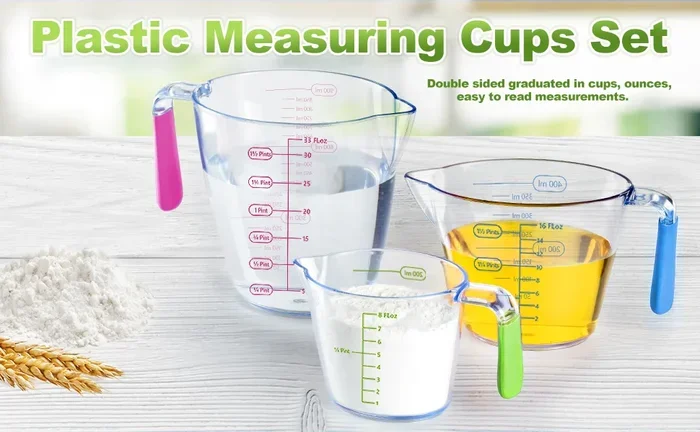
Liquid measuring cups and dry measuring cups are designed differently. A liquid cup has a pouring spout and is meant to be filled to the line. A dry measuring cup is meant to be filled and leveled. Using a liquid cup for dry ingredients or vice versa leads to inaccurate amounts.
Not Checking the Temperature of Ingredients
Butter, eggs, and milk all behave differently at different temperatures. Cold butter does not cream the same way as room-temperature butter. This affects the texture of your final product. Always check your recipe for temperature instructions.
Ignoring the Difference Between Weight and Volume
This brings us back to oz in a cup. Fluid ounces and dry ounces are not the same. When a recipe says 8 ounces, check whether it means fluid ounces or weight ounces. If it says weight, a kitchen scale is the only accurate tool.
Quick Tips for Better Measurements
- Always level dry ingredients with a straight edge.
- Read liquid measurements at eye level, not from above.
- Use room-temperature ingredients unless the recipe says otherwise.
- Invest in a digital kitchen scale for the most accurate results.
- Keep a conversion chart pinned near your cooking station.
Tools and Tips for Perfect Measurements
The right tools make all the difference. You do not need expensive equipment, but you do need the right basics.
Measuring Cups and Their Uses
A basic set of measuring cups should include 1 cup, 1/2 cup, 1/3 cup, and 1/4 cup sizes. For dry ingredients, use the flat-edge versions. For liquids, use a glass or plastic cup with clear markings and a pour spout.
Measuring spoons are equally important for small amounts. A set that includes 1 tablespoon, 1 teaspoon, 1/2 teaspoon, and 1/4 teaspoon covers most recipes.
Why a Kitchen Scale Is a Game Changer
A kitchen scale removes all the guesswork. Instead of measuring by volume, you measure by weight. This is especially helpful for baking, where precision is critical. Professional bakers almost always use scales, and home cooks benefit greatly from them too.
Digital scales are affordable and easy to use. Simply place your bowl on the scale, hit zero, and add ingredients until you reach the desired weight. No more scooping, leveling, or estimating.
Other Essential Measuring Tools
- Liquid measuring pitcher: Great for larger volumes of liquids like water or stock.
- Measuring spoons: Essential for spices, leavening agents, and extracts.
- Kitchen thermometer: Useful for checking oil temperature or internal meat temperatures.
- Timer: Helps you track cooking times accurately.
If you are setting up a kitchen and want to organize your space efficiently, consider how you store your measuring tools. A dedicated drawer or hook system keeps everything within reach. This is similar to how you might plan where to put a treadmill in your home — the key is making the equipment easy to access and use regularly.
Quick Conversion Reference Chart
Here is a handy reference for common conversions. Bookmark this section for quick access while cooking.
- 1 cup = 8 fluid ounces = 16 tablespoons = 48 teaspoons
- 3/4 cup = 6 fluid ounces = 12 tablespoons
- 2/3 cup = 5 fluid ounces = 10 tablespoons + 2 teaspoons
- 1/2 cup = 4 fluid ounces = 8 tablespoons
- 1/3 cup = 2.7 fluid ounces = 5 tablespoons + 1 teaspoon
- 1/4 cup = 2 fluid ounces = 4 tablespoons
For dry ingredient weights, remember that each ingredient has a different density. Always check a reliable conversion chart for the specific ingredient you are using. When shopping for quality measuring tools, you might visit a store in person, much like you would where to buy a treadmill in my area — checking out the options and feeling the quality before committing.
When to Measure by Weight Instead of Volume
Some recipes work better with weight measurements. Here are the situations where weighing ingredients is the best approach:
- Baking bread: Flour hydration ratios are critical. Even small variations change the crumb structure.
- Making pastry: Too much or too little flour affects flakiness and texture.
- Precision cooking: If you are following a professional recipe, it likely uses weight measurements.
- Scaling recipes: Doubling or halving a recipe is much easier with a scale than with volume measurements.
When you buy your first kitchen scale, look for one that measures in both grams and ounces. This gives you flexibility to follow recipes from any country. Much like when you go to a store to buy a treadmill in person, you want to check the features and make sure it fits your needs before purchasing.
Final Thoughts on Oz in a Cup
Understanding oz in a cup is one of the most practical skills you can build in the kitchen. Whether you are measuring liquids or dry ingredients, knowing the difference between fluid ounces and weight ounces helps you cook with confidence. The 8-fluid-ounce rule for liquids is simple and reliable. For dry ingredients, remember that weight varies and a kitchen scale is your best investment.
Accurate measurements lead to better food. They reduce waste, save time, and take the stress out of cooking. Start using the tips and tools in this guide, and you will notice the difference in your dishes right away. Keep a conversion chart handy, use the right tools, and never underestimate the power of a well-measured ingredient.
Next time you step into the kitchen, take a moment to measure carefully. Your taste buds will thank you. And if you are ever in the market for new kitchen equipment, remember to compare options and choose quality tools that will serve you for years to come.
Frequently Asked Questions
How many fluid ounces are in a standard cup?
A standard US cup contains 8 fluid ounces. This applies to liquids like water, milk, oil, and broth. This is the most common conversion used in American recipes and cooking.
Does 1 cup of flour equal 8 ounces?
No, 1 cup of all-purpose flour weighs approximately 4.5 dry ounces, not 8. The weight varies by ingredient because dry ingredients have different densities. Always check the specific weight for each ingredient you are measuring.
Can I use a liquid measuring cup for dry ingredients?
It is not recommended. Liquid measuring cups are designed to measure volume at eye level and are not meant to be filled and leveled like dry measuring cups. Using the wrong type leads to inaccurate measurements and inconsistent results.
How do I convert between metric and US cup measurements?
A US cup is 240 milliliters, while a metric cup is 250 milliliters. To convert, multiply the number of cups by 240 for US or 250 for metric. A kitchen scale also helps bridge the gap between systems by measuring in grams.
Why is my baking coming out dry or dense?
Over-measuring flour is the most common cause. When you scoop flour directly into a measuring cup, you pack in too much. Use the spoon-and-level method or a kitchen scale for accurate results. This single change can transform your baking.
Should I measure ingredients by weight or volume?
Weight measurements are more accurate, especially for baking. Volume measurements work well for liquids and rough estimates for dry ingredients. A kitchen scale gives you the most consistent and reliable results every time you cook or bake.
=== CONCLUSION ===
Mastering oz in a cup is a foundational cooking skill that pays off every time you step into the kitchen. The key is understanding that fluid ounces and dry ounces are not the same, and that a cup of liquid equals 8 fluid ounces while a cup of dry ingredients varies by weight. Use the right tools, follow the tips in this guide, and always measure with care. Your cooking will be more consistent, more enjoyable, and more delicious as a result.