Your Guide to the Perfect Temperature for Filet Mignon
Finding the perfect temperature for filet mignon is the key to a restaurant-quality steak at home. This guide covers ideal internal temperatures for every doneness level, from rare to well done, plus expert cooking methods and tips. Whether you are pan-searing, oven-finishing, or using sous vide, you will learn exactly how to get a juicy, tender filet mignon every single time.
There is something truly special about a perfectly cooked filet mignon. It is tender, juicy, and melts in your mouth like nothing else on the plate. But achieving that perfect bite comes down to one critical factor: temperature. Whether you are a seasoned home cook or just starting out in the kitchen, understanding the perfect temperature for filet mignon will transform your cooking forever.
Filet mignon is cut from the beef tenderloin, which is one of the most tender muscles on the entire cow. Because it is so lean, it does not have the same fat marbling as ribeye or strip steak. This means it cooks faster and can dry out quickly if you are not careful. The good news is that with the right cooking temperature and a little know-how, you can achieve steakhouse results right in your own kitchen.
In this guide, we will walk you through everything you need to know. We will cover the ideal internal steak temperatures for every level of doneness, the best cooking methods, common mistakes to avoid, and expert tips that will take your filet mignon from good to absolutely unforgettable.
Key Takeaways
- Medium rare (130-135°F) is the gold standard for filet mignon, delivering the best balance of flavor, juiciness, and tenderness.
- Always use a meat thermometer to check the internal temperature accurately and avoid guesswork.
- Let your steak rest for 5-10 minutes after cooking to allow juices to redistribute throughout the meat.
- Searing creates a flavorful crust but does not significantly affect the internal temperature of the steak.
- Filet mignon is leaner than other cuts, so it cooks faster and requires close attention to avoid overcooking.
- Sous vide offers the most precise temperature control for those who want perfectly consistent results every time.
📑 Table of Contents
- Why Temperature Matters So Much for Filet Mignon
- Ideal Temperatures for Every Doneness Level
- How to Cook Filet Mignon to Perfection
- Tools You Need for Perfect Results
- Common Mistakes That Ruin Filet Mignon
- Serving and Pairing Your Filet Mignon
- Final Thoughts on the Perfect Temperature for Filet Mignon
Why Temperature Matters So Much for Filet Mignon
Temperature is the single most important factor when cooking filet mignon. Unlike fattier cuts that can forgive a few extra minutes on the heat, filet mignon is lean and delicate. A few degrees can mean the difference between a perfectly juicy steak and a dry, tough disappointment.
Understanding Doneness Levels
Every steak lover has their preference when it comes to how they like their meat cooked. The internal temperature determines the level of doneness, and each level changes the texture, juiciness, and flavor of the steak in a big way.
Here is a quick breakdown of what happens inside the meat at different temperatures:
- Rare (120-125°F): The center is bright red and very soft. The steak feels almost cool in the middle. This is for those who love a truly raw-feeling center.
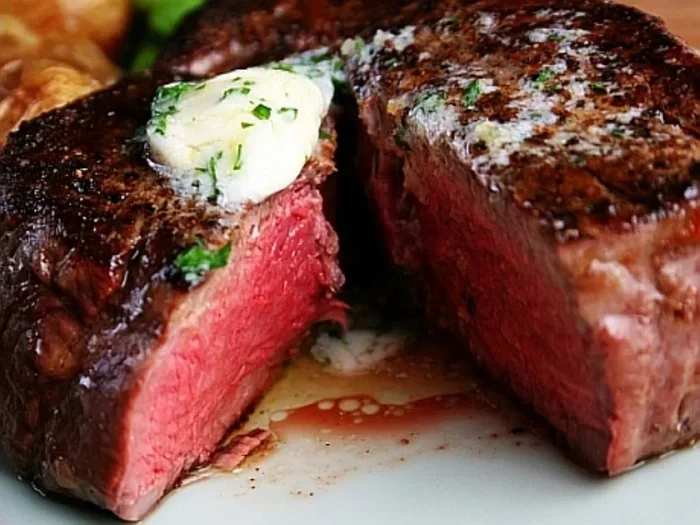
- Medium Rare (130-135°F): The center is warm and red with a soft, juicy texture. This is widely considered the sweet spot for filet mignon.
- Medium (140-145°F): The center is pink and firmer. Juiciness starts to decrease slightly, but many people still enjoy this level.
- Medium Well (150-155°F): Very little pink remains. The steak is noticeably drier and firmer.
- Well Done (160°F and above): No pink at all. The steak is fully cooked through, but it loses a significant amount of moisture and tenderness.
The Science Behind Cooking Steak
When you apply heat to a steak, the proteins inside the meat begin to denature, or unwind. As the temperature rises, muscle fibers contract and squeeze out moisture. This is why a well-done filet mignon can feel dry compared to a medium rare steak. The lower you keep the internal temperature, the more juices the meat retains.
Another important factor is the carryover cooking effect. After you remove the steak from the heat, the internal temperature continues to rise by about 5 degrees Fahrenheit. This is why experienced cooks pull the steak off the heat a few degrees before it reaches the target temperature. It is a small detail that makes a huge difference in the final result.
Ideal Temperatures for Every Doneness Level
Knowing the exact filet mignon temperature for each level of doneness is essential. Below is a detailed guide to help you hit your target every single time.
Rare: 120-125°F
A rare filet mignon has a cool, bright red center. The texture is very soft and almost raw-feeling. This temperature works best for people who want to taste the pure, natural flavor of the beef without the influence of heat. If you order rare at a restaurant, this is what you are getting.
Keep in mind that filet mignon is leaner than other steaks, so a rare cook can sometimes feel a bit too soft for some palates. If this is your first time cooking filet mignon, you might want to try medium rare first.
Medium Rare: 130-135°F
This is the gold standard for filet mignon. The center is warm and red, with a buttery soft texture that practically melts on your tongue. Most chefs and steak enthusiasts agree that medium rare brings out the best in this cut. The fat has just enough time to render, adding richness without drying out the meat.
If you have never tried filet mignon at medium rare, you are truly missing out. It is the perfect balance of juiciness, tenderness, and flavor. This is the temperature we recommend for your first attempt.
Medium: 140-145°F
At medium, the center turns pink and the texture firms up a bit. The steak is still juicy, but you will notice a slight decrease in moisture compared to medium rare. Some people prefer this level because it feels safer and more cooked through without going too far.
If you are cooking for a group with mixed preferences, medium is a safe middle ground that most people will enjoy.
Medium Well and Well Done: 150°F and Above
We generally do not recommend cooking filet mignon past medium. Because this cut is so lean, higher temperatures strip away the moisture and tenderness that make it special. A well-done filet mignon can taste more like a piece of chicken breast than the luxurious steak it is meant to be.
That said, some people simply prefer their steak cooked more thoroughly. If that is you, try brining the filet mignon beforehand or adding a bit of butter during cooking to help retain moisture.
How to Cook Filet Mignon to Perfection
Now that you know what temperatures to aim for, let us talk about how to actually cook the steak. There are several methods that work beautifully for filet mignon, and each one has its own advantages.
Pan-Searing: The Classic Method
Pan-searing is the most popular way to cook filet mignon at home, and for good reason. It creates a beautiful, caramelized crust on the outside while keeping the inside perfectly tender. Here is how to do it step by step.
- Take the steak out of the refrigerator 30 to 45 minutes before cooking. Let it come to room temperature. This helps the steak cook more evenly.
- Pat the steak dry with paper towels. Moisture is the enemy of a good sear. The drier the surface, the better the crust.
- Season generously with salt and freshly cracked black pepper. You can also add garlic powder or a touch of smoked paprika if you like.
- Heat a cast iron skillet over high heat until it is smoking hot. Add a high smoke-point oil like avocado oil or clarified butter.
- Place the steak in the pan and do not touch it for 2 to 3 minutes. Let the crust form. Then flip and cook for another 2 to 3 minutes.
- Add butter, garlic, and fresh thyme to the pan during the last minute. Spoon the melted butter over the steak continuously for extra flavor.
- Check the internal temperature with a meat thermometer inserted into the thickest part of the steak.
- Remove the steak and let it rest on a cutting board for at least 5 minutes before slicing.
The total cooking time for a 1.5-inch thick filet mignon is usually around 4 to 6 minutes for medium rare. But always trust your thermometer over the clock.
Oven Finish: For Thicker Cuts
If your filet mignon is thicker than 2 inches, the oven finish method works wonders. After searing both sides in a hot skillet, transfer the pan to a preheated oven at 400°F. Cook for about 5 to 8 minutes, checking the internal temperature frequently. This method gives you an even cook from edge to center without burning the outside.
Sous Vide: The Precision Method
Sous vide cooking is the ultimate way to hit your target steak temperature with absolute precision. You seal the seasoned filet mignon in a vacuum bag and submerge it in a water bath set to your exact desired temperature. For medium rare, set it to 130°F and cook for 1 to 2 hours.
After the sous vide bath, give the steak a quick sear in a blazing hot skillet for about 30 seconds per side. This adds that gorgeous crust without raising the internal temperature much at all. Sous vide is perfect for people who want restaurant-level consistency every single time.
Tools You Need for Perfect Results
You do not need a lot of fancy equipment to cook a great filet mignon, but a few key tools will make a world of difference.
Meat Thermometer: Your Best Friend
A good digital meat thermometer is the single most important tool for cooking steak. Instant-read thermometers give you a reading in just a few seconds and take all the guesswork out of cooking. You can find reliable ones for under 20 dollars, and they will completely change your cooking game.
Insert the thermometer into the thickest part of the steak, away from the bone or fat. Make sure the probe is in the center of the meat for the most accurate reading. Avoid touching the pan or the surface of the steak, as this can give you a false reading.
Other Essential Tools
- Cast iron skillet: Retains heat incredibly well and creates an even, beautiful sear.
- Tongs: For flipping the steak without piercing it and losing juices.
- Resting rack: Keeps the steak elevated while it rests, preventing a soggy bottom.
- Butter and fresh herbs: Simple ingredients that elevate the flavor dramatically.
Common Mistakes That Ruin Filet Mignon
Even experienced cooks can make mistakes when preparing filet mignon. Here are the most common errors and how to avoid them.
Skipping the Rest Period
This is the number one mistake people make. Cutting into a steak immediately after cooking causes all those beautiful juices to run out onto the cutting board instead of staying inside the meat. Always let your filet mignon rest for at least 5 minutes, and up to 10 minutes for thicker cuts. The carryover temperature will continue to rise during this time, bringing the steak to its final perfect doneness.
Cooking from Cold
Placing a cold steak straight from the refrigerator into a hot pan leads to uneven cooking. The outside overcooks while the center stays too cold. Taking the steak out 30 to 45 minutes early allows it to warm up and cook more evenly throughout.
Not Drying the Surface
Moisture creates steam, and steam prevents browning. If you skip the step of patting the steak dry, you will end up with a gray, steamed exterior instead of a gorgeous, caramelized crust. Always blot the surface with paper towels before seasoning and searing.
Moving the Steak Too Much
When the steak hits the hot pan, resist the urge to move it around. Let it sit undisturbed for at least 2 to 3 minutes to develop a proper sear. Moving it too often prevents the crust from forming and can lead to a tough exterior.
Serving and Pairing Your Filet Mignon
Once your filet mignon is cooked to the perfect temperature, the next step is serving it right. A great presentation and the right sides can turn a good steak into an unforgettable meal.
Slice the steak against the grain for maximum tenderness. This is especially important for filet mignon, which can be slightly chewy if cut with the grain. Use a sharp knife and cut into thin slices at a slight angle.
Classic pairings for filet mignon include roasted garlic mashed potatoes, sautéed green beans, creamed spinach, or a simple mixed green salad with a tangy vinaigrette. A bold red wine like Cabernet Sauvignon or Malbec pairs beautifully with the rich, buttery flavor of filet mignon.
For an extra touch of elegance, top the sliced steak with a pat of herb butter or drizzle it with a red wine reduction sauce. These small finishing touches make a big impact and will impress any dinner guest.
Final Thoughts on the Perfect Temperature for Filet Mignon
Cooking the perfect filet mignon is not about being a professional chef. It is about understanding temperature, respecting the cut, and paying attention to the details. With the right internal steak temperature, a good pan, and a reliable thermometer, you can serve a steak that rivals any restaurant in town.
Remember, medium rare at 130-135°F is the sweet spot for most people. It brings out the best in the tenderloin’s natural flavor while keeping the meat juicy and succulent. But ultimately, the perfect temperature is the one that makes you and your guests the happiest.
So go ahead, fire up your stove, and give it a try. Once you taste a perfectly cooked filet mignon made in your own kitchen, you will never go back to ordering takeout again.
Frequently Asked Questions
What is the best temperature for filet mignon?
The best temperature for filet mignon is 130-135°F for medium rare. This is the sweet spot that most chefs and steak lovers agree on. It gives you a warm, red center with maximum juiciness and tenderness. If you prefer your steak more cooked, medium at 140-145°F is the next best option.
How long should I rest my filet mignon after cooking?
Let your filet mignon rest for at least 5 minutes, and up to 10 minutes for thicker cuts. Resting allows the juices to redistribute throughout the meat, so they stay inside the steak instead of running out onto the plate. This simple step makes a noticeable difference in the final result.
Can I cook filet mignon in the oven without searing it first?
Yes, you can cook filet mignon in the oven without searing, but you will miss out on the flavorful crust that searing provides. For the best results, sear the steak in a hot skillet first and then finish it in the oven at 400°F for about 5 to 8 minutes. This gives you the perfect balance of texture and flavor.
How do I know if my filet mignon is done without a thermometer?
You can use the touch test as a rough guide. Press the center of the steak with your finger. A rare steak feels very soft, like the fleshy part of your palm below your thumb when your hand is relaxed. Medium rare feels slightly firmer, like the area between your thumb and index finger when you touch them together. However, a thermometer is always the most accurate method.
Why does my filet mignon keep coming out dry?
Dry filet mignon is usually caused by overcooking or not letting the steak rest. Because filet mignon is lean, it has less fat to keep it moist. Cook it to no more than medium and always let it rest for at least 5 minutes. Also, make sure you are not cooking it straight from the fridge, as uneven cooking can lead to a dry exterior before the center is done.
Is sous vide worth it for cooking filet mignon?
Yes, sous vide is absolutely worth it if you want perfectly consistent results. It allows you to hold the steak at your exact target temperature for hours, ensuring edge-to-edge perfection. After the sous vide bath, a quick 30-second sear on each side adds a beautiful crust without affecting the internal temperature. It is the most precise method available for home cooks.
=== CONCLUSION ===
The perfect temperature for filet mignon comes down to understanding your doneness preference and using a reliable meat thermometer. Whether you love a rare steak at 120°F or prefer a classic medium rare at 130-135°F, the key is to cook with precision and let the steak rest properly afterward. With the tips and methods shared in this guide, you are fully equipped to prepare a filet mignon that is juicy, tender, and bursting with flavor. So grab your skillet, season that steak, and get cooking. Your perfect filet mignon is just minutes away.