
The Best Cornish Hen Recipes for an Unforgettable Meal
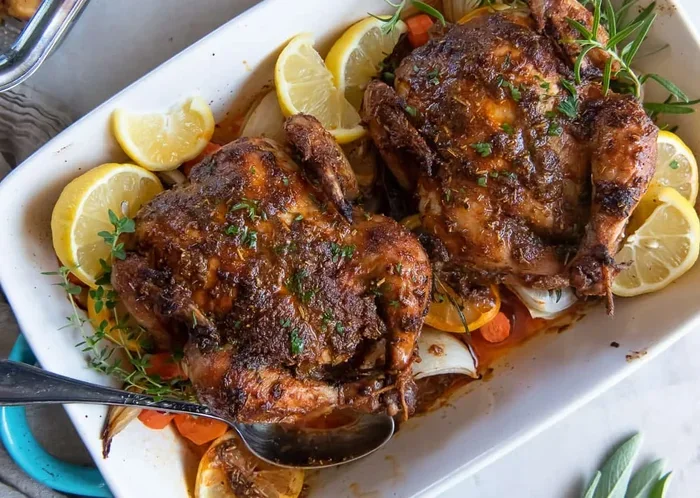
Cornish hen recipes are the easiest way to elevate any dinner into something special. These small, tender birds cook fast and look impressive on any table. Whether you roast, grill, or use an air fryer, the results are always delicious. This guide covers everything from basic prep to bold flavor ideas. You will find simple tips, trusted recipes, and common mistakes to avoid.
There is something magical about a perfectly cooked cornish hen. It looks elegant, tastes incredible, and fits right on a dinner plate like a work of art. If you have never tried one, you are missing out on a truly special meal. This guide walks you through the best cornish hen recipes you can make at home. You will learn how to cook them, what to serve alongside, and how to avoid common pitfalls. Whether you are a beginner or a seasoned cook, these tips will help you create a memorable dinner every single time.
The beauty of cornish hen lies in its simplicity. You do not need fancy equipment or hard-to-find ingredients. A few spices, some butter, and a hot oven are all you need to get started. These small birds cook fast, which makes them perfect for weeknight dinners or weekend entertaining. Let us dive into everything you need to know about cooking cornish hen the right way.
Key Takeaways
- Cornish hen is a small, tender bird perfect for individual servings and elegant dinners.
- Roasting, grilling, and air frying are the three most popular cooking methods.
- Proper seasoning and brining make a huge difference in flavor and moisture.
- Pair cornish hen with roasted vegetables, wild rice, or garlic mashed potatoes.
- Cooking time is short, usually 45 to 75 minutes depending on the method.
- Avoid overcooking by using a meat thermometer and resting the bird before serving.
- Cornish hen vs chicken matters because the smaller size changes cooking time and texture.
📑 Table of Contents
What Is a Cornish Hen?
A cornish hen is a small breed of chicken, typically weighing between one and two pounds. Despite the name, it is not actually from Cornwall. It is a young, small chicken that has been bred to be compact and tender. Many people think of it as a fancy version of regular chicken, and in many ways, that is true. The meat is more delicate and the bones are smaller, which makes it easy to eat with a fork.
You will often see cornish hen served at fancy restaurants or holiday tables. But there is no reason you cannot make one at home. The small size also means each person gets their own bird, which makes plating and serving a breeze. If you have ever wondered what the difference is between cornish hen vs chicken, it mostly comes down to size, age, and texture. Cornish hen meat is leaner and more tender than a full-grown chicken.
Why Choose Cornish Hen for Dinner?
There are plenty of reasons to pick cornish hen for your next meal. First, the portion size is perfect for individual servings. Each guest gets their own bird, which feels special and personal. Second, the cooking time is much shorter than a whole chicken. You can have a beautifully roasted bird on the table in less than an hour. Third, the flavor is mild and slightly sweet, which pairs well with almost any seasoning or sauce.
Cornish hen also makes a great canvas for creative recipes. You can keep it simple with just salt, pepper, and butter. Or you can go bold with spicy rubs, citrus marinades, or herb stuffing. The possibilities are truly endless. If you want a dinner that feels elevated without a lot of effort, cornish hen is the answer.
Top Cornish Hen Recipes You Need to Try
Now let us get to the fun part. Here are some of the best cornish hen recipes you can try at home. Each one brings something different to the table, so you can pick the one that fits your mood and ingredients.
Classic Roasted Cornish Hen
The classic roasted cornish hen is the gold standard. It is simple, reliable, and always delivers beautiful results. Start by patting the bird dry with paper towels. This helps the skin get crispy in the oven. Then rub the outside with softened butter and sprinkle with salt, pepper, garlic powder, and paprika. If you want extra flavor, tuck a few lemon slices and fresh herbs inside the cavity.
Preheat your oven to 425 degrees Fahrenheit. Place the cornish hen breast-side up on a rack inside a roasting pan. Roast for about 55 to 65 minutes until the internal temperature reaches 165 degrees Fahrenheit. Let the bird rest for ten minutes before cutting into it. The juices will redistribute, and the meat will be even more tender. This recipe is a foolproof way to impress guests without spending all day in the kitchen.
Air Fryer Cornish Hen
If you own an air fryer, you are in for a treat. Air fryer cornish hen comes out with incredibly crispy skin and juicy meat. The hot circulating air cooks the bird evenly and quickly. Start by seasoning the hen with olive oil, salt, pepper, and your favorite herbs. A mix of rosemary and thyme works beautifully here.
Place the cornish hen in the air fryer basket at 375 degrees Fahrenheit. Cook for about 30 to 35 minutes, flipping halfway through. Check the internal temperature to make sure it reaches 165 degrees Fahrenheit. The air fryer method uses less oil and saves time. It is a great option for busy weeknights when you want something delicious without the fuss.
Grilled Lemon Herb Cornish Hen
Grilling adds a smoky flavor that takes cornish hen to the next level. A grilled lemon herb cornish hen is perfect for summer dinners or backyard gatherings. Start by marinating the bird in a mix of olive oil, lemon juice, minced garlic, and fresh herbs. Let it sit in the fridge for at least one hour, or overnight for the best flavor.
Preheat your grill to medium-high heat. Place the cornish hen on the grate and cook for about 40 to 50 minutes. Turn it occasionally to get even grill marks. The skin should be golden brown and slightly charred. Use a meat thermometer to check that the internal temperature hits 165 degrees Fahrenheit. Serve this with a squeeze of fresh lemon and a side of grilled vegetables for a complete summer meal.
How to Cook Cornish Hen Like a Pro
Cooking cornish hen is not hard, but a few pro tips can make a big difference. First, always bring the bird to room temperature before cooking. Take it out of the fridge about 30 minutes ahead. This helps it cook more evenly and reduces the risk of a dry exterior with a raw center.
Second, brining is a game changer. Soak the cornish hen in a saltwater solution for two to four hours before cooking. This adds moisture and flavor deep into the meat. A simple brine of four cups of water, one-quarter cup of salt, and two tablespoons of sugar works perfectly. After brining, pat the bird dry and season as desired.
Third, use a meat thermometer. This is the single most important tool for perfectly cooked poultry. Insert it into the thickest part of the thigh, making sure it does not touch the bone. When the temperature reads 165 degrees Fahrenheit, the bird is done. Let it rest for at least five to ten minutes before serving. This resting period allows the juices to settle, resulting in a much more flavorful bite.
Cornish Hen Cooking Time and Temperature Guide
Every cooking method has a slightly different time and temperature. Here is a quick guide to help you plan your meal. For roasting at 425 degrees Fahrenheit, plan on 55 to 65 minutes. For air frying at 375 degrees Fahrenheit, aim for 30 to 35 minutes. For grilling over medium-high heat, count on 40 to 50 minutes. Always verify the internal temperature with a thermometer. These numbers are guidelines, and every oven or grill varies slightly.
Another important factor is the size of the bird. Larger cornish hens may need a few extra minutes, while smaller ones will cook faster. Keep an eye on the color of the skin as well. Golden brown and crispy skin is a great visual cue that your bird is done. Do not rely solely on time. Trust the thermometer and your senses.
Best Side Dishes for Cornish Hen
Cornish hen pairs wonderfully with a variety of sides. The right accompaniment can turn a simple meal into a feast. Here are some ideas to complete your plate.
Roasted vegetables are a natural pairing. Think carrots, parsnips, Brussels sprouts, and sweet potatoes. Toss them with olive oil, salt, and pepper, and roast them on the same sheet pan as the hen. The flavors meld together beautifully.
Garlic mashed potatoes add comfort and richness. Creamy potatoes balance the lean meat perfectly. Wild rice pilaf brings a nutty flavor and a lovely texture contrast. For something lighter, a fresh mixed green salad with a lemon vinaigrette works wonders. Crusty bread is also great for soaking up any leftover juices from the pan.
When planning your cornish hen sides, think about color and texture on the plate. A bright green vegetable, an orange root vegetable, and a golden starch create a beautiful and balanced meal. Keep the sides simple so the star of the show, the cornish hen, stays front and center.
Common Mistakes to Avoid When Cooking Cornish Hen
Even experienced cooks can make mistakes with cornish hen. The good news is that most of them are easy to avoid. Here are the most common pitfalls and how to steer clear of them.
Overcooking is the number one mistake. Cornish hen is small and lean, which means it dries out quickly if left too long in the oven or on the grill. Always use a meat thermometer and pull the bird as soon as it hits 165 degrees Fahrenheit. The carryover heat will continue cooking the meat slightly as it rests.
Skipping the drying step is another common error. If you do not pat the bird dry before seasoning, the skin will not get crispy. It will steam instead of roast, and you will miss out on that satisfying crunch. Take the extra two minutes to blot the hen thoroughly with paper towels.
Not letting the bird rest after cooking is a missed opportunity. Cutting into a hot cornish hen right away releases all the juices onto the cutting board instead of keeping them in the meat. Give it at least five minutes of rest. Your taste buds will thank you.
Using too much seasoning can also backfire. Cornish hen has a delicate flavor. Heavy spice blends can overpower it. Stick to simple seasonings like salt, pepper, garlic, and fresh herbs. Let the natural taste of the bird shine through.
Expert Tips for the Best Cornish Hen Every Time
Getting great results with cornish hen comes down to a few key habits. First, buy quality birds from a reputable source. Look for cornish hen that is plump, moist, and has a pleasant smell. Frozen birds work fine too, but make sure to thaw them completely in the fridge before cooking.
Second, do not be afraid to compound your butter. Mixing softened butter with minced garlic, chopped herbs, and a pinch of salt creates an incredible flavor booster. Slide some of this compound butter under the skin of the breast before roasting. The result is juicy, fragrant meat with a rich, savory flavor that will have everyone asking for seconds.
Third, save the pan drippings. After roasting, the juices left in the pan are liquid gold. You can use them to make a quick pan sauce by adding a splash of chicken broth and a squeeze of lemon. Pour it over the carved hen and the whole plate comes together beautifully.
Finally, experiment with global flavors. Cornish hen works with cuisines from around the world. Try a Moroccan-inspired spice rub with cumin, cinnamon, and coriander. Or go Asian with a soy-ginger glaze and sesame seeds. The small size of the bird makes it perfect for trying bold new flavors without committing to a large whole chicken.
How Much Cornish Hen Per Person
A good rule of thumb is one whole cornish hen per person. Since each bird is small, it makes an ideal individual portion. This is one of the reasons cornish hen is so popular for dinner parties and special occasions. Each guest gets their own beautifully plated bird, which adds a touch of elegance to any meal. If you are serving cornish hen as part of a larger spread with multiple sides, one bird per person is perfect. You can always add extra sides to fill out the plate.
If you are cooking for a crowd, plan ahead. A standard recipe for four cornish hens takes about an hour from prep to table. You can roast them all on the same sheet pan if they are similar in size. This makes entertaining much easier because you only need to monitor one pan. Pair the birds with a big platter of shared sides and you have a dinner that feels both intimate and abundant.
Conclusion
Cornish hen is one of the most underrated proteins you can cook at home. It is tender, flavorful, and surprisingly easy to prepare. From classic roasted cornish hen to air fryer and grilled versions, there is a recipe for every taste and occasion. The key is to keep things simple, use quality ingredients, and follow a few basic techniques. Bring the bird to room temperature, season it well, cook it to the right temperature, and let it rest before serving. Pair it with roasted vegetables, garlic mashed potatoes, or a fresh salad for a complete and satisfying meal.
Once you try cooking cornish hen at home, you will wonder why you did not start sooner. It is the kind of dish that turns an ordinary weeknight dinner into something memorable. So grab a bird from the store, pick a recipe from this guide, and get cooking. Your family and guests will love every bite. Happy cooking!
Frequently Asked Questions
What is a cornish hen exactly?
A cornish hen is a small, young chicken that typically weighs between one and two pounds. Despite the name, it is not from Cornwall, England. It is a specially bred bird known for its tender meat and small bones. Many people love cornish hen because it is perfect for individual servings and cooks much faster than a whole chicken.
How long does it take to cook a cornish hen?
Cooking time depends on the method you use. Roasted cornish hen takes about 55 to 65 minutes at 425 degrees Fahrenheit. Air fryer cornish hen cooks in 30 to 35 minutes at 375 degrees Fahrenheit. Grilled cornish hen needs 40 to 50 minutes over medium-high heat. Always use a meat thermometer to confirm the internal temperature reaches 165 degrees Fahrenheit.
Can you freeze cornish hen?
Yes, you can freeze cornish hen for up to six months. Wrap the bird tightly in plastic wrap and place it in a freezer-safe bag. Thaw it overnight in the refrigerator before cooking. Never thaw cornish hen at room temperature, as this can lead to bacteria growth. Proper freezing and thawing ensure the meat stays safe and delicious.
What is the difference between cornish hen and regular chicken?
The main differences are size, age, and texture. Cornish hen is much smaller, typically one to two pounds, and has more tender, lean meat. Regular chicken is larger and has more fat and connective tissue. Cornish hen is often served whole per person, while regular chicken is usually cut into pieces. The flavor of cornish hen is milder and slightly sweeter than regular chicken.
What are the best seasonings for cornish hen?
Simple seasonings work best for cornish hen. Salt, black pepper, garlic powder, and paprika create a classic flavor profile. Fresh herbs like rosemary, thyme, and sage add a wonderful aromatic touch. Lemon zest and garlic butter are also fantastic choices. The key is to keep the seasoning light so the natural flavor of the bird shines through.
Is cornish hen healthy?
Yes, cornish hen is a healthy protein option. It is lean and high in protein, with fewer calories than many other meats. A single cornish hen provides a good amount of B vitamins and minerals like iron and zinc. The health benefits depend on how you prepare it. Roasting or grilling with minimal added fat is the healthiest approach compared to deep frying.
=== CONCLUSION ===
Cornish hen is a versatile, elegant, and delicious protein that deserves a regular spot in your kitchen. Whether you roast it, grill it, or pop it in the air fryer, the results are always impressive. These recipes give you the confidence and knowledge to create an unforgettable meal with minimal effort. Start with the classic roasted version, then branch out to new flavors and techniques as you grow more comfortable. The best part is that cornish hen cooks fast, tastes amazing, and makes every dinner feel like a special occasion. Pick your favorite recipe from this guide, gather your ingredients, and enjoy the process of creating something truly delicious for yourself and the people you love.


