Read More About Residential Security Guard Jobs for Seniors
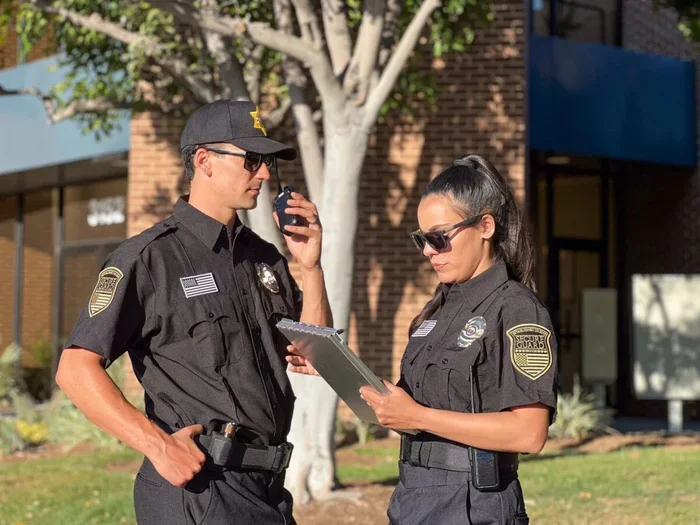
Residential security guard jobs for seniors offer a fantastic way to stay active, earn extra income, and serve your community. These roles combine light physical activity with meaningful work, making them ideal for retirees looking to stay engaged. From walking patrols to monitoring entry points, the job keeps you moving without being overly strenuous. Read on to learn everything you need to know about starting a career in residential security as a senior.
Residential security guard jobs for seniors are one of the best-kept secrets in the world of retirement careers. Many people assume that once you stop working full-time, your days are spent relaxing on the couch. But that is not the whole story. Plenty of older adults want to stay useful, stay social, and keep their bodies moving. Security guard work checks all those boxes and more.
The beauty of residential security roles is how approachable they are. You do not need to be a former athlete or a young gym-goer. The work is steady, predictable, and designed for people who can walk, stand, and observe their surroundings. If you are a senior looking for a purpose-driven job, this could be the perfect fit. Let us dive into everything you need to know.
Key Takeaways
- Stay Active and Engaged: Security guard work keeps seniors physically and mentally active with daily movement and social interaction.
- Low Physical Barrier to Entry: Most residential security roles do not require extreme fitness, making them accessible for older adults.
- Great Part-Time Income: Seniors can earn steady pay while enjoying flexible schedules that fit their lifestyle.
- Easy Certification Process: Getting started typically requires basic training and a security license, which many states offer to older workers.
- Health Benefits of Staying Mobile: Regular walking and patrol duties support heart health and joint mobility for seniors.
- Sense of Purpose and Community: Protecting residents gives seniors a strong sense of responsibility and belonging.
- Complementary Fitness Works: Activities like walking and light strength training help seniors perform security duties with ease.
📑 Table of Contents
- What Are Residential Security Guard Jobs for Seniors?
- Benefits of Working as a Senior Security Guard
- How to Get Started in Residential Security
- Staying Fit for the Job: Exercise Tips for Senior Security Guards
- Common Misconceptions About Senior Security Work
- How Much Can Senior Security Guards Earn?
- Key Takeaways
- Final Thoughts
What Are Residential Security Guard Jobs for Seniors?
Residential security guard jobs for seniors involve protecting homes, apartment complexes, gated communities, and other housing areas. The goal is simple: keep residents and property safe. But the day-to-day work is far from boring. It offers variety, human interaction, and a sense of pride.
Typical Duties You Will Handle
Most residential security roles include a mix of these responsibilities:
- Walking or driving patrols around the property
- Monitoring entry and exit points
- Checking visitor identification
- Responding to alarms or unusual activity
- Writing incident reports
- Communicating with residents and staff
- Operating security cameras and access systems
These tasks keep you on your feet but do not demand heavy lifting or extreme exertion. That makes them well-suited for older workers who want to stay moving without overexerting themselves.
Why Seniors Are a Great Fit for This Work
Seniors bring something unique to the security field. Life experience, strong communication skills, and a calm demeanor are huge assets. Residents often feel more comfortable around someone who looks and acts like a trusted neighbor. You also bring patience and reliability, which property managers value highly.
Plus, many seniors already have the discipline and work ethic that employers seek. You show up on time, you take your role seriously, and you care about doing a good job. That reputation goes a long way in any workplace.
Benefits of Working as a Senior Security Guard
The advantages of taking on residential security guard jobs for seniors go well beyond a paycheck. Let us look at the biggest benefits.
Physical Health and Mobility
One of the hidden perks of security work is that it keeps you physically active. Walking patrols, climbing stairs, and standing during shifts all contribute to better cardiovascular health. Regular movement is especially important for seniors who want to maintain joint flexibility and muscle strength.
In fact, many people wonder whether staying active through work counts as exercise. The answer is yes. Walking on patrol is similar to walking on a treadmill for seniors in terms of health benefits. Both activities get your heart rate up, improve circulation, and support overall wellness.
Mental Sharpness and Purpose
Staying mentally sharp is just as important as staying physically fit. Security work requires constant awareness, quick thinking, and problem-solving. These mental demands help keep your brain engaged and active.
There is also the emotional benefit of having a sense of purpose. Retirement can sometimes feel empty. Having a job where people depend on you gives structure to your day and a reason to get up in the morning. That sense of meaning is priceless.
Social Connection and Community
Loneliness is a real challenge for many seniors. Security guard work puts you in contact with residents, coworkers, and visitors every day. You build relationships and become a familiar face in your community. That social interaction can do wonders for your mood and mental health.
Flexible Scheduling
Many residential security positions offer part-time or shift-based schedules. This flexibility is a huge advantage for seniors who want to balance work with personal life. You can choose evening shifts, weekend shifts, or just a few hours a week. The work adapts to your needs, not the other way around.
How to Get Started in Residential Security
Getting into residential security guard jobs for seniors is easier than most people think. The process is straightforward and does not require years of training.
Step 1: Meet Basic Requirements
Most employers look for the following:
- Being at least 18 or 21 years old (some positions accept younger seniors)
- Having a high school diploma or equivalent
- Passing a background check
- Being physically capable of walking and standing for extended periods
- Holding a valid security license (requirements vary by state)
Age is rarely a barrier. In fact, many employers prefer mature workers because of their reliability and professionalism.
Step 2: Complete Security Training
Security training programs are widely available. They typically cover:
- Observation and reporting techniques
- Communication skills and conflict de-escalation
- Emergency response procedures
- Legal rights and responsibilities of security personnel
- First aid and CPR basics
These courses are short and practical. Many community colleges and vocational schools offer them, and some are even available online.
Step 3: Get Licensed
Security licensing requirements vary by state and country. Some areas require a formal license, while others only need on-the-job training. Check with your local regulatory agency to understand what you need. The process is usually quick and affordable.
Step 4: Apply to Residential Security Positions
Once you are trained and licensed, start applying. Look for openings with property management companies, gated communities, and residential associations. Online job boards, local staffing agencies, and community centers are great places to find opportunities.
Staying Fit for the Job: Exercise Tips for Senior Security Guards
You do not need to train like an athlete to do well in residential security. But staying in good shape makes the work easier and more enjoyable. Here are some practical tips.
Walking as Your Foundation
Walking is the core exercise for security guards. If you already walk patrols as part of your job, you are getting a solid workout. To build on that, try adding a daily walk outside of work hours. This builds stamina and keeps your legs strong.
Some seniors enjoy using equipment like a rowing machine to build endurance. Is a rowing machine a good workout for seniors? Absolutely. Rowing strengthens your legs, back, and arms without putting stress on your joints. It is a great complement to walking duties.
Strength Training for Everyday Tasks
Simple bodyweight exercises can help you stay strong for the demands of the job. Focus on:
- Squats to build leg strength for walking and standing
- Wall push-ups for upper body endurance
- Balance exercises to prevent falls during patrols
- Stretching routines to maintain flexibility
You do not need a gym membership. A few minutes of exercise at home each day goes a long way.
Low-Impact Cardio Options
If you want to add variety to your fitness routine, consider low-impact options. What is a good exercise bike for seniors? Stationary bikes are excellent because they provide cardio without jarring your joints. They are easy to use at home and fit into any schedule.
Quick Fitness Tips for Busy Security Guards
- Do a 5-minute stretch before every shift
- Take the stairs when possible during patrols
- Stay hydrated throughout your shift
- Wear supportive, comfortable footwear
- Rest when you need to — pushing through pain is not worth it
Common Misconceptions About Senior Security Work
Misconception 1: Seniors Cannot Handle Security Work
This could not be further from the truth. Many seniors excel in security roles because they bring calmness, experience, and strong judgment. Physical ability matters, but awareness and communication matter just as much.
Misconception 2: Security Jobs Are Only for Young People
The security industry actually benefits greatly from older workers. Property managers and residents alike appreciate the professionalism and reliability that seniors bring. Age is an advantage, not a limitation.
Misconception 3: You Need Expensive Equipment
Most residential security positions provide the equipment you need. Uniforms, flashlights, radios, and communication devices are typically supplied by the employer. You just need to show up prepared and ready to work.
How Much Can Senior Security Guards Earn?
Pay for residential security guards varies by location, experience, and employer. On average, part-time security guards earn between $15 and $25 per hour. Full-time positions may offer benefits like health insurance and paid time off.
For seniors looking for supplemental income, even a few shifts a week can make a meaningful difference. The pay is steady, and the work is accessible. Many seniors find that the social connections and sense of purpose are worth just as much as the paycheck.
Key Takeaways
- Residential security guard jobs for seniors offer a rewarding way to stay active and earn income after retirement.
- The work is physically manageable and focuses on walking, observing, and communicating rather than heavy labor.
- Seniors bring valuable life experience that makes them stand out in the security field.
- Getting started is simple — basic training, a security license, and a willingness to serve are all you need.
- Staying fit with walking, rowing, or cycling supports your performance and overall health on the job.
- The pay is fair and the schedule is flexible, making it ideal for retirees seeking part-time work.
Final Thoughts
Residential security guard jobs for seniors are more than just a paycheck. They are a chance to stay connected, stay healthy, and make a real difference in your community. The work is accessible, the benefits are real, and the satisfaction of protecting others is hard to beat.
If you are a senior who wants to stay active and purposeful, consider giving residential security a try. The training is simple, the requirements are reasonable, and the rewards are significant. You might just discover that this is the most fulfilling second chapter of your career.
Frequently Asked Questions
Do I need prior experience to become a residential security guard as a senior?
No, most entry-level residential security positions do not require prior experience. Employers value reliability, communication skills, and a calm demeanor, all of which many seniors already have. Basic training and a security license are typically all you need to get started.
Is residential security work physically demanding for older adults?
Not really. The work involves walking, standing, and observing rather than heavy lifting or intense physical activity. Many seniors find the pace manageable and even enjoy the light exercise that comes with patrol duties. Staying active with exercises like walking or using a stationary bike can help you feel even more prepared.
What kind of schedule can I expect as a senior security guard?
Residential security positions often offer flexible scheduling. You can choose part-time hours, evening shifts, or weekend-only work depending on your preferences. This makes it easy to balance the job with retirement activities, family time, and personal interests.
How much can a senior security guard earn per hour?
Part-time residential security guards typically earn between $15 and $25 per hour, depending on location and employer. Full-time positions may include additional benefits like health insurance and paid leave. Even a few shifts a week can provide meaningful supplemental income.
What certifications or licenses are needed for this job?
Requirements vary by state, but most areas require a basic security license. Training programs cover observation skills, communication, emergency response, and legal responsibilities. These courses are short, affordable, and widely available through community colleges and online platforms.
Can seniors with limited mobility still work in residential security?
Yes, many residential security roles offer positions that are less physically demanding, such as desk monitoring or visitor check-in duties. If walking patrols are challenging, you can discuss alternative roles with your employer. The key is finding a position that matches your abilities and keeps you comfortable.