
What Does It Mean If You Mortgage Something in Monopoly
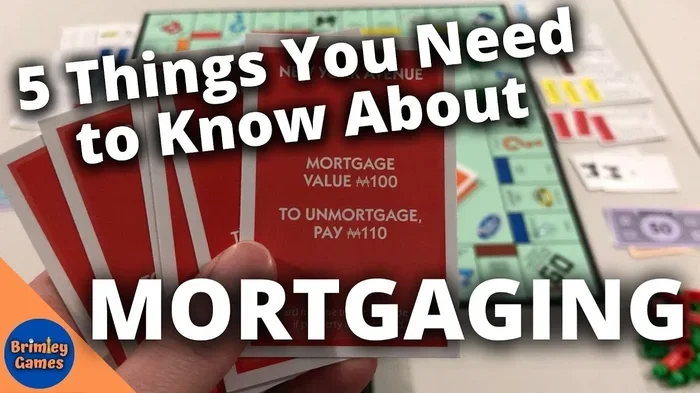
Mortgage something in Monopoly means turning a property card face-down to get cash from the bank. You collect no rent while it is mortgaged, but you can unmortgage it later by paying back the loan plus 10% interest. It is a key Monopoly strategy that helps you manage cash flow and stay in the game longer.
Have you ever been in a heated game of Monopoly and suddenly needed cash fast? Maybe you landed on a friend’s red hotel and lost half your stack of money. Or perhaps you want to buy a key property before someone else snatches it. That is where the mortgage mechanic comes in. If you have ever wondered what does it mean if you mortgage something in Monopoly, you are in the right place.
Mortgage something in Monopoly is one of the most useful yet misunderstood moves in the game. It is not just about giving up a property. It is a strategic tool that can save your game, shift the balance of power, and keep you in the running until the very end. Whether you are a beginner learning the ropes or a seasoned player sharpening your skills, understanding mortgages will level up your Monopoly game significantly.
Think of it like investing in a gym bike for your fitness routine. You might not use it every single day, but having it there gives you options. Similarly, mortgaging a property gives you financial flexibility when you need it most. Let us break down everything you need to know.
Key Takeaways
- Mortgage Basics: Mortgaging a property gives you instant cash but stops all rent collection.
- How to Mortgage: Flip the card face-down and collect the mortgage value from the bank.
- Unmortgaging Costs More: You must pay the mortgage value plus 10% to unmortgage.
- Smart Strategy: Mortgage weaker properties to keep strong ones developed.
- No Rent While Mortgaged: Opponents cannot collect rent on your mortgaged properties.
- House Rules Matter: Some groups play with different mortgage rules, so always clarify first.
- Cash Flow Is King: Mortgaging helps you survive tight financial spots in the game.
📑 Table of Contents
- What Does Mortgage Mean in Monopoly?
- How to Mortgage a Property Step by Step
- Why Players Choose to Mortgage Properties
- Smart Mortgage Strategies That Actually Work
- Common Mistakes Players Make When Mortgaging
- How Mortgage Rules Compare to Other Monopoly Mechanics
- Expert Tips for Managing Mortgages Like a Pro
- Conclusion
What Does Mortgage Mean in Monopoly?
In Monopoly, mortgaging a property means temporarily giving it to the bank in exchange for cash. You do not lose the property forever. You just pause its active status until you can afford to pay it back. The bank pays you the mortgage value printed on the property card. This value is exactly half of what it cost to buy the property originally.
Once a property is mortgaged, something important happens. You cannot collect rent from anyone who lands on it. The property is essentially frozen. It cannot be developed with houses or hotels either. This means you are trading rental income for immediate cash flow. That trade-off is the core of why mortgaging is both powerful and risky.
Here is a quick look at what happens when you mortgage a property:
- You flip the property card face-down.
- You receive the mortgage value from the bank.
- You stop collecting rent on that property.
- You cannot build houses or hotels on it.
- You can unmortgage it later by paying back the loan plus interest.
It is a simple mechanic, but the decisions around it can be complex. Knowing when to mortgage and when to hold on makes a huge difference in how the game plays out.
How to Mortgage a Property Step by Step
Mortgaging is straightforward once you know the steps. Here is exactly how it works during your turn.
Step 1: Choose the Right Property
Look at your property cards and decide which ones you are willing to temporarily give up. Focus on properties that are not part of a complete color set or ones that are unlikely to land on often. For example, if you own the Mediterranean Avenue but nobody has landed on it all game, it might be a good candidate to mortgage.
Step 2: Flip the Card Face-Down
Take the property card and turn it over so the back faces up. This signals to everyone at the table that the property is now mortgaged. No one can collect rent from it anymore.
Step 3: Collect the Mortgage Value
The bank pays you the mortgage amount listed on the card. This is typically half of the purchase price. For instance, if Baltic Avenue cost 60 dollars to buy, the mortgage value would be 30 dollars.
Step 4: Keep Track of Your Loans
Make sure you remember which properties are mortgaged and how much you owe to the bank. It is easy to lose track during a long game, especially when things get hectic and players are trading and negotiating.
Think of this process like planning your treadmill walking routine. You need to know exactly where you are at all times so you can adjust your pace and stay on track. The same applies to managing your Monopoly finances.
Why Players Choose to Mortgage Properties
There are several reasons why players decide to mortgage properties during a game. Understanding these reasons helps you make better decisions at the table.
You Need Cash to Buy a Critical Property
Sometimes a property comes up that could change the entire game. Maybe the orange set is available and you already own two of those properties. Having a mortgaged property gives you the cash to buy the third one and start building houses immediately.
You Are Low on Money and Need to Survive
Landing on expensive properties with hotels can wipe you out fast. If you are running low on cash, mortgaging a less valuable property keeps you alive in the game. You avoid going bankrupt and stay competitive.
You Want to Fund House and Hotel Builds
Building houses and hotels is how you really start earning serious money in Monopoly. But it costs a lot of cash upfront. Mortgaging properties you do not actively use frees up money to develop your best assets.
You Are Trading with Another Player
Sometimes you need to make a deal to complete a color set. You might mortgage a property to generate the cash needed to complete a trade or to pay off a debt from a previous deal.
Just like choosing between a stationary bike session and a kettlebell swing workout, each move in Monopoly has trade-offs. Mortgaging is no different. You give up something now to gain something better later.
Smart Mortgage Strategies That Actually Work
Mortgaging is not just about survival. When used correctly, it becomes a weapon in your strategy arsenal. Here are some proven approaches to get the most out of mortgaging.
Mortgage Properties Outside Your Main Color Set
If you have a strong color set that you are actively developing, do not mortgage those properties. Instead, mortgage properties that are not part of any set or properties on the less-trafficked parts of the board. This way, you keep your income stream flowing from your best assets.
Use Mortgages to Block Opponents
Here is a sneaky move. If you own all the properties in a color set but do not have enough money to build houses, consider mortgaging a different property to fund house construction on your set. This prevents opponents from completing their own sets and keeps your development advantage intact.
Mortgage Early, Unmortgage Later
Do not wait until you are almost out of cash to start mortgaging. Get ahead of the problem. Mortgage properties early in the game when you need a small cash boost. Then unmortgage them later when you have more money coming in from rent collection.
Keep Track of the 10% Unmortgage Penalty
When you unmortgage a property, you must pay the mortgage value plus 10% interest. This means if you mortgaged Baltic Avenue for 30 dollars, you need to pay 33 dollars to unmortgage it. Always factor this cost into your decisions. It is a small fee, but it adds up if you unmortgage multiple properties at once.
Think of this like managing your rowing machine workouts. You need a plan for each session, and you need to track your progress carefully. Random decisions lead to poor results. Strategic decisions lead to wins.
Common Mistakes Players Make When Mortgaging
Even experienced Monopoly players sometimes make mistakes with mortgages. Avoiding these errors will give you a clear edge at the table.
Mortgage Your Best Properties
This is the biggest mistake. Do not mortgage the properties that land on most often or the ones that are part of your strongest color set. You want those generating income as much as possible. Mortgage the properties that are collecting dust instead.
Forget You Cannot Build on Mortgaged Properties
Some players mortgage a property and then forget they cannot build houses or hotels on it. This is especially costly if you were planning to develop that property as part of a set. Always double-check which properties are mortgaged before making building decisions.
Mortgage Too Many Properties at Once
Getting cash is tempting, but mortgaging too many properties leaves you with very little income. If everyone is landing on your remaining properties, you will struggle to earn enough to unmortgage them all. Keep at least one or two active properties generating steady income.
Ignore the Unmortgage Cost
Players often forget the 10% penalty when unmortgaging. They assume they just pay back the mortgage value. This small oversight can drain your cash at the worst possible moment. Always calculate the full cost before deciding to unmortgage.
How Mortgage Rules Compare to Other Monopoly Mechanics
To really understand mortgages, it helps to see how they fit into the bigger picture of Monopoly rules. Here is a quick comparison of mortgages versus other key mechanics.
| Mechanic | What It Does | Cash Impact |
|---|---|---|
| Mortgage | Gives property to bank for cash | Receive half the purchase price |
| Sell Houses | Demolish houses for half their cost | Receive half the building cost back |
| Trade Properties | Exchange properties with other players | No direct cash involved |
| Sell to Bank | Sell property back to bank at half price | Receive half the purchase price |
| Unmortgage | Take property back from bank | Pay mortgage value plus 10% |
Notice that mortgaging and selling to the bank both give you half the purchase price. The key difference is that mortgaging is temporary. You can unmortgage the property later. Selling to the bank is permanent. You lose the property forever. This makes mortgaging the smarter choice in most situations because it keeps your options open.
Think of it like choosing between a exercise bike and a treadmill. Both get you a workout, but one gives you more flexibility. Mortgaging gives you flexibility. It lets you keep your property while accessing cash when you need it.
Expert Tips for Managing Mortgages Like a Pro
Here are some advanced tips from experienced Monopoly players that will help you use mortgages to your advantage.
Always keep at least one property unmortgaged in each color set you own. This ensures you always have some income flowing, even if you are low on cash. A small steady income is better than no income at all.
Use mortgages as part of your opening strategy. Early in the game, focus on acquiring as many properties as possible. Then mortgage the weaker ones to fund development of the stronger ones. This creates a strong foundation for the mid and late game.
Communicate with other players. Let them know you have mortgaged properties. This transparency builds trust and can lead to better trade negotiations. If players know you are low on cash, they might be more willing to trade with you.
Remember that mortgaged properties can still be traded. You can sell a mortgaged property to another player. The buyer will need to pay the mortgage value to unmortgage it immediately, or they can choose to keep it mortgaged. This creates interesting negotiation opportunities.
Watch your opponents’ mortgaged properties. If an opponent has several mortgaged properties, they are likely low on cash. This is the perfect time to make a trade or build houses on your own properties without worrying about them developing too quickly.
Conclusion
Mortgage something in Monopoly is far more than a simple financial move. It is a strategic decision that can shape the entire outcome of the game. Whether you use it to survive a cash crunch, fund critical property purchases, or block your opponents from developing, understanding mortgages puts you ahead of most players at the table.
The key is to mortgage smartly. Choose the right properties, keep track of your loans, and always factor in the unmortgage penalty. Do not mortgage your best assets, and never forget that mortgaging is temporary. You can always bring those properties back into play when you have the cash to support them.
Next time you sit down for a game night, remember these tips. Use mortgages as a tool, not a crutch. With the right strategy, you will be the one collecting rent on Boardwalk while everyone else is scrambling to stay afloat. Now go roll the dice and put these tips into action.
Frequently Asked Questions
Can you collect rent on a mortgaged property in Monopoly?
No, you cannot collect any rent on a mortgaged property. The property is inactive while mortgaged, which means opponents landing on it do not pay you anything. You must unmortgage it first to start collecting rent again.
What happens if you land on someone else’s mortgaged property?
Nothing happens. You do not owe any rent, and nothing occurs on your turn. The mortgaged property is essentially skipped. This is why smart players mortgage properties that are likely to be landed on, to remove the risk of paying rent on them.
Can you build houses on a mortgaged property?
No, you cannot build houses or hotels on any mortgaged property. All development is paused until the property is unmortgaged. You must pay back the mortgage plus 10% interest before you can start building again.
How much do you get when you mortgage a property?
You receive the mortgage value printed on the property card. This is always exactly half of the original purchase price. For example, if you bought a property for 100 dollars, the mortgage value is 50 dollars.
What is the cost to unmortgage a property?
To unmortgage, you must pay the full mortgage value plus 10% interest. So if the mortgage value was 50 dollars, the total unmortgage cost is 55 dollars. You can do this on your turn or even on another player’s turn.
Can you trade mortgaged properties with other players?
Yes, you can trade mortgaged properties. The buyer can choose to pay the mortgage value to unmortgage it immediately or keep it mortgaged. This adds an interesting layer to negotiations and trades during the game.


