How to Do Around the World with Dumbbells
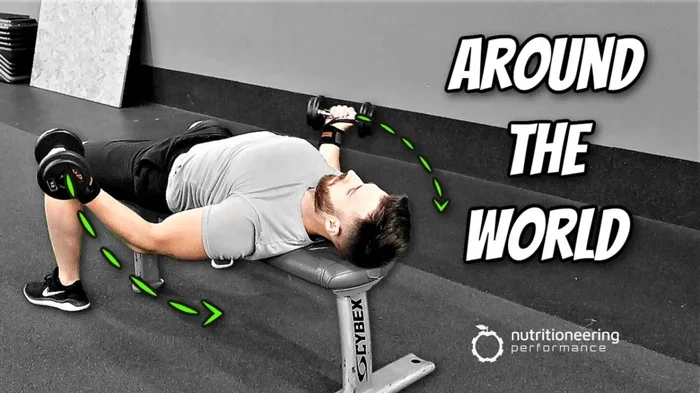
The around the world with dumbbells is a powerful shoulder and chest exercise that builds strength and mobility. This move targets your deltoids, traps, and upper chest while improving shoulder stability. Whether you are a beginner or advanced lifter, mastering this exercise will level up your home workouts and gym routines.
Key Takeaways
- Full Shoulder Workout: The around the world with dumbbells engages all three deltoid heads and surrounding muscles for complete shoulder development.
- Easy to Learn: With proper form and a light starting weight, anyone can add this movement to their routine safely.
- Great for Home Gyms: You only need a pair of dumbbells and a bit of space to perform this exercise effectively.
- Improves Shoulder Mobility: Regular practice enhances your range of motion and reduces injury risk in other lifts.
- Versatile Exercise: You can modify the pace, weight, and stance to match your fitness level and goals.
- Complements Other Exercises: Pair it with movements like the bent over row with dumbbells or chest exercises at home for a balanced upper body workout.
- Avoid Common Mistakes: Using too much weight or rushing the movement are the top errors beginners make.
📑 Table of Contents
- How to Do Around the World with Dumbbells: The Complete Guide
- What Is the Around the World with Dumbbells Exercise?
- Muscles Worked by the Around the World with Dumbbells
- Step-by-Step Instructions for the Around the World with Dumbbells
- Common Mistakes to Avoid
- Variations and Progressions for All Fitness Levels
- Benefits of the Around the World with Dumbbells
- How to Program Around the World with Dumbbells Into Your Workout
How to Do Around the World with Dumbbells: The Complete Guide
The around the world with dumbbells is one of the most effective shoulder exercises you can do with basic equipment. It combines rotation, pressing, and stabilization in one fluid motion. If you have ever seen someone circle dumbbells around their head at the gym, that is this exercise.
This movement works your front delts, side delts, rear delts, traps, and even your chest muscles. It is a compound exercise that saves time and delivers results. Best of all, you can do it at home with just a pair of dumbbells. No fancy machines needed.
In this guide, we will walk you through every step. You will learn the correct form, the muscles it targets, common mistakes, and how to progress over time. By the end, you will feel confident adding the around the world dumbbell movement to your next workout.
If you are new to dumbbell training, check out our guide on how to workout with dumbbells at home for beginners to build a solid foundation first.
What Is the Around the World with Dumbbells Exercise?
The around the world exercise involves moving a dumbbell in a circular path around your body. You start with the dumbbell at shoulder height and guide it in a full rotation. The motion circles from the front of your body to the back and returns to the starting position.
This exercise is also called the “around the world” or “circle press.” It is a dynamic movement that challenges your shoulders from multiple angles. Unlike a standard shoulder press, which moves up and down, the around the world adds a rotational element. This makes it more functional and engaging for your joints.
The movement can be done with one dumbbell or two. The single-arm version is more common and allows you to focus on one side at a time. The two-arm version is more advanced and requires better coordination.
Why Add Around the World to Your Routine?
Most shoulder exercises move in a straight line. Presses go up and down. Lifts go side to side. The around the world with dumbbells adds a circular path that mimics real-life movements. This improves your shoulder mobility and coordination.
It also hits muscles that isolation exercises miss. Your rotator cuff, traps, and upper chest all get involved. This makes it a great addition to any shoulder workout at home or gym session.
Muscles Worked by the Around the World with Dumbbells
Understanding which muscles you are working helps you train smarter. The around the world exercise is a multi-muscle movement. Here is a breakdown of the primary and secondary muscles involved.
Primary Muscles
- Anterior Deltoids (Front Shoulders): These muscles lead the movement as the dumbbell travels across the front of your body. They do the most work during the pressing phase.
- Lateral Deltoids (Side Shoulders): These muscles fire as the dumbbell moves to the side and overhead. They help control the arc of the movement.
- Trapezius: Your upper traps stabilize your shoulder blades throughout the rotation. They keep your shoulders grounded and safe.
Secondary Muscles
- Posterior Deltoids (Rear Shoulders): These muscles engage as the dumbbell passes behind your body. They help control the backward arc.
- Pectorals (Chest): Your chest muscles assist during the front portion of the movement. This makes it a bonus chest exercise at home as well.
- Rotator Cuff Muscles: These small but important muscles stabilize the shoulder joint during rotation. They are key for injury prevention.
- Core Muscles: Your abs and obliques work to keep your torso stable as you rotate the dumbbell. This adds a subtle core benefit.
Compared to a standard dumbbell shoulder press, the around the world hits more muscles from different angles. This makes it a highly efficient exercise for your upper body.
Step-by-Step Instructions for the Around the World with Dumbbells
Follow these steps carefully to perform the exercise with proper form. Quality always beats quantity, especially with this movement.
Step 1: Set Up Your Position
Stand with your feet shoulder-width apart. Keep your knees slightly bent. Hold a dumbbell in one hand at shoulder height. Your elbow should be bent and close to your body. Your palm should face forward. Brace your core and keep your chest up. This is your starting position.
For a dumbbell exercise for beginners, start with a lighter weight. You can always increase later. Focus on the movement pattern first.
Step 2: Begin the Rotation
Slowly raise the dumbbell forward and up. Guide it in a wide arc over your head. Keep your arm slightly bent throughout. Do not lock your elbow. The dumbbell should travel in a smooth circle around your head.
Move at a controlled pace. Do not rush. The entire rotation should take about 2 to 3 seconds. Feel your shoulder muscles working through every part of the arc.
Step 3: Complete the Circle
Continue the arc behind your body and back to the starting position. The dumbbell should return to your shoulder. Keep your core tight and your shoulders stable. Avoid leaning to either side.
Repeat for the desired number of reps on one arm. Then switch to the other arm. Aim for 8 to 12 reps per side to start.
Step 4: Breathe Properly
Exhale as you lift the dumbbell up and over. Inhale as it comes back down and around. Proper breathing helps you maintain control and stability throughout the movement.
Common Mistakes to Avoid
Even simple exercises can go wrong without proper technique. Here are the most common mistakes people make with the around the world with dumbbells.
Using Too Much Weight
This is the number one mistake. Heavy weights cause you to swing and use momentum. This takes the work away from your shoulders and puts your joints at risk. Start light and focus on form. You can always add weight once your movement is clean.
Rushing the Movement
The around the world is not a speed exercise. Moving too fast reduces muscle activation and increases injury risk. Slow and controlled is the way to go. Each rep should feel deliberate and smooth.
Locking Your Elbow
Keeping a slight bend in your elbow protects your joint. Locking your elbow transfers stress to the joint capsule. A soft elbow keeps the tension on the muscles where it belongs.
Leaning or Arching Your Back
Your torso should remain upright throughout. Leaning forward or arching your back shifts the workload away from your shoulders. It also strains your lower back. Keep your core engaged and your spine neutral.
Skipping the Warm-Up
Your shoulders need preparation before circular movements. Spend 5 to 10 minutes warming up with light cardio and dynamic stretches. Arm circles and shoulder rolls are great warm-up options. A proper warm-up improves performance and reduces injury risk.
Variations and Progressions for All Fitness Levels
The beauty of the around the world with dumbbells is that it works for everyone. You can adjust the movement to match your current fitness level. Here are some variations to try.
Beginner Variation: Seated Around the World
Sit on a bench or chair with back support. This reduces the balance demand and lets you focus on the shoulder movement. Use a lighter dumbbell. Perform 10 to 12 reps per arm. This is a great way to build confidence and proper motor patterns.
Intermediate Variation: Alternating Arms
Instead of completing all reps on one arm, alternate between arms after each rotation. This adds a coordination challenge and keeps your heart rate up. Try 8 reps per arm for 3 sets.
Advanced Variation: Two Dumbbells at Once
Hold a dumbbell in each hand and perform the rotation simultaneously. This doubles the challenge and demands serious shoulder stability. Use moderate weight and focus on keeping both arcs symmetrical.
Pro Tip: Combine with Other Exercises
Pair the around the world with dumbbells with complementary movements. Try following it up with bent over rows with dumbbells for a complete back and shoulder session. You can also follow it with shoulder shrugs with dumbbells to hit your traps from a different angle.
Benefits of the Around the World with Dumbbells
Beyond building shoulder strength, this exercise offers a range of benefits that make it worth your time.
1. Improved Shoulder Mobility
The circular motion takes your shoulders through a full range of motion. Over time, this improves your flexibility and joint health. Better mobility translates to better performance in other exercises like the bench press and overhead press.
2. Balanced Shoulder Development
Most people have stronger front delts from pressing movements. The around the world works all three deltoid heads evenly. This helps prevent muscle imbalances and promotes proportional shoulder development.
3. Functional Strength
The rotational pattern mimics movements you use in daily life and sports. Carrying objects, throwing, and reaching all involve similar shoulder rotation. Training this pattern makes you more functional and athletic.
4. Core Stability
Your core works hard to keep your torso stable during the rotation. This builds endurance and strength in your midsection without extra exercises. A strong core supports better posture and reduces back pain.
5. Injury Prevention
Strengthening the rotator cuff and surrounding muscles protects your shoulders from common injuries. The controlled movement pattern trains your joints to handle stress safely. This is especially valuable for athletes and active individuals.
How to Program Around the World with Dumbbells Into Your Workout
Knowing how to include this exercise in your routine is just as important as doing it correctly. Here are some practical programming tips.
Best Time to Do It
Add the around the world with dumbbells to your shoulder day or upper body day. Place it after your main pressing exercises but before isolation work. This ensures your shoulders are warm but not fatigued from heavy pressing.
Recommended Sets and Reps
- Beginners: 2 to 3 sets of 8 to 10 reps per arm
- Intermediate: 3 to 4 sets of 10 to 12 reps per arm
- Advanced: 4 sets of 12 to 15 reps per arm, or use two dumbbells
Rest Periods
Rest 60 to 90 seconds between sets. This gives your shoulders enough recovery to maintain form while keeping your workout efficient.
Pairing Suggestions
Combine this exercise with other dumbbell movements for a complete upper body session. Try pairing it with chest exercises at home with dumbbells for a full push-focused workout. You can also check out our article on the best exercises to do with dumbbells for more ideas.
The around the world with dumbbells is a versatile and effective exercise that deserves a spot in your routine. It builds strong, mobile shoulders and works multiple muscle groups at once. With the proper form and consistent practice, you will see noticeable improvements in strength and stability.
Start with a light weight and focus on mastering the circular motion. Progress slowly by adding reps, sets, or weight over time. Avoid the common mistakes we covered, and always warm up your shoulders before training.
Remember, the best exercise is the one you do consistently and with good form. The around the world with dumbbells checks every box. It is simple, effective, and adaptable to any fitness level. Add it to your next workout and feel the difference.
For more dumbbell exercise ideas, explore our full collection of dumbbell workout guides and build the home gym routine that works for you.
Frequently Asked Questions
What weight dumbbells should I use for the around the world exercise?
Start with a light to moderate weight that allows you to complete 10 to 12 reps with clean form. Most beginners do well with 5 to 10 pound dumbbells. You should feel challenged by the last few reps but still maintain control throughout the entire circular motion.
Is the around the world with dumbbells safe for beginners?
Yes, it is safe for beginners when performed with proper form and a light weight. Start with the seated variation to reduce balance demands. Focus on slow, controlled movements. If you feel any pain in your shoulder, stop immediately and consult a professional.
How often should I do the around the world exercise?
You can include this exercise 2 to 3 times per week as part of your upper body or shoulder workouts. Allow at least 48 hours of rest between sessions targeting the same muscles. This gives your shoulders time to recover and grow stronger.
Can I do the around the world with two dumbbells at once?
Yes, the two-arm version is an advanced variation that requires more shoulder stability and coordination. Use moderate weight and focus on keeping both arcs symmetrical. This version is best suited for intermediate to advanced lifters who have mastered the single-arm form.
What is the difference between around the world with dumbbells and kettlebells?
The movement pattern is the same, but kettlebells have an offset center of gravity that challenges your grip and stabilizers more. The around the world with kettlebell is a more advanced variation. Start with dumbbells to master the form before progressing to kettlebells.
Can the around the world exercise help with shoulder pain?
When done correctly with a light weight, the around the world exercise can improve shoulder mobility and strengthen the rotator cuff muscles. However, if you have existing shoulder pain or injury, consult a healthcare professional before attempting this exercise. Proper form and appropriate weight are essential for safety.