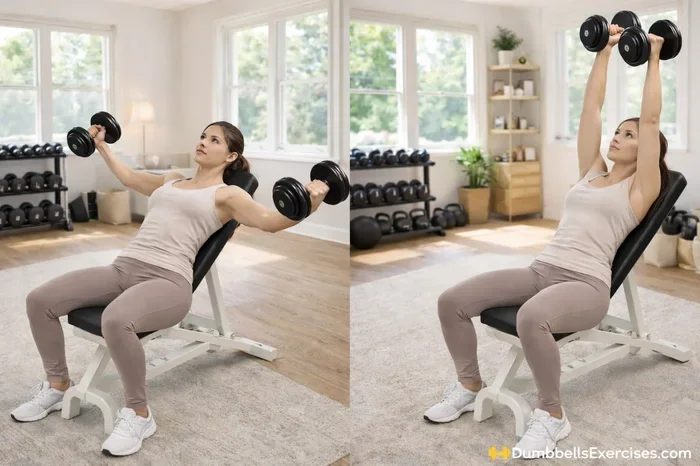
How to Do Rear Delt Flys with Dumbbells
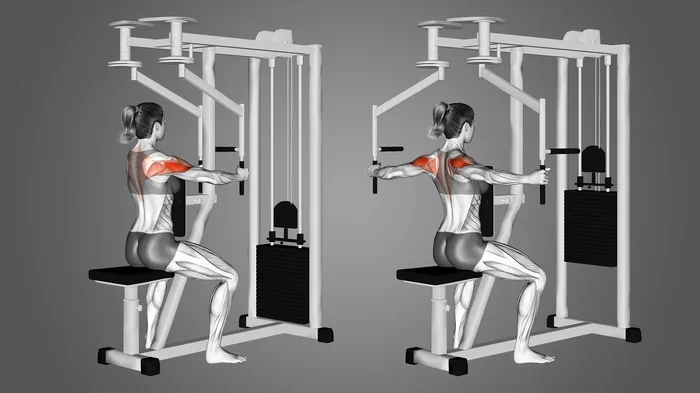
Rear delt flys with dumbbells are one of the best exercises for building the rear deltoids and improving your overall shoulder shape. This exercise targets the posterior deltoid, upper back, and rotator cuff muscles, helping you achieve balanced shoulder development and better posture. Whether you are a beginner or an experienced lifter, learning the proper rear delt fly form will take your shoulder workouts to the next level.
Rear delt flys with dumbbells are one of the most effective exercises you can do for your rear shoulders. If you want bigger, more defined shoulders that look great from every angle, this exercise should be a staple in your routine. Many people focus only on the front and side delts, but the rear deltoid plays a huge role in shoulder size, posture, and overall upper body balance.
In this guide, we will walk you through everything you need to know about rear delt flys with dumbbells. You will learn the correct form, common mistakes, variations, and how to fit this exercise into your workout routine. Whether you train at home or in a gym, this exercise is simple to learn and incredibly effective.
The rear deltoid, also known as the posterior delt, is a small but important muscle. It sits at the back of your shoulder and helps you pull your arms backward. When this muscle is weak or underdeveloped, your shoulders can look unbalanced. More importantly, weak rear delts can lead to poor posture and even shoulder pain over time. That is exactly why rear delt flys deserve a permanent spot in your shoulder workout routine.
Key Takeaways
- Rear delt flys isolate the posterior deltoid: This exercise specifically targets the often-neglected rear shoulder muscles for balanced development.
- Proper form is essential: Using the correct rear delt fly technique prevents injury and maximizes muscle activation.
- Multiple variations exist: You can perform standing, seated, or incline rear delt flys to target the muscles from different angles.
- Pair with compound movements: Combining rear delt flys with exercises like the bent over row creates a complete shoulder and back workout.
- Start light and progress gradually: Using the right dumbbell weight ensures you maintain form while building strength over time.
- Better posture is a key benefit: Strong rear delts help counteract the effects of sitting and poor posture throughout the day.
📑 Table of Contents
- What Are Rear Delt Flys and Why They Matter
- The Muscles You Will Work With Rear Delt Flys
- How to Do Rear Delt Flys with Dumbbells (Step-by-Step)
- Common Mistakes That Hold You Back
- Variations and Progressions for Rear Delt Flys
- How to Add Rear Delt Flys to Your Workout Routine
- Benefits of Rear Delt Flys for Your Fitness Goals
- Frequently Asked Questions
- Conclusion
What Are Rear Delt Flys and Why They Matter
A rear delt fly, sometimes called a reverse fly, is an isolation exercise that targets the rear deltoid muscle. You perform it by holding a dumbbell in each hand and lifting your arms out to the sides in a sweeping motion. The movement mimics the natural motion of spreading your wings, which is why it is called a fly.
The rear deltoid is one of three heads of the deltoid muscle. The front head and side head get plenty of attention from pressing movements like the chest press and lateral raises. But the rear head often gets ignored. This is a problem because your rear delts are essential for several daily movements and athletic activities.
Here is why rear delt flys matter:
- They improve shoulder balance: Training all three deltoid heads ensures your shoulders develop evenly and look proportional.
- They enhance posture: Strong rear delts pull your shoulders back and counteract the forward rounding caused by desk work and phone use.
- They support other lifts: A strong rear delt improves your performance in compound movements like rows and pull-ups.
- They reduce injury risk: Balanced shoulder muscles protect the rotator cuff and surrounding joints from strain.
If you are serious about building a complete physique, you cannot skip rear delt flys. They are a simple movement with powerful results. Adding them to your dumbbell exercises routine will transform your upper body training.
The Muscles You Will Work With Rear Delt Flys
Understanding the Posterior Deltoid
The posterior deltoid is the primary muscle worked during rear delt flys. It originates from the spine of the scapula and inserts into the humerus. When you contract this muscle, it pulls your arm backward and outward in a horizontal abduction motion.
Think of the rear delt as the engine behind every pulling motion you do behind your body. When you perform a rear delt fly, you are directly targeting this muscle with focused tension. Over time, this leads to visible growth and improved strength in the back of your shoulders.
For those looking to build overall shoulder size, the rear delt is a key piece of the puzzle. Check out our guide on how to get big shoulders with dumbbells for more exercises that complement the rear delt fly.
Supporting Muscles During the Movement
While the rear delt is the main target, several other muscles assist during the exercise. These supporting muscles include:
- Trapezius: The upper traps help stabilize your shoulder blades during the movement.
- Rhomboids: Located between your shoulder blades, these muscles assist with scapular retraction.
- Teres minor and infraspinatus: These rotator cuff muscles help control the rotation of your shoulder joint.
- Erector spinae: Your lower back muscles engage to keep your spine neutral throughout the exercise.
This is one reason why rear delt flys are so valuable. They do not just work one muscle. They engage a chain of muscles that support healthy shoulder function and a strong upper back. Pairing rear delt flys with a shoulder shrug exercise can further enhance your upper trap development and overall shoulder stability.
How to Do Rear Delt Flys with Dumbbells (Step-by-Step)
Setting Up for the Exercise
Before you start lifting, proper setup is crucial for getting the most out of every rep. Follow these steps to prepare:
- Choose the right weight: Start with lighter dumbbells than you think you need. The rear delt is a smaller muscle, so it does not require heavy loads. Using too much weight is one of the biggest mistakes people make.
- Stand with your feet shoulder-width apart: This gives you a stable base throughout the movement.
- Hold a dumbbell in each hand: Let your arms hang straight down at your sides with your palms facing each other.
- Bend your knees slightly: A soft knee position helps you maintain a neutral spine.
- Hinge forward at the hips: Lean your torso forward until it is nearly parallel to the floor. Keep your back straight and your core tight.
Your starting position should feel athletic and ready. Your arms should hang straight down, and your gaze should be directed at the floor to keep your neck neutral.
The Movement Breakdown
Now that you are set up, here is exactly how to perform the rear delt fly:
- Begin with your arms hanging straight down: Keep a slight bend in your elbows throughout the entire movement.
- Raise both arms out to the sides: Lead with your elbows and lift the dumbbells in a wide arc until your arms are roughly parallel to the floor.
- Squeeze your rear delts at the top: Pause for one second and focus on feeling the contraction in the back of your shoulders.
- Lower the dumbbells slowly back to the starting position: Control the weight on the way down. Do not let gravity pull the dumbbells quickly.
- Repeat for the desired number of reps: Aim for 12 to 15 repetitions for 3 to 4 sets.
The key to this exercise is control. Every rep should be slow and deliberate. Think about the muscle working, not just moving weight. This mind-muscle connection is what separates effective rear delt flys from casual arm swinging.
Breathing Tips for Better Performance
Breathing might seem like a small detail, but it makes a real difference in your exercise performance. Follow this simple pattern:
- Inhale as you lower the dumbbells: This prepares your core and helps you maintain stability.
- Exhale as you raise the dumbbells: This engages your core and provides power for the lifting phase.
- Never hold your breath: Holding your breath during isolation exercises can spike your blood pressure and reduce performance.
Proper breathing keeps you energized and focused throughout your sets. It also helps you maintain good form even as you fatigue.
Common Mistakes That Hold You Back
Using Too Much Weight
The most common mistake with rear delt flys is using dumbbells that are too heavy. When the weight is too much, your body compensates by swinging the dumbbells and using momentum instead of muscle. This takes the work away from the rear delt and increases your risk of injury.
If you find yourself jerking the weights up or losing your hinge position, the dumbbells are too heavy. Drop down to a lighter weight and focus on feeling the rear delt contract. You will be surprised how much better the exercise feels when you use the right load. Remember, this is an isolation exercise, not a strength test.
Rounding Your Back
Another mistake is rounding your back during the movement. When your torso rounds forward, you put unnecessary stress on your lower back and reduce the effectiveness of the exercise. Keep your back flat and your core engaged throughout every rep.
If you cannot maintain a flat back, you may need to reduce the weight or try a seated version of the exercise. A flat bench can support your torso and help you maintain proper spinal alignment.
Lifting Your Arms Too High
Some people lift their arms too high during the rear delt fly. When your arms go above parallel, you start engaging your upper traps instead of the rear delt. Keep your arms at or just below shoulder height for maximum rear delt activation.
Moving Too Fast
Speed is the enemy of good rear delt flys. Swinging the dumbbells up and letting them drop quickly robs you of the time under tension that builds muscle. Slow down each rep. Focus on the squeeze at the top and the controlled lowering on the way back.
Variations and Progressions for Rear Delt Flys
Standing Rear Delt Fly
The standing version is the most common and the one we described above. It requires good core stability and balance. This variation allows you to use your body weight as a stabilizer, which recruits additional muscle fibers. If you train at home without a bench, the standing rear delt fly is your go-to option.
Seated Rear Delt Fly
The seated version removes the balance challenge and lets you focus entirely on the rear delt. Sit on a flat bench with your feet planted firmly on the ground. Lean forward slightly and perform the same sweeping motion. This is a great option for beginners who are still learning the movement pattern.
Incline Bench Rear Delt Fly
For an extra challenge, try performing rear delt flys on an incline bench set to 30 to 45 degrees. The incline increases the range of motion and places a deeper stretch on the rear delt at the bottom of the movement. This variation is excellent for advanced lifters looking to maximize muscle activation.
Single-Arm Rear Delt Fly
Performing the exercise one arm at a time allows you to focus on each side individually. This is helpful if you notice one shoulder is weaker than the other. Hold a dumbbell in one hand, support yourself with the other hand on a bench, and perform the fly. Switch sides and repeat.
These variations keep your workouts fresh and challenge your muscles from different angles. Switching between them every few weeks can help break through plateaus and keep your shoulder training effective.
How to Add Rear Delt Flys to Your Workout Routine
Now that you know how to perform rear delt flys with dumbbells correctly, the next step is figuring out where to place them in your routine. Here are some practical guidelines:
- Frequency: Train your rear delts 2 to 3 times per week. This muscle recovers quickly, so frequent stimulation works well.
- Volume: Aim for 3 to 4 sets of 12 to 15 reps per session. This rep range is ideal for muscle growth and endurance.
- Timing: Place rear delt flys after your compound movements. If you are doing rows or presses first, add the flys at the end of your shoulder or upper body workout.
- Pairing: Combine rear delt flys with other rear delt exercises like face pulls, banded pull-aparts, and bent over dumbbell rows for a complete rear shoulder workout.
Here is a simple sample workout you can try:
- Bent Over Dumbbell Row: 3 sets of 10 reps
- Rear Delt Fly with Dumbbells: 4 sets of 15 reps
- Face Pulls with Band: 3 sets of 12 reps
- Shoulder Shrugs: 3 sets of 12 reps
This routine targets your entire upper back and rear shoulder area in about 20 minutes. It is perfect for a home workout or a quick session at the gym.
Remember, consistency is more important than intensity. Doing your rear delt flys with proper form every week will produce far better results than going heavy once and then skipping the exercise for a month. Stick with it, and you will see real changes in your shoulder development and posture.
Benefits of Rear Delt Flys for Your Fitness Goals
Rear delt flys offer a wide range of benefits that go beyond just building bigger shoulders. Here is what you can expect from adding this exercise to your routine regularly:
- Improved shoulder aesthetics: Well-developed rear delts give your shoulders a three-dimensional look that looks great in t-shirts and tank tops.
- Better posture: Strong rear delts pull your shoulders back and help you stand taller. This is especially helpful if you spend long hours sitting at a desk.
- Reduced back pain: Strengthening the muscles around your shoulder blades can alleviate upper back pain caused by weak posture muscles.
- Enhanced athletic performance: Many sports require strong pulling motions. Rear delt flys build the strength you need for swimming, climbing, and throwing.
- Injury prevention: Balanced shoulder muscles reduce the risk of rotator cuff injuries and shoulder impingement.
- Better mind-muscle connection: Isolation exercises like the rear delt fly teach you to feel and control specific muscles, which improves all your other lifts.
The beauty of rear delt flys is that they are accessible to almost everyone. You can do them at home with just a pair of dumbbells, and the movement is simple enough for beginners to learn quickly. As you get stronger, you can increase the weight or try more advanced variations.
For those looking to build bigger arms overall, strong rear delts contribute to a more balanced upper body. Check out our guide on how to get bigger arms at home with dumbbells for exercises that complement your rear delt training.
Frequently Asked Questions
What weight should I use for rear delt flys with dumbbells?
Start with a weight that allows you to complete 12 to 15 reps with good form. For most people, this means using lighter dumbbells than you would for compound movements. Focus on feeling the rear delt work rather than lifting heavy. You can always increase the weight gradually as you get stronger.
How often should I do rear delt flys?
Training your rear delts 2 to 3 times per week is ideal. Because they are a smaller muscle group, they recover quickly and respond well to frequent training. Make sure you leave at least one rest day between sessions targeting the same muscles.
Can rear delt flys improve my posture?
Yes, absolutely. Rear delt flys strengthen the muscles that pull your shoulders back and keep your upper back upright. Regular practice can counteract the forward rounding caused by prolonged sitting and screen use. Pair them with shoulder shrugs and stretching for the best posture results.
Are rear delt flys the same as reverse flyes?
Yes, rear delt flys and reverse flyes are the same exercise. Both terms refer to the movement where you lift dumbbells out to the sides while bent forward to target the rear deltoid. Different trainers may use different names, but the exercise and its benefits are identical.
Should I do rear delt flys before or after compound exercises?
It is best to perform rear delt flys after your compound exercises. Movements like rows and presses fatigue your larger muscle groups first. By doing isolation work like rear delt flys afterward, you can focus entirely on the rear delt without your larger muscles limiting your performance.
Can beginners do rear delt flys with dumbbells?
Absolutely. Rear delt flys are one of the most beginner-friendly shoulder exercises. The movement is simple and uses a controlled range of motion. Start with very light dumbbells, focus on learning the form, and gradually increase the weight over several weeks. This exercise is a great addition to any beginner dumbbell workout routine.
Conclusion
Rear delt flys with dumbbells are a simple, effective, and essential exercise for anyone looking to build balanced shoulders and improve their posture. This exercise targets the often-neglected rear deltoid, strengthens your upper back, and helps prevent injuries. With the proper form, the right weight, and consistent effort, you will see noticeable results in both your appearance and your functional strength.
Remember to avoid the common mistakes we covered, try different variations to keep your workouts fresh, and pair rear delt flys with other exercises for a complete upper body routine. Whether you are a beginner just starting out or an experienced lifter looking to refine your shoulder workout, rear delt flys deserve a permanent spot in your training plan.
Start today. Grab a pair of dumbbells, hinge forward, and let the rear delt flys do their work. Your shoulders will thank you.