What Weight Dumbbells Should I Use Female Beginner
Choosing the right dumbbell weight as a female beginner can feel confusing. The best dumbbell weight for beginner women depends on your fitness goal, body weight, and experience level. This guide breaks down everything you need to know about dumbbell weight for women so you can train with confidence.
Key Takeaways
- Start light and build up: Most female beginners should start with 5-10 lb dumbbells and adjust from there based on performance.
- Match weight to your goal: Lighter weights suit toning and endurance, while heavier weights build strength and muscle.
- Use the talk test: If you can hold a conversation during the last few reps, your dumbbell weight for women is about right.
- Different exercises need different weights: You may need lighter dumbbells for arm work and heavier ones for leg exercises.
- Progressive overload matters: Gradually increase your dumbbell training for beginners weights every 2-3 weeks to keep improving.
- Form always comes first: Poor form with heavy weights leads to injury. Always prioritize clean movement over lifting heavy.
- There is no single answer: The right dumbbell weight for women varies from person to person. Listen to your body.
📑 Table of Contents
- What Weight Dumbbells Should I Use Female Beginner
- How Heavy Should Dumbbells Be for Female Beginners
- How to Choose the Right Dumbbell Weight
- Best Dumbbell Exercises for Female Beginners
- Common Mistakes When Choosing Dumbbell Weight
- How to Progress and Increase Weight Over Time
- Building Your First Dumbbell Workout Plan
- Conclusion
What Weight Dumbbells Should I Use Female Beginner
Starting a dumbbell fitness beginner routine is exciting. But standing in the gym aisle staring at racks of weights can feel overwhelming. What weight dumbbells should you actually use? The honest answer is that it depends on your body, your goals, and your current fitness level. There is no one-size-fits-all number on the dumbbell rack.
This guide will walk you through everything step by step. You will learn how to pick the right dumbbell weight for women, what weights to use for different exercises, and how to increase weight safely over time. Whether you want to tone up, build strength, or just feel stronger, this is your starting point.
How Heavy Should Dumbbells Be for Female Beginners
Most female beginners wonder if they are lifting too much or too little. The truth is that starting light is almost always the smart move. Your muscles need time to adapt. Jumping into heavy weights too fast can lead to bad form and even injury.
Understanding Your Starting Weight
If you have never lifted weights before, start with light dumbbells for women. For most beginners, 5 to 10 pounds works well for upper body exercises. For lower body moves like squats and lunges, you may need 10 to 15 pounds. These are general ranges. Your personal starting weight dumbbells female needs may differ based on your body weight and fitness background.
A good rule of thumb is this. Pick a weight where you can complete 12 to 15 reps with good form. The last two or three reps should feel challenging but still doable. If you can barely finish the set, the weight is too heavy. If the last reps feel easy, you need to go up.
For more detailed guidance on general beginner weights, check out this how much weight dumbbells should I use as beginner guide for additional tips.
Weight Recommendations by Fitness Goal
Your dumbbell weight for women depends heavily on what you want to achieve. Here is a simple breakdown:
- Toning and endurance: Use lighter weights (5-12 lbs) with higher repetitions (15-20 reps). This approach builds lean muscle and improves muscle definition without bulk.
- Building strength and muscle: Use moderate to heavier weights (15-25 lbs or more) with fewer repetitions (8-12 reps). If you want to focus on building muscle, you may find this what weight dumbbells should I use to build muscle resource very helpful.
- General fitness and health: Use moderate weights (10-15 lbs) with moderate reps (10-15 reps). This balanced approach supports overall health and functional strength.
Keep in mind that these are starting points. Every woman’s body is different. What feels light for one person may feel heavy for another. The key is to match the appropriate dumbbell weight to your individual needs.
How to Choose the Right Dumbbell Weight
Picking the right weight is more science than guesswork. Here are proven methods to help you decide.
The “Talk Test” Method
This is one of the simplest ways to check if your weight is correct. During your last few repetitions, try to talk out loud. If you can speak in short sentences but it is a bit difficult, the weight is in the right zone. If you cannot talk at all, the weight is too heavy. If you can chat easily, go a bit heavier.
This method works because it measures exercise intensity. The right dumbbell weight for female beginners pushes your muscles without exhausting your whole body.
Consider Your Body Weight and Fitness Level
Your body weight plays a role in determining dumbbell size. Heavier individuals often need slightly heavier weights to get the same training effect. But body weight is just one factor. Your fitness history matters too.
- Complete beginner (no gym experience): Start with 3-8 lbs for upper body and 8-12 lbs for lower body.
- Some fitness background (yoga, running, etc.): Start with 8-12 lbs for upper body and 12-18 lbs for lower body.
- Returning after a break: Start where you left off or go slightly lighter to rebuild confidence.
These numbers give you a general women’s dumbbell guide. Always trust how your body feels during the exercise rather than just the number on the dumbbell.
Use Different Weights for Different Exercises
Here is something many beginners do not realize. You do not need one set of dumbbells for every exercise. Your arm muscles are smaller than your leg muscles. That means you will use lighter weights for bicep curls and heavier weights for goblet squats.
Having a pair of light and a pair of moderate dumbbells at home covers most beginner strength training weights needs. You can also use adjustable dumbbells to save space and money.
Best Dumbbell Exercises for Female Beginners
Now that you know how to pick your weight, let us look at some great exercises to start with. These moves target all major muscle groups and build a strong foundation for future progress.
Upper Body Exercises
These exercises focus on your arms, shoulders, and chest. They typically use lighter weights.
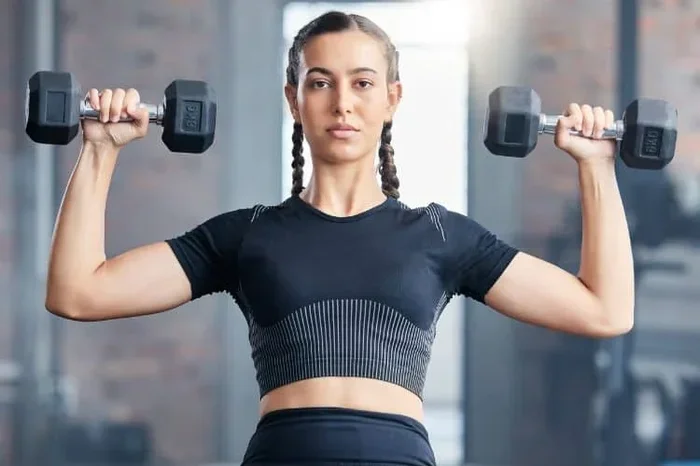
- Dumbbell shoulder press: Stand with a weight in each hand at shoulder height. Push them overhead. Start with 5-10 lbs.
- Bicep curls: Stand straight and curl the weights up to your shoulders. Start with 5-8 lbs.
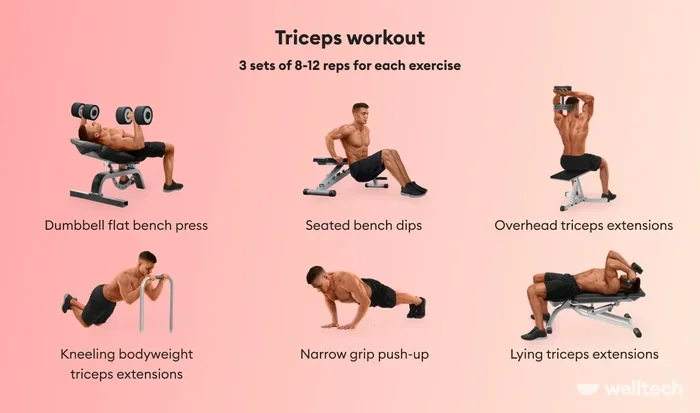
- Tricep kickbacks: Lean forward slightly and extend your arms back. Start with 5-8 lbs.
- Chest press: Lie on your back and press the weights upward. Start with 8-12 lbs.
Lower Body Exercises
Your legs are stronger than your arms. Expect to use heavier weights here.
- Goblet squats: Hold one dumbbell at your chest and squat down. Start with 10-15 lbs.
- Dumbbell lunges: Hold weights at your sides and step forward into a lunge. Start with 8-12 lbs per hand.
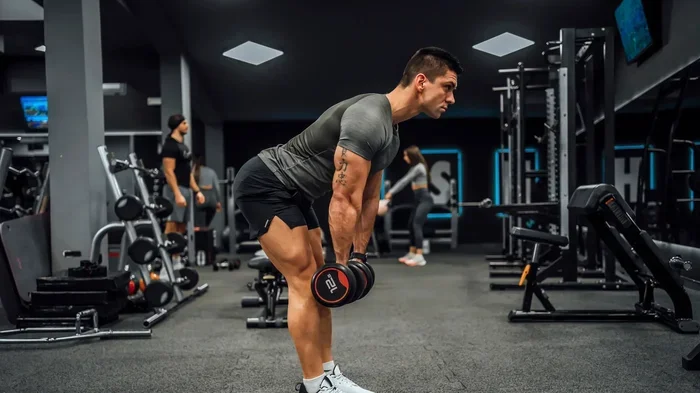
- Romanian deadlifts: Hold weights in front of your thighs and hinge at the hips. Start with 10-15 lbs.
Core and Full-Body Moves
- Dumbbell rows: Lean on a bench and pull the weight toward your hip. Start with 8-12 lbs.
- Dumbbell thrusters: Squat down and press the weights overhead in one smooth motion. Start with 8-12 lbs.
For women specifically focused on toning, this what size dumbbells should a woman use for toning guide offers more tailored recommendations for sculpting lean muscle.
Common Mistakes When Choosing Dumbbell Weight
Even smart women make these mistakes when starting out. Avoiding them will save you time and prevent injury.
Mistake 1: Lifting Too Heavy Too Soon
It is tempting to grab heavy dumbbells to look like you know what you are doing. But heavy weights with bad form cause shoulder injuries, back pain, and muscle strains. Start light. You can always go heavier later.
Mistake 2: Using the Same Weight for Every Exercise
Your biceps do not need the same weight as your legs. Using one number for everything limits your progress. Match the dumbbell fitness beginner weight to each movement pattern.
Mistake 3: Avoiding Heavy Weights Out of Fear
Many women worry that lifting heavier weights will make them look bulky. This is a myth. Building lean muscle actually creates a toned, defined look. It takes very specific training and nutrition plans to build excessive bulk. Do not be afraid to challenge yourself with dumbbell strength training female routines.
Quick Comparison: Common Weight Ranges
| Goal | Weight Range (lbs) | Rep Range |
|---|---|---|
| Toning / Endurance | 5-12 lbs | 15-20 reps |
| General Fitness | 10-15 lbs | 10-15 reps |
| Strength / Muscle Building | 15-25+ lbs | 8-12 reps |
| Full-Body Circuit | 8-15 lbs | 10-12 reps |
Use this table as a rough how to choose dumbbell weight reference. Adjust based on how your body responds during each session.
How to Progress and Increase Weight Over Time
Starting light is great. But you do not want to stay light forever. Your muscles adapt quickly. To keep getting stronger, you need to gradually increase your weights. This concept is called progressive overload dumbbells.
When to Increase Your Weight
Increase your weight when the last few reps start feeling easy. If you can do 3 extra reps beyond your target without struggling, it is time to go up. A good rule is to add 1-2 pounds for upper body and 2-5 pounds for lower body every 2-3 weeks.
For a deeper understanding of timing your weight increases, read about when should I increase the weight of my dumbbells to master your progression strategy.
How to Increase Safely
- Increase slowly: Small jumps prevent injury and let your body adjust.
- Track your workouts: Write down your weights and reps. This helps you see progress over time.
- Stay consistent: Aim to train with dumbbells 2-3 times per week for best results.
- Listen to your body: Soreness is normal. Sharp pain is not. Back off if something feels wrong.
Signs You Are Ready for Heavier Weights
You are ready to level up when you notice these positive signs:
- Your current reps feel comfortable and controlled.
- You finish your sets without feeling completely exhausted.
- You see visible improvements in strength and muscle tone.
- Your workout feels less challenging overall.
Remember, the journey of dumbbell training for beginners is about steady progress. Patience pays off more than rushing ever will.
Building Your First Dumbbell Workout Plan
Now let us put it all together into a simple weekly plan. This female dumbbell workout plan is designed for beginners.
Sample 3-Day Dumbbell Routine
Day 1: Upper Body. Shoulder press (10 lbs), bicep curls (8 lbs), chest press (10 lbs), tricep kickbacks (8 lbs). Do 3 sets of 12 reps each.
Day 2: Lower Body. Goblet squats (12 lbs), lunges (10 lbs each hand), Romanian deadlifts (12 lbs). Do 3 sets of 10-12 reps each.
Day 3: Full Body. Dumbbell rows (10 lbs), thrusters (10 lbs), plus a few light arm exercises. Do 3 sets of 10-12 reps.
Rest at least one day between sessions. As you grow stronger, add more exercises or increase the dumbbell exercises for women weight gradually.
Quick Tips for Success
- Warm up for 5-10 minutes before each session. Light cardio gets your blood flowing.
- Focus on learning proper form before adding any extra weight.
- Breathe out when you lift and breathe in when you lower the weight.
- Do not skip rest days. Your muscles grow while you recover.
- Stay hydrated and eat enough protein to support your training.
Conclusion
So what weight dumbbells should a female beginner use? The short answer is: start with 5-10 pounds for your upper body and 10-15 pounds for your lower body. Adjust based on your fitness goal, body weight, and how the exercise feels. The best dumbbell weight for beginner women is always the weight that challenges you without compromising your form.
Do not compare your starting weights to other people. Everyone begins somewhere. What matters is that you show up, stay consistent, and slowly push yourself forward. With the right dumbbell weight for women and a solid plan, you will build strength, confidence, and a healthier body in no time. Start today, stay patient, and enjoy the journey.
Frequently Asked Questions
What weight dumbbells should a female beginner start with?
Most women should start with 5-10 pound dumbbells for upper body exercises and 10-15 pounds for lower body moves. These dumbbell weight for women ranges allow you to build proper form and confidence before moving to heavier loads.
How do I know if my dumbbell weight is too light or too heavy?
Use the talk test. If you can easily chat through your last few reps, the weight is too light. If you cannot speak at all and your form breaks, it is too heavy. The right dumbbell weight for female beginners makes the last two reps challenging but controlled.
Can I use one pair of dumbbells for all exercises?
You can, but it is not ideal. Different muscle groups need different weights. Your arms need lighter loads than your legs. If you only have one pair, use a moderate weight and adjust your reps up or down to match the exercise difficulty.
How often should a female beginner increase her dumbbell weight?
Increase your weight every 2-3 weeks when your current reps become comfortable. Add 1-2 pounds for arm exercises and 2-5 pounds for leg exercises. Learning when to increase dumbbell weight is key to continuous progress in your dumbbell strength training female journey.
Will lifting heavier dumbbells make me bulky?
No, this is a common myth. Building bulky muscle requires very specific heavy lifting programs and a high-calorie diet. For most women, lifting heavier weights creates a lean, toned appearance. Do not be afraid to challenge yourself with appropriate beginner strength training weights.
Are adjustable dumbbells good for female beginners?
Yes, adjustable dumbbells are a great option. They let you change the appropriate dumbbell weight for each exercise without needing multiple pairs. They save space and money while giving you the flexibility to progress as your strength improves.