How to Work Out Your Deltoids with Dumbbells
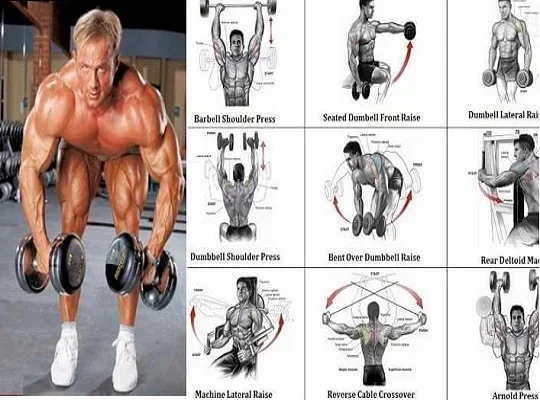
Working out your deltoids with dumbbells is one of the fastest ways to build bigger, rounder shoulders. This guide covers the three deltoid heads, the best dumbbell exercises for each head, and a simple routine you can follow at home. You will learn proper form, common mistakes, and expert tips to get the most from every rep.
Want bigger shoulders that fill out your shirt and boost your confidence? The answer might be simpler than you think. Dumbbell deltoid workouts are one of the most effective ways to build strong, defined shoulders right from home. Whether you are a beginner or have been lifting for a while, targeting your deltoids with dumbbells gives you the freedom to work each head of the shoulder with precision.
Your shoulders are made up of three main muscles called the deltoid heads. Each head plays a different role in how your shoulders look and function. By using the right dumbbell shoulder exercises, you can hit all three heads and build a complete, balanced physique. In this article, we will walk you through everything you need to know about working out your deltoids with dumbbells, from the anatomy of the shoulder to a full routine you can start today.
Key Takeaways
- Three Deltoid Heads: Your shoulders have front, side, and rear deltoids, and each needs targeted work for balanced growth.
- Best Dumbbell Exercises: Overhead press, lateral raises, front raises, and rear delt flies are the top moves for full shoulder development.
- Proper Form Matters: Using the right technique prevents injury and ensures your deltoids do the work, not your traps or arms.
- Progressive Overload: Gradually increasing weight or reps is essential for building shoulder muscle over time.
- Home-Friendly Routine: You do not need a gym. A pair of dumbbells and a few minutes a day can transform your shoulders.
- Avoid Common Mistakes: Swinging weights, using too much load, and skipping the rear delts are the top errors to avoid.
📑 Table of Contents
Understanding Your Deltoid Muscles
Before you start lifting, it helps to know what you are working with. The deltoid muscle is a large triangular muscle that covers the shoulder joint. It is divided into three distinct sections, and each one contributes to the shape and function of your shoulder.
The Front Deltoid (Anterior Head)
The front deltoid sits at the front of your shoulder. It is responsible for raising your arm forward and rotating it inward. This muscle gets worked a lot during pressing movements like the dumbbell shoulder press. If you want broader shoulders when viewed from the front, the front delt needs attention.
The Side Deltoid (Lateral Head)
The side deltoid is the muscle that gives your shoulders their width. When people talk about shoulder caps, they are referring to this head. Lateral raises are the go-to exercise for targeting the side delt. This muscle is what creates that V-taper look that makes your waist appear smaller and your frame look wider.
The Rear Deltoid (Posterior Head)
The rear deltoid sits at the back of your shoulder. It is often the most neglected head, but it is essential for posture and a complete shoulder look. Rear delt exercises like reverse flies help pull your shoulders back and create that full, rounded look from every angle. Ignoring the rear delt can lead to muscle imbalances and even shoulder pain over time.
Best Dumbbell Exercises for Deltoids
Now that you understand the three heads, let us look at the best dumbbell deltoid exercises for each one. These movements are simple, effective, and can be done with a pair of dumbbells at home.
Overhead Dumbbell Press
The dumbbell overhead press is a compound movement that hits all three deltoid heads. It also engages your triceps and upper chest. Sit on a bench or chair, hold a dumbbell in each hand at shoulder height, and press them straight up until your arms are fully extended. Lower them back down slowly and repeat.
This exercise is a cornerstone of any shoulder training routine. Start with lighter weights to master the form, then gradually increase the load. Keep your back flat against the bench and avoid arching your lower back, which can shift the stress away from your deltoids.
Dumbbell Lateral Raise
The lateral raise is the king of side delt exercises. Stand with your feet shoulder-width apart, hold a dumbbell in each hand at your sides, and raise your arms out to the sides until they are parallel to the floor. Lower them back down with control.
Keep a slight bend in your elbows throughout the movement. Think about leading with your elbows, not your hands. This small cue makes a huge difference in how effectively you target the side deltoid. Do not swing the weights. Slow and controlled reps will build more muscle than fast, jerky movements ever will.
Dumbbell Front Raise
The front raise isolates the front deltoid. Hold a dumbbell in front of your thighs and raise one arm straight out in front of you until it reaches shoulder height. Lower it slowly and alternate arms. You can also raise both arms at the same time if you prefer.
This exercise is great for building the front shoulder fullness that makes your upper body look balanced. Use a moderate weight and focus on the mind-muscle connection. Squeeze the front delt at the top of each rep for an extra second to maximize tension.
Bent-Over Rear Delt Fly
The bent-over rear delt fly targets the often-forgotten rear deltoid. Bend forward at the hips with a slight bend in your knees, hold a dumbbell in each hand, and raise your arms out to the sides until they are parallel to the floor. Squeeze your shoulder blades together at the top.
Keep your back straight and your core tight throughout the movement. This exercise also works the trapezius and rhomboids, which support better posture. If you want to feel the rear delt working more, try leading with your elbows and keeping them high.
Dumbbell Shoulder Shrugs
Shoulder shrugs with dumbbells primarily target the upper traps but also engage the deltoids. Hold a dumbbell in each hand at your sides and raise your shoulders straight up toward your ears. Hold for a second at the top, then lower them back down.
While shrugs are not a pure delt exercise, they complement your shoulder routine by building the upper trap muscle that sits right next to the deltoids. For a more delt-focused approach, try shrugging and then rotating your shoulders at the top. This adds a rotational element that hits the deltoids from a different angle.
How to Build a Deltoid Workout Routine
Building a dumbbell shoulder routine is straightforward. You do not need a complicated program. The key is to hit all three deltoid heads at least twice a week with the right exercises and volume.
Sample Weekly Routine
Here is a simple shoulder workout routine you can follow. Perform this routine two to three times per week with at least one rest day between sessions.
- Overhead Dumbbell Press: 3 sets of 8 to 12 reps
- Dumbbell Lateral Raise: 3 sets of 12 to 15 reps
- Dumbbell Front Raise: 3 sets of 10 to 12 reps
- Bent-Over Rear Delt Fly: 3 sets of 12 to 15 reps
- Dumbbell Shoulder Shrugs: 2 sets of 15 to 20 reps
Rest for 60 to 90 seconds between sets. As you get stronger, increase the weight or add an extra set. The principle of progressive overload is what drives muscle growth. Your deltoids are relatively small muscles, so they do not need a huge volume to grow. Quality reps with good form will always beat sloppy reps with heavy weight.
How to Progress Over Time
Progression is the secret to building shoulder muscle. Start with weights you can control for the full rep range. Once you can complete all sets with good form, increase the weight by 2 to 5 pounds. This gradual increase keeps your muscles challenged and growing.
You can also progress by reducing rest time between sets or adding more reps each week. Another effective strategy is to slow down the eccentric (lowering) phase of each rep. A 3-second lowering tempo increases time under tension, which is a powerful driver of muscle growth.
Common Mistakes to Avoid
Even with the best exercises, poor technique can hold you back or cause injury. Here are the most common mistakes people make when training their deltoids with dumbbells.
- Using Too Much Weight: Lifting too heavy causes you to swing the dumbbells and recruit other muscles. This takes the work away from your deltoids and increases your risk of injury.
- Swinging Your Body: Momentum is the enemy of delt training. Keep your body still and let your shoulders do the work. If you find yourself swaying or jerking, the weight is too heavy.
- Skipping the Rear Delt: Many people focus only on the front and side delts because they are the most visible. But neglecting the rear delt leads to imbalances and can cause shoulder pain.
- Raising Your Shoulders to Your Ears: During lateral raises and presses, many people accidentally shrug their traps. Keep your shoulders down and back throughout the movement.
- Rushing Through Reps: Slow, controlled reps are far more effective than fast, sloppy ones. Take your time and feel the muscle working on every single rep.
Avoiding these mistakes will help you get better results and stay injury-free. If you are new to shoulder training, consider filming yourself to check your form. A quick video review can reveal issues you might not feel in the moment.
Tips for Maximum Shoulder Growth
Beyond the exercises and routine, small adjustments can make a big difference in your results. Here are some expert tips to help you get the most out of your dumbbell delt workouts.
Focus on the Mind-Muscle Connection
One of the most underrated training techniques is the mind-muscle connection. Before each set, take a moment to visualize the deltoid muscle contracting and relaxing. When you perform each rep, concentrate on feeling the muscle work. This mental focus has been shown to increase muscle activation and growth.
Use a Full Range of Motion
Do not cut your reps short. Lower the dumbbells fully and raise them fully. A complete range of motion stretches the muscle under load, which is one of the most powerful stimuli for growth. For lateral raises, lower the dumbbells until they are just below parallel to the floor for a deep stretch on the side delt.
Train Your Traps and Rotator Cuff
Your deltoids do not work in isolation. The trapezius and rotator cuff muscles support shoulder movement and stability. Including shoulder shrugs and light external rotation exercises in your routine will keep your shoulders healthy and improve your performance on all delt exercises.
Eat Enough Protein
Exercise is only half the equation. To build muscle, your body needs adequate protein. Aim for about 0.7 to 1 gram of protein per pound of body weight each day. Pair this with a balanced diet and enough sleep, and your shoulder muscles will have everything they need to grow.
Why Dumbbells Are Great for Deltoid Training
Dumbbells offer unique advantages over barbells and machines when it comes to shoulder development. First, they allow each arm to work independently, which helps correct muscle imbalances. Second, they give you a greater range of motion compared to a barbell, which can limit how far you can lower the weight.
Dumbbells also allow for natural movement patterns. Your shoulders are designed to move in multiple directions, and dumbbells let you move freely in all those directions. This freedom of movement makes dumbbell shoulder exercises more effective and more joint-friendly than many alternatives.
If you are looking for a complete home workout setup, a pair of adjustable dumbbells is all you need to build strong, defined shoulders. You do not need a spotter, a cable machine, or a fancy gym membership. Just a set of dumbbells and the knowledge in this guide.
Final Thoughts on Deltoid Training with Dumbbells
Working out your deltoids with dumbbells is one of the smartest choices you can make for your upper body. The exercises are simple, the equipment is minimal, and the results are incredible. By targeting all three deltoid heads with the overhead press, lateral raises, front raises, and rear delt flies, you can build bigger, stronger, and more defined shoulders.
Remember to focus on form over weight, progress gradually, and train consistently. Your shoulders are a small muscle group, but they play a huge role in your overall physique and functional strength. Start with the routine in this guide, stay patient, and trust the process. Your deltoids will thank you.
If you want to expand your upper body training further, check out our guide on how to get big shoulders with dumbbells for more advanced tips and variations. Also, if you are new to home workouts, our article on how to workout with dumbbells at home for beginners is a great place to start building your foundation.
For a deeper dive into shoulder-specific training, you may also want to read our guide on how to do shoulder shrugs with dumbbells to master this often-overlooked movement. And if you are interested in building muscle across your entire upper body with just dumbbells, explore our guide on how to build muscle at home with only dumbbells for a complete program.
Frequently Asked Questions
How often should I train my deltoids with dumbbells?
Training your deltoids two to three times per week is ideal for most people. Your shoulders are a relatively small muscle group, so they recover quickly. Give them at least 48 hours of rest between sessions to allow for proper muscle repair and growth.
What weight dumbbells should I use for deltoid exercises?
Start with a weight that allows you to complete all sets with proper form. For lateral raises, this is often a lighter weight than you might expect. For overhead presses, you can use heavier dumbbells. The key is to feel the deltoids working, not your traps or arms.
Can I build big shoulders with just dumbbells?
Absolutely. Dumbbells are one of the best tools for shoulder training because they allow a full range of motion and target each deltoid head effectively. You do not need machines or a barbell to build big, strong shoulders at home.
Are dumbbell lateral raises the best exercise for side delts?
Lateral raises are widely considered the best isolation exercise for the side deltoid. They directly target the muscle responsible for shoulder width. For best results, use a controlled tempo and avoid swinging the weights.
How long does it take to see results from deltoid workouts?
You may notice initial strength gains within two to three weeks. Visible muscle changes typically appear after four to six weeks of consistent training. Full shoulder development takes several months of dedicated work, proper nutrition, and adequate rest.
Should I train my rear deltoids as often as my front and side delts?
Yes, the rear deltoid deserves equal attention. It is often underdeveloped because it is not as visible in the mirror. Training it regularly with exercises like rear delt flies improves your posture and creates a balanced, full shoulder look from every angle.
=== CONCLUSION ===
Working out your deltoids with dumbbells is a simple yet powerful way to transform your upper body. By understanding the three deltoid heads, using the right exercises, and following a consistent routine, you can build bigger, stronger shoulders from the comfort of your home. Focus on proper form, avoid the common mistakes, and progress gradually over time. Your shoulders are one of the most visible muscles in your body, and they deserve the attention that a targeted dumbbell deltoid workout provides. Start today, stay consistent, and enjoy the results.