How to Train Lats at Home with Dumbbells
Training your lats at home with dumbbells is one of the best ways to build a wider, stronger back without any gym membership. This guide covers the most effective dumbbell exercises for targeting your latissimus dorsi, proper form cues, and a simple routine you can start today. Whether you are a beginner or intermediate lifter, you will find actionable steps to grow your back muscles right in your living room.
Your lats are the largest muscles in your upper body. They run from your lower back all the way up to your shoulders, giving your torso that powerful V-shape. If you want a wider, more defined back, training lats at home with dumbbells is one of the smartest things you can do.
Many people think they need a cable machine or a pull-up bar to build big lats. That is simply not true. A pair of dumbbells and a flat surface give you more than enough resistance to stimulate your latissimus dorsi from multiple angles. The key is knowing which dumbbell exercises work best and how to perform them with proper form.
In this guide, you will learn exactly how to target your back muscles using dumbbells you already own. We will cover the best exercises, common mistakes, and a simple routine you can follow this week. No gym required. No excuses.
Key Takeaways
- Dumbbell rows are the king of lat exercises at home: They target the lats directly and allow you to build serious back width with just a pair of weights.
- You do not need a gym or fancy equipment: A simple pair of dumbbells and enough floor space is all you need to train your lats effectively.
- Proper form matters more than heavy weight: Focusing on the mind-muscle connection and full range of motion will deliver better lat growth over time.
- Mix up your grip and angle: Changing your hand position and body angle hits the lats from different directions for balanced development.
- Consistency beats everything: Training your lats 2-3 times per week with progressive overload will give you visible results within weeks.
- Avoid these common mistakes: Using momentum, rounding your back, and neglecting the scapular squeeze will limit your progress and increase injury risk.
📑 Table of Contents
Why Your Lats Matter for a Strong Upper Body
The latissimus dorsi, commonly called the lats, are the broadest muscles in your back. They play a major role in almost every pull movement you do. From opening a door to pulling yourself up, your lats are constantly working behind the scenes.
Beyond function, well-developed lats create the V-taper physique that most people aim for. A wider back makes your waist look smaller and your shoulders look broader. This is why so many people focus on back training as a priority in their resistance training routine.
Your lats also support your posture and spinal stability. Weak lats can lead to rounded shoulders and lower back discomfort. Strengthening them through dumbbell exercises at home does more than build muscle. It helps you move better in everyday life.
The Best Dumbbell Exercises for Lats
Not all dumbbell exercises are created equal when it comes to lat training. Some movements isolate the lats beautifully. Others bring in helper muscles and reduce the effectiveness. Here are the top exercises you should include in your lat workout routine.
Single-Arm Dumbbell Row
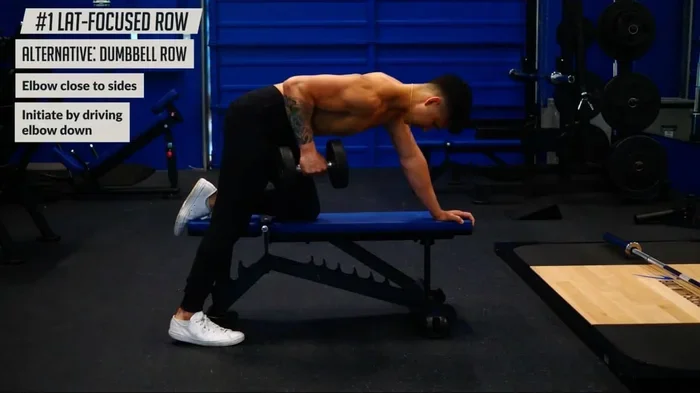
The single-arm dumbbell row is hands down one of the best dumbbell exercises for building back width. You place one hand and knee on a bench or chair, hold a dumbbell in the other hand, and pull it up toward your hip. The movement mimics a natural pulling pattern and lets you focus on one side at a time.
Keep your back flat and your core tight. Pull the dumbbell up slowly, squeezing your lat squeeze at the top. Lower it back down with control. Do 3 sets of 10-12 reps on each side. This exercise builds both size and strength in your back muscles.
Dumbbell Pullover
The dumbbell pullover is a classic exercise that hits the lats from a unique angle. You lie on your back on a flat bench or the floor, hold a dumbbell with both hands above your chest, and lower it behind your head in an arc motion. This stretches the lats under tension, which is incredibly effective for muscle growth.
Keep a slight bend in your elbows throughout the movement. Focus on feeling the stretch in your lats as you lower the weight and the contraction as you bring it back. This exercise also engages your chest muscles and serratus anterior, making it a great multi-muscle move for upper body strength.
Bent-Over Dumbbell Row
The bent-over dumbbell row is a compound movement that builds overall back thickness. You hinge at the hips, keep your back straight, and row the dumbbells up toward your lower chest. This exercise targets the mid-back and lower lats, complementing the upper lat work from other movements.
For a wide grip variation, spread your hands wider on the dumbbells to shift more emphasis toward the lats. For a closer grip, the middle back and rhomboids take on more work. Both variations are excellent for building a balanced back training routine.
Renegade Row
The renegade row combines a plank position with a rowing motion. You hold a dumbbell in each hand in a push-up position, row one dumbbell up, and switch sides. This exercise not only targets your lats but also fires up your core and stabilizer muscles.
Keep your hips square to the ground and avoid twisting. This movement requires good muscle control and balance. Start with lighter dumbbells and gradually increase the weight as you get stronger. It is a fantastic addition to any home workout routine.
How to Build a Lat Workout Routine at Home
Now that you know the best exercises, the next step is putting them together into a routine. A well-structured lat workout should hit your back muscles from different angles. This ensures complete development and prevents plateaus.
Here is a simple 3-day routine you can follow:
- Day 1: Single-Arm Dumbbell Row (3 sets of 10-12 reps per side), Dumbbell Pullover (3 sets of 12 reps), and Plank Hold (3 sets of 30 seconds).
- Day 2: Bent-Over Dumbbell Row (3 sets of 10-12 reps), Renegade Row (3 sets of 8 reps per side), and Dead Bug (3 sets of 10 reps per side).
- Day 3: Single-Arm Dumbbell Row (3 sets of 12 reps per side), Dumbbell Pullover (3 sets of 15 reps), and Bird Dog (3 sets of 10 reps per side).
Rest 60-90 seconds between sets. Increase the dumbbell weight every two weeks to keep challenging your muscles. This approach to progressive overload is essential for building muscle at home with only dumbbells.
If you are just getting started, check out our guide on how to workout with dumbbells at home for beginners for a solid foundation. You can also explore how to build muscle at home with only dumbbells for more full-body routines that complement your lat work.
Common Mistakes to Avoid During Lat Training
Even the best exercises will not deliver results if you make common mistakes. Here are the errors most people make when training their lats at home.
Using too much momentum. Swinging the dumbbell or jerking your body to complete a rep takes the tension off your lats. Slow down and control every rep. Your back muscles should be doing the work, not your momentum.
Rounding your back. A rounded back puts unnecessary stress on your spine and reduces lat activation. Keep your chest up and your core engaged throughout every exercise. Think about creating a straight line from your head to your hips.
Neglecting the scapular squeeze. Many people pull the dumbbell up but forget to squeeze their shoulder blades together at the top. This squeeze is where the real lat engagement happens. Pause for a second at the peak of each rep and focus on the contraction.
Lifting too much weight too soon. This is the fastest way to develop bad habits and risk injury. Start with a weight you can control for all reps with perfect form. You can always add more weight as you get stronger.
Expert Tips to Maximize Your Lat Growth
Getting the most out of your dumbbell lat exercises comes down to a few small but powerful details. These expert tips will help you get better results from every workout.
Focus on the mind-muscle connection. Before each set, take a moment to visualize your lats working. Imagine squeezing a tennis ball between your shoulder blades. This mental focus has been shown to increase muscle activation significantly.
Use a full range of motion. Do not shorten your reps to lift more weight. Lower the dumbbell fully to get a deep stretch on your lats, and pull it all the way up to fully contract the muscle. A complete range of motion stimulates more muscle fibers and leads to better growth.
Try different angles. Changing your body position changes which part of the lats you target. A more upright row emphasizes the upper lats. A more horizontal row targets the mid and lower lats. Mixing angles in your back training routine ensures complete development.
Pair your lat work with pulling exercises for other muscles. For example, adding bent-over rows alongside your lat exercises creates a well-rounded upper back workout. You can also practice rowing exercises at home without a machine to supplement your dumbbell work and build endurance in your posterior chain.
How Often Should You Train Your Lats?
Your lats are a large muscle group that recovers relatively quickly. Training them 2 to 3 times per week is ideal for most people. This frequency gives you enough stimulus to grow while allowing adequate rest between sessions.
Each session should last about 20-30 minutes. You do not need hours of training to build bigger lats. Quality reps with proper form and consistent effort will get you there. Give yourself at least one rest day between lat-focused workouts to let your back muscles recover and grow.
Track your progress by noting the weight you use and the number of reps you complete. When you can do all sets with good form at a given weight, increase it slightly. This steady progression is the foundation of muscle building at home.
Remember, building a wider back takes time. Stay patient, stay consistent, and trust the process. Your dumbbell lat workout will deliver results as long as you stick with it.
Final Thoughts
Training your lats at home with dumbbells is simple, effective, and completely doable. You do not need expensive equipment or a gym membership. A pair of dumbbells, a flat surface, and a willingness to show up consistently are all you need.
Focus on the exercises we covered. Pay attention to your form. Avoid the common mistakes that hold most people back. Follow the routine and give your muscles the time and stimulus they need to grow. Your back muscles will thank you with more strength, better posture, and that coveted V-taper shape.
Start today. Your future self will be glad you did. Train your lats at home with dumbbells and watch your back transform over the coming weeks and months.
Frequently Asked Questions
Can I build big lats with just dumbbells at home?
Absolutely. Dumbbells provide enough resistance to stimulate significant lat growth when you use proper form and progressive overload. Exercises like single-arm rows, pullovers, and bent-over rows target the lats from multiple angles and do not require any gym equipment.
How many times per week should I train my lats?
Training your lats 2 to 3 times per week is ideal for most people. This gives your muscles enough stimulus to grow while allowing proper recovery between sessions. Each workout should be focused and efficient, lasting around 20 to 30 minutes.
What is the best dumbbell exercise for lat width?
The single-arm dumbbell row is widely considered the best exercise for building lat width at home. It allows you to focus on each side individually, use a full range of motion, and really feel the lat engagement. Pair it with pullovers for a complete lat-width routine.
Do I need a bench to train my lats with dumbbells?
No, you do not need a bench. Many lat exercises can be done on the floor or with a chair. A bench is helpful for some movements like pullovers, but it is not required. You can still get an excellent lat workout using just the floor and your dumbbells.
How long does it take to see results from dumbbell lat exercises?
Most people start noticing changes in their back within 4 to 6 weeks of consistent training. Visible muscle growth typically takes 8 to 12 weeks, depending on your diet, recovery, and training intensity. Stay consistent and track your progress to stay motivated.
Can beginners train lats with dumbbells safely?
Yes, beginners can safely train their lats with dumbbells. Start with lighter weights to learn proper form. Focus on controlled movements and avoid using momentum. Once you feel comfortable with the technique, gradually increase the weight over time for steady and safe progress.
=== CONCLUSION ===
Training lats at home with dumbbells is one of the most efficient ways to build a wider, stronger back without stepping foot in a gym. You have everything you need right now. The exercises, the routine, and the knowledge to get started. The only thing left is to take action.
Stick with the movements we covered. Avoid the mistakes that slow most people down. And stay consistent with your back training schedule. Your lats will grow, your posture will improve, and your upper body will look stronger than ever before.
Grab your dumbbells, clear some space on your floor, and start your first lat workout today. The results are waiting for you.