Can I Jump Rope Without a Jump Rope
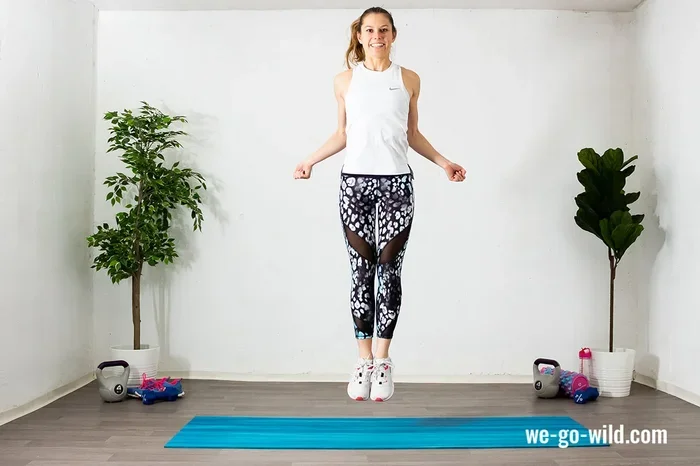
Yes, you can absolutely jump rope without a jump rope. Shadow jumping and imaginary rope techniques let you get the same cardio benefits, improve coordination, and burn calories using zero equipment. These no-equipment jump rope alternatives are perfect for beginners, travelers, and anyone looking for a quick cardio workout at home.
Have you ever watched someone jump rope and thought, “I want to try that, but I don’t have a rope”? You are not alone. Many people want the benefits of jump rope exercise but don’t have a rope handy. The good news is that you can absolutely jump rope without a jump rope and still get an amazing workout.
Shadow jumping is the practice of mimicking the jump rope motion without any rope at all. It looks simple, but it works your cardiovascular system, builds coordination, and burns calories just like the real thing. Whether you are in a small apartment, traveling, or just curious about the basics, jumping without a rope is a fantastic starting point.
In this guide, we will walk you through everything you need to know about doing jump rope exercises without equipment. You will learn the techniques, benefits, common mistakes, and how to progress from beginner to advanced. By the end, you will see that a rope is just a tool — the real workout comes from your movement.
Key Takeaways
- No rope needed: You can mimic the full jump rope motion using shadow jumping or an imaginary rope for a complete workout.
- Great for beginners: Practicing without a rope helps you master timing, rhythm, and footwork before adding equipment.
- Portable and free: No gear means you can do this anywhere, anytime, with zero cost.
- Low impact option: You can control intensity and reduce joint stress compared to using a heavy rope.
- Builds real skills: Shadow jumping improves coordination, balance, and agility the same way a real rope does.
- Easy to progress: You can increase speed, add variations, and build endurance without buying anything.
📑 Table of Contents
- What Does It Mean to Jump Rope Without a Jump Rope?
- Why Would You Want to Skip the Rope?
- How to Do It: Step by Step
- Benefits of Practicing Without a Rope
- Common Mistakes to Avoid
- How to Progress and Make It Harder
- How Long Should You Practice?
- Transitioning from Shadow Jumping to Real Rope
- Conclusion
What Does It Mean to Jump Rope Without a Jump Rope?
Jumping rope without a jump rope means performing the same jumping motion you would with a rope, but without the rope itself. You swing your arms in the rope arc, time your jumps, and follow the same rhythm. The only difference is that there is no rope hitting the ground.
This technique is often called shadow jumping or ghost rope jumping. Athletes use it to warm up, practice footwork, and build muscle memory. The motion targets the same muscles as real rope jumping — your calves, quads, glutes, shoulders, and core all get involved.
How Shadow Jumping Works
Here is how it works in simple terms. You stand with your feet together and arms relaxed at your sides. You swing your arms in a forward circle as if holding a rope. When the imaginary rope reaches your feet, you hop lightly off the ground. Then you swing again and jump again. That is the full motion.
The beauty of shadow jumping is that you control the pace. You can go slow to learn the rhythm or speed up for a high intensity challenge. You can also add single leg hops, cross-body movements, or high knees to make it harder.
Why Would You Want to Skip the Rope?
There are many reasons someone might want to jump rope without a rope. Let us look at the most common ones.
You Are Just Starting Out
Learning to jump rope with an actual rope can be frustrating at first. Timing the rope with your jumps takes practice. Shadow jumping lets you focus on the footwork and rhythm without worrying about the rope catching on your feet or tripping you up.
Once you feel comfortable with the basic motion, adding a real rope becomes much easier. Think of it as a stepping stone before you pick up equipment.
You Do Not Have Space or Equipment
Jumping rope with a real rope needs a bit of overhead clearance and a rope. Shadow jumping needs almost nothing. You can do it in a tiny bedroom, a hotel room, or even a crowded living room. All you need is a small patch of floor and your own body.
This makes it one of the best no equipment workouts you can do. There is no cost, no setup, and no cleanup.
You Want a Low Impact Option
For some people, the impact of jumping with a rope can be tough on the knees or ankles. Shadow jumping lets you control how hard you land. You can do gentle, small hops that are much easier on your joints. If you have knee concerns, check out our guide on how to jump rope without hurting your knees for more joint-friendly tips.
How to Do It: Step by Step
Getting started with jumping rope without a rope is easy. Follow these steps to nail the technique from day one.
Step 1: Find Your Stance
Stand with your feet hip-width apart. Keep your knees slightly bent and your core engaged. Your posture should be tall but relaxed. Your arms should hang naturally at your sides.
Step 2: Swing Your Arms
Bring your hands up to about waist level. Pretend you are holding a rope. Swing your arms forward in a smooth circular motion. Keep the movement small and controlled. You do not need big arm circles — just enough to create the rope arc.
Step 3: Time Your Jump
As your hands come around to the front, hop just a few inches off the ground. Land softly on the balls of your feet. Keep your jumps small and light. The goal is a quick, quiet landing.
Step 4: Find Your Rhythm
Keep a steady pace. Swing and jump, swing and jump. Focus on breathing naturally. Start with 30 seconds and work your way up as you get more comfortable.
Quick Tips for Success
- Keep your jumps small — you only need an inch or two of clearance.
- Land softly — absorb the impact through your feet and calves.
- Look forward — not down at your feet.
- Breathe steadily — do not hold your breath.
- Start slow — build speed as your coordination improves.
Benefits of Practicing Without a Rope
Shadow jumping is not just a poor substitute for real rope jumping. It has its own unique benefits that make it a valuable exercise on its own.
Improves Coordination and Timing
Jump rope exercise is all about timing. When you do not have a rope to rely on, you must develop your internal sense of rhythm. This improves your body coordination and motor skills in a big way. Many athletes use shadow jumping as a coordination training drill.
Builds Footwork and Agility
The footwork you develop through no rope jump rope practice translates directly to sports like boxing, basketball, and tennis. You learn to move your feet quickly and lightly, which improves your overall agility on the field or court.
Burns Calories and Boosts Cardio
Shadow jumping gets your heart rate up just like real rope jumping. It is a great form of bodyweight cardio that you can do anywhere. A 10-minute session can burn a meaningful number of calories, depending on your intensity level. For more guidance on workout duration, check out how many minutes a day you should jump rope.
Zero Equipment, Zero Excuses
The biggest benefit is simplicity. You do not need to buy a rope, find storage space, or worry about tangled cords. Your workout is always ready to go. This removes every excuse and makes it easy to stay consistent with your fitness routine.
Common Mistakes to Avoid
Even though shadow jumping is simple, there are a few mistakes that can hold you back or cause injury. Watch out for these.
Jumping Too High
One of the biggest mistakes is jumping way too off the ground. When you use a real rope, the rope forces you to keep your jumps low. Without a rope, people tend to jump higher than needed. This wastes energy and increases impact on your joints. Keep your jumps small and light.
Landing on Your Heels
Always land on the balls of your feet. Landing on your heels sends shock straight up through your ankles and knees. Soft, quiet landings are the goal. Think of yourself as a ninja — light and silent.
Poor Posture
Slouching or leaning forward will throw off your balance and reduce the effectiveness of the workout. Keep your back straight, shoulders relaxed, and core tight. Good posture makes every exercise better.
Going Too Fast Too Soon
It is tempting to try to match the speed of someone doing real rope jumping right away. Do not do this. Start at a comfortable pace and focus on form. Speed will come naturally as your coordination improves.
How to Progress and Make It Harder
Once you have the basics down, you can make shadow jumping more challenging in several ways.
Add Speed
Increase the speed of your arm swings and jumps gradually. Faster swings mean faster jumps, which raises your heart rate and increases the calories burned.
Try Single Leg Hops
Jump on one foot, then switch. This builds single-leg strength and balance. It also mimics advanced jump rope techniques like the side hop and the criss-cross.
Add High Knees
Bring your knees up toward your chest as you jump. This turns shadow jumping into a high intensity interval training move that targets your core and hip flexors.
Combine with Bodyweight Exercises
You can mix shadow jumping with squats, lunges, or push-ups for a full-body no equipment workout. This is a great way to get a complete session in a small space.
How Long Should You Practice?
For beginners, start with 1 to 2 minutes of shadow jumping at a time. Rest for 30 seconds, then repeat. Aim for 3 to 5 rounds. As your fitness improves, you can extend each round to 3 or 5 minutes and reduce your rest time.
A good target is to work up to 10 to 15 minutes of continuous shadow jumping per session. For more specific timing guidance, check out how many minutes a day you should jump rope. This will help you plan your jump rope routine even without a real rope.
The beauty of this approach is that you can practice every day. Unlike heavy rope jumping, which can be tough on your joints if overdone, shadow jumping is gentle enough for daily practice. Just listen to your body and rest when needed.
Transitioning from Shadow Jumping to Real Rope
When you feel ready to pick up an actual rope, the transition is smooth. You already have the timing, rhythm, and footwork down. The only new skill is learning to manage the rope itself.
Start with a basic beaded jump rope. These are easier to control than speed ropes and give you clear feedback when the rope passes under your feet. Practice the same shadow jumping rhythm, but now add the rope swinging over your head.
Within a few sessions, you will likely find that you can jump rope with a real rope much faster than a complete beginner. All that shadow practice paid off.
Remember, you can always go back to jumping without a rope anytime. Many experienced jumpers use shadow jumping as a warm-up before their main rope session. It is a valuable tool at every level.
Conclusion
Can you jump rope without a jump rope? Absolutely yes. Shadow jumping and imaginary rope techniques give you a full-body cardio workout with zero equipment. You can improve your coordination, burn calories, build footwork, and get fit — all without ever picking up a rope.
Whether you are a complete beginner, a traveler, or someone who prefers low-impact exercise, jumping rope without a rope is a smart and effective choice. Start with the basic technique, practice consistently, and progress at your own pace. The rope is optional. The workout is not.
So next time you want a quick cardio session but do not have your rope handy, just start shadow jumping. Your body will feel the difference, and your coordination will thank you.
Frequently Asked Questions
Can you get a good workout by jumping without a rope?
Yes, shadow jumping provides a solid cardio workout that burns calories, improves coordination, and builds endurance. It may not be as intense as real rope jumping at advanced levels, but for beginners and general fitness, it is highly effective and requires zero equipment.
How is shadow jumping different from regular jump rope?
The main difference is the absence of the rope. Shadow jumping uses the same arm swing and jump rhythm, but you do not have to time the rope. This makes it easier to learn and gentler on your joints, while still building the same muscles and cardiovascular benefits.
Is shadow jumping good for beginners?
It is one of the best ways to start. You can focus on footwork, rhythm, and breathing without the frustration of a rope getting in the way. Once you master the basic motion, transitioning to a real rope becomes much smoother and faster.
Can shadow jumping help with weight loss?
Yes, it can contribute to weight loss when done consistently as part of a balanced routine. Shadow jumping raises your heart rate and burns calories, especially when you increase speed and add variations like high knees or single-leg hops. For more details on calorie burn, check out how much weight you can lose with jump rope.
Do I need any special shoes for shadow jumping?
You do not need special shoes, but supportive athletic footwear helps. A good pair of sneakers with cushioning protects your joints and provides stability. Avoid jumping barefoot on hard surfaces, as this can strain your feet and ankles over time.
How often should I practice shadow jumping?
You can practice shadow jumping daily since it is low impact. Start with 5 to 10 minutes per session and gradually increase to 15 to 20 minutes. Listen to your body and take rest days if you feel any joint discomfort or fatigue.