Does Jump Rope Burn More Fat Than Running

Does jump rope burn more fat than running? The answer depends on intensity, duration, and your fitness goals. Both jump rope fat burn and running create a calorie deficit, but rope jumping often wins for time efficiency and metabolic boost. Let us break down the science so you can pick the best fat loss workout for your body.
Have you ever wondered whether does jump rope burn more fat than running? It is a question fitness lovers ask all the time. Maybe you are trying to lose weight, tone up, or just find the best fat loss workout for your busy schedule. Whatever your reason, this guide breaks it all down in simple terms.
We will look at the science behind jump rope fat burn and running. You will learn which exercise burns more calories, which one targets belly fat better, and how to choose the right option for your goals. By the end, you will have a clear answer backed by real numbers and practical tips.
Does jump rope burn more fat than running? The short answer is: it depends. But the longer answer is much more interesting. Stick around, and we will walk through everything step by step.
Key Takeaways
- Jump rope burns more calories per minute than most running paces, making it a top choice for quick fat loss workouts.
- Running offers longer sustained effort, which helps build endurance and burn fat over extended sessions.
- The afterburn effect (EPOC) is stronger with high-intensity jump rope sessions, helping you burn fat even after you stop.
- Jump rope is easier on your joints than running when done on the right surface with proper form.
- Consistency matters more than the exercise type — the best workout is the one you will actually do regularly.
- Combining both exercises can give you the best of calorie burn, endurance, and muscle engagement.
📑 Table of Contents
How Does Jump Rope Burn Fat?
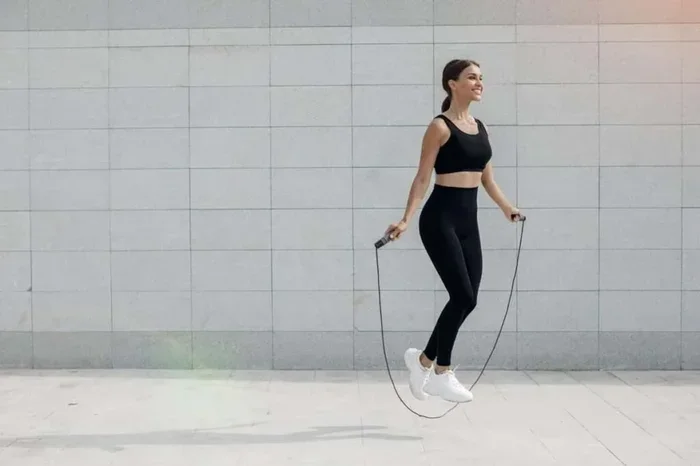
Jump rope fat burn happens because rope jumping is a high-intensity cardiovascular exercise. When you jump, your whole body works hard. Your legs push off the ground, your core stabilizes your trunk, and your arms turn the rope. This full-body effort drives your heart rate up fast.
Here is why that matters for fat loss. When your heart rate stays in a high zone, your body taps into stored fat for fuel. Jump rope workouts also create what experts call the afterburn effect. This means your body keeps burning calories at an elevated rate even after you finish jumping.
The Role of Intensity in Fat Burning
Not all cardiovascular exercise is created equal. The intensity of your workout determines how much fat oxidation happens. Jump rope allows you to push intensity levels very quickly. Even a few minutes of fast jumping can put you into a high-intensity interval training (HIIT) zone.
Compare that to a leisurely jog. A light run burns calories, but it may not push your body hard enough to trigger the same metabolic response. This is where rope jumping really shines for people who want maximum results in minimum time.
Muscle Engagement Boosts Fat Loss
One big advantage of jump rope is the muscle engagement. Rope jumping works your calves, quads, glutes, core, shoulders, and arms. The more muscles you activate, the more calories you burn. This also helps improve your body composition — meaning you lose fat while keeping or even building lean muscle.
Running, on the other hand, mainly targets your lower body. It is still a great exercise, but it does not engage your upper body the same way. This difference in muscle recruitment affects how much total energy your body uses during and after the workout.
How Does Running Burn Fat?
Running is one of the most popular weight loss exercises in the world. And for good reason. It is simple, accessible, and effective. But how exactly does running help you burn fat?
When you run, your body uses a mix of carbohydrates and fat for fuel. At lower intensities, like a steady fat burning zone pace, your body relies more on fat as fuel. At higher intensities, it burns more carbs overall, but the total calorie burn — including fat calories — is still higher.
Steady-State Running and Fat Loss
Steady-state cardio means running at a consistent, moderate pace for an extended period. This type of aerobic exercise is great for building endurance and burning fat over time. A 30-minute run can burn a significant number of calories, especially if you maintain a challenging pace.
The benefit of steady-state running is that it is sustainable. Many people can run for 30 to 60 minutes, which creates a large calorie deficit. A bigger calorie deficit leads to more fat loss over time. This is why running remains a favorite for long-term weight loss goals.
The Running Afterburn
Running also has an afterburn effect, but it is typically smaller than what you get from jump rope. High-intensity running, like sprint intervals, can boost excess post-exercise oxygen consumption (EPOC). This means your body continues burning extra calories for hours after your run ends.
However, most people run at a moderate pace, which keeps the afterburn modest. If you want to maximize fat burn from running, try adding sprint intervals or hill workouts to your routine. These boost intensity and trigger a stronger metabolic response.
Calorie Burn Comparison: Jump Rope vs Running
Numbers tell a clear story. Let us look at how many calories each exercise burns. This is the part most people care about when asking does jump rope burn more fat than running.
According to research and fitness data, a 155-pound person burns roughly:
- Jump rope (moderate pace): about 300 calories in 30 minutes
- Jump rope (vigorous pace): about 370 calories in 30 minutes
- Running (6 mph / 10 min mile): about 300 calories in 30 minutes
- Running (8 mph / 7.5 min mile): about 400 calories in 30 minutes
At first glance, these numbers look close. But here is the key detail: jump rope burn per minute is often higher than running at a moderate pace. You can check our detailed breakdown of how many calories jump rope burns per minute for exact numbers at different intensities.
Also, because jump rope is so intense, most people cannot sustain it for a full 30 minutes. Running is easier to maintain for longer periods. So the real-world fat burn depends on how long you actually keep going.
| Exercise | Calories per 30 Min (155 lb) | Calories per Minute | Sustainability |
|---|---|---|---|
| Jump Rope (Moderate) | ~300 | ~10 | 10-20 min |
| Jump Rope (Vigorous) | ~370 | ~12 | 10-15 min |
| Running (6 mph) | ~300 | ~10 | 30-60 min |
| Running (8 mph) | ~400 | ~13 | 15-30 min |
As you can see, jump rope wins on per-minute calorie burn. Running wins on total session length. The best choice depends on your fitness level and how much time you have.
Which Exercise Burns More Belly Fat?
Many people ask specifically about belly fat reduction. The truth is, you cannot spot-reduce fat. Doing endless crunches will not melt belly fat. Fat loss happens across your whole body when you create a consistent calorie deficit.
That said, some exercises help reduce overall body fat more effectively than others. And visceral fat — the dangerous fat around your organs — responds well to high-intensity exercise. Jump rope, with its ability to rapidly elevate your heart rate, is excellent for targeting this type of fat.
Running also helps reduce belly fat, especially when combined with a healthy diet. A regular running routine creates the calorie deficit needed for fat loss. But if you are short on time, jump rope fat burn can deliver similar results in less than half the time.
For a deeper look at how long you need to jump rope to see real fat loss results, check out our guide on how long to jump rope to burn fat. It includes specific time targets based on your goals.
Impact on Joints and Injury Risk
This is an important factor that many people overlook. Impact on joints can make or break your fitness journey. If you hurt your knees or ankles, you cannot work out at all.
Running is a high-impact activity. Every stride sends a shock through your knees, hips, and ankles. Over time, this can lead to joint pain, shin splints, or stress fractures — especially if you run on hard surfaces like concrete.
Jump rope also has impact, but it is different. When you jump rope, both feet leave and land on the ground together. The contact time is very short. This distributes force more evenly. Plus, you can jump on a yoga mat, wooden floor, or rubber surface to reduce impact even further.
Proper form makes a huge difference in both exercises. Keep your knees slightly bent when jumping rope. Land softly on the balls of your feet. For running, wear supportive shoes and avoid overstriding.
If you have existing joint issues, jump rope may actually be the safer option — as long as you keep the intensity manageable and use proper technique.
Which Is Better for Weight Loss Overall?
So, does jump rope burn more fat than running? We have covered the science. Now let us bring it all together with a clear verdict.
If your main goal is maximum calorie burn in minimum time, jump rope is the winner. It burns more calories per minute, engages more muscles, and creates a stronger afterburn effect. A 15-minute jump rope session can rival a 30-minute run in terms of fat burn.
If your goal is building endurance, enjoying outdoor exercise, or running long distances, then running is the better choice. It is easier to sustain for long periods, and it builds cardiovascular fitness in a different way.
The best approach? Combine both. Use jump rope for quick, intense fat loss workouts during the week. Go for a run on days when you want longer, steady effort. This keeps your routine fresh and challenges your body in different ways.
For a more detailed comparison of these two exercises for weight loss, read our article on is running or jump rope better for weight loss. It covers long-term sustainability, muscle preservation, and real-world results.
Does jump rope burn more fat than running? The honest answer is both — but jump rope gives you more bang for your buck when time is limited. Pick the one that fits your lifestyle, and stick with it consistently. That is what truly drives fat loss results.
Frequently Asked Questions
Can jump rope reduce belly fat specifically?
No exercise can spot-reduce fat from one area. However, jump rope is a high-intensity workout that burns overall body fat, including belly fat. Combined with a healthy diet, consistent jump rope sessions will help you lose fat all over, including your midsection.
How many minutes of jump rope equal a run?
Generally, 10 to 15 minutes of vigorous jump rope burns roughly the same calories as 30 minutes of moderate running. The exact comparison depends on your weight, pace, and intensity level. Jump rope is more time-efficient for calorie burn.
Is jump rope or running better for beginners?
Running is usually easier for absolute beginners because it requires less coordination. Jump rope has a learning curve — you need to time your jumps and keep the rope at the right speed. Start with short intervals of 1 to 2 minutes and build up gradually.
Will jumping rope every day cause injury?
Jumping rope every day can lead to overuse injuries if you do not rest enough. Start with 3 to 4 sessions per week and give your joints time to recover. Use proper shoes and a forgiving surface to minimize impact stress.
Does running or jump rope burn more calories?
Per minute, jump rope typically burns more calories than running at a moderate pace. However, running for longer periods can match or exceed the total calorie burn of a short jump rope session. The winner depends on how long and how hard you go.
What is the best time of day to jump rope for fat loss?
There is no magic time. The best time is whenever you can be consistent. Some people prefer morning jump rope to kickstart their metabolism. Others like evening sessions to burn off stress. Pick what fits your schedule and stick with it.
=== CONCLUSION ===
Does jump rope burn more fat than running? Both exercises are excellent tools for fat loss, but they work in different ways. Jump rope delivers a powerful, time-efficient fat loss workout with high calorie burn and a strong afterburn effect. Running builds endurance and allows for longer sessions that create a steady calorie deficit.
The best exercise is the one you enjoy and will do consistently. If you love the rhythm of jumping rope, make it your go-to cardiovascular exercise. If you prefer the simplicity of running, lace up and hit the pavement. Better yet, use both to keep your body challenged and your workouts exciting.
Start where you are. Use what you have. Do what you can. The path to burning fat and getting healthier starts with a single step — or in this case, a single jump.