How Long Should I Jump Rope for Boxing
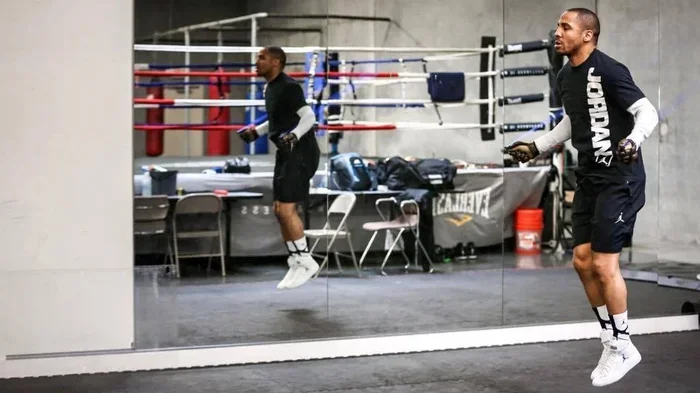
Jumping rope for boxing typically requires 15 to 30 minutes per session, depending on your fitness level and training goals. Whether you are a beginner boxer or a seasoned fighter, the right jump rope duration can boost your cardio, footwork, and overall ring performance. This guide breaks down exactly how long to jump rope for boxing, with practical plans and expert tips you can start using today.
Key Takeaways
- Start with 15 minutes: Beginners should aim for 15-minute sessions and gradually increase duration as stamina builds.
- Boxing fighters train 20 to 30 minutes: Experienced boxers benefit from longer sessions that mimic round durations.
- Use interval training: Alternating between high-intensity bursts and rest periods boosts boxing-specific fitness.
- Match your rope length to your height: Using the wrong rope length can waste time and cause tripping.
- Consistency matters more than duration: Regular short sessions beat occasional long workouts for building boxing endurance.
- Combine jump rope with other drills: Pair rope sessions with shadow boxing and bag work for a complete training routine.
📑 Table of Contents
- How Long Should I Jump Rope for Boxing?
- Jump Rope Duration by Fitness Level
- Structuring Your Jump Rope Session for Boxing
- Common Jump Rope Mistakes Boxers Make
- Expert Tips to Maximize Your Jump Rope Boxing Sessions
- How Long Should I Jump Rope for Boxing? The Bottom Line
- Comparison: Jump Rope Duration by Boxing Goal
How Long Should I Jump Rope for Boxing?
If you have ever walked into a boxing gym, you have probably seen fighters spinning ropes before stepping into the ring. Jump rope for boxing is one of the most effective boxing training tools out there. It builds cardio for boxing, sharpens boxing footwork, and develops the kind of boxing endurance that separates good fighters from great ones.
But here is the real question: how long should you actually jump rope for boxing? The answer depends on several factors. Your fitness level, your training goals, and your experience all play a role. This guide will walk you through everything you need to know about jump rope duration for boxing. You will learn how to structure your sessions, avoid common mistakes, and get the most out of every minute on the rope.
Rope skipping is not just a warm-up anymore. Fighters at every level use it as a core part of their boxing conditioning program. Whether you are training for your first amateur bout or sharpening your skills at the gym, understanding the right duration and intensity will take your boxing fitness to the next level.
Why Jump Rope for Boxing Training?
Before we dive into timing, let us quickly cover why rope skipping is so valuable for boxers. The benefits go far beyond just burning calories. When you pick up a speed rope, you are training your entire body to work together. Your hands, feet, and breathing all need to sync up.
Here are the top reasons boxers rely on jump rope:
- Builds cardiovascular endurance: Boxing rounds demand sustained effort. Jump rope trains your heart and lungs to keep going.
- Improves footwork: The small, quick movements you make on the rope directly translate to better movement in the ring.
- Enhances coordination: Coordinating your hands, feet, and eyes is essential for throwing clean punches and dodging strikes.
- Burns calories efficiently: A solid jump rope session can torch a significant number of calories in a short time.
- Sharpens timing and rhythm: Boxing is all about timing. The rhythm of the rope helps develop your internal clock.
- Low impact on joints: Compared to running, rope skipping is gentler on your knees and ankles when done correctly.
These benefits explain why almost every boxing gym has ropes hanging from the ceiling. Now let us get into the specific durations that work best for different types of boxers.
Jump Rope Duration by Fitness Level
Not every boxer should jump rope for the same amount of time. Your fitness level determines how long your sessions should last. Pushing too hard too soon leads to burnout and poor form. Starting too easy means you will not get the training effect you need.
For Beginners (Weeks 1 to 4)
If you are new to boxing training, start with short sessions. 15 minutes is a solid starting point. Break it into three rounds of five minutes each with one-minute rest breaks in between. Focus on mastering basic jump rope technique before trying to go longer.
During these early sessions, work on maintaining a steady rhythm. Do not worry about speed yet. The goal is to build a habit and let your body adapt to the impact. Think of this phase as laying the foundation. Once you can comfortably complete 15 minutes, you can start adding time.
Many beginners make the mistake of jumping for too long too soon. This leads to sore calves, tired ankles, and eventually giving up. Keep your early sessions manageable and enjoyable. You want to come back for the next session feeling strong, not exhausted.
For Intermediate Boxers (Weeks 5 to 12)
Once you have built a base, you can increase your jump rope duration to 20 or 25 minutes. At this stage, you should start incorporating jump rope intervals. Alternate between one minute of fast skipping and 30 seconds of slower recovery jumps.
Intermediate boxers benefit from adding double unders into their routine. These require more coordination and energy, which means you will naturally build boxing stamina faster. Aim for two to three sessions per week at this level.
Your boxing conditioning will start to show real improvements during this phase. You will notice that you can go longer on the heavy bag without getting as tired. Your footwork will feel lighter and more responsive. These are all signs that your rope skipping sessions are paying off.
For Advanced Boxers (12 Weeks and Beyond)
Experienced fighters can handle 30 to 45 minute sessions. Advanced boxers often use their jump rope routine as part of a larger boxing workout that includes bag work, sparring, and strength training.
At this level, you can experiment with different jump rope techniques like criss-crosses, side swings, and high-knee jumps. These variations challenge your body in new ways and keep your boxing drills fresh and engaging.
Advanced fighters should also pay attention to workout intensity rather than just duration. A focused 20-minute session with high effort can be more effective than a sluggish 45-minute session. Quality always wins when it comes to boxing fitness.
Structuring Your Jump Rope Session for Boxing
Knowing how long to jump rope is only half the battle. You also need to know how to structure your session. A well-planned jump rope workout will maximize your boxing endurance and help you see real results.
The Warm-Up Phase (3 to 5 Minutes)
Every session should start with a warm-up. Jump at a comfortable pace for the first few minutes. This gets your blood flowing and prepares your ankles, calves, and shoulders for the work ahead. Do not skip this step. Cold muscles are more prone to injury, and your performance will suffer.
The Main Training Phase (10 to 25 Minutes)
This is where the real work happens. Depending on your level, this phase can last anywhere from 10 to 25 minutes. Use a workout timer to keep your intervals structured. Here are three effective formats:
- Steady State: Jump at a moderate pace for the entire block. Great for building base endurance.
- Interval Training: Alternate between 30 seconds of fast skipping and 30 seconds of rest. This mimics the intensity of boxing rounds.
- Technique Focus: Spend a few minutes on specific skills like double unders or single-leg hops, then return to steady jumping.
The Cool-Down Phase (3 to 5 Minutes)
Finish each session with a gradual slowdown. Jump at a very easy pace for the last few minutes, then stretch your calves, hamstrings, and shoulders. Cooling down helps your muscles recover and reduces soreness the next day.
Common Jump Rope Mistakes Boxers Make
Even experienced fighters make mistakes with their jump rope training. Avoiding these errors will save you time and help you get better faster.
Using the Wrong Rope Length
If your rope is too long or too short, you will trip constantly and waste energy. How long of a jump rope should I get? The general rule is to stand on the middle of the rope and pull the handles up. They should reach your armpits. For more specific guidance on how long of a jump rope should I use, check out our detailed sizing guide.
Jumping Too High
You do not need to jump several inches off the ground. Just enough clearance to let the rope pass under your feet is all you need. Jumping too high wastes energy and increases impact on your joints. Keep your jumps small and efficient.
Skipping Rest Days
Your body needs time to recover. Jumping rope every single day without rest leads to overuse injuries, especially in the calves and shins. Give yourself at least one or two rest days per week. Your boxing stamina will actually improve during recovery.
Neglecting Proper Form
Keep your elbows close to your sides and use your wrists to turn the rope. Leaning too far forward or backward throws off your balance and wastes energy. Good form means you get more benefit from every minute on the rope.
Expert Tips to Maximize Your Jump Rope Boxing Sessions
Getting the most out of your jump rope for boxing sessions comes down to a few key details. These expert tips will help you train smarter, not just harder.
Use a Weighted Rope for Strength
A weighted jump rope adds resistance and builds forearm and shoulder strength. This translates directly into more powerful punches and better clinch control. However, weighted ropes are not ideal for speed work. Use them for short, focused sessions rather than long endurance training.
Track Your Progress
Keep a log of your jump rope sessions. Note the duration, interval structure, and how you felt. Over time, you will see patterns and improvements. Tracking also keeps you motivated and accountable.
Pair Rope Work with Shadow Boxing
One of the best ways to improve your boxing footwork is to combine jump rope with shadow boxing. Jump rope for 5 minutes, then shadow box for 3 minutes, and repeat. This combo trains your cardio and your ring movement at the same time.
Invest in Good Shoes
Your footwear matters more than you might think. A good pair of boxing shoes or cross-trainers provides the support and cushioning you need for repetitive jumping. Cheap or worn-out shoes increase your risk of ankle and knee injuries.
Stay Hydrated
Jump rope sessions can be surprisingly intense, especially when you are doing intervals. Keep water nearby and sip regularly. Dehydration kills performance and slows recovery.
How Long Should I Jump Rope for Boxing? The Bottom Line
The ideal jump rope duration for boxing depends on where you are in your training journey. Beginners should start with 15 minutes and build up. Intermediate boxers can push to 20 to 30 minutes with structured intervals. Advanced fighters may train for 30 to 45 minutes at high intensity.
Whatever your level, the key is consistency. Short, regular sessions will always beat occasional long workouts. Pair your rope skipping with other boxing drills and listen to your body. Over time, you will notice stronger cardio, better footwork, and improved boxing endurance in the ring.
If you want to learn more about jump rope duration for other goals like weight loss or general cardio, check out our guides on how long to jump rope for weight loss and how long to jump rope for good cardio. These resources complement your boxing training perfectly and help you build a well-rounded fitness plan.
Start today. Grab your rope, set a timer, and commit to 15 focused minutes. Your future self in the ring will thank you.
Comparison: Jump Rope Duration by Boxing Goal
| Training Goal | Duration | Frequency | Intensity |
|---|---|---|---|
| Beginner Stamina | 15 minutes | 3x per week | Moderate |
| Fat Burning | 20 minutes | 4x per week | High (intervals) |
| Boxing Endurance | 25 to 30 minutes | 3 to 4x per week | Moderate to High |
| Advanced Conditioning | 30 to 45 minutes | 4 to 5x per week | High |
| Skill and Technique | 10 to 15 minutes | Daily | Low to Moderate |
This table gives you a quick reference for planning your weekly jump rope routine. Adjust the durations based on how your body responds. Some days you will feel stronger and can push a little longer. Other days, keep it short and focus on technique. Flexibility is key to long-term progress in boxing training.
Remember that how long you jump rope for boxing is not a fixed number. It is a range that shifts as you grow stronger and more skilled. The best approach is to start conservatively, track your progress, and gradually increase your jump rope duration over weeks and months. This steady progression builds lasting boxing stamina without the risk of injury or burnout.
For more insights on building boxing endurance through rope work, explore our guide on how long to jump rope to burn fat, which covers interval strategies that pair well with boxing conditioning. And if you are just starting out, our beginner jump rope guide will help you set the right foundation from day one.
Frequently Asked Questions
How long should a beginner jump rope for boxing?
Beginners should start with 15-minute sessions, three times per week. Break it into three five-minute rounds with one-minute rest breaks. Focus on building a consistent habit and proper form before increasing duration.
Can jump rope replace running for boxing cardio?
Yes, jump rope for boxing can replace running as your primary cardio tool. Rope skipping develops boxing-specific endurance, footwork, and coordination that running alone cannot provide. Many fighters prefer it because it trains the exact movement patterns used in the ring.
How many minutes of jump rope should I do per boxing session?
Aim for 15 to 30 minutes per session depending on your fitness level. Intermediate boxers typically benefit from 20 to 25 minutes with structured intervals. Advanced fighters can extend to 30 to 45 minutes for comprehensive boxing conditioning.
Is 20 minutes of jump rope enough for boxing training?
For most boxers, 20 minutes is an effective duration. It provides enough time to build cardio for boxing and work on technique without causing excessive fatigue. Pair it with other drills like bag work and sparring for a complete training session.
Should I jump rope before or after boxing sparring?
Jump rope works best as a warm-up before sparring or bag work. It raises your heart rate, activates your muscles, and sharpens your coordination. Save the intense rope skipping for before the main training portion of your session.
How often should I jump rope for boxing?
Three to five sessions per week is ideal for most boxers. Beginners should start with three sessions and gradually increase frequency as their boxing stamina improves. Always include at least one or two rest days for proper recovery.
=== CONCLUSION ===
Jump rope for boxing is one of the simplest and most effective tools in any fighter’s training arsenal. The right jump rope duration can transform your cardio, footwork, and ring confidence. Start where you are, progress steadily, and stay consistent with your sessions.
Whether you are a beginner just getting started or an experienced fighter sharpening your edge, the principles remain the same. Train smart, listen to your body, and make rope skipping a regular part of your boxing workout. The results will show up in the ring.