How to Do the Boxer Skip Jump Rope
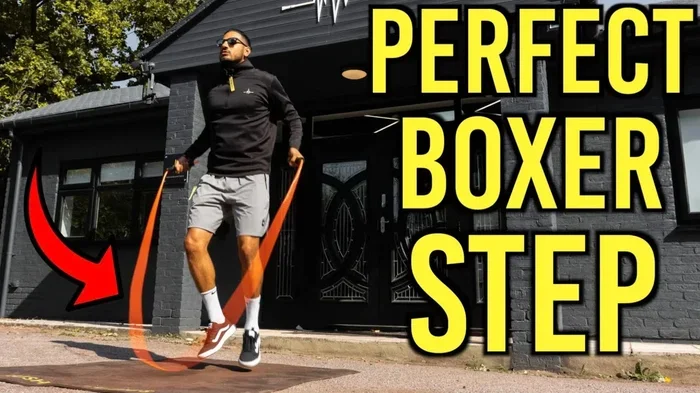
The boxer skip is a foundational jump rope technique inspired by boxing footwork. It combines rhythmic bouncing with alternating foot movements to build coordination, agility, and endurance. This guide breaks down every step so you can learn the boxer skip quickly and safely, whether you are a complete beginner or looking to refine your jump rope skills.
The boxer skip jump rope is one of the most popular techniques in fitness routines and boxing training alike. It looks smooth, it feels natural, and it delivers an incredible full-body workout. If you have ever watched a boxer warm up in the ring, you have seen this move in action.
What makes the boxer skip so special is how it trains your body to move with rhythm and precision. Unlike basic bouncing, this technique requires you to shift your weight from foot to foot while keeping a steady bounce. The result is a dynamic exercise that improves your foot speed, hand-eye coordination, and cardiovascular endurance all at once.
Whether you are brand new to rope skipping or you have been jumping for a while, the boxer skip is a technique worth adding to your toolkit. In this guide, we walk you through every detail, from the basic stance to advanced tips that will help you master it with confidence.
Key Takeaways
- Boxer Skip Basics: The boxer skip mimics a boxer’s stance and footwork, making it one of the most effective jump rope techniques for building lower-body coordination.
- Easy to Learn: With a simple step-by-step approach, most people can pick up the boxer skip within a few practice sessions.
- Great for Cardio: This technique elevates your heart rate quickly, making it a powerful tool for fat burning and cardiovascular health.
- Common Mistakes Are Fixable: Issues like jumping too high or tensing your shoulders are easy to correct with the right tips.
- Proper Rope Length Matters: Using a correctly sized rope is essential for smooth execution. You can learn how to adjust the length of a jump rope before you start.
- Progressive Difficulty: Once you master the basics, you can layer in variations to keep challenging yourself and building agility.
📑 Table of Contents
What Is the Boxer Skip Jump Rope Technique?
The boxer skip is a jump rope technique that imitates the footwork of a boxer in the ring. Instead of jumping with both feet at the same time, you alternate your feet in a rhythmic pattern. One foot lifts slightly off the ground while the other stays planted, then they switch.
This movement creates a lateral sway in your hips, which is exactly what gives the boxer skip its distinctive look and feel. It is a plyometric exercise that trains your fast-twitch muscle fibers, improving your agility and reaction time over time.
Many people find the boxer skip easier on the joints than high-impact jumping because the range of motion is smaller. You do not need to jump very high at all. Just enough to let the rope pass underneath you. This makes it a great option for people who want a low-impact cardio workout with a lot of benefits.
Why Is It Called the Boxer Skip?
The name comes directly from the way boxers move their feet during a fight. Boxers constantly shift their weight between their lead foot and their rear foot. This keeps them balanced, ready to punch, and prepared to move in any direction. The boxer skip replicates that same weight transfer in a simplified, rhythmic pattern.
Boxing coaches have used this movement for decades as a warm-up drill. It teaches fighters how to stay light on their feet while maintaining a steady rhythm. Translating that same drill into a jump rope workout gives anyone access to these benefits, whether they ever step into a ring or not.
Why the Boxer Skip Is a Game-Changer for Your Workout
The boxer skip is not just a cool-looking move. It offers a wide range of fitness benefits that make it a standout addition to any jump rope workout. Here is why you should consider adding it to your routine.
It Builds Real Coordination
Jumping rope with alternating feet requires your brain to communicate with both sides of your body at the same time. This kind of bilateral coordination is hard to develop with most exercises. The boxer skip forces your legs, arms, and eyes to work together in a smooth, continuous pattern.
Over time, you will notice improvements in your overall motor skills. This carries over into sports, daily activities, and other fitness routines where coordination matters.
It Boosts Foot Speed and Agility
Because the boxer skip involves quick, light steps, it naturally trains your feet to move faster. Boxers rely on fast footwork to dodge punches and create angles. By practicing this agility training technique with a rope, you build the same kind of quick, responsive movement.
Even if you are not a boxer, faster feet mean better performance in running, dancing, and almost every sport. It is a practical skill that goes beyond the gym.
It Burns Calories Efficiently
Rope skipping is already one of the most efficient calorie-burning exercises available. Adding the boxer skip increases the intensity because it engages more muscles. Your legs, core, and shoulders all work together to maintain the rhythm and the lateral movement.
A 15-minute session of boxer skip cardio can burn a significant number of calories, making it a time-saving option for people with busy schedules. You get more done in less time compared to steady-state exercises like jogging.
It Is Gentle on Your Joints
Unlike running on pavement, the boxer skip keeps your impact low. You only need a few inches of clearance for the rope to pass under your feet. This means less stress on your knees, ankles, and hips while still giving you a challenging endurance workout.
How to Do the Boxer Skip: Step-by-Step Guide
Now that you understand what the boxer skip is and why it is so effective, let us get into the actual technique. Follow these steps carefully, and you will be skipping like a boxer in no time.
Step 1: Set Up Your Jump Rope Correctly
Before you start moving, make sure your rope is the right length. Stand on the middle of the rope with both handles pulled up. The handles should reach roughly to your armpits. If your rope is too long or too short, it will throw off your timing and make the technique harder to learn.
Not sure about your rope length? Check out our guide on how to find the right length of jump rope for detailed instructions on measuring and adjusting.
Step 2: Get Into the Proper Stance
Stand with your feet hip-width apart. Keep your knees slightly bent and your weight distributed evenly across both feet. Your hands should hold the rope handles at your sides, with your elbows close to your torso. Lift your chest slightly and look forward, not down at your feet.
This stance is similar to a boxer’s ready position. It keeps you balanced and prepared to shift your weight from side to side as you jump.
Step 3: Start with a Basic Bounce
Before adding the footwork, practice a basic bounce. Swing the rope over your head and jump just enough to let the rope pass under your feet. Keep your jumps small and low. Use your wrists to turn the rope, not your arms. This saves energy and keeps the rhythm steady.
Get comfortable with this basic bounce for a minute or two. Once it feels natural, you are ready to add the boxer footwork.
Step 4: Add the Alternating Foot Movement
Here is where the boxer skip comes alive. As you bounce, lift your right foot a few inches off the ground while keeping your left foot planted. Then switch. Lift your left foot as your right foot returns to the ground. Keep the movement small and quick.
Your hips will naturally sway side to side as you shift your weight. Do not fight this motion. Let it happen. The sway is what gives the boxer skip its signature look and helps you maintain balance.
Start slow. Focus on the rhythm more than the speed. Once the pattern feels smooth, you can gradually pick up the pace.
Step 5: Add Your Arms and Rope Timing
With the footwork in place, sync your rope swinging. The rope should pass under your feet every time you switch which foot is lifted. This takes some practice, but the rhythm will click with consistency.
A helpful trick is to count out loud: “step, step, step, step.” Match each count with a foot switch and a rope rotation. This auditory cue helps your brain lock in the timing faster.
Step 6: Practice and Build Consistency
Do not expect perfection on your first try. The boxer skip is a skill that develops over time. Start with 30-second practice rounds and gradually increase the duration as you get more comfortable.
Remember, even experienced athletes started as beginners. The key is to stay patient and keep practicing. Each session builds muscle memory, and soon the movement will feel automatic.
Common Mistakes to Avoid
Learning the boxer skip is easier when you know what to watch out for. Here are the most common mistakes beginners make and how to fix them.
Jumping Too High
This is the number one mistake people make with any jump rope technique. You do not need to jump high to clear the rope. In fact, the boxer skip works best with very small, controlled jumps. Think of it as barely lifting your feet off the ground.
Jumping too high wastes energy and throws off your rhythm. Keep your hops low and efficient.
Tensing Your Shoulders
Many beginners grip the rope handles too tightly and raise their shoulders toward their ears. This creates tension in your upper body and drains your energy fast.
Keep your shoulders relaxed and down. Let your wrists do the work of turning the rope. Your arms should stay close to your sides with minimal movement.
Looking Down at Your Feet
It is natural to want to watch your feet when you are learning a new footwork pattern. But looking down throws off your posture and can cause neck strain.
Keep your gaze forward. Trust your body to learn the movement. Over time, you will develop the coordination to keep your eyes up without thinking about it.
Moving Too Fast Too Soon
Speed is not the goal when you are first learning. Rushing through the movement leads to sloppy form and frustration. Focus on getting the pattern right at a slow tempo first.
Once the rhythm is solid, speed will come naturally. Patience is your best friend here.
Tips to Master the Boxer Skip Faster
Mastering the boxer skip takes practice, but these tips can accelerate your progress significantly.
Use a Mirror or Record Yourself
Watching yourself jump rope helps you spot issues with your form that you cannot feel in the moment. Set up a mirror or film yourself on your phone. Compare your form to videos of boxers skipping to see where you can improve.
Practice Without the Rope First
Before you even pick up the rope, practice the footwork on its own. Stand in place and alternate lifting your feet in the boxer skip pattern. Add a small bounce with each switch. Once the footwork feels automatic, pick up the rope and combine the movements.
This isolation method works wonders for building coordination. You can also practice this technique while watching TV or waiting in line.
Choose the Right Rope
Not all jump ropes are created equal. A lightweight speed rope with bearings in the handles rotates smoothly and makes timing easier to learn. Avoid heavy ropes or beaded ropes when you are starting out, as they can slow you down and make the rhythm harder to find.
Build Up Gradually
Do not try to go for long sessions right away. Start with short intervals of 30 to 60 seconds of boxer skipping, followed by rest periods. As your stamina and coordination improve, extend the work intervals and shorten the rest.
This progressive approach prevents burnout and reduces the risk of injury. It also keeps your practice sessions enjoyable and sustainable.
How to Add the Boxer Skip to Your Routine
The boxer skip is versatile enough to fit into many different types of workouts. Here are a few ways to incorporate it into your fitness routine.
As a Warm-Up
Use the boxer skip for 3 to 5 minutes at the start of your workout to elevate your heart rate and activate your muscles. It is an excellent dynamic warm-up that prepares your body for more intense exercises.
As a Cardio Finisher
At the end of your workout, add a 5-minute boxer skip session to push your cardiovascular system. It is a great way to cool down while still keeping your heart rate elevated.
In a HIIT Circuit
The boxer skip fits perfectly into high-intensity interval training. Try 30 seconds of boxer skipping followed by 15 seconds of rest, then move to the next exercise. Repeat for 10 to 15 rounds. This type of interval training maximizes calorie burn and fitness gains in minimal time.
You can also combine the boxer skip with other jump rope techniques. For example, alternate between the boxer skip and the criss cross jump rope trick to challenge your coordination and keep your workouts interesting.
Conclusion
The boxer skip jump rope is a powerful technique that delivers real results. It builds coordination, improves foot speed, burns calories, and trains your body to move with agility and precision. Whether you are a fitness enthusiast, a boxer looking to sharpen your footwork, or someone who just wants a more effective cardio workout, the boxer skip has something to offer.
Start with the basics, be patient with your progress, and use the tips in this guide to accelerate your learning. With consistent practice, the boxer skip will become second nature. You will wonder how you ever jumped rope without it. Grab your rope, find some space, and start practicing today.
Frequently Asked Questions
Is the boxer skip hard to learn for beginners?
Not at all. The boxer skip is one of the easier jump rope techniques to pick up. Start slowly, focus on the rhythm, and practice in short sessions. Most beginners feel comfortable within a few days of regular practice.
What kind of jump rope is best for learning the boxer skip?
A lightweight speed rope with smooth bearings works best. It rotates quickly and makes timing the footwork much easier. Avoid heavy or beaded ropes when you are just starting out.
Can the boxer skip help me lose weight?
Yes. The boxer skip is a high-intensity cardio exercise that burns a significant number of calories. Combined with a balanced diet, regular boxer skip sessions can support your weight loss goals effectively.
How long should I practice the boxer skip each day?
Start with 5 to 10 minutes per session. As your coordination and endurance improve, you can extend to 15 or 20 minutes. Quality and consistency matter more than duration, especially in the beginning.
Do I need a lot of space to do the boxer skip?
No. The boxer skip requires very little space. A small area of about 3 to 4 feet in diameter is plenty. Make sure the ceiling is high enough and the surface is not slippery.
Can I combine the boxer skip with other jump rope techniques?
Absolutely. Mixing the boxer skip with other techniques keeps your workouts varied and challenging. Try pairing it with the criss cross jump rope trick or alternating it with basic bouncing for a well-rounded session.
=== CONCLUSION ===
The boxer skip jump rope is a technique that transforms a simple piece of equipment into a full-body training tool. It is accessible, effective, and endlessly adaptable to your fitness level. By following the steps in this guide, avoiding common mistakes, and practicing consistently, you will build a skill that serves your health and your coordination for years to come.
Remember, every expert was once a beginner. The boxer skip is your next step toward a more agile, more fit, and more confident version of yourself. Get your rope, find your rhythm, and start skipping today.