Does the Rowing Machine Help You Lose Weight
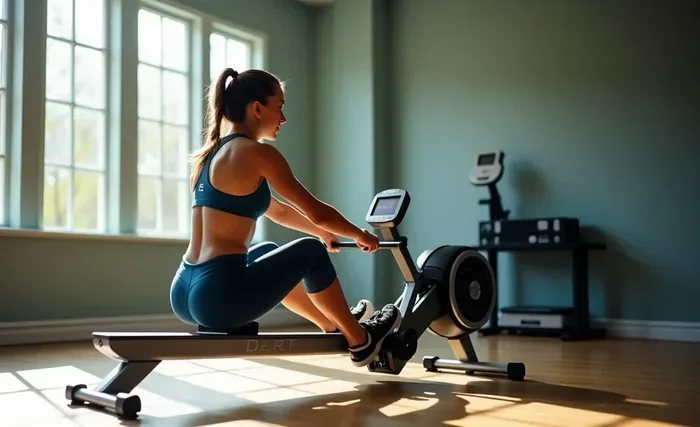
Yes, the rowing machine is a powerful tool for weight loss. It works your entire body, burns serious calories, and boosts your metabolism without stressing your joints. In this guide, you will learn exactly how the rowing machine helps you lose weight, how to use it correctly, and how long you should row each session to see real results.
Key Takeaways
- Full-Body Workout: The rowing machine engages over 80% of your muscles, making it one of the most efficient calorie-burning exercises available.
- High Calorie Burn: A single rowing session can burn between 400 and 800 calories per hour, depending on intensity and body weight.
- Low Impact: Unlike running or jumping exercises, rowing is gentle on your joints, making it ideal for beginners and those with injuries.
- Boosts Metabolism: Regular rowing sessions increase your resting metabolic rate, helping you burn more calories even when you are not exercising.
- Targeted Fat Loss: While spot reduction is a myth, rowing effectively reduces overall body fat, including stubborn belly fat.
- Consistency Matters: The key to weight loss on a rowing machine is regular use combined with a balanced diet and healthy lifestyle habits.
📑 Table of Contents
- Does The Rowing Machine Help You Lose Weight?
- How Many Calories Can You Burn On A Rowing Machine?
- How Long Should You Row To Lose Weight?
- Rowing Machine vs Other Cardio Machines for Weight Loss
- Common Mistakes That Slow Your Weight Loss Progress
- Final Thoughts: Is the Rowing Machine Worth It for Weight Loss?
Does The Rowing Machine Help You Lose Weight?
If you have been wondering whether the rowing machine can actually help you shed extra pounds, the short answer is yes. The rowing machine weight loss connection is backed by science, real user results, and fitness experts worldwide. Rowing is one of the most underrated exercises out there, and it deserves far more attention than it gets.
Unlike treadmills and stationary bikes, the rowing machine offers a full body workout that targets your arms, legs, back, and core all at once. This means you burn more calories in less time. Whether you are a complete beginner or a seasoned athlete, the rowing machine adapts to your fitness level and helps you reach your goals.
Many people ask, can you lose weight by using a rowing machine? The answer is absolutely. But like any exercise tool, results depend on how you use it. In this article, we will break down exactly how the rowing machine supports weight loss, what makes it so effective, and how to get the best results from your workouts.
How Does A Rowing Machine Help You Lose Weight?
The rowing machine helps you lose weight through several powerful mechanisms. First, it creates a significant calorie deficit, which is the foundation of weight loss. When you burn more calories than you consume, your body taps into stored fat for energy.
Second, rowing builds lean muscle mass. More muscle means a higher resting metabolic rate. This is the how does a rowing machine help you lose weight 2 concept that many people overlook. Muscle tissue burns more calories at rest than fat tissue does, so every bit of muscle you build works for you even when you sit on the couch.
Third, rowing is a cardiovascular exercise that elevates your heart rate and improves your overall fitness. Better cardiovascular health means you can exercise longer and harder, which leads to even more calorie burn over time.
Here is a quick look at why the rowing machine is so effective for weight loss:
- Engages multiple muscle groups simultaneously for maximum calorie burn
- Boosts your heart rate quickly, making it excellent cardio
- Supports muscle building without heavy lifting
- Improves endurance so you can work out longer
- Burns fat efficiently while preserving lean muscle
For a deeper dive into the science behind rowing for weight loss, check out our detailed guide on how does a rowing machine help you lose weight.
How Many Calories Can You Burn On A Rowing Machine?
One of the biggest questions people have is about calorie burn. How many calories can you actually expect to burn during a rowing session? The answer depends on several factors, including your body weight, workout intensity, and duration.
On average, a person weighing around 155 pounds can burn approximately 400 to 600 calories in a one-hour moderate rowing session. If you increase the intensity to a vigorous level, that number can climb to 700 or even 800 calories per hour.
| Body Weight | Moderate Intensity (cal/hour) | Vigorous Intensity (cal/hour) |
|---|---|---|
| 130 lbs | 350 – 450 | 500 – 650 |
| 155 lbs | 400 – 550 | 600 – 800 |
| 180 lbs | 450 – 600 | 700 – 900 |
| 200 lbs | 500 – 650 | 750 – 1000 |
These numbers make rowing one of the most efficient weight loss exercises you can do at home or in the gym. Compared to a stationary bike, rowing typically burns more calories because it involves your upper body as well as your lower body.
Factors That Affect Calorie Burn
Several factors influence how many calories you burn during a rowing session. Understanding these can help you maximize your workouts:
- Body Weight: Heavier individuals generally burn more calories during the same activity because the body requires more energy to move a larger mass.
- Intensity Level: Pushing harder and maintaining a higher stroke rate dramatically increases calorie expenditure.
- Workout Duration: Longer sessions naturally burn more calories, but short high-intensity sessions can also be very effective.
- Form and Technique: Proper rowing technique ensures you engage the right muscles and avoid injury, which keeps your workouts consistent.
- Fitness Level: As you get fitter, your body becomes more efficient, so you may burn fewer calories for the same effort. This is why mixing up your routine matters.
How Long Should You Row To Lose Weight?
Duration is a key piece of the puzzle. Many beginners wonder, how long on the rowing machine to lose weight? The truth is there is no one-size-fits-all answer. Your ideal session length depends on your current fitness level, your goals, and how often you can commit to training.
For effective weight loss, most fitness experts recommend at least 150 minutes of moderate-intensity aerobic exercise per week. On a rowing machine, this translates to about 30 minutes per session, five days a week. However, if you prefer high-intensity interval training, you can cut your session time in half and still see excellent results.
If you are just starting out, begin with 15 to 20 minutes per session and gradually increase the duration as your endurance improves. Consistency beats intensity every time. A moderate 30-minute row you enjoy and can stick with will always outperform an intense 60-minute session you quit after two weeks.
For more specific guidance on session duration, our article on how long on the rowing machine to lose weight provides a detailed breakdown of routines for every fitness level.
Sample Weekly Rowing Plan for Weight Loss
Here is a simple weekly plan to get you started:
- Monday: 20 minutes moderate rowing at a steady pace
- Tuesday: Rest or light stretching
- Wednesday: 25 minutes interval training (alternate between hard and easy strokes)
- Thursday: Rest or light walking
- Friday: 30 minutes moderate rowing
- Saturday: 20 minutes high-intensity rowing
- Sunday: Rest and recovery
This plan balances effort with recovery, which is essential for sustainable weight loss. Overtraining can lead to burnout and injury, both of which derail your progress.
Rowing Machine vs Other Cardio Machines for Weight Loss
The fitness world offers many cardio machines, and it is natural to wonder how the rowing machine compares. Each machine has its strengths, but rowing stands out for its full-body engagement and low-impact nature.
Compared to an exercise bike, the rowing machine works your upper and lower body simultaneously. This means more muscles are active, which leads to a higher overall calorie burn. Compared to a treadmill, rowing puts far less stress on your knees, hips, and ankles, making it a safer choice for people with joint concerns.
Here is a quick comparison of popular cardio machines:
| Machine | Muscles Worked | Impact Level | Avg. Cal Burn (1 hr) |
|---|---|---|---|
| Rowing Machine | 86% of body muscles | Low | 400 – 800 |
| Exercise Bike | Lower body only | Low | 300 – 600 |
| Treadmill | Lower body + core | High | 500 – 900 |
| Elliptical | Full body (light) | Low | 350 – 700 |
As you can see, the rowing machine offers an excellent balance of high calorie burn and low joint impact. If you are looking for an effective cardio workout that does not wreck your knees, the rowing machine is a top contender.
Many people also compare rowing to walking on a treadmill. While walking is a great low-impact exercise, it does not engage as many muscle groups. Rowing gives you a much more complete workout in the same amount of time.
Why Rowing Stands Out
What truly sets the rowing machine apart is its unique combination of strength and cardio training in one movement. When you row, you are pushing with your legs, pulling with your arms, and engaging your core throughout the entire stroke. This compound movement pattern is rare among cardio machines and is a big reason why rowing is so effective for weight loss.
Common Mistakes That Slow Your Weight Loss Progress
Even with the best equipment, certain mistakes can hold you back. Avoiding these common errors will help you get the most out of every rowing session.
Using Bad Form
Poor rowing form is the number one mistake beginners make. Slouching, pulling with your arms too early, and using only your lower body all reduce the effectiveness of your workout. Bad form also increases your risk of injury, which can sideline your progress entirely.
Focus on the proper sequence: drive with your legs first, then lean back slightly, and finally pull the handle to your chest. Reverse the motion to return to the starting position. This smooth, coordinated movement engages all the right muscles and protects your joints.
Skipping Warm-Ups and Cool-Downs
Jumping straight into intense rowing without warming up can strain your muscles and reduce your performance. A simple five-minute warm-up at a relaxed pace prepares your body for the work ahead. Similarly, cooling down after your session helps your heart rate return to normal and reduces muscle soreness.
Overtraining Without Recovery
Some people think that rowing every single day for hours will speed up weight loss. In reality, rest days are essential for muscle recovery and fat burning. Overtraining can spike your cortisol levels, which actually promotes fat storage, especially around the midsection.
Ignoring Diet
No amount of rowing can out-train a poor diet. Weight loss happens in the kitchen as much as it happens on the machine. Focus on eating whole foods, controlling your portions, and maintaining a moderate calorie deficit to support your rowing workouts.
Final Thoughts: Is the Rowing Machine Worth It for Weight Loss?
The evidence is clear. The rowing machine is an excellent tool for weight loss. It burns calories efficiently, engages your entire body, and is gentle on your joints. Whether you are a beginner or an experienced athlete, the rowing machine can fit into your fitness routine and help you reach your goals.
Remember, the key to permanent weight loss is consistency. Make rowing a regular part of your week, pair it with a healthy diet, and give your body time to transform. The results will follow.
If you are ready to start your rowing machine weight loss journey, begin with short sessions and build up gradually. Focus on proper technique, stay consistent, and enjoy the process. Your body will thank you.
For more tips on using the rowing machine effectively, explore our guide on how to use the rowing machine to lose weight and start seeing results today.
Frequently Asked Questions
Can a rowing machine help you lose belly fat?
While spot reduction is not possible, the rowing machine is highly effective at burning overall body fat, including the area around your belly. Because rowing engages your core muscles throughout every stroke, it helps tone your midsection while you lose weight. Combine regular rowing sessions with a healthy diet for the best belly fat reduction results.
How many days a week should I row to lose weight?
Aim for at least four to five rowing sessions per week for steady weight loss. Each session should last between 20 and 45 minutes depending on your fitness level. Remember that rest days are just as important as workout days because your body burns fat during recovery. Listen to your body and adjust your schedule as needed.
Is rowing better than running for weight loss?
Both rowing and running are effective for weight loss, but rowing has some distinct advantages. It burns a comparable number of calories while being much easier on your joints. Rowing also works your upper body, which running does not do as effectively. If you have knee or ankle issues, rowing is the better choice for sustainable weight loss.
Can beginners lose weight on a rowing machine?
Absolutely. The rowing machine is one of the most beginner-friendly cardio machines available. You can start with short, low-intensity sessions and gradually increase the duration and difficulty. The key is consistency. Most beginners notice improvements in their fitness and body composition within four to six weeks of regular rowing.
Does rowing tone your body while you lose weight?
Yes, rowing is one of the few exercises that combines fat burning with muscle toning. It works your legs, core, back, arms, and shoulders all at once. This full-body engagement helps you build lean muscle while shedding fat, giving you a toned and defined appearance as you lose weight.
How quickly can I expect to see weight loss results from rowing?
Results vary depending on your starting weight, diet, and consistency. Most people begin to notice changes within two to three weeks of regular rowing. Significant visible results typically appear after six to eight weeks of consistent training combined with a balanced diet. Patience and persistence are your best tools for long-term success.