What Are the Best Back Exercises with Dumbbells
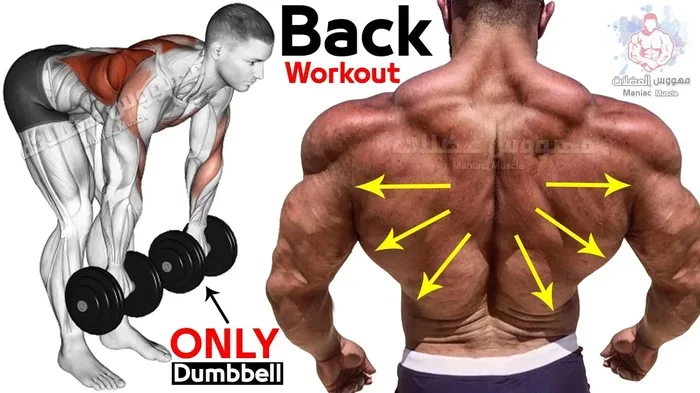
Building a powerful back starts with the right dumbbell exercises. This guide covers the best back exercises with dumbbells, from bent-over rows to single-arm pullovers. You will learn proper form, recommended sets and reps, and how to build a dumbbell back workout that actually delivers results at home or in the gym.
Your back is one of the largest muscle groups in your body. Training it well gives you that V-shaped look, better posture, and real-world strength for everyday movements. The good news? You do not need a fancy gym setup to build a strong back. Back exercises with dumbbells are incredibly effective and versatile. Whether you are a beginner or a seasoned lifter, dumbbells give you the freedom to target every part of your back. In this guide, we break down the best moves, share expert tips, and help you put together a routine that works.
Many people skip back day or go to the gym unsure of what to do. The result? Wasted time and slow progress. But with the right dumbbell back workout, you can transform your posture, build muscle, and feel stronger in everything you do. Let us dive into the exercises that will get you there.
Key Takeaways
- Dumbbell rows and pullovers are king: These two moves target your lats and upper back like nothing else.
- You can train your whole back with just dumbbells: No machines or gym memberships needed for a complete back session.
- Form matters more than weight: Using the right technique prevents injury and maximizes muscle growth.
- Mix up your grip and angle: Different positions hit different back muscles for balanced development.
- Progressive overload drives results: Gradually increase weight or reps to keep your back growing stronger.
- Pair back exercises with dumbbell workouts: Combining back and bicep moves creates an efficient full-upper-body routine.
📑 Table of Contents
Why Dumbbells Are Perfect for Back Training
You might wonder why we focus on dumbbells instead of barbells or machines. The answer is simple. Dumbbells allow each side of your body to work independently. This means you fix muscle imbalances naturally. They also let you move through a fuller range of motion. Your shoulders and arms can rotate freely, which hits your back muscles from angles a barbell simply cannot.
Another big advantage? Safety. If you drop a dumbbell, it just falls to the side. With a barbell, a failed rep can be dangerous. Dumbbells also let you train at home without taking up much space. A pair of adjustable dumbbells and a bench are all you need. For more ideas on home workouts, check out our guide on what exercises you can do with dumbbells at home.
The Best Back Exercises With Dumbbells
Here are the top back exercises with dumbbells that should be in every workout. Each one targets a different area of your back for complete development.
1. Bent-Over Dumbbell Row
This is the cornerstone of any dumbbell back routine. The bent-over row hits your lats, rhomboids, and traps. It also engages your rear delts and biceps as secondary movers.
How to do it:
- Hold a dumbbell in each hand. Hinge at your hips until your torso is nearly parallel to the floor.
- Let your arms hang straight down. Palms face each other.
- Pull the dumbbells up toward your ribcage. Squeeze your shoulder blades together at the top.
- Lower them slowly back down. Control the negative for maximum benefit.
Keep your back flat and your core tight throughout. Do not round your lower back. Aim for 3 to 4 sets of 8 to 12 reps. For guidance on starting weights, see our article on what is the best weight to start with dumbbells.
2. Single-Arm Dumbbell Row
The single-arm row lets you focus on one side at a time. This is perfect for fixing imbalances and really feeling the mind-muscle connection in your back.
How to do it:
- Place one knee and one hand on a bench. Your back should be flat and parallel to the ground.
- Hold a dumbbell in your free hand. Let it hang straight down.
- Pull the dumbbell up to your hip. Your elbow should drive up toward the ceiling.
- Squeeze your back muscle at the top. Then lower with control.
Do 3 sets of 10 to 12 reps per arm. This exercise is a staple of any effective dumbbell back workout.
3. Dumbbell Pullover
The pullover is a misunderstood gem. It targets your lats, chest, and serratus muscles all at once. This move stretches your lats under tension, which is rare and incredibly effective for building width.
How to do it:
- Lie perpendicular on a bench. Only your upper back rests on the bench. Your feet are flat on the floor.
- Hold one dumbbell with both hands above your chest. Arms slightly bent.
- Lower the dumbbell slowly behind your head. Keep your arms straight.
- Bring it back to the starting position. Squeeze your lats as you return.
Perform 3 sets of 10 to 15 reps. This is a great finisher for your back session. For more on targeting specific muscle groups with dumbbells, you may also enjoy our article on how to target chest with dumbbells.
4. Dumbbell Reverse Fly
The reverse fly isolates your rear delts and upper back. Strong rear delts improve posture and balance out your shoulder development.
How to do it:
- Bend forward at the hips. Hold a dumbbell in each hand. Palms face each other.
- With a slight bend in your elbows, raise both dumbbells out to the sides.
- Squeeze your shoulder blades together at the top.
- Lower them back down slowly.
Use a light weight and focus on the squeeze. Aim for 3 sets of 12 to 15 reps. This is one of the most underrated back exercises with dumbbells.
5. Dumbbell Shrug
Do not forget your traps. The shrug is the best way to build thickness in your upper back and neck area.
How to do it:
- Stand tall. Hold a heavy dumbbell in each hand at your sides.
- Shrug your shoulders straight up toward your ears.
- Hold the top position for one to two seconds.
- Lower them back down with control.
Do 3 to 4 sets of 12 to 15 reps. Heavy shrugs build real mass in your traps. This is a must for any complete dumbbell back workout.
6. Dumbbell Deadlift
The deadlift works your entire posterior chain. Your traps, lats, erector spinae, glutes, and hamstrings all fire during this compound movement.
How to do it:
- Stand with your feet hip-width apart. Hold a dumbbell in each hand in front of your thighs.
- Push your hips back and hinge forward. Keep your back straight.
- Lower the dumbbells along your legs until you feel a stretch in your hamstrings.
- Drive your hips forward to return to standing. Squeeze your glutes at the top.
Aim for 3 sets of 8 to 10 reps. Use moderate to heavy weight. This move builds functional strength that carries over to every other exercise.
How to Build a Complete Dumbbell Back Workout
Now that you know the best moves, let us put them together. A well-structured dumbbell back workout should hit all the major back muscles. Here is a simple routine you can follow.
Sample Dumbbell Back Workout:
- Bent-Over Dumbbell Row — 4 sets of 8 to 10 reps
- Single-Arm Dumbbell Row — 3 sets of 10 to 12 reps per arm
- Dumbbell Pullover — 3 sets of 10 to 15 reps
- Dumbbell Reverse Fly — 3 sets of 12 to 15 reps
- Dumbbell Shrug — 3 sets of 12 to 15 reps
This routine takes about 30 to 40 minutes. You can do it two to three times per week. Make sure you rest at least 48 hours between back sessions. This gives your muscles time to recover and grow.
If you want to expand your upper body routine, back exercises with dumbbells pair perfectly with other great dumbbell exercises for a balanced program.
Common Mistakes to Avoid
Even the best exercises can go wrong with bad habits. Here are the most common mistakes people make during back exercises with dumbbells.
- Rounding your lower back: This puts dangerous pressure on your spine. Always keep a slight arch and brace your core.
- Using too much weight: Heavy does not mean better. Sacrificing form for weight leads to injury and poor results.
- Swinging the dumbbells: Momentum takes the work away from your back. Control every rep. Slow and steady wins.
- Neglecting the mind-muscle connection: Think about your back muscles working. Do not just move your arms.
- Skipping the warm-up: Cold muscles are injury-prone. Do 5 to 10 minutes of light cardio and dynamic stretches before you start.
Expert Tips for Better Back Development
Want to take your back training to the next level? These expert-backed tips will help you get stronger and build more muscle.
Tip 1: Vary your grip. Switching between pronated (palms down) and supinated (palms up) grips changes which muscles get emphasized. A supinated row hits your biceps and lats harder. A pronated row focuses more on your upper back and rear delts.
Tip 2: Pause at the top. When you pull the dumbbell up, hold the squeeze for one to two seconds. This time under tension forces your muscles to work harder and grow faster.
Tip 3: Train your back twice a week. Recovery is important, but so is frequency. Training your back two times per week with different exercises stimulates more growth. One session can focus on width (rows and pullovers), while the other can focus on thickness (shrugs and deadlifts).
Tip 4: Track your progress. Write down your sets, reps, and weights. Progressive overload — gradually increasing the challenge — is the single biggest driver of muscle growth. If you have been lifting the same weight for months, it is time to increase.
Tip 5: Pair back day with proper nutrition. Your muscles grow outside the gym. Eat enough protein, stay hydrated, and get quality sleep. Without these, even the best dumbbell back workout will not deliver results.
Benefits of a Strong Back
Training your back goes far beyond looking good. A strong back improves your posture, reduces back pain, and enhances athletic performance. Here are the key benefits of consistent back training.
- Better posture: Strengthening your upper and mid-back counteracts the slouching that comes from sitting all day.
- Reduced back pain: Strong erector spinae and core muscles support your spine and prevent injury.
- More functional strength: Lifting, carrying, and pulling all rely on a powerful back.
- Improved athletic performance: Almost every sport requires a strong back for pulling, throwing, and stability.
- Aesthetic V-taper: Wide lats and a narrow waist create the classic athletic physique many people strive for.
For more on building strength with dumbbells, explore our resources on finding the right starting weight and how heavy you should lift for best results.
How Heavy Should Your Dumbbells Be for Back Exercises?
The right weight depends on your fitness level and the specific exercise. For compound movements like rows and deadlifts, you can go heavier. Aim for a weight where the last two reps of each set feel challenging but doable. For isolation moves like reverse flies and shrugs, moderate weight with higher reps works best.
A good rule of thumb: if you can do 15 reps with perfect form, the weight is too light. If you cannot complete 6 reps with good technique, it is too heavy. Find that sweet spot and adjust over time as you get stronger.
Final Thoughts
Back exercises with dumbbells are one of the most effective ways to build a strong, muscular, and well-shaped back. You do not need expensive machines or a crowded gym. A pair of dumbbells, a bench, and a solid plan are all you need. The exercises in this guide — from bent-over rows to pullovers and shrugs — target every part of your back for complete development.
Focus on proper form, progressive overload, and consistency. Avoid the common mistakes we covered. And remember, your back does not just look good — it functions better, feels stronger, and supports you in everything you do. Start with the sample workout above, stick with it for a few weeks, and you will see real changes.
Your dream back is built one rep at a time. Grab your dumbbells and get to work. Your back will thank you.
Frequently Asked Questions
What are the best back exercises with dumbbells for beginners?
Start with the bent-over dumbbell row, dumbbell shrug, and reverse fly. These moves are simple to learn and target your entire back. Use light to moderate weights and focus on form before adding more weight.
How often should I train my back with dumbbells?
Training your back two to three times per week is ideal for most people. Allow at least 48 hours of rest between sessions. This gives your muscles time to recover and grow stronger.
Can I build a big back with just dumbbells?
Absolutely. Dumbbells allow you to target every back muscle through a full range of motion. Exercises like rows, pullovers, and deadlifts with dumbbells are enough to build significant back mass.
What weight dumbbells should I use for back exercises?
Choose a weight that challenges you on the last two reps of each set. For compound movements like rows, you can go heavier. For isolation moves like reverse flies, use lighter weights with more reps.
Do dumbbell back exercises help with posture?
Yes, they do. Strengthening your upper and mid-back muscles counteracts the effects of prolonged sitting. Rows, reverse flies, and shrugs all contribute to better posture over time.
Can I do back exercises with dumbbells at home?
You can. A pair of adjustable dumbbells and a bench are all you need. For a full home workout plan, check out our guide on exercises you can do with dumbbells at home. You do not need a gym membership to build a strong back.