How Long to Row on Rowing Machine 2
How long to row on rowing machine 2 depends on your goals, fitness level, and available time. Whether you want to burn fat, build endurance, or improve overall fitness, the right rowing duration makes all the difference. This guide covers everything from beginner sessions to advanced workouts, helping you get the most out of every stroke.
Rowing machines offer one of the best full-body workouts you can find. They engage your legs, arms, back, and core all at once. But one question keeps coming up again and again: how long to row on rowing machine 2? The answer isn’t the same for everyone. It depends on your goals, your current fitness level, and how much time you have each day.
In this guide, we break down everything you need to know about rowing machine workout duration. You’ll learn how many minutes to spend on the machine, what pace to aim for, and how to build a routine that actually works for you. Whether you’re just starting out or you’ve been rowing for months, there’s something here for you.
Key Takeaways
- Start Small: Beginners should aim for 10-20 minute sessions and gradually build up duration over time.
- Match Duration to Goals: Weight loss, endurance, and performance training all require different rowing session lengths.
- Pace Matters: Your stroke rate and intensity determine how effective your rowing time really is.
- Consistency Beats Intensity: Regular, sustainable rowing sessions deliver better long-term results than occasional marathon workouts.
- Avoid Common Mistakes: Overtraining, poor form, and ignoring rest days can sabotage your progress on the rowing machine.
- Track Your Progress: Monitoring time, distance, and splits helps you stay motivated and adjust your routine effectively.
📑 Table of Contents
How Long Should You Row on a Rowing Machine 2?
The right rowing machine time varies from person to person. A beginner shouldn’t jump into a 45-minute session right away. That’s a recipe for burnout and sore muscles. Instead, start with short, manageable bursts and increase gradually.
Here’s a simple breakdown based on experience level:
- Beginners: 10 to 20 minutes per session, 3 to 4 times per week.
- Intermediate: 20 to 35 minutes per session, 4 to 5 times per week.
- Advanced: 35 to 60 minutes per session, 5 to 6 times per week.
These numbers aren’t set in stone. Listen to your body. If you feel exhausted after 15 minutes, that’s perfectly fine. The key is consistency. Showing up regularly matters more than any single long session. If you’re wondering how long should i row on a rowing machine specifically, the answer is: as long as you can maintain good form and keep your heart rate in a productive zone.
Why Duration Matters for Rowing Machine Fitness
The length of your rowing machine session directly affects the results you get. Short, intense sessions build power and speed. Longer, moderate sessions improve endurance and burn calories. Both types of training matter, but they serve different purposes.
For example, a 15-minute high-intensity interval session can torch calories fast. But a 40-minute steady-state row builds your aerobic base. Understanding this difference helps you plan your week better. You don’t have to do the same thing every day.
Rowing Machine Workout Duration for Different Goals
Your goal determines your rowing machine workout duration. Let’s look at the most common goals and the time you should spend on the machine for each one.
Goal 1: Weight Loss
Many people turn to the rowing machine for fat loss. It’s one of the most efficient calorie-burning exercises available. To lose weight effectively through rowing, aim for at least 20 to 30 minutes per session. The rowing machine calories burned increase with duration and intensity.
Here’s what a typical weight loss rowing plan looks like:
- Session Length: 25 to 40 minutes
- Intensity: Moderate to vigorous (60-80% max heart rate)
- Frequency: 4 to 5 times per week
- Structure: Mix of steady rowing and short sprint intervals
If you’re focused specifically on weight loss, check out our detailed guide on how long on a rowing machine to lose weight for more tailored advice.
Goal 2: Building Endurance
Endurance training on the rowing machine requires longer sessions. You need to train your body to sustain effort over time. Aim for 30 to 50 minutes of continuous rowing at a moderate pace. This type of rowing machine endurance training strengthens your heart and lungs.
Pro tip: Don’t go all out from the start. Keep your effort at about 70% of your maximum. You should be able to hold a conversation while rowing. If you can’t, slow down.
Goal 3: Improving Speed and Performance
Want to row faster and cover more distance? Performance-focused training involves shorter, more intense sessions. A rowing machine session of 15 to 30 minutes with high intensity works best here. Focus on your stroke rate and rowing machine splits to measure progress.
For distance-specific training, you might also want to check out how long it takes to row specific distances like how long to row a mile on rowing machine to set benchmarks for yourself.
Goal 4: General Health and Stress Relief
Not everyone rows for competition or weight loss. Some people just want to stay active and de-stress. For general health benefits, even 15 to 20 minutes of light to moderate rowing can make a big difference. The rhythmic motion of rowing is meditative and calming.
Rowing Machine Pace and Stroke Rate Guide
Time on the machine isn’t the only factor that matters. How fast you row plays a huge role too. Your stroke rate, measured in strokes per minute (SPM), determines the intensity of your workout.
What Is a Good Stroke Rate?
A comfortable stroke rate for most people falls between 20 and 30 SPM. Beginners should start at the lower end, around 18 to 22 SPM. As you get more comfortable, you can increase your pace.
If you’re curious about the right speed for your fitness level, our article on how fast should i row on a rowing machine 2 dives deeper into this topic.
Matching Pace to Duration
Here’s a simple way to think about it:
- Short sessions (10-15 min): Higher pace, 26-32 SPM, focus on intensity.
- Medium sessions (20-30 min): Moderate pace, 22-26 SPM, balance of effort and sustainability.
- Long sessions (30-60 min): Lower pace, 18-22 SPM, focus on steady effort and endurance.
The key is finding a pace you can sustain for the full duration of your session. Going too fast at the start is one of the most common rowing machine mistakes. People burn out within minutes and quit early.
Common Mistakes That Waste Your Rowing Time
Even with the right duration, certain mistakes can undermine your progress on the rowing machine exercise. Let’s look at the most frequent ones and how to avoid them.
Mistake 1: Skipping Warm-Up
Jumping straight into a hard row without warming up is a bad idea. Your muscles need time to loosen up. Spend 3 to 5 minutes rowing at a very easy pace before increasing intensity. This simple step reduces injury risk and improves performance.
Mistake 2: Using Only Your Arms
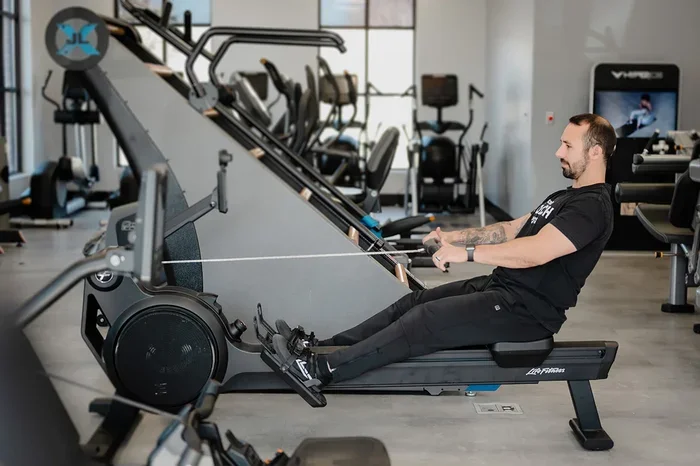
Many beginners think rowing is an arm workout. It’s not. The legs do about 60% of the work. Your arms and back handle the rest. Using only your arms leads to quick fatigue and poor results. Focus on the full rowing machine movement: legs push, core engages, arms pull.
Mistake 3: Overtraining
More time on the machine doesn’t always mean better results. Overtraining leads to fatigue, poor form, and even injury. Give your body time to recover. Rest days are just as important as workout days. Aim for at least one or two rest days per week.
Mistake 4: Ignoring Resistance Settings
The resistance dial on your rowing machine controls how hard each stroke feels. Many people set it too high or too low for their goals. For endurance training, moderate resistance works best. For power and strength, increase the resistance but shorten your session duration.
Want to learn more about adjusting your machine? Check out our guide on how to increase resistance on concept 2 rowing machine 2 for practical tips.
How to Build a Rowing Machine Routine
Now that you know the right rowing machine length of workout for your goals, let’s talk about how to put it all together. A good routine keeps you consistent and helps you track progress over time.
Step 1: Set a Realistic Schedule
Look at your week. How many days can you realistically spend 20 or more minutes on the rowing machine? Start with 3 days per week. Once that feels easy, add a fourth day. Don’t try to go from zero to six days overnight.
Step 2: Mix Up Your Sessions
Variety keeps things interesting. Try alternating between these session types throughout the week:
- Steady-State Rows: Consistent pace, moderate effort, 25 to 40 minutes.
- Interval Training: Alternate between fast sprints and easy recovery rows, 15 to 25 minutes.
- Distance Challenges: Set a distance goal and row until you reach it, tracking your rowing machine splits along the way.
- Recovery Rows: Easy pace, 15 to 20 minutes, great for active rest days.
Step 3: Track Your Progress
Most modern rowing machines have built-in monitors that track time, distance, calories, and stroke rate. Use this data. Write down your results after each session. Over weeks and months, you’ll see improvements in your speed, endurance, and overall fitness.
Step 4: Listen to Your Body
This might be the most important step. If you feel pain (not just discomfort, but actual pain), stop. If you’re extremely fatigued, take an extra rest day. A good rowing machine training plan respects your body’s signals and adjusts accordingly.
Quick Tips for Maximizing Your Rowing Time
- Drink water before, during, and after your session.
- Wear comfortable, breathable clothing.
- Set a timer so you can focus on rowing without watching the clock.
- Use headphones with upbeat music to stay motivated.
- Cool down for 3 to 5 minutes at the end of every session.
Final Thoughts on Rowing Machine Time
So, how long to row on rowing machine 2? The honest answer is: it depends on you. Your goals, your fitness level, and your schedule all play a role. The best rowing machine workout plan is one you can stick to consistently.
Start where you are. Don’t compare your first week to someone else’s sixth month. Give yourself permission to grow gradually. Rowing is a journey, and every minute on the machine counts toward a healthier, stronger you.
Remember, the most important thing is to show up. Even 10 minutes of rowing is better than zero minutes. Build the habit first. Optimize the details later. Before you know it, you’ll be looking forward to your daily rowing machine exercise sessions.
If you’re still figuring out your routine, consider exploring how to get started with a structured plan. Check out our resources on how long should a beginner use a rowing machine 2 to get started on the right foot.
Frequently Asked Questions
How long should a beginner row on a rowing machine?
Beginners should start with 10 to 20 minute sessions, 3 to 4 times per week. Focus on learning proper form and building a habit before increasing duration or intensity. Gradually add 5 minutes per week as your fitness improves.
Is 30 minutes on the rowing machine enough to lose weight?
Yes, 30 minutes of moderate to vigorous rowing can burn a significant number of calories and support weight loss when combined with a healthy diet. Consistency matters more than any single session, so aim for 4 to 5 sessions per week for the best results.
How many minutes should I spend on the rowing machine each day?
It depends on your goals and fitness level. For general health, 15 to 20 minutes is sufficient. For weight loss, aim for 25 to 40 minutes. For endurance or performance training, you may need 30 to 60 minutes per session.
Can I row on the rowing machine every day?
You can row every day if you keep the intensity moderate and listen to your body. However, most experts recommend at least one or two rest days per week to allow muscles to recover. Active recovery rows on rest days can be a great compromise.
What is a good distance to row in 20 minutes?
A good distance depends on your fitness level and stroke rate. For beginners, covering 2,000 to 3,000 meters in 20 minutes is a solid starting point. More experienced rowers may aim for 4,000 to 5,000 meters in the same timeframe.
How do I know if I’m rowing long enough?
You’re rowing long enough if you can maintain proper form throughout the session and your heart rate stays in your target zone. Tracking your distance, splits, and calories burned over time also helps you gauge whether your session length is effective.