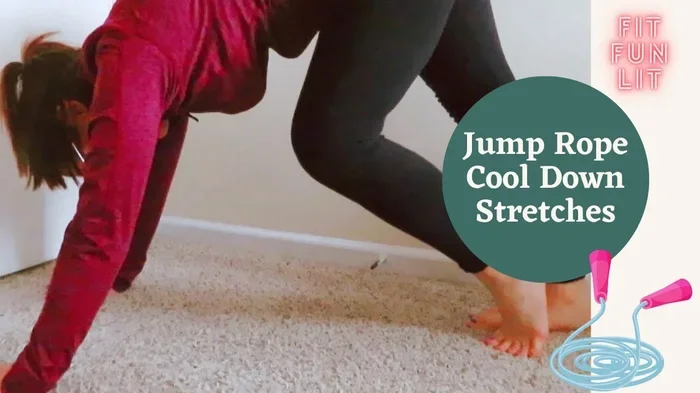
Is It Safe to Jump Rope While Pregnant

Is it safe to jump rope while pregnant? For most healthy expectant mothers, light to moderate jump rope exercise is generally safe during the early stages. However, as your pregnancy progresses, you’ll need to adjust intensity, surface, and duration. Always consult your healthcare provider before starting or continuing any prenatal exercise routine, especially high-impact activities like jump rope workouts.
Staying active during pregnancy is one of the best things you can do for your body and your growing baby. But when you love jump rope workouts, a common question pops up: is it safe to jump rope while pregnant? The short answer is yes, for many women — but with important caveats that change as your pregnancy progresses.
Whether you’re a seasoned jump roper or just curious about starting, this guide covers everything you need to know. We’ll walk through each trimester, highlight the benefits, flag the risks, and give you practical tips to keep your prenatal exercise routine safe and effective.
Key Takeaways
- Jump rope can be safe in early pregnancy: If you had a regular routine before conceiving, light jumping is usually fine with your doctor’s approval.
- Adjust intensity by trimester: The first trimester allows more freedom, while the second and third require modifications to protect your joints and balance.
- Listen to your body: Stop immediately if you feel dizziness, shortness of breath, or pelvic pressure during any pregnancy workout.
- Choose the right surface and rope: A cushioned floor and lightweight rope reduce impact and make jump rope exercise more comfortable during pregnancy.
- Alternative cardio options exist: If jumping becomes too intense, consider the elliptical machine or other low-impact prenatal exercises that offer similar cardiovascular benefits.
- Stay hydrated and cool: Proper hydration and temperature control are essential for any maternity fitness routine.
📑 Table of Contents
- Understanding Your Body During Pregnancy
- Is Jump Rope Safe During Each Trimester?
- Benefits of Jump Rope During Pregnancy
- Risks and Precautions to Consider
- Expert Tips for a Safe Jump Rope Pregnancy Workout
- Common Mistakes Pregnant Women Make With Jump Rope
- How to Transition Safely After Birth
- Final Thoughts
Understanding Your Body During Pregnancy
Before diving into jump rope safety, it helps to understand what’s happening inside your body. Pregnancy causes significant hormonal and physical changes that directly affect how you exercise.
The hormone relaxin loosens your ligaments and joints. This is great for childbirth but makes you more prone to injury during high-impact movements. Your center of gravity shifts as your belly grows, which affects your balance. Your heart works harder to pump blood for two, so cardiovascular intensity needs careful monitoring.
These changes mean that what felt easy before pregnancy might feel very different now. A pregnancy workout that ignores these shifts can lead to discomfort or even injury. The key is adapting your routine to match where you are in your journey.
The Role of Relaxin Hormone
Relaxin peaks during the first trimester and remains elevated throughout pregnancy. It softens the cartilage around your pelvis and relaxes joints everywhere. For jump rope exercise, this means your ankles, knees, and hips absorb more shock than usual. Wearing supportive shoes and choosing a forgiving surface becomes even more important.
Cardiovascular Changes
Your blood volume increases by up to 50 percent during pregnancy. Your resting heart rate rises. This means you may reach your maximum heart rate faster than before. When doing cardiovascular fitness activities like jump rope, you should aim for moderate intensity — you should be able to hold a conversation while exercising.
Is Jump Rope Safe During Each Trimester?
The safety of jump rope while pregnant depends heavily on which trimester you’re in. Each stage brings different challenges and opportunities.
First Trimester (Weeks 1–12)
The first trimester offers the most freedom for jump rope workouts. Your baby is tiny, and your body hasn’t changed shape yet. If you had a consistent routine before conception, you can often continue at a similar intensity.
However, morning sickness and fatigue can make even light exercise challenging. On days you feel great, a moderate jump rope session can boost your energy and mood. On tough days, give yourself permission to rest. Your body is working hard behind the scenes.
Key tips for the first trimester:
- Keep sessions short — 10 to 15 minutes is plenty.
- Stay hydrated before, during, and after your prenatal exercise.
- Avoid overheating by working out in a cool, ventilated space.
- Stop if you feel nauseous or dizzy.
Second Trimester (Weeks 13–26)
The second trimester is often called the “golden window” of pregnancy. Nausea typically fades, and energy returns. Your belly is still manageable, making jump rope exercise more feasible than in the third trimester.
But here’s the catch: your joints are now more relaxed, and your balance is shifting. You may notice that routines that felt easy now feel wobbly. This is completely normal. The key is to reduce impact and add stability work.
Consider these modifications:
- Switch from double-unders to basic jumps to reduce impact.
- Use a weighted jump rope for better control and slower rotation.
- Exercise on a yoga mat or cushioned floor to protect your joints.
- Shorten session length to 10–12 minutes.
- Focus on maintaining good posture as your belly grows.
Third Trimester (Weeks 27–40)
The third trimester is when most women need to significantly modify or pause high-impact exercise. Your belly is large, your balance is compromised, and your body is preparing for labor.
Many healthcare providers recommend switching to low-impact prenatal exercises during this stage. If you still want the benefits of jump rope workouts, consider switching to a rope-less jump — mimicking the motion without actually leaving the ground. This gives you the rhythm and cardio benefits without the jarring impact.
Signs you should stop jumping immediately include:
- Pelvic pressure or pain
- Shortness of breath that doesn’t ease with rest
- Dizziness or lightheadedness
- Cervical contractions
- Any vaginal bleeding or fluid leakage
Benefits of Jump Rope During Pregnancy
When done safely and with proper modifications, jump rope exercise offers several meaningful benefits for pregnant women.
Cardiovascular Health
Jump rope is an excellent cardiovascular fitness activity. It raises your heart rate efficiently and improves circulation — both of which benefit you and your baby. A strong cardiovascular system helps with endurance during labor and faster postpartum recovery.
Mood and Mental Health
Exercise releases endorphins, which are natural mood boosters. Pregnancy can bring emotional ups and downs, and a quick jump rope session can help ease stress and anxiety. Many women report better sleep after a moderate workout, too.
Weight Management
Staying active helps manage healthy weight gain during pregnancy. While you shouldn’t focus on losing weight while expecting, maintaining fitness prevents excessive gain that can complicate delivery. If you’re curious about how jump rope for weight loss translates to pregnancy fitness, the principle is similar — consistent, moderate movement supports overall health.
Strength and Endurance
Jump rope engages your calves, core, shoulders, and legs. Building endurance in these areas helps you carry extra pregnancy weight more comfortably. It also prepares your body for the physical demands of labor and delivery.
Risks and Precautions to Consider
Like any exercise during pregnancy, jump rope workouts come with risks that deserve honest attention. Understanding these helps you make informed decisions.
Impact on Joints and Pelvic Floor
The repetitive jumping motion puts stress on your pelvic floor. During pregnancy, the pelvic floor already bears extra weight. High-impact jumping can weaken these muscles over time, potentially leading to issues like urinary incontinence. Strengthening your pelvic floor with targeted exercises alongside jump rope training is essential.
Balance and Fall Risk
As your belly grows, your center of gravity shifts forward. This makes falls more likely during any activity that involves jumping or quick direction changes. A fall during pregnancy can be dangerous for both you and your baby. Always exercise on a clear, flat surface and keep one hand near a wall or sturdy support if needed.
Overheating and Dehydration
Pregnant women are more prone to overheating. Jump rope is a vigorous activity that raises your body temperature quickly. Always work out in a cool environment, wear breathable clothing, and drink water frequently. Signs of overheating include excessive sweating, nausea, and feeling faint.
When to Avoid Jump Rope Entirely
Not every pregnancy is the same. You should avoid jump rope exercise entirely if you have any of the following conditions:
- A history of preterm labor or miscarriage
- Cervical insufficiency or cerclage
- Placenta previa after the first trimester
- Preeclampsia or pregnancy-induced hypertension
- Multiple pregnancies (twins, triplets)
- Persistent bleeding or spotting
- Your doctor has advised against high-impact exercise
Expert Tips for a Safe Jump Rope Pregnancy Workout
Getting the most out of your jump rope routine while keeping things safe comes down to smart preparation and awareness.
Get Clearance First
Before you pick up your rope, talk to your obstetrician or midwife. They know your specific health profile and can tell you whether jump rope exercise is appropriate for your situation. This is non-negotiable — no article or guide replaces personalized medical advice.
Choose the Right Equipment
Not all jump ropes are created equal during pregnancy. A lightweight, adjustable rope reduces wrist strain and allows you to control the pace. Avoid heavy weighted ropes that add unnecessary impact. If balance is an issue, consider a rope with weighted handles for better stability.
Warm Up and Cool Down
Your muscles and joints are more flexible during pregnancy, which sounds helpful but actually increases injury risk. Always warm up with gentle stretches for 3–5 minutes before jumping. Cool down with slow walking and pelvic floor exercises afterward.
Monitor Intensity with the Talk Test
The talk test is your best friend during pregnancy exercise. If you can comfortably speak a full sentence while jumping, your intensity is likely appropriate. If you’re gasping for air, slow down or stop. Your body knows when something is wrong — trust those signals.
Consider Alternatives When Needed
If jumping becomes too intense or uncomfortable, plenty of alternatives offer similar cardiovascular benefits. Many women find that using a rowing machine provides a full-body workout with less joint stress. You can also explore the rowing machine during pregnancy for a smooth, low-impact cardio session. Other great options include swimming, prenatal yoga, brisk walking, and stationary cycling.
Common Mistakes Pregnant Women Make With Jump Rope
Avoiding these pitfalls keeps your pregnancy workout safe and effective.
- Ignoring pain signals. Discomfort during pregnancy is not something to push through. Pain is your body’s alarm system.
- Skipping the warm-up. Cold muscles and loose joints are a dangerous combination during pregnancy.
- Wearing the wrong shoes. Supportive, cushioned shoes are essential to absorb the impact of each jump.
- Exercising on hard surfaces. Concrete and tile floors transmit shock directly to your joints. Use a foam mat or wooden floor instead.
- Comparing to your pre-pregnancy performance. Your body is doing something incredible right now. Scale back expectations and celebrate what your body can do today.
- Dehydrating during workouts. Keep a water bottle nearby and sip regularly, even if you don’t feel thirsty.
How to Transition Safely After Birth
After delivery, your body needs time to heal. Most healthcare providers recommend waiting at least six weeks before resuming high-impact exercise like jump rope. For mothers who had a cesarean section or complications, the timeline may be longer.
Start with gentle postpartum fitness activities like walking and pelvic floor exercises. Gradually reintroduce light jump rope sessions as your strength and endurance return. Your postpartum recovery journey is unique — give yourself the grace to progress at your own pace.
Many women find that their fitness level improves over time with consistent, safe effort. The habits you build during pregnancy carry forward into motherhood and beyond.
Final Thoughts
Is it safe to jump rope while pregnant? For most healthy women with a normal pregnancy, the answer is yes — especially during the first and second trimesters with appropriate modifications. The key is listening to your body, working with your healthcare provider, and being willing to adapt as your pregnancy evolves.
Jump rope exercise offers real benefits: better cardiovascular health, improved mood, and stronger endurance. But safety always comes first. If jumping feels uncomfortable or your doctor advises against it, there are countless other ways to stay active and healthy during this special time.
Your pregnancy journey is temporary, but the healthy habits you build now set the foundation for a lifetime of wellness for both you and your baby. Stay active, stay informed, and enjoy the process.
Frequently Asked Questions
Can I start jump rope for the first time while pregnant?
If you didn’t jump rope before pregnancy, it’s best to wait and choose lower-impact alternatives instead. Starting a new high-impact activity during pregnancy increases your risk of injury, especially as your joints become more relaxed. Always consult your doctor before beginning any new prenatal exercise routine.
How long should a pregnant woman jump rope per session?
Keep sessions short — around 10 to 15 minutes during the first trimester, and reduce to 5–10 minutes in the second and third trimesters. The goal is moderate movement, not intense cardio. If you feel tired or breathless, stop and rest. Quality matters more than duration during pregnancy.
Does jump rope cause miscarriage?
There is no scientific evidence that moderate jump rope exercise causes miscarriage in a healthy pregnancy. However, high-impact activities on a compromised pregnancy can increase risk. Always follow your healthcare provider’s guidance and stop any exercise that causes pain or discomfort.
What type of jump rope is best for pregnancy workouts?
A lightweight, adjustable rope with comfortable handles works best. Avoid heavy weighted ropes that add unnecessary strain. A speed rope with thin cable allows for smooth rotation with minimal wrist effort, making it ideal for gentle pregnancy cardio sessions.
Is it okay to jump rope in the third trimester?
Most doctors recommend reducing or eliminating high-impact jumping in the third trimester. Your balance is compromised, your joints are under more stress, and your body is preparing for labor. Consider switching to rope-less jumps or low-impact alternatives like the elliptical machine for safe prenatal cardio.
What should I do if I feel pain while jump roping during pregnancy?
Stop immediately and rest. If the pain persists, contact your healthcare provider. Pain during exercise is never normal during pregnancy and should always be taken seriously. Your safety and your baby’s safety always come first.
=== CONCLUSION ===
Jump rope while pregnant can be a safe, effective way to maintain fitness when approached with care and awareness. From the first trimester through the third, adapting your routine to match your body’s changing needs is the key to a positive experience. Prioritize professional medical guidance, listen to your body’s signals, and don’t be afraid to modify or switch to alternatives when needed.
Staying active during pregnancy supports your physical and mental health in powerful ways. Whether you continue with jump rope workouts or explore other prenatal exercise options, the most important thing is that you move with intention and confidence. Your body is doing something remarkable — honor it with smart, safe choices every day.