What Body Parts Does a Rowing Machine Target
Wondering what body parts does a rowing machine target? A rowing machine works nearly every major muscle group, from your legs and glutes to your back, arms, and core. This guide breaks down exactly which muscles get trained and how to maximize your results.
Key Takeaways
- Full-Body Workout: A rowing machine targets your legs, glutes, back, arms, and core in a single movement.
- Low-Impact Exercise: Rowing is gentle on your joints while still delivering a powerful cardiovascular challenge.
- Muscle Groups Explained: The drive phase focuses on legs and glutes, while the recovery phase engages your back and arms.
- Core Engagement: Your abdominal muscles stay active throughout every stroke for stability and balance.
- Calorie Burning: Rowing burns a high number of calories, making it great for weight loss and fat burning.
- Proper Form Matters: Using correct technique ensures you target the right muscles and avoid injury.
📑 Table of Contents
- What Body Parts Does a Rowing Machine Target
- The Rowing Stroke: How It Works
- Lower Body Muscles Worked on a Rowing Machine
- Upper Body Muscles Targeted by Rowing
- Core Muscles and Rowing
- Cardiovascular and Overall Health Benefits
- How to Maximize Muscle Engagement on a Rowing Machine
- Common Mistakes to Avoid
- Who Should Use a Rowing Machine?
- How Does Rowing Compare to Other Exercises?
- Conclusion
What Body Parts Does a Rowing Machine Target
If you have ever watched someone glide smoothly on a rowing machine, you might have thought it looked simple. But behind that smooth motion is a powerful full-body workout. So exactly what body parts does a rowing machine target? The answer might surprise you. A rowing machine does not just work one or two areas. It hits nearly every major muscle group in your body, all at once.
Whether you are a complete beginner or a seasoned gym goer, understanding which muscles get worked helps you train smarter. You will get more out of every stroke. You will also reduce your risk of injury. In this guide, we break down every muscle group that a rowing machine targets. We also share tips on form, common mistakes, and how to get the best results from your rowing sessions.
Rowing is one of the most efficient full-body workouts you can do. It combines cardio and strength training in one smooth motion. Let us dive in and explore exactly which body parts a rowing machine works.
The Rowing Stroke: How It Works
Before we look at specific muscles, it helps to understand the rowing stroke itself. A single rowing move has two main phases. Each phase activates different muscle groups.
The Drive Phase
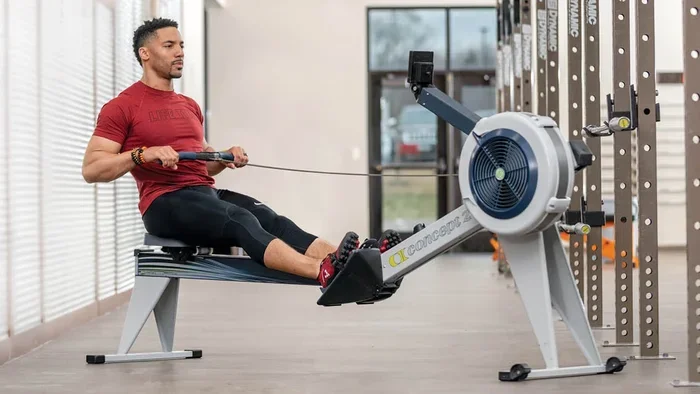
This is the power part of the stroke. You push off with your legs while pulling the handle toward your chest. During the drive, your legs, glutes, and back muscles do the heavy lifting. Your arms join in at the end of the push as you pull the handle back.
The Recovery Phase
This is the return to the starting position. It is a slower, more controlled move. Your arms extend forward first. Then your torso leans forward slightly. Finally, your knees bend as you slide back to the front of the machine. The recovery phase lightly works your core, arms, and upper back.
Because every stroke cycles through both phases, you get a balanced workout across your entire body. This is why so many people ask about what parts of the body does a rowing machine work. The honest answer is: almost all of them.
Lower Body Muscles Worked on a Rowing Machine
Your lower body carries most of the load during a rowing workout. If you have ever wondered what parts of the body does a rowing machine work, the legs are the first answer.
Quadriceps and Hamstrings
Your quadriceps (front of the thighs) and hamstrings (back of the thighs) power the leg drive. These large muscles push you off the footplate during the drive phase. They also control your slide during recovery. Together, they are the biggest calorie burners in a rowing session.
Glutes
Your glutes (butt muscles) connect your upper and lower body. They help you generate force during each push. Strong glutes also protect your lower back. Rowing is one of the best ways to tone and strengthen this area.
Calves
Your calves stay active throughout the stroke. They stabilize your ankles on the footplates. While they do not do the heavy work, they support every movement you make on the machine.
Hip Flexors
The hip flexors help you bend at the hips during the recovery phase. They also assist with the leg drive. Strong hip flexors improve your range of motion and overall rowing efficiency.
Bottom line: if your goal is to build stronger legs and glutes, a rowing machine delivers. It works these muscles more effectively than many people expect.
Upper Body Muscles Targeted by Rowing
While your legs do the bulk of the work, your upper body plays a big role too. Let us look at exactly which muscles fire up during a rowing stroke.
Lat Muscles (Lats)
Your latissimus dorsi (lats) are the large muscles on either side of your back. They are the main pullers during the stroke. Every time you pull the handle toward your body, your lats engage. This is why rowers tend to have wide, well-defined backs.
Trapezius (Traps)
Your trapezius muscles run from your neck to your mid-back. They stabilize your shoulder blades during each pull. Strong traps also help with posture. Rowing regularly can reduce the tightness that comes from sitting all day.
Rhomboids
The rhomboids sit between your shoulder blades. They pull your shoulder blades together during the drive phase. These muscles support healthy shoulder movement and upper back strength.
Rear Deltoids (Rear Shoulders)
The rear deltoids help you pull the handle toward your chest. They work alongside your lats and traps. Rowing is a great way to strengthen the often-neglected back of your shoulders.
Biceps and Triceps
Your biceps pull the handle toward you. Your triceps extend your arms during the recovery phase. Together, they control the pulling and returning motion of each stroke. This is a key part of answering what body parts does a rowing machine target.
Forearms and Grip
You grip the handle throughout the entire workout. Your forearms and hand muscles stay engaged the whole time. Over time, your grip strength improves significantly. This carries over to other exercises and daily activities.
As you can see, a rowing machine works a wide range of upper body muscles. It gives you a strong, balanced upper body without needing separate exercises for each area.
Core Muscles and Rowing
Your core is the bridge between your upper and lower body. It keeps you stable and balanced during every stroke. Rowing is one of the best ways to build core strength.
Abdominal Muscles
Your abdominals (abs) stay tight throughout the entire rowing stroke. They prevent your torso from collapsing forward or sideways. A strong core also helps you generate more power during the drive. This makes your strokes smoother and more efficient.
Obliques
The obliques are the muscles on the sides of your waist. They control your torso rotation during each stroke. Rowing works them from every angle, which helps create a balanced midsection.
Lower Back (Erector Spinae)
Your lower back muscles keep your spine upright and strong. They support the transfer of power from your legs to your upper body. However, it is important to use proper form. Poor technique can strain your lower back. Always keep your back straight and avoid rounding your spine.
When asking what does a rowing machine target, the core is always a key answer. It is engaged from the first stroke to the last. This is why many people notice improved posture and stability after consistent rowing.
Cardiovascular and Overall Health Benefits
Rowing is not just about building muscle. It is also a powerful cardiovascular workout. Let us look at some of the broader health benefits.
Heart Health
Rowing raises your heart rate and keeps it elevated. This strengthens your heart and improves blood circulation. Regular rowing can lower blood pressure and reduce the risk of heart disease.
Calorie Burning and Weight Management
A rowing machine burns a significant number of calories. Depending on your intensity, you can burn 400 to 800 calories per hour. This makes it an excellent tool for weight loss and fat burning. Combined with a balanced diet, rowing helps you reach your body composition goals faster.
Low-Impact Exercise
Unlike running, rowing is low-impact. It does not put heavy stress on your knees, hips, or ankles. This makes it a great option for people with joint concerns. You still get a tough workout without pounding the pavement.
Mental Health Benefits
Rowing also supports your mental well-being. The rhythmic motion can be meditative. It helps reduce stress, anxiety, and even symptoms of depression. The focus required during rowing also clears your mind and boosts concentration.
How to Maximize Muscle Engagement on a Rowing Machine
Now that you know what body parts does a rowing machine target, let us talk about how to get the most from your workouts. Proper technique and smart programming make a huge difference.
Focus on Leg Drive
Many beginners rely too much on their arms. Remember, the power comes from your legs. Push through your heels. Think of each stroke as a leg press followed by a pull. This simple shift increases muscle engagement and boosts calorie burn.
Keep Your Back Straight
Always maintain a neutral spine. Avoid rounding or hunching your shoulders. A straight back protects your spine and lets your lats and traps work properly. If you feel lower back pain, check your form immediately.
Use a Controlled Pace
It is tempting to row as fast as possible. But a controlled pace engages more muscles. Slow down slightly and focus on each phase of the stroke. You will feel more muscles working and get better results.
Vary Your Workouts
Mix steady-state rowing with interval training. Steady rows build endurance. Intervals build power and speed. Together, they create a balanced program that targets every muscle group effectively.
Track Your Progress
Most rowing machines show distance, time, and calories burned. Use this data to set goals and measure improvement. Watching your numbers go up keeps you motivated and focused.
Quick Tips for Beginners
- Start with short sessions. Aim for 10 to 15 minutes and build up gradually.
- Learn the technique first. Watch tutorials or ask a coach for guidance.
- Warm up before rowing. Light stretching or a few easy strokes prevent injury.
- Do not ignore the recovery phase. It helps your muscles recover and builds endurance.
- Stay hydrated. Rowing makes you sweat. Drink water before, during, and after your workout.
Common Mistakes to Avoid
Even experienced rowers make mistakes. Here are a few to watch out for when working out on a rowing machine.
- Rounding the lower back. This puts pressure on your spine. Always keep your back straight and core tight.
- Rowing with only your arms. You miss the power of your legs. Focus on the leg drive first.
- Bouncing on the seat. This wastes energy and reduces muscle engagement. Stay seated and glide smoothly.
- Ignoring the catch position. The catch is the start of the stroke. A strong catch sets up a powerful drive.
- Using too much resistance. High resistance can strain your muscles and joints. Start at a comfortable level and increase gradually.
Who Should Use a Rowing Machine?
One of the best things about rowing is that it suits many people. Here are a few groups who benefit greatly from this equipment.
Beginners
Rowing machines are beginner-friendly. The movement is simple to learn. You control the pace and resistance. This makes it easy to start at your own comfort level and progress over time.
Advanced Athletes
Experienced athletes use rowing to build power, endurance, and mental toughness. Rowing complements other sports like cycling, swimming, and running. It adds a full-body strength element that few machines can match.
People With Joint Issues
Because rowing is low-impact, it is easier on your joints. You get a serious workout without the pounding. If you have bad knees or sensitive hips, a rowing machine might be your best friend.
Busy Professionals
Rowing is time-efficient. A 20-minute session can deliver a complete workout. If you are short on time but want real results, rowing fits perfectly into a busy schedule.
How Does Rowing Compare to Other Exercises?
Let us compare rowing to a few other popular workouts. This helps you see why it stands out.
Rowing vs. Running
Running burns calories and builds leg strength. But it is high-impact and mostly targets the lower body. Rowing works your entire body and is easier on your joints. For a more balanced workout, rowing has the edge.
Rowing vs. Cycling
Cycling is great for leg endurance and cardio. However, it does not engage your upper body much. Rowing adds your back, arms, and core to the equation. This gives you a more complete exercise session.
Rowing vs. Weight Lifting
Weight lifting builds raw strength. But it often targets one muscle group at a time. Rowing combines strength and cardio in one fluid motion. It also improves flexibility and coordination better than most lifting routines.
Conclusion
So, what body parts does a rowing machine target? The answer is clear. A rowing machine works your legs, glutes, back, arms, core, and even your cardiovascular system. It is one of the most complete workout tools you can use. Whether you want to build muscle, burn fat, or improve your heart health, rowing delivers on all fronts.
Now that you understand which muscles get trained, you can approach your next rowing session with purpose. Focus on form. Use your legs. Keep your back straight. And enjoy the full-body benefits that so many people have discovered.
The rowing machine is more than just a piece of gym equipment. It is a path to better strength, endurance, and overall health. Start rowing today and feel the difference for yourself.
Frequently Asked Questions
What body parts does a rowing machine target the most?
A rowing machine targets your legs, glutes, and back the most. These muscle groups handle the majority of the work during the drive phase. Your core, arms, and shoulders also get significant engagement throughout each stroke.
Is a rowing machine good for a full-body workout?
Yes, a rowing machine is one of the best tools for a full-body workout. It combines cardio and strength training in one movement. Nearly every major muscle group gets activated during a rowing session.
Does rowing help you lose belly fat?
Rowing burns a high number of calories, which helps reduce overall body fat, including belly fat. It also builds muscle, which increases your metabolism. Combined with a healthy diet, rowing can be very effective for fat loss.
Can beginners use a rowing machine safely?
Absolutely. Rowing machines are beginner-friendly and low-impact. Start with short sessions at a comfortable pace. Focus on learning proper form before increasing intensity or duration.
How long should a beginner row for?
Beginners should start with 10 to 15 minutes per session. As your endurance improves, gradually increase to 20 to 30 minutes. Listen to your body and rest when needed.
What is the difference between what a rowing machine works on your body and what it does for your body?
“What a rowing machine works on your body” refers to the specific muscles and body parts it trains, like legs, back, and core. “What it does for your body” includes the broader benefits, such as improved heart health, calorie burning, and stress relief. Both aspects make rowing a highly valuable exercise.