What Muscle Groups Does Rowing Machine Work 2

The rowing machine targets multiple muscle groups including your legs, back, arms, and core. It delivers a powerful full body workout that builds strength and endurance at the same time. Understanding which muscles are activated helps you get the most out of every stroke.
You step onto the rowing machine and pull the handle. It feels simple enough. But beneath that smooth motion, a complex chain of muscles fires up with every single stroke. If you have ever wondered exactly what muscle groups does rowing machine work 2 targets, you are in the right place.
Rowing is one of the most efficient workouts you can do. It hits your lower body, upper body, and core all at once. In fact, a rowing machine engages over 80 percent of your muscles during a single session. That makes it a standout choice for anyone who wants a time-efficient full body workout. Whether you are a beginner or a seasoned athlete, understanding which muscles you are working helps you train smarter and see better results.
Many people think rowing is just an arm exercise. That is a common mistake. The truth is, your legs do most of the heavy lifting. Your back, arms, and core all play important roles too. Let us break down exactly what muscle groups does rowing machine work 2 targets so you can get the most out of every session.
Before we dive in, it helps to know that what does a rowing machine work on your body goes far beyond just building muscle. Rowing also improves your cardiovascular health, boosts endurance, and burns calories efficiently. It is truly one of the most well-rounded pieces of workout equipment you can use at home or in the gym.
Key Takeaways
- Legs drive the power: Your quads, hamstrings, glutes, and calves generate most of the force during each stroke.
- Your back and arms pull: The lats, rhomboids, biceps, and shoulders work together during the pull phase.
- Core keeps you stable: Abs and obliques brace your torso throughout the entire rowing motion.
- All phases matter: The catch, drive, and recovery each activate different muscle groups in sequence.
- Low impact, high results: Rowing builds muscle without stressing your joints like running does.
- Proper form is key: Using the right technique ensures you target the right muscles and avoid injury.
📑 Table of Contents
- The Leg Muscles You Work With a Rowing Machine
- Upper Body Muscle Groups Targeted
- Core Muscles and Stability
- The Rowing Stroke and Muscle Activation
- Benefits of Rowing Machine Workouts for Muscle Building
- Common Mistakes That Reduce Muscle Activation
- How to Maximize Muscle Engagement During Your Rowing Session
- Conclusion
The Leg Muscles You Work With a Rowing Machine
Your legs are the engine of the rowing stroke. They produce the majority of the power that moves the machine. When you push off the footplate, large muscle groups in your lower body fire up to drive you backward. This is where most of the raw force comes from.
If you want to know what muscles you work on a rowing machine, your legs should be at the top of the list. The pushing motion targets several key muscle groups at once. Muscles you work on a rowing machine include your quads, hamstrings, glutes, and calves. These lower body muscles are the foundation of every stroke you take.
Quadriceps and Hamstrings
The quadriceps sit at the front of your thighs. They extend your knees and push you away from the machine. The hamstrings sit at the back of your thighs. They work with the quads to stabilize your legs during the drive. Together, these two muscle groups form the foundation of every rowing stroke.
During the drive phase, your quads contract forcefully to extend your knees. Your hamstrings then help extend your hips. This powerful double action creates the momentum that propels the flywheel. Over time, this builds lean muscle and muscular endurance in your entire lower body. Your legs will feel the burn after a tough session, and that is a good sign.
Calves and Glutes
Your calves work to keep your ankles stable as you push against the footplate. The glutes, or buttock muscles, are huge power generators. They extend your hips and give you that final burst of force during the drive. Strong glutes also protect your lower back from strain, which is a big benefit for anyone who sits at a desk all day.
A well-structured rowing machine session will fatigue your legs significantly. That means your muscles are being challenged and are adapting to the workload. Over weeks of consistent training, you will notice stronger legs and more power in your strokes.
Upper Body Muscle Groups Targeted
Once your legs have driven you back, your upper body takes over. The pulling motion engages your back, shoulders, and arms in a coordinated sequence. This is where many people feel the burn, especially if they are new to rowing. The upper body muscle groups worked during rowing are just as important as the lower body.
Back Muscles
The latissimus dorsi, or lats, are the large muscles across your back. They are the primary movers during the pull phase. When you draw the handle toward your lower chest, your lats contract to bring your arms back and squeeze your shoulder blades together.
Your rhomboids, which sit between your shoulder blades, also activate. These muscles help with posture and shoulder stability. The trapezius in your upper back works to control the shoulder movement. Over time, rowing builds a stronger, more defined back without the risk of injury that heavy lifting can carry. Your posterior chain benefits greatly from regular rowing sessions.
Arm and Shoulder Muscles
Your biceps pull the handle toward you. Your forearms grip the handle tightly throughout the stroke. Your shoulders, specifically the rear deltoids, help control the pulling motion. These muscles may look small, but they work hard during every single rep on the rowing machine.
The beauty of rowing is that it builds functional upper body strength. You are not isolating one muscle at a time. Instead, your arms, shoulders, and back all work together as a team. This type of coordinated movement translates well to real-life activities and other sports. Your upper body endurance will improve noticeably after just a few weeks of consistent training.
Core Muscles and Stability
Your core is the bridge between your upper and lower body. It keeps your torso stable and transfers power from your legs to your arms. Without a strong core, your rowing form breaks down and you lose power. The core muscles worked during rowing are essential for performance and injury prevention.
The abdominal muscles, including the rectus abdominis and obliques, brace your spine throughout the stroke. Your lower back muscles, called the erector spinae, also work to maintain an upright posture. These deep stabilizer muscles are constantly engaged, which is one reason why rowing is so effective for building a strong core.
Think of your core as the chassis of a car. The legs provide the engine power, and the arms deliver it to the wheels. But without a solid frame, everything falls apart. A strong core on the rowing machine ensures that power flows smoothly from start to finish. This is also why rowing is often recommended as a low impact exercise that still delivers serious muscle-building results.
The Rowing Stroke and Muscle Activation
The rowing stroke happens in three distinct phases. Each phase activates different muscle groups in a specific order. Understanding this sequence helps you train more effectively and avoid common mistakes. The rowing stroke phases are the catch, the drive, and the recovery.
The Catch Phase
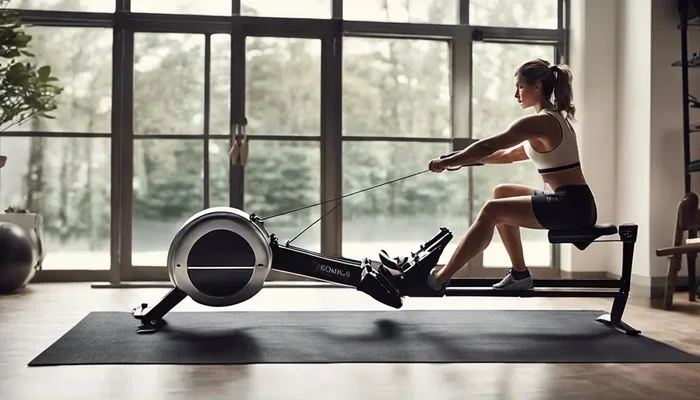
The catch is the starting position. Your knees are bent, your arms are extended, and your torso is leaning slightly forward. At this point, your hamstrings and calves are pre-loaded with tension. Your core is braced and ready to initiate the movement.
The catch sets up the entire stroke. A strong catch means your legs can generate maximum force right from the start. This is where the power begins. Your muscle activation starts here, with the posterior chain muscles preparing to fire in sequence.
The Drive Phase
The drive is the most powerful part of the stroke. It happens in a specific sequence: legs push first, then the torso swings back, and finally the arms pull. This sequential firing is called the legs-trunk-arms sequence.
Your quads and glutes lead the drive. Your core stabilizes your torso. Then your back and arms finish the pull. This coordinated sequence ensures that no single muscle group is overworked. It also maximizes the power output of every stroke on the rowing machine. The drive phase is where the most muscle groups fire at once, making it the heart of the rowing motion.
The Recovery Phase
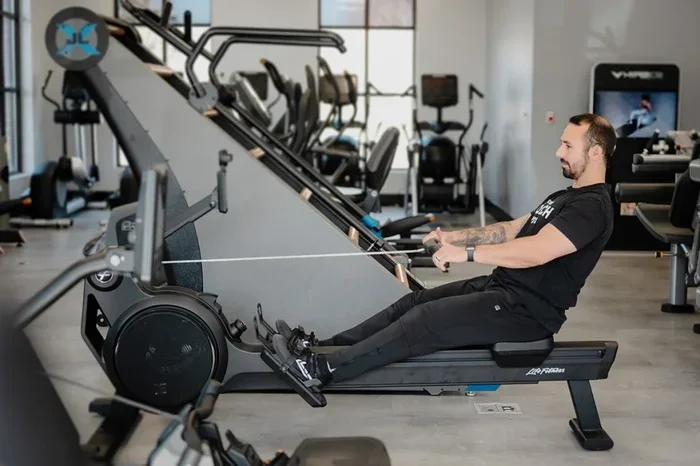
The recovery is the return to the starting position. It happens in reverse order: arms extend first, then the torso leans forward, and finally the knees bend. The recovery is often overlooked, but it is just as important as the drive.
During recovery, your muscles lengthen under control. This eccentric loading helps build muscle endurance and flexibility. It also prepares your body for the next powerful drive. A smooth, controlled recovery leads to better overall performance and less fatigue over time. Many beginners rush this phase, which wastes energy and reduces the effectiveness of their indoor rowing sessions.
Benefits of Rowing Machine Workouts for Muscle Building
Rowing is not just about building muscle. It offers a wide range of benefits that make it one of the best choices for your workout routine. Let us look at why the rowing machine deserves a permanent spot in your fitness plan.
First, rowing is a low impact exercise. Unlike running or jumping, it places minimal stress on your joints. This makes it accessible for people of all fitness levels and ages. You can row every day without worrying about wear and tear on your knees or ankles.
Second, rowing builds both strength and endurance simultaneously. The resistance on the machine challenges your muscles, while the continuous motion improves your cardiovascular system. This dual benefit means you get more done in less time. A 20-minute rowing session can be as effective as a 40-minute session on other machines.
Third, rowing improves your posture and body alignment. Because it strengthens your back and core muscles, you naturally stand taller and move with better form throughout the day. This is a benefit that goes well beyond the gym.
Fourth, rowing burns a significant number of calories. It is one of the most efficient ways to combine cardio and strength training in a single workout. If weight loss is one of your goals, adding rowing machine sessions to your routine can accelerate your progress.
Finally, rowing is incredibly versatile. You can adjust the resistance to focus on strength or endurance. You can do steady-state sessions for fat loss or high-intensity intervals for maximum calorie burn. Whether you want to build muscle, lose weight, or improve your overall fitness, the rowing machine adapts to your goals.
If you are curious about how rowing compares to other cardio machines, check out does a rowing machine give a full body workout to see how it stacks up against treadmills and ellipticals. The answer might surprise you.
Common Mistakes That Reduce Muscle Activation
Even though the rowing machine is straightforward, many people make mistakes that reduce its effectiveness. Avoiding these errors helps you get more out of every workout and protects you from injury.
One common mistake is using only your arms. Remember, your legs do about 60 percent of the work. If you pull with your arms and neglect your legs, you are leaving a lot of power on the table. Focus on driving through your feet first and let your arms finish the motion.
Another mistake is rounding your back. Your spine should stay neutral throughout the entire stroke. Rounding your back puts unnecessary pressure on your lower spine and reduces the engagement of your core muscles. Keep your chest lifted and your shoulders relaxed. Think tall and proud throughout every stroke.
Rushing the recovery is also a problem. Many people snap back to the catch too quickly. This wastes energy and reduces muscle time under tension. Slow down during the recovery. Control the movement, and you will feel the difference in your muscles. A smooth recovery also reduces your risk of injury over time.
Finally, setting the damper too high does not mean you are getting a better workout. The damper controls airflow to the flywheel, not resistance. A setting of 3 to 5 is usually enough for most people. Cranking it to 10 just makes the machine harder to spin, not more effective for building muscle. Focus on technique and consistency, not just resistance levels.
How to Maximize Muscle Engagement During Your Rowing Session
Now that you know what muscle groups does rowing machine work 2 targets, here are some practical tips to get the most out of your sessions.
Focus on your form first. Before you chase high numbers on the monitor, make sure your technique is solid. A clean stroke activates the right muscles and prevents injury. Film yourself from the side and check that you are following the legs-trunk-arms sequence. Good form is the foundation of every effective rowing workout.
Vary your intensity. Do long, steady rows for endurance. Do short, intense intervals for power and speed. Both types of training build muscle in different ways. A balanced program includes both steady-state and high-intensity sessions. This approach keeps your muscles guessing and promotes continuous growth.
Warm up before you row. Spend 5 to 10 minutes doing light strokes and dynamic stretches. This increases blood flow to your muscles and prepares your joints for the workout. It also helps you find your rhythm before you push harder. A proper warm-up can make a big difference in your performance.
Cool down and stretch afterward. Focus on your hamstrings, quads, hip flexors, and back. Stretching helps reduce soreness and keeps your muscles flexible. This is especially important if you are new to rowing or increasing your workout intensity. Recovery is when your muscles actually grow stronger.
Track your progress over time. Note your stroke rate, split times, and how you feel after each session. Seeing improvement keeps you motivated and helps you adjust your training as you get stronger. Consistency is the most important factor. Aim for 3 to 4 rowing sessions per week. Combine your rowing with other forms of exercise like strength training and flexibility work for the best overall results. Your muscles need rest to grow, so give yourself recovery days between intense sessions.
Rowing is a skill. The more you practice, the more efficient your strokes become. And as your technique improves, you will feel your muscles working in a more coordinated and powerful way. That is when the real magic happens on the rowing machine. Keep at it, stay patient, and enjoy the journey.
Conclusion
The rowing machine is one of the most effective pieces of equipment for working multiple muscle groups at once. From your quads and glutes to your lats and biceps, nearly every major muscle in your body gets involved. Your core acts as the stabilizer that ties it all together, making rowing a truly complete exercise.
Understanding what muscle groups does rowing machine work 2 targets gives you the knowledge to train with purpose. You can focus on form, adjust your intensity, and get better results every time you step on the machine. Whether your goal is building muscle, losing weight, or improving your overall fitness, rowing delivers real results.
So next time you hop on the rowing machine, remember that every stroke is a full body movement. Push with your legs, pull with your arms, and brace with your core. Do that consistently, and you will see and feel the difference. Happy rowing!
Frequently Asked Questions
Does a rowing machine work your abs?
Yes, your abdominal muscles are actively engaged throughout every rowing stroke. Your core stabilizes your torso and transfers power between your legs and arms. This makes rowing an excellent way to strengthen and define your midsection over time.
Is rowing better than running for muscle building?
Rowing builds muscle in more groups than running does. It targets your legs, back, arms, and core simultaneously. Running primarily works your lower body and cardiovascular system. For a balanced muscle-building approach, rowing has a clear advantage.
How long should I row to build muscle?
A 20 to 30-minute session is ideal for most people. Focus on maintaining proper form and moderate to high resistance. Consistency matters more than duration. Aim for 3 to 4 sessions per week for the best muscle-building results.
Can rowing replace weight training?
Rowing is a great complement to weight training but may not fully replace it for building maximum strength. It excels at building muscular endurance and functional strength. For the best results, combine rowing with traditional strength exercises.
What part of the body does rowing machine work the most?
The legs generate the most power, contributing about 60 percent of the force in each stroke. Your back and arms also work hard during the pull phase. Your core stabilizes everything throughout the motion. Together, these muscle groups make rowing a highly effective full-body exercise.
Will rowing make my legs bulky?
Not typically. Rowing builds lean, toned muscle rather than bulk. The repetitive, endurance-based nature of rowing creates long, strong muscles. Unless you are lifting extremely heavy resistance on the machine, you will develop a lean, athletic look in your legs.