What Parts of Your Body Does Rowing Workout
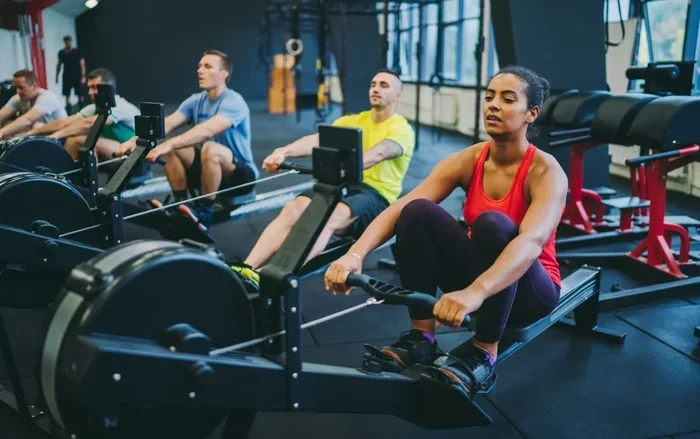
A rowing workout is one of the best full-body exercises you can do. It targets your legs, back, arms, and core all at once. Whether you use a rowing machine at the gym or row on water, this low impact exercise builds strength and endurance. Rowing engages over 80% of your muscle groups in every stroke. Keep reading to learn exactly which muscles you are working and how to get the most from each session.
Have you ever wondered what parts of your body does rowing workout actually target? It is one of the most effective full body workout options out there. Unlike machines that isolate a single muscle group, a rowing machine pulls nearly everything into the movement. Whether you are a beginner or a seasoned athlete, rowing delivers results that are hard to match.
The beauty of indoor rowing is that it works your upper and lower body at the same time. You build muscle while also improving your heart health. Plus, it is easy on your knees and ankles. If you want a workout that does it all, rowing might just be your new favorite thing.
In this guide, we will break down every muscle group that rowing targets. You will learn how each stroke works your body from head to toe. We will also share tips to improve your form and get the most out of every session. Let us dive in.
Key Takeaways
- Full Body Engagement: Rowing works your legs, back, arms, and core in one smooth motion.
- Low Impact Cardio: It is gentle on your joints while still delivering a intense cardio workout.
- Burns Calories Fast: A single session can torch hundreds of calories and boost your metabolism.
- Improves Posture: Regular rowing strengthens the muscles that support good spinal alignment.
- Easy to Learn: With proper rowing technique, anyone can start seeing results quickly.
- Great for All Fitness Levels: You can adjust the resistance to match your current ability.
📑 Table of Contents
How Rowing Engages Your Upper Body
When you pull the handle toward your chest, your upper body does a lot of the work. Many people think rowing is just a leg exercise, but that is not true at all. Your arms, shoulders, and back all fire up during every pull.
Back Muscles
The back muscles are heavily involved in rowing. Your latissimus dorsi, rhomboids, and trapezius all contract when you pull the handle. These are the muscles that help you stand tall and pull objects toward you. Over time, rowing builds a stronger, more defined back.
One of the best things about rowing is that it targets both your upper and lower back. This balanced engagement helps prevent muscle imbalances. It also supports better posture throughout your day. If you sit at a desk for work, this is a huge benefit.
Arm and Shoulder Muscles
Your biceps, forearms, and shoulders all play a role in the pulling phase. The biceps bend your elbows as you bring the handle in. Your forearms grip the handle and control the motion. Meanwhile, your deltoids and traps stabilize the shoulder joint.
Unlike dumbbell curls that only target one muscle at a time, rowing works your arms in a functional way. This means you build strength that carries over to real-life movements. You will notice improved grip strength and arm endurance over time.
Chest Muscles
While rowing is not a chest-focused exercise, it still activates your pectoral muscles. The chest muscles help control the return phase of each stroke. This subtle engagement adds to the overall muscle work you get from rowing.
How Rowing Works Your Lower Body
Here is a secret many people miss: your legs do the majority of the work in each stroke. The drive phase of rowing is powered almost entirely by your lower body. This makes it a powerful strength training tool for your legs.
Quadriceps and Hamstrings
Your quadriceps and hamstrings are the star muscles during the drive. As you push off the footplate, these large leg muscles extend your knees and hips. This movement is similar to a squat, which means you are building serious lower body strength.
The quadriceps are the four muscles on the front of your thigh. They power the initial push. The hamstrings on the back of your thigh help extend your hips. Together, they create a powerful and efficient stroke.
Glutes and Calves
Your glutes (butt muscles) also get a great workout from rowing. They help extend your hips during the drive phase. Strong glutes improve your posture and reduce lower back pain. They also give you more power in every stroke.
Your calves work to keep your feet stable on the footplates. While they are not the main movers, they still contract with each stroke. This adds to the overall lower body engagement that makes rowing so effective.
Why Leg Power Matters
Understanding leg power in rowing is key to getting better results. Many beginners rely too much on their arms. This leads to fatigue and poor form. When you learn to push with your legs first, everything changes. You get more power, burn more calories, and protect your joints.
If you want to compare how different exercises target your legs, check out what parts of the body does jump rope workout for a great look at lower body engagement.
The Core Muscles Activated During Rowing
Your core is the bridge between your upper and lower body during every rowing stroke. Without a strong core, your power leaks out and your form falls apart. This is why rowing is such an excellent core stability exercise.
Abdominal Muscles
Your abdominal muscles work hard to keep your torso stable throughout the stroke. The rectus abdominis, obliques, and transverse abdominis all engage during each rep. This is similar to how your abs work when you do a plank or a sit-up.
Over time, rowing can help you develop a stronger midsection. This not only improves your athletic performance but also supports everyday movements like bending, lifting, and twisting.
Lower Back and Hip Flexors
Your lower back muscles help maintain the proper lean during each stroke. The hip flexors control the recovery phase, bringing you back to the starting position. Together, these muscles keep your spine safe and your strokes smooth.
Good rowing technique ensures these muscles work together in harmony. When done correctly, rowing actually strengthens your lower back and reduces pain. It is one of the best cardio exercise options for people who want to build a resilient core.
Rowing vs Other Cardio Machines
How does rowing compare to other popular cardio machines? Let us take a quick look at how it stacks up against some common options.
| Machine | Primary Muscles Worked | Impact Level | Calorie Burn (30 min) |
|---|---|---|---|
| Rowing Machine | Full body (86% of muscles) | Low | 250-350 cal |
| Elliptical | Legs, glutes, arms | Low | 200-300 cal |
| Treadmill | Legs, glutes | High | 250-400 cal |
| Stationary Bike | Legs, glutes | Low | 200-300 cal |
Rowing stands out because it engages more muscle groups than most machines. While a treadmill mainly targets your legs, rowing pulls in your back, arms, and core too. This makes it a more efficient workout in less time.
If you are curious how the elliptical compares, you can read about what parts of the body does the elliptical workout to see the differences. Similarly, for a look at how rowing machines benefit your body specifically, that article covers the full picture.
Benefits of Rowing for Full-Body Fitness
Beyond targeting specific muscles, rowing offers a wide range of health benefits. Here is why so many people are adding it to their workout routine.
- Burns Calories Quickly: Rowing is a high-intensity aerobic exercise that torches calories fast. A 30-minute session can burn 250 to 350 calories depending on your intensity.
- Improves Cardiovascular Health: Regular rowing strengthens your heart and lungs. It increases your cardiovascular fitness and lowers the risk of heart disease.
- Builds Muscle Endurance: Unlike heavy weightlifting, rowing builds endurance in your muscles. This means you can work longer and recover faster.
- Boosts Metabolism: The full-body engagement keeps your metabolism elevated long after you finish. This is known as the afterburn effect.
- Reduces Stress: Like all cardio, rowing releases endorphins that improve your mood and reduce stress levels.
- Improves Flexibility: The sliding seat and full range of motion help improve your hip and hamstring flexibility over time.
How to Maximize Your Rowing Workout
Now that you know what muscles rowing targets, let us talk about how to get the most from each session. Proper form and smart programming make a huge difference.
Master the Rowing Stroke
The rowing stroke has four phases: the catch, the drive, the finish, and the recovery. During the drive, you push with your legs first, then lean back, and finally pull with your arms. During the recovery, you reverse the order. Mastering this sequence is the key to an effective and safe workout.
Start Slow and Build Up
If you are new to indoor rowing, start with shorter sessions at a lower resistance. Focus on your form before you try to go fast or hard. Once your technique feels solid, you can increase the intensity gradually.
Mix Up Your Routine
Doing the same rowing workout every day can get boring fast. Try mixing in intervals, long steady rows, and sprints. This keeps your body challenged and your mind engaged. Variety is the secret ingredient to long-term progress.
Listen to Your Body
Rowing is a low impact exercise, but you should still pay attention to how your body feels. If something hurts, stop and check your form. Proper rowing technique prevents injuries and ensures you are targeting the right muscles.
Common Mistakes to Avoid
Even though rowing is straightforward, there are a few mistakes that can hold you back. Avoid these common errors to get better results and stay injury-free.
- Relying too much on your arms: Your arms should finish the stroke, not start it. Let your legs do the heavy lifting.
- Rounding your back: Keep your spine neutral throughout the stroke. A rounded back can lead to pain and injury.
- Sliding too fast: Speed is not everything. Focus on controlled, powerful strokes instead.
- Skipping the recovery phase: The recovery is just as important as the drive. Use it to rest and prepare for the next stroke.
By avoiding these mistakes and focusing on proper form, you will see faster results and enjoy your workouts more. Rowing is a fantastic way to build strength, improve endurance, and take care of your body at the same time.
For a deeper dive into what specific muscle groups rowing targets, check out what parts of the body does rowing machine work for additional insights on muscle engagement and benefits.
Final Thoughts
So, what parts of your body does rowing workout target? The answer is almost everything. From your legs and glutes to your back, arms, and core, rowing is a true full body workout. It builds strength, improves cardiovascular health, and burns calories efficiently. Best of all, it is gentle on your joints and easy to adjust to your fitness level.
Whether you are looking to lose weight, build muscle, or just stay active, rowing has something to offer. All you need is a machine and a willingness to learn. The results will speak for themselves.
Start incorporating rowing into your workout routine this week. Your body will thank you. And if you are still exploring other options, consider reading about what parts of your body does the elliptical work to compare different cardio machines and find the best fit for your goals.
Frequently Asked Questions
Is rowing a good full body workout?
Yes, absolutely. Rowing engages over 86% of your muscle groups in every stroke. It works your legs, back, arms, and core all at once, making it one of the most efficient full body workouts available.
How often should I row to see results?
Most people see noticeable improvements within 4 to 6 weeks of rowing 3 to 4 times per week. Consistency is key, and combining rowing with a balanced diet will speed up your results even more.
Is rowing safe for beginners?
Yes, rowing is very beginner-friendly. It is a low impact exercise that puts minimal stress on your joints. Start with lower resistance and focus on learning proper rowing technique before increasing intensity.
Can rowing help with weight loss?
Definitely. A 30-minute rowing session can burn 250 to 350 calories depending on your effort level. Combined with a healthy diet, regular rowing can be a powerful tool for weight loss and fat burning.
What is the difference between rowing and other cardio machines?Unlike treadmills or bikes that mainly target your legs, rowing works your entire body. It combines cardio and strength training in one movement, which makes it more efficient for building overall fitness.
Do I need to be fit to start rowing?
Not at all. Rowing machines allow you to adjust the resistance to match your current fitness level. Anyone can start with a gentle session and build up over time at their own pace.
=== CONCLUSION ===
Rowing is one of the best exercises you can add to your fitness routine. It targets your legs, back, arms, and core in a single smooth motion. The full body workout benefits are hard to beat, and the low impact nature makes it accessible to almost everyone. Whether your goal is to burn calories, build muscle, or improve heart health, rowing delivers.
Now that you know exactly what parts of your body does rowing workout target, you can get the most from every session. Focus on your form, stay consistent, and enjoy the process. Your body will thank you for it.