Which Is Better Rowing Machine or Bike 2

The rowing machine and exercise bike are two of the most popular cardio machines, but they work your body in completely different ways. A rowing machine delivers a full body workout that burns more calories and builds core strength, while an exercise bike offers a simpler, low impact exercise perfect for beginners and long sessions. Understanding the strengths of each will help you make the best choice for your fitness goals.
Choosing between a rowing machine and an exercise bike is one of the most common dilemmas for home gym owners. Both pieces of cardio equipment offer serious fitness benefits, but they work your body in very different ways. Whether you are chasing weight loss, building endurance, or just looking for a low impact exercise option, the right choice depends on your goals, body, and lifestyle.
In this guide, we break down the rowing machine vs bike comparison from every angle. We will look at muscle engagement, calorie burn, joint stress, space requirements, and more. By the end, you will know exactly which machine fits your fitness journey best. If you want a deeper dive, check out our detailed analysis on Which Is Better A Rowing Machine Or Exercise Bike 2 for more side by side insights.
Both machines have loyal fans for good reason. The trick is understanding what each one does best. Let us dive in and explore.
Key Takeaways
- Full body vs lower body: A rowing machine engages up to 86% of your muscles, while an exercise bike primarily targets your legs and lower body.
- Calorie burn advantage: Rowing generally burns more calories in less time due to the involvement of multiple muscle groups.
- Ease of use: Exercise bikes have a much lower learning curve, making them ideal for beginners or anyone who wants a simple workout.
- Both are low impact: Neither machine pounds your joints, so both are suitable for people with joint concerns or those recovering from injury.
- Workout style matters: Rowing suits high intensity interval training, while bikes excel at long steady state cardio sessions.
- Space and budget: Both machines are reasonable for home use, but rowing machines tend to need slightly more space.
- Best choice depends on goals: Pick the machine that aligns with your specific fitness objectives and you will stay motivated and see results.
📑 Table of Contents
Why the Rowing Machine vs Bike Question Matters
Home gym equipment sales have skyrocketed in recent years. More people are investing in fitness equipment for their homes than ever before. And at the top of the shopping list? Cardio machines. But the question remains: which one delivers more value for your money and your body?
The debate between a stationary bike and a rowing machine is not just about preference. It is about function. Each machine serves a different purpose and targets different fitness needs. Picking the wrong one can lead to frustration, wasted space, and a machine that collects dust in the corner.
That is why we are here. We have done the research and broken everything down into simple, practical categories. No fluff, no jargon. Just clear information to help you decide.
Why This Comparison Is So Important
Understanding the fitness equipment comparison helps you avoid buyer regret. A rowing machine is not just a better bike, and a bike is not just a simpler rower. They are different tools for different jobs. Knowing which job you need done is the first step toward a smarter purchase.
This matters even more if you are working with limited space or a tight budget. A well informed choice means you get the most value from every dollar you spend and every square foot of floor space you use.
What a Rowing Machine Brings to the Table
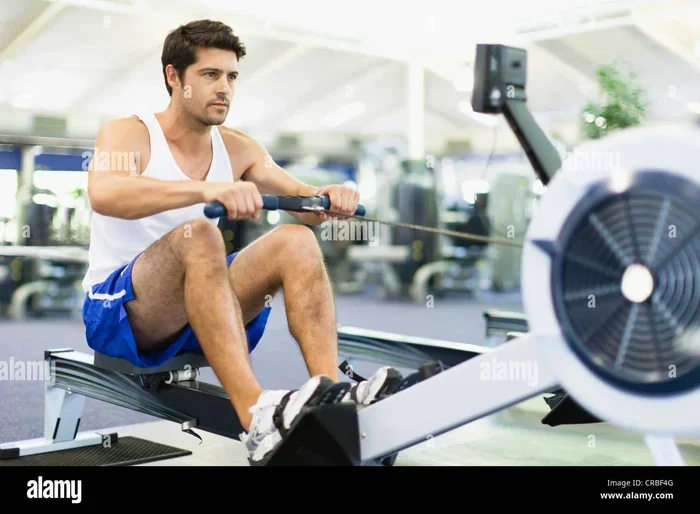
A rowing machine is unique because it engages up to 86% of your muscles during each stroke. That is a massive number compared to most other aerobic exercise equipment. Here is what makes it stand out from the crowd.
Full Body Engagement Like No Other
When you row, you use your quads, hamstrings, glutes, back, shoulders, biceps, triceps, and core. Every single pull involves multiple muscle groups working together in perfect harmony. This kind of muscle engagement is something an exercise bike simply cannot match.
Because so many muscles are active at once, your heart rate rises faster. That means you burn more calories in less time. Research shows that calorie burn on a rowing machine can exceed that of a bike at similar intensity levels. For those focused on fat burning, this is a major advantage.
The beauty of rowing is that it does not isolate one area. It trains your entire body to work as a unit. This kind of full body workout translates directly into real world strength and coordination.
Low Impact but High Intensity
One of the best things about rowing is that it is joint friendly. Unlike running or jumping, rowing does not pound your knees or ankles. Yet it still delivers a powerful cardio workout. You can adjust the resistance to make it easier or harder, giving you full control over your workout intensity.
If you have bad knees or are recovering from an injury, a rowing machine can be a lifesaver. It keeps you moving without making things worse. You can learn more about how rowing compares to cycling in our article on Is A Rowing Machine Better Than A Stationary Bike 2.
The key is that low impact does not mean low effort. You can absolutely push yourself hard on a rower without stressing your joints. This makes it a fantastic option for long term fitness and endurance training.
Core Strength and Posture Benefits
Every rowing stroke requires your core to stabilize your body. Over time, this builds serious core strength without doing crunches. A strong core improves posture, reduces back pain, and supports every other exercise you do.
People who sit at desks all day especially benefit from this. Rowing strengthens the posterior chain, which counters the slouching effect of prolonged sitting. It is one of the hidden rowing machine benefits that many people overlook at first.
Workout Variety to Keep You Motivated
Rowing offers incredible variety. You can do intervals, steady rows, pyramid sets, and timed challenges. The constant change in resistance and stroke rate keeps your mind engaged and your body guessing. This variety is a big factor in long term adherence to a workout routine.
When you enjoy your workouts, you show up more often. That consistency is what drives real results over weeks and months.
What an Exercise Bike Stands Out For
Do not count the exercise bike out. It has its own set of strengths that make it a top pick for many people. Let us explore what gives it an edge over the rower.
Simplicity and Easy Access
An exercise bike is about as straightforward as cardio equipment gets. You hop on, choose your resistance level, and start pedaling. There is no learning curve. This makes it perfect for beginners or anyone who wants a no fuss indoor cycling session.
Rowing, by contrast, has a slightly steeper learning curve. Getting the technique right, especially the drive and recovery phases, takes a few sessions. If you jump into rowing with bad form, you risk lower back strain. So the bike wins on accessibility every single time.
This simplicity also means you can exercise while watching TV, listening to a podcast, or reading a book. It fits effortlessly into your daily routine.
Leg Strength and Lower Body Power
While a bike does not work your upper body, it is fantastic for building leg strength. Your quads, hamstrings, calves, and glutes all get a serious workout. Increasing the resistance turns your bike session into a resistance training session for your lower body.
For cyclists looking to maintain leg power during the off season, an exercise bike is a go to tool. It is also great for people who want to strengthen their legs without stressing their upper body or core.
Comfort and Long Session Endurance
Many people find it easier to sustain long sessions on an exercise bike. You sit comfortably, pedal at your own pace, and enjoy the ride. It is not unusual to pedal for 45 to 60 minutes without feeling completely spent. Rowing, because it uses more muscles, tends to fatigue you faster.
If your goal is cardiovascular fitness through long steady sessions, the bike is hard to beat. It lets you build a strong aerobic base without overloading your system. For those curious about how rowing compares specifically for weight loss, our article on How Effective Is A Rowing Machine For Weight Loss 2 covers that in great detail.
Rehabilitation and Active Recovery
Because of its gentle nature, the exercise bike is often used in physical therapy. It allows people to stay active during recovery without putting strain on healing joints. Even if you are not in rehab, this makes the bike a great option for active recovery days when you want movement without intensity.
Rowing Machine vs Bike: Side-by-Side Comparison
Let us lay it all out clearly so you can see the differences at a glance. Here is a head to head comparison of the two machines across the most important factors.
| Factor | Rowing Machine | Exercise Bike |
|---|---|---|
| Muscle Groups Worked | Full body (up to 86% of muscles) | Lower body primarily |
| Calorie Burn (30 min, avg) | 300 to 400 calories | 250 to 350 calories |
| Joint Impact | Low impact | Low impact |
| Learning Curve | Moderate | Very easy |
| Space Required | Moderate (can store vertically) | Small to moderate |
| Best For | Full body fitness, weight loss | Cardio, leg strength, beginners |
| Workout Duration | 20 to 40 minutes (high intensity) | 30 to 60 minutes (steady state) |
| Core Engagement | High | Low |
| Workout Variety | Very high | Moderate |
| Price Range | Mid to high | Low to mid |
As you can see, both machines have clear strengths. The rowing machine wins on full body workout benefits and calorie burn. The bike wins on ease of use and long session comfort. Your choice depends on what matters most to you and your fitness journey.
Who Should Choose Which Machine
Some people will benefit more from a rowing machine. Others are better suited to an exercise bike. Here is a breakdown to help you figure out which camp you belong in.
People Who Want Maximum Calorie Burn
If you are serious about weight loss and want to burn the most calories in the least amount of time, the rowing machine is your best bet. The full body engagement drives your metabolism up fast. Short, intense sessions of 20 to 30 minutes can deliver results that rival much longer bike rides. If you want to dig deeper into the calorie comparison, check out What Is Better A Rowing Machine Or A Bike for more data driven insights.
Beginners Starting Their Fitness Journey
If you are brand new to exercise, the bike is a gentle entry point. You do not need to worry about form or technique. Just start pedaling and go at your own pace. This low barrier to entry makes it the better choice for those just getting active. A stationary bike lets you build a habit before adding complexity.
People Who Want a Stronger Core and Back
Because rowing heavily targets your core and back muscles, it is excellent for building functional strength. If you sit at a desk all day and want to counteract that, a rowing machine can help balance your muscle development. It strengthens your posterior chain, which supports better posture and less back pain over time.
Those Who Prefer Long, Relaxing Sessions
Some people love a long, steady ride while watching their favorite show. The exercise bike supports that style perfectly. It is meditative in its own way and lets you build a strong cardiovascular base over time without feeling exhausted. Think of it as aerobic exercise at its most accessible and enjoyable.
People Rehabbing from Injury
If you are recovering from a knee, hip, or ankle injury, the exercise bike is often the safer choice. It provides supported movement that helps maintain fitness without risking further damage. Always consult your doctor or physical therapist before starting any exercise routine during recovery.
Quick Tips, Common Mistakes, and Expert Insights
Quick Tips for Getting the Most Out of Either Machine
- Start with short sessions of 15 to 20 minutes and build up gradually to avoid burnout and muscle soreness.
- Focus on proper form, especially with rowing. Watch tutorial videos or ask a trainer to check your technique before you go solo.
- Set specific goals, like burning a certain number of calories or improving your distance over time. Measurable targets keep you motivated.
- Mix up your workouts. Do intervals one day and steady state sessions the next to challenge your body in different ways.
- Track your progress. Most machines have built in monitors, or you can use a fitness app to log your sessions and see improvements.
- Stay hydrated and fuel your body with good nutrition before and after workouts. What you eat directly impacts your performance and recovery.
Common Mistakes People Make
- Using bad rowing form, especially hunching the shoulders or pulling with the arms only. This leads to injury and wasted effort.
- Setting resistance too high too soon, leading to rapid fatigue and poor technique that undermines your progress.
- Ignoring warm ups and cool downs before and after sessions. This increases injury risk and slows recovery.
- Doing the exact same workout every single day, which leads to plateaus and boredom. Your body adapts quickly without variety.
- Choosing a machine based solely on price without considering build quality, warranty, and customer reviews. Cheap machines often break down fast.
Expert Insights
Fitness professionals often recommend matching the machine to your primary goal. Certified personal trainer Sarah Collins shares, “If a client wants to maximize their time and get a total body workout, I always suggest rowing. But if they are rehabbing an injury or just starting out, the bike is a safer and more comfortable starting point.” This kind of practical advice shows that there is no wrong answer, only the right fit for your situation.
Another coach I spoke with emphasized consistency over equipment choice. “The best machine is the one you will actually use three to five times a week,” he explained. “A perfect rower that sits in the garage collecting dust does zero good for your fitness goals.” That perspective is worth keeping front of mind as you decide.
The bottom line is that both the rowing machine and the exercise bike are excellent tools. They just serve different purposes. Think about your goals, your experience level, and your lifestyle. Then pick the one that feels like the right match. You can always add the other machine later as your fitness grows and evolves.
Factors That May Tip the Scales
Here are a few more things to consider before making your final decision. These practical details can make the difference between a good choice and a great one.
- Available space: Measure your workout area before buying. Rowing machines are longer but many can store vertically. Bikes take up less floor space overall.
- Noise levels: Air rowers can be louder than magnetic bikes. If you have roommates or sleep nearby, consider a magnetic rower or a quiet bike.
- Budget: Exercise bikes tend to be more affordable upfront. Rowing machines cost more but often deliver more versatility per dollar spent.
- Health conditions: If you have back problems, consult a doctor before choosing a rowing machine. The bike may be safer for certain conditions.
- Motivation style: If you like challenge and variety, row. If you like comfort and steady progress, ride. Your personality matters when picking equipment.
Conclusion
The rowing machine vs bike debate does not have a one size fits all answer. Both machines deliver powerful cardio workout benefits, but they target your body in fundamentally different ways. The rowing machine excels at full body engagement, maximum calorie burn, and core building. The exercise bike shines in simplicity, comfort, and long endurance sessions.
Think about your goals. Think about your body. Think about your lifestyle. And then make the choice that fits best. Remember, the best machine is the one that gets you moving consistently. A full body workout on a rower or a steady ride on a bike, both paths lead to better health when you stick with them.
Whichever you choose, commit to showing up. Your future self will thank you for getting started today. So take that first step, hop on your machine of choice, and enjoy the journey toward a stronger, healthier you.
Frequently Asked Questions
Is a rowing machine better than an exercise bike for weight loss?
A rowing machine generally burns more calories per session because it engages more muscles at once. However, the best machine for weight loss is the one you will use consistently. If you prefer longer sessions, a bike can also deliver excellent results over time.
Can I build muscle on an exercise bike?
An exercise bike is primarily a cardio machine, but it can build leg strength, especially when you increase the resistance significantly. It will not give you the full body muscle building that a rowing machine provides, but it is effective for lower body toning and endurance.
Are rowing machines safe for people with bad knees?
Yes, rowing machines are generally low impact and joint friendly. However, proper form is essential to avoid knee strain. If you have severe knee issues, consult a doctor before starting. An exercise bike may also be a safe alternative that provides similar cardiovascular benefits.
How long should each workout session be on these machines?
For a rowing machine, 20 to 40 minute sessions at moderate to high intensity work well. For an exercise bike, 30 to 60 minute steady state sessions are effective. Beginners should start with 15 to 20 minutes and gradually increase duration and intensity over several weeks.
Which machine is easier to store at home?
Exercise bikes generally take up less floor space and are easy to move. Many rowing machines can be stored vertically against a wall, making them surprisingly space efficient. Measure your available area before purchasing either machine to ensure it fits comfortably in your home.
Can I use both machines on the same day?
Absolutely. Many fitness enthusiasts alternate between rowing and cycling on different days, or even combine them in a single session for a varied workout. Just be sure to manage your total workout time and allow adequate rest to avoid overtraining and injury.