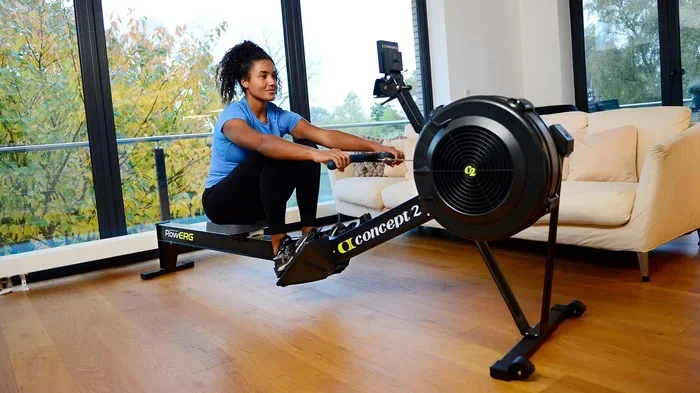
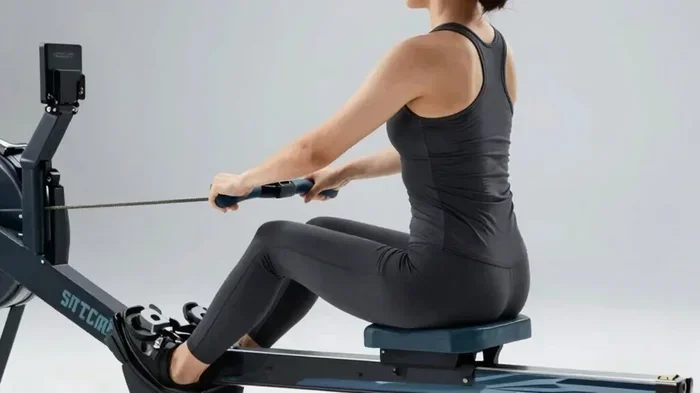
How Long to Use Rowing Machine for Beginners

How long to use a rowing machine for beginners depends on your fitness level, goals, and experience. Most beginners should start with 10 to 15 minutes per session and gradually build up to 20 to 30 minutes. This guide covers the right duration, frequency, and tips to help you get started safely and see real results.
Starting a new fitness journey can feel overwhelming. You might wonder how long to use a rowing machine for beginners without burning out or getting hurt. The good news is that you do not need hours on the water or in the gym to see real results. A rowing machine is one of the most efficient full-body workout tools you can use at home or at the gym.
This guide breaks down exactly how much time you should spend on the rowing machine as a beginner. You will learn about workout duration, frequency, proper form, and how to build a routine that fits your lifestyle. Whether your goal is weight loss, heart health, or building endurance, this article has you covered.
Key Takeaways
- Start Small: Begin with 10 to 15 minutes per session and increase gradually over time.
- Frequency Matters: Aim for 3 to 4 rowing sessions per week for steady progress.
- Listen to Your Body: Rest when needed and avoid pushing through pain, especially as a beginner.
- Proper Form Is Key: Learning the correct rowing technique prevents injury and maximizes results.
- Track Your Progress: Use time, distance, and stroke rate to measure improvement over weeks.
- Consistency Beats Intensity: Regular short sessions work better than rare long workouts for beginners.
📑 Table of Contents
- Why the Rowing Machine Is Great for Beginners
- How Long Should Beginners Use the Rowing Machine
- How Often Should Beginners Row
- Proper Rowing Form for Beginners
- Rowing Machine Workout Plan for Beginners
- How to Know If You Are Rowing Too Much
- Quick Tips for Getting the Most Out of Your Rowing Sessions
- Common Mistakes Beginners Make on the Rowing Machine
- Expert Insights on Beginner Rowing Duration
- Conclusion
Why the Rowing Machine Is Great for Beginners
The rowing machine works over 80 percent of your muscles. It engages your legs, back, arms, and core all at once. This makes it a time-efficient choice for people who want a complete workout in less time. Unlike running, rowing is low impact, which means it is easier on your joints.
Here are some key reasons why beginners love the rowing machine:
- Full-body workout: Every stroke works multiple muscle groups at the same time.
- Low impact: Gentle on knees, hips, and ankles compared to running or jumping.
- Easy to adjust intensity: You can go slow or fast depending on your fitness level.
- Burns calories fast: A moderate session can burn 200 to 400 calories in just 20 minutes.
- Improves cardiovascular health: Regular rowing strengthens your heart and lungs over time.
Before you jump into a long session, it is important to understand the right duration for your fitness level. If you want more detail on how long a rowing session should be for weight loss goals, check out our guide on how long to use a rowing machine for weight loss. That article dives deeper into duration and calorie burn specifically.
How Long Should Beginners Use the Rowing Machine
The ideal duration depends on where you are starting from. If you have never used a rowing machine before, your body needs time to adapt. Pushing too hard too soon is one of the biggest mistakes beginners make. It can lead to sore muscles, poor form, or even injury.
Week 1 to Week 2: The Foundation Phase
During your first two weeks, keep your sessions short. Aim for 10 to 15 minutes per workout. Focus on learning the correct rowing form and getting comfortable with the machine. Your body will feel new movements, and that is perfectly normal.
Here is what a typical beginner session looks like in the first two weeks:
- Warm-up: 2 to 3 minutes at a slow, easy pace.
- Main set: 8 to 10 minutes of steady rowing at a moderate intensity.
- Cool-down: 2 to 3 minutes of slow rowing followed by stretching.
Do not worry about speed or distance during this phase. The goal is simply to build the habit and learn the movement. If 10 minutes feels too long, start with 5 minutes. The key is consistency, not intensity.
Week 3 to Week 4: Building Endurance
Once you feel comfortable with the basics, you can slowly increase your time. Add 2 to 3 minutes to each session every week. By the end of week 4, you should be able to row for 20 to 25 minutes without feeling exhausted.
At this stage, you can also start experimenting with intervals. Try rowing hard for 1 minute, then easy for 2 minutes. Repeat this pattern for your 20-minute session. Intervals help boost your cardiovascular fitness and burn more calories in less time.
Week 5 and Beyond: Expanding Your Routine
After a month of consistent rowing, you can aim for 30-minute sessions. At this point, you might also want to increase frequency. Many beginners find success with 3 to 4 sessions per week. This gives your muscles enough time to recover between workouts while still making progress.
For a more detailed breakdown of beginner rowing duration, take a look at our article on how long a beginner should use a rowing machine. It covers weekly plans and progression strategies in depth.
How Often Should Beginners Row
Frequency is just as important as duration. Rowing every single day might sound like a great idea, but your muscles need recovery time. For beginners, 3 to 4 sessions per week is the sweet spot. This gives your body time to repair and grow stronger between workouts.
Here is a simple weekly schedule you can follow:
- Monday: 15 to 20 minutes of steady rowing
- Wednesday: 20 minutes with interval training
- Friday: 15 to 25 minutes at a comfortable pace
- Sunday (optional): A light 10 to 15 minute recovery row
Feel free to adjust this schedule based on your energy levels and other workouts. If you are also doing strength training or running, make sure you do not overtrain. Rest days are when your body actually gets stronger.
Some people wonder whether daily short sessions are better than fewer long ones. For true beginners, shorter and more frequent sessions tend to work best. They help you build the habit without overwhelming your body. You can always increase duration as your fitness improves.
Proper Rowing Form for Beginners
Using the rowing machine with correct form is essential. Poor technique not only reduces the effectiveness of your workout but also increases your risk of injury. Learning the proper movement early on will save you from setbacks and help you get better results faster.
The Four Phases of a Rowing Stroke
Every rowing stroke has four parts. Understanding each phase helps you row more efficiently and safely.
- The Catch: Start with your knees bent, shins vertical, and arms extended forward. This is the starting position.
- The Drive: Push off with your legs first, then lean back slightly, and finally pull the handle toward your lower chest. The power comes mainly from your legs.
- The Recovery: Extend your arms forward first, then lean your torso forward, and finally bend your knees to slide back to the catch position.
- The Pause: Take a brief moment at the catch to set up for the next stroke. Do not rush through this phase.
Getting the timing right takes practice. Start with slow, controlled strokes. Focus on the sequence of movements rather than speed. If you want a step-by-step breakdown of proper rowing technique, our article on how to properly use a rowing machine for beginners provides detailed instructions and visual cues.
Common Form Mistakes to Avoid
Even with good intentions, beginners often make a few common mistakes. Watch out for these:
- Arms too early: Pulling with your arms before your legs push wastes energy and strains your back.
- Rounding your back: Keep your spine neutral throughout the stroke to avoid lower back pain.
- Sliding too far forward: Overcompressing at the catch puts unnecessary stress on your knees.
- Rushing the recovery: Moving too fast between strokes reduces power and control.
Rowing Machine Workout Plan for Beginners
Having a structured plan makes it easier to stay consistent. Below is a simple four-week beginner rowing plan that builds duration and intensity gradually.
| Week | Session Duration | Frequency | Focus |
|---|---|---|---|
| Week 1 | 10 to 15 minutes | 3 times per week | Learn the stroke and build habit |
| Week 2 | 12 to 18 minutes | 3 times per week | Increase duration slightly |
| Week 3 | 18 to 22 minutes | 3 to 4 times per week | Add simple intervals |
| Week 4 | 22 to 30 minutes | 3 to 4 times per week | Build endurance and confidence |
Feel free to adjust the plan based on how your body responds. Some days you might feel strong and want to go longer. Other days, 10 minutes might be all you can handle. Both are perfectly fine. Progress is not always linear, and that is okay.
For those interested in using the rowing machine specifically for weight loss, our guide on how to use a rowing machine to lose weight includes tailored workout plans and nutrition tips that pair well with your rowing routine.
How to Know If You Are Rowing Too Much
More is not always better, especially for beginners. Your body sends clear signals when you are overdoing it. Learning to recognize these signs helps you train smarter and avoid burnout.
Watch out for these warning signs:
- Persistent muscle soreness: Soreness that lasts more than 48 hours may mean you are training too hard.
- Joint pain: Sharp or shooting pain in your knees, lower back, or wrists is a red flag.
- Fatigue and low energy: Feeling drained all the time can signal overtraining.
- Loss of motivation: Dreading every session is a sign you may be pushing too hard.
- Sleep problems: Difficulty falling or staying asleep can be linked to excessive exercise.
If you notice any of these symptoms, take extra rest days and reduce your session duration. It is better to take a step back and recover than to push through and risk injury. Your long-term progress depends on staying healthy and consistent.
Quick Tips for Getting the Most Out of Your Rowing Sessions
Here are some practical tips that will help beginners get better results from every rowing session:
- Warm up before every session: Spend 2 to 3 minutes rowing at an easy pace to prepare your muscles and joints.
- Stay hydrated: Keep a water bottle nearby and take small sips between intervals.
- Use the damper setting wisely: Set it between 3 and 5 for beginners. Higher settings do not always mean a better workout.
- Focus on your breathing: Exhale during the drive and inhale during the recovery. Proper breathing boosts endurance.
- Track your progress: Use the machine’s display or a fitness app to log your time, distance, and strokes per minute.
- Mix it up: Alternate between steady-state rows and interval sessions to keep workouts interesting and effective.
- Cool down and stretch: Spend 3 to 5 minutes stretching your legs, back, and arms after every session to reduce soreness.
These small habits add up over time. Within just a few weeks of consistent rowing, you will notice improvements in your stamina, strength, and overall fitness level.
Common Mistakes Beginners Make on the Rowing Machine
Avoiding common pitfalls can save you a lot of frustration. Here are mistakes that many beginners make and how to fix them.
Skipping the Warm-Up
Jumping straight into intense rowing without warming up is a recipe for injury. Your muscles and joints need time to loosen up. A simple 2 to 3 minute warm-up at a slow pace makes a big difference in performance and safety.
Relying Only on Arms
Many beginners think rowing is mostly an arm exercise. In reality, the legs provide about 60 percent of the power. Your arms and back handle the rest. If you only pull with your arms, you will tire out quickly and miss the full benefits of the exercise.
Setting the Damper Too High
The damper controls how much air flows into the flywheel. A higher setting makes the rowing feel heavier. Beginners often set it to maximum thinking it will give a better workout. But it actually makes it harder to maintain proper form and can lead to early fatigue. Stick with a setting of 3 to 5 for best results.
Ignoring Recovery Days
Rest is when your body actually gets stronger. Skipping recovery days leads to overtraining, which slows your progress and increases injury risk. Make sure you have at least one full rest day between intense rowing sessions, especially in the first few weeks.
Expert Insights on Beginner Rowing Duration
Fitness experts generally agree that the best approach for beginners is gradual progression. Certified rowing coaches recommend starting with short sessions and slowly increasing duration over several weeks. This approach builds a solid aerobic base while minimizing the risk of injury.
According to the American College of Sports Medicine, beginners should aim for 150 minutes of moderate-intensity aerobic activity per week. Rowing fits perfectly into this guideline. Breaking it into 3 to 4 sessions of 20 to 30 minutes each makes it manageable and sustainable.
Remember that every body is different. Your fitness history, age, and overall health all play a role in determining the right duration for you. Do not compare your first week to someone else’s tenth week. Focus on your own progress and celebrate small wins along the way.
Conclusion
Knowing how long to use a rowing machine for beginners is the first step toward building a lasting fitness habit. Start with 10 to 15 minutes per session, row 3 to 4 times per week, and focus on learning proper form above all else. As your body adapts, you can gradually increase both duration and intensity.
The rowing machine is a versatile, effective, and joint-friendly tool that delivers results for people of all fitness levels. Whether you want to lose weight, build endurance, or simply get stronger, consistent rowing sessions will get you there. Stay patient, listen to your body, and trust the process. You have got this.
Frequently Asked Questions
How long should a beginner row on a rowing machine?
Most beginners should start with 10 to 15 minutes per session and gradually increase to 20 to 30 minutes over 4 to 6 weeks. The key is to build consistency first and increase duration slowly to avoid injury and burnout.
How many times a week should a beginner use the rowing machine?
3 to 4 sessions per week is ideal for beginners. This frequency gives your muscles enough recovery time while still allowing you to build endurance and make steady progress. Listen to your body and add extra rest days if needed.
Can beginners use the rowing machine every day?
It is not recommended for true beginners to row every day. Your muscles and joints need time to recover after new exercises. Start with 3 to 4 days per week and only increase frequency once your body has adapted to the movement and intensity.
Is 15 minutes enough on a rowing machine for a beginner?
Yes, 15 minutes is a great starting point for beginners. It is enough time to work your major muscle groups and get your heart rate up without overwhelming your body. As you build fitness, you can extend sessions to 20, 25, or 30 minutes comfortably.
What is the best rowing machine workout duration for weight loss?
For weight loss, aim for 20 to 30 minutes of rowing per session at a moderate intensity. You can also try interval training, which alternates between high and low effort. Combining rowing with a balanced diet will maximize your weight loss results.
How do I know if I am rowing too long as a beginner?
Signs of rowing too much include persistent muscle soreness lasting over 48 hours, joint pain, extreme fatigue, and loss of motivation. If you experience any of these, reduce your session duration and take additional rest days to recover properly.