How Much Weight Can an Olympic Barbell Hold
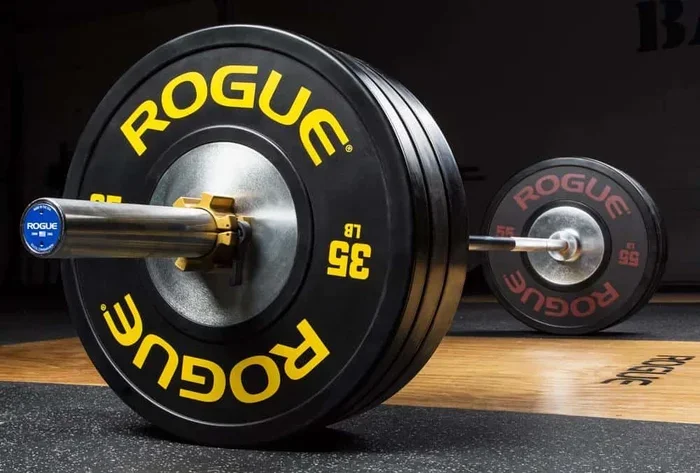
An Olympic barbell can typically hold between 1,000 and 1,500 pounds depending on the bar type, quality, and construction. Understanding your barbell’s weight capacity is essential for safe and effective heavy lifting. This guide breaks down everything you need to know about Olympic barbell limits, plate capacity, and how to choose the right bar for your goals.
If you are serious about lifting heavy, you need to know exactly how much weight an Olympic barbell can hold. Whether you are squatting, benching, or deadlifting, understanding your barbell’s limits keeps you safe and helps you train smarter. The truth is that not all Olympic barbells are created equal. Some handle massive loads with ease, while others start to bend or even snap under too much weight.
In this guide, we will break down everything you need to know about Olympic barbell weight capacity. We will cover the numbers, the factors that matter, and how to pick the right bar for your training. By the end, you will know exactly what to look for and how to stay safe under heavy loads.
## What Is an Olympic Barbell?
An Olympic barbell is a specific type of barbell used in Olympic weightlifting and powerlifting. It has a standardized diameter of 28mm for men’s bars and 25mm for women’s bars. The sleeves rotate freely, which is essential for Olympic lifts like the snatch and clean and jerk.
These bars are built differently from standard bars. They use higher-quality steel and better sleeve bearings. This construction allows them to handle more weight without bending or wearing out quickly. Most Olympic bars also feature knurling for grip and precise markings for plate loading.
### Olympic Bar vs Standard Bar
The main difference comes down to size and capacity. A standard barbell has a 1-inch diameter sleeve and generally handles less weight. An Olympic bar uses 2-inch sleeves designed for Olympic weight plates. If you want to know more about how much weight a 1-inch barbell can hold, check out our detailed guide on how much weight a 1-inch barbell holds.
## How Much Weight Can an Olympic Barbell Hold?
The Olympic barbell weight capacity depends on several factors. Most quality Olympic barbells are rated between 1,000 and 1,500 pounds. Some competition-grade bars can handle even more, reaching up to 2,000 pounds or higher.
Here is a quick breakdown of common Olympic barbell types and their typical max loads:
- Standard Olympic barbell: 1,000 to 1,500 lbs
- Powerlifting barbell: 1,500 to 2,000 lbs
- Competition Olympic bar: 2,000+ lbs
- Budget Olympic bar: 700 to 1,000 lbs
The rated capacity is not just a number on paper. It reflects the bar’s tensile strength, which measures how much force the steel can take before deforming or breaking. Higher tensile strength means a safer bar under heavy loads.
### Why Barbell Capacity Matters
Knowing your barbell’s max capacity prevents injuries. A bar that bends under heavy weight changes your lifting mechanics. It can also snap without warning, causing serious harm. Always check the manufacturer’s rated capacity before loading up plates for a max effort lift.
## Factors That Affect Olympic Barbell Weight Capacity
Several key factors determine how much weight an Olympic barbell can safely handle. Understanding these helps you make smarter buying decisions and train more safely.
### Tensile Strength
Tensile strength is the most important factor. It measures the bar’s resistance to breaking under tension. High-quality Olympic bars use steel with tensile strength ratings between 150,000 and 215,000 PSI. Bars with higher PSI ratings can handle more weight without permanently bending.
### Sleeve Design and Bearings
The sleeves are the parts of the bar where plates slide on. Olympic bars use rotating sleeves with bearings or bushings. Better bearings allow smoother rotation, which reduces stress on the bar during lifts. Cheap sleeves with poor bearings wear out faster and can affect the bar’s overall load capacity.
### Bar Diameter and Material
Thicker bars generally handle more weight. Olympic bars use 28mm or 29mm diameters for men’s bars. The material quality also matters. Stainless steel and high-carbon steel offer better durability than cheaper alloys.
### Knurling and Weight Distribution
The knurling is the textured pattern on the bar for grip. While knurling does not directly affect weight capacity, aggressive knurling can create stress points. The way weight is distributed along the bar also matters. Bars with better balance handle heavier loads more predictably.
## How Many Plates Can You Fit on an Olympic Barbell?
The number of plates you can load depends on the bar length and sleeve capacity. A standard Olympic barbell is about 7.2 feet long and can typically hold 4 to 6 plates per side for most training purposes.
For those wondering about plate capacity, a standard Olympic bar can accommodate around 8 to 12 plates total, depending on plate size. If you want to understand more about fitting plates on a barbell, our guide on how many plates fit on a barbell covers this in detail.
### Plate Size and Weight Calculations
Here is a quick look at how plate size affects total load on an Olympic barbell:
- 45 lb plates: 4 plates per side = 360 lbs plus bar weight
- 35 lb plates: 4 plates per side = 280 lbs plus bar weight
- 25 lb plates: 6 plates per side = 300 lbs plus bar weight
- 10 lb plates: 8 plates per side = 160 lbs plus bar weight
Keep in mind that the bar itself has weight. A standard men’s Olympic bar weighs about 45 lbs. Women’s Olympic bars weigh around 33 lbs. Always add the bar weight when calculating your total lifted weight.
## Common Mistakes That Reduce Barbell Capacity
Many lifters unknowingly put their barbell at risk. Avoid these common mistakes to keep your bar safe and your lifts productive.
### Overloading Beyond Rated Capacity
This is the biggest mistake. Just because a bar looks strong does not mean it can handle any amount of weight. Always respect the manufacturer’s rated capacity. Going even slightly over can cause permanent bending or catastrophic failure.
### Using Damaged or Worn Bars
Bars with cracks, rust, or bent sleeves are dangerous. Inspect your bar regularly. A damaged bar may not show obvious signs of weakness until it fails under load. If you notice any bending or unusual sounds, replace the bar immediately.
### Ignoring Sleeve Condition
Worn or loose sleeves affect how plates sit on the bar. This can cause uneven weight distribution and dangerous wobbling during lifts. Check that sleeves rotate smoothly and stay securely in place.
### Mixing Bar Types and Plate Sizes
Using non-Olympic plates on an Olympic bar or vice versa creates safety issues. Standard 1-inch plates do not fit securely on 2-inch Olympic sleeves. Always match your plates to your bar type.
## How to Choose the Right Olympic Barbell for Heavy Lifting
Picking the right barbell for your training needs is crucial. Here are the key things to consider when buying an Olympic bar.
### Know Your Lifting Style
Powerlifters need bars with high weight capacity and minimal whip. Olympic weightlifters need bars with more flex and rotating sleeves for catching weights. CrossFit athletes benefit from versatile bars that handle both styles.
### Check the Tensile Strength Rating
Look for bars rated at 150,000 PSI or higher for serious lifting. Competition bars often exceed 200,000 PSI. Higher PSI means better durability and safety under max loads.
### Consider Sleeve Bearings vs Bushings
Bearings provide smoother rotation than bushings. They also tend to last longer under heavy use. If you do Olympic lifts regularly, invest in a bar with quality bearings.
### Bar Weight and Whippiness
Heavier bars tend to be stiffer and handle more weight. Lighter bars whip more, which is useful for Olympic lifts but may not suit powerlifting. The bar weight also affects your total lifted weight calculation.
### Budget and Quality Trade-offs
You do not need to spend a fortune, but avoid the cheapest options. A quality Olympic bar in the $300 to $700 range will serve most lifters well. Budget bars under $200 often have lower weight capacities and shorter lifespans.
## Expert Tips for Safe Heavy Lifting
Follow these practical tips to get the most out of your Olympic barbell while staying safe.
- Always warm up before heavy sets. Cold muscles and joints are more prone to injury under heavy loads.
- Inspect your bar before every session. Look for cracks, bends, or loose sleeves.
- Load plates evenly on both sides. Uneven loading causes the bar to imbalance during lifts.
- Use quality clips or collars. Loose plates can slide off during reps, causing serious accidents.
- Know your max before you attempt it. Do not guess. Use progressive overload to build up safely.
- Replace bars that show signs of fatigue. Even high-quality bars wear out over thousands of reps.
## Final Thoughts on Olympic Barbell Weight Capacity
Understanding how much weight an Olympic barbell can hold is essential for any serious lifter. The Olympic barbell weight capacity typically ranges from 1,000 to 1,500 pounds for standard bars and up to 2,000 pounds for competition-grade equipment. Your safety and progress depend on knowing these limits and respecting them.
Choose the right bar for your lifting style, check its rated capacity, and maintain it properly. Avoid common mistakes like overloading or using damaged equipment. With the right bar and smart training, you can push your limits safely and effectively.
Remember that your barbell is the foundation of your heavy lifts. Invest in quality, train smart, and always prioritize safety over ego. The best gains come from consistent, injury-free training over time.
Key Takeaways
- Standard Olympic barbells hold 1,000-1,500 lbs: Most high-quality Olympic bars rated for this range, making them suitable for serious lifters.
- Bar construction matters: Tensile strength, sleeve type, and material quality directly affect how much weight a barbell can safely hold.
- 1-inch bars differ from Olympic bars: Standard 1-inch bars generally hold less weight than Olympic bars due to smaller diameter and sleeve design.
- Plate count affects total load: Knowing how many plates fit on a barbell helps you plan your max lifts and training loads.
- Safety first: Always check the manufacturer’s rated capacity and never exceed it, even if the bar looks strong enough.
Frequently Asked Questions
How much weight can a standard Olympic barbell hold?
A standard Olympic barbell can typically hold between 1,000 and 1,500 pounds. Competition-grade bars may handle 2,000 pounds or more. Always check the manufacturer’s rated capacity for your specific bar.
What is the difference between an Olympic barbell and a standard barbell?
Olympic bars use 2-inch sleeves designed for Olympic weight plates, while standard bars use 1-inch sleeves. Olympic bars also have higher tensile strength and rotating sleeves, giving them greater weight capacity and better performance for heavy lifting.
Can an Olympic barbell bend under too much weight?
Yes, an Olympic barbell can bend or even break if loaded beyond its rated capacity. Lower-quality bars are more prone to bending under heavy loads. Always respect the bar’s max weight limit to prevent damage and injury.
How much does an Olympic barbell weigh?
A standard men’s Olympic barbell weighs about 45 pounds. Women’s Olympic bars typically weigh around 33 pounds. The bar weight is included when calculating your total lifted weight for any exercise.
How many plates can you put on an Olympic barbell?
A standard Olympic barbell can hold 4 to 6 plates per side depending on plate size. A 7.2-foot Olympic bar typically accommodates 8 to 12 plates total. Larger plates reduce the number you can fit, while smaller plates allow more.
What tensile strength should I look for in an Olympic barbell?
Look for bars rated at 150,000 PSI or higher for general training. Competition bars often exceed 200,000 PSI. Higher tensile strength means the bar can handle heavier loads without permanently bending or breaking.