How to Hold a Barbell for Front Squats

Learning how to hold a barbell for front squats is the foundation of one of the most effective lower-body exercises you can do. The right grip, hand placement, and front rack position protect your wrists, shoulders, and spine while maximizing muscle engagement. This guide walks you through every step, from basic setup to advanced tips, so you can train safely and get the most out of every rep. Whether you are new to front squats or looking to refine your technique, you will find clear, actionable advice here.
Key Takeaways
- Proper hand placement is the key to a comfortable and stable front squat grip that prevents wrist pain.
- The clean grip and cross-arm grip are the two most popular methods, and each has unique benefits.
- Front rack position depends on wrist mobility, shoulder flexibility, and elbow height.
- Common mistakes like low elbows, loose grip, and poor bar placement can cause injury and reduce effectiveness.
- Mobility drills and gradual progression help you build the flexibility needed for a solid front squat hold.
- Breathing and core engagement play a big role in maintaining stability throughout the movement.
- Choosing the right weight starts with mastering the hold before adding heavy loads.
📑 Table of Contents
- How to Hold a Barbell for Front Squats: The Complete Guide
- The Two Main Grips for Front Squats
- Step-by-Step Setup for the Front Squat Hold
- Common Mistakes When Holding the Bar for Front Squats
- How to Improve Your Front Rack Position
- Breathing and Core Engagement During Front Squats
- How Many Reps and Sets Should You Do?
- Quick Tips for Better Front Squat Bar Hold
- Front Squat vs. Back Squat: How the Bar Hold Differs
- Conclusion
How to Hold a Barbell for Front Squats: The Complete Guide
If you have ever tried a front squat and felt like the bar was about to slip off your shoulders, you are not alone. Holding a barbell for front squats looks simple, but it requires specific hand placement, wrist positioning, and body awareness. Many people skip the fundamentals and jump straight to loading heavy weight. That is where things go wrong.
The front squat is a powerful exercise that targets your quads, glutes, and core. But none of that matters if your bar hold is off. A proper front squat bar grip keeps the bar stable, your elbows high, and your torso upright. In this guide, we break down everything you need to know about how to hold a barbell for front squats, step by step. You will learn the two main grip styles, common mistakes to avoid, and practical tips to improve your setup right away.
Whether you are brand new to front squats or have been doing them for years, this article will help you refine your technique. Let us dive in.
Why Proper Bar Hold Matters for Front Squats
The way you hold the bar directly affects your squat depth, stability, and safety. A poor hold leads to forward lean, wrist strain, and uneven loading on your joints. When you get the front squat hand placement right, the bar rests securely on your shoulders, and your muscles can focus on the movement instead of fighting instability.
Here are the main reasons why a proper bar hold is essential:
- Stability: A secure grip prevents the bar from rolling or shifting during the squat.
- Injury prevention: Proper wrist and elbow positioning reduces strain on your joints.
- Muscle activation: When the bar is held correctly, your quads and glutes do more of the work.
- Better form: A stable hold helps you maintain an upright torso throughout the movement.
- Confidence: When the bar feels locked in, you can focus on your breathing and rep quality.
Think of the bar hold as the foundation of a house. If the foundation is weak, everything above it suffers. The same is true for your front squat. Take time to master the hold before you add significant weight.
The Two Main Grips for Front Squats
There are two primary ways to hold the bar for front squats. Each has its advantages, and the best choice depends on your body type, mobility, and experience level. Let us look at both.
1. The Clean Grip
The clean grip front squat is the most common method used by Olympic weightlifters and serious lifters. In this grip, you place your hands shoulder-width apart or slightly wider. Your elbows point forward and up, and your fingertips rest lightly under the bar.
Key features of the clean grip include:
- Hands are placed just outside shoulder width.
- Elbows stay high and point toward the ceiling.
- Fingertips brush the bar lightly, but the hands do not wrap around it.
- The bar rests on the front deltoids, not the fingers.
The clean grip offers excellent stability and keeps your torso more upright. However, it requires good wrist and shoulder mobility. If you have tight wrists or limited shoulder flexibility, this grip can feel uncomfortable at first. That is completely normal, and mobility work can help over time.
2. The Cross-Arm Grip
The cross-arm grip is the easier alternative for beginners. In this position, you cross your arms over your chest and place each hand on top of the bar. Your fingers point to the opposite shoulder.
Benefits of the cross-arm grip include:
- Less demand on wrist and shoulder mobility.
- Easier to learn and feel comfortable with.
- Works well for people with shorter arms or limited flexibility.
- Still provides a stable platform for the bar.
The downside is that the cross-arm grip can interfere with deep squatting because your arms cross in front of your body. It also shifts some load to your wrists rather than your shoulders. If you use this grip, focus on keeping your elbows as high as possible to maintain a strong front rack position.
Step-by-Step Setup for the Front Squat Hold
Now that you know the two main grips, let us walk through the full setup process. Following these steps will help you build a solid front squat setup every time you step under the bar.
Step 1: Position the Bar in the Rack
Set the barbell at about mid-chest height in a squat rack. Step up to the bar so it sits across the front of your shoulders, just above your collarbone. Your feet should be shoulder-width apart and pointed slightly outward.
Step 2: Choose Your Grip
Decide whether you want to use the clean grip or the cross-arm grip. If you are new to front squats, start with the cross-arm grip and work toward the clean grip as your mobility improves. You can also explore the clean grip front squat by practicing with an empty bar first.
Step 3: Get Your Elbows High
This is the most important step. Your elbows must stay above the level of the bar at all times. Think about trying to show someone the front of your shirt by pointing your elbows forward and up. If your elbows drop, the bar will shift forward and pull you off balance.
Step 4: Tighten Your Core
Before unracking the bar, take a deep breath and brace your core. This creates intra-abdominal pressure that supports your spine during the squat. A tight core also helps keep the bar stable on your shoulders.
Step 5: Unrack and Squat
Take a deep breath, unrack the bar with a smooth motion, and step back from the rack. Keep your elbows high, chest up, and eyes forward. Begin your descent by pushing your hips back and bending your knees. Maintain the front rack position throughout the entire movement.
Common Mistakes When Holding the Bar for Front Squats
Even experienced lifters make mistakes with their front squat hold. Being aware of these errors helps you catch them early and fix them before they lead to pain or injury.
Mistake 1: Letting the Elbows Drop
The most common error is allowing the elbows to fall during the squat. When your elbows drop, the bar rolls forward onto your fingers and wrists. This shifts the load away from your shoulders and puts unnecessary stress on your joints. To fix this, consciously keep your elbows up throughout every rep. You can also work on front squat mobility drills to build the strength needed to hold the position.
Mistake 2: Gripping the Bar Too Tightly
Some people squeeze the bar so hard that their wrists bend backward. This causes pain and reduces your ability to breathe properly during heavy sets. Your fingers should lightly touch the bar, but your hands should not bear the weight. The bar should rest on your front deltoids, not your palms.
Mistake 3: Using Too Much Weight Too Soon
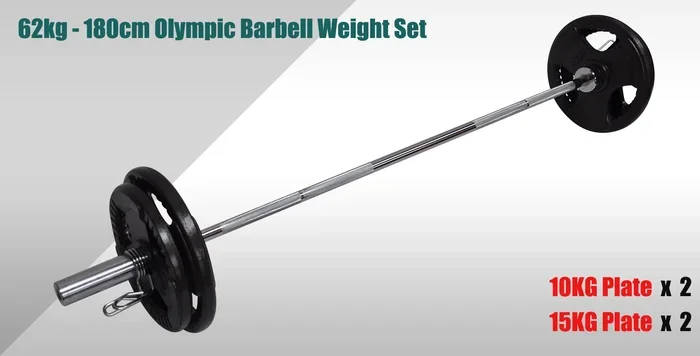
Loading the bar with heavy weight before you have mastered the hold is a recipe for poor form. Start with just the bar or very light plates. Focus on feeling comfortable in the front squat bar placement before progressing. You can learn more about how to put weights on a barbell for squats safely and effectively once your grip is solid.
Mistake 4: Neglecting Wrist Mobility
Tight wrists make the clean grip painful and unstable. Many lifters skip wrist mobility work entirely. Spending just a few minutes per day stretching your wrists can make a huge difference in your front squat comfort and performance.
Mistake 5: Poor Bar Placement on the Shoulders
If the bar sits too low on your chest or too high on your neck, you will experience discomfort and instability. The bar should rest across the front of your shoulders, just above the collarbone. Finding the sweet spot may take some experimentation, but once you locate it, the hold feels much more secure.
Mistake 6: Forgetting to Breathe
Breathing might seem unrelated to how you hold the bar, but it is not. Proper breathing stabilizes your core and keeps the bar from shifting. Take a deep breath into your belly before each rep, brace hard, and exhale at the top of the squat.
How to Improve Your Front Rack Position
If you struggle to keep your elbows high or feel discomfort in your wrists, you are not alone. Many people need to work on their front squat mobility to hold the bar properly. The good news is that targeted drills can improve your front rack position over time.
Mobility Drills for Better Bar Hold
Try these simple exercises to improve your front rack position:
- Wrist stretches: Hold your arm out straight and gently pull your fingers back with the opposite hand. Hold for 20 to 30 seconds on each side.
- Elbow-up holds: Stand in front of a mirror and practice holding your elbows up as if you were in the front rack position. Hold for 10 to 15 seconds and repeat.
- Wall angels: Stand with your back against a wall and move your arms up and down like a snow angel. This improves shoulder and wrist mobility.
- Front rack stretch with a band: Loop a resistance band around a rack and hold it at shoulder height with your elbows high. Hold for 30 seconds.
- Goblet squat holds: Hold a kettlebell or dumbbell at chest height with both hands and practice keeping your elbows up. This mimics the front squat position without the barbell.
Doing these drills for 5 to 10 minutes before your squat sessions can lead to noticeable improvements within a few weeks. Consistency is key.
When to Switch Grips
As your mobility improves, you may want to transition from the cross-arm grip to the clean grip. This shift allows for a more upright torso and better bar stability. Do not rush this process. Spend several weeks getting comfortable with each grip before switching. If you want guidance on proper squat form and technique, check out this detailed guide on holding the barbell for front squats for additional tips.
Breathing and Core Engagement During Front Squats
Holding the bar is only one part of the equation. How you breathe and engage your core during the movement also affects your stability and performance. A strong front squat core engagement strategy keeps your torso rigid and protects your spine.
Here is how to breathe during front squats:
- Before the squat: Take a deep breath into your belly, not your chest. This fills your core with air and creates a natural brace.
- During the descent: Hold your breath and keep your core tight. Do not exhale until you reach the bottom or start coming back up.
- At the top: Exhale fully and take another breath before the next rep.
This breathing pattern is similar to what you use in other heavy compound lifts. It creates intra-abdominal pressure that supports your spine and keeps the bar stable on your shoulders. Practice this breathing technique with light weight first until it becomes second nature.
How Many Reps and Sets Should You Do?
The number of reps and sets you perform depends on your training goals. For building strength, aim for 3 to 5 sets of 3 to 6 reps with heavier weight. For muscle growth and endurance, try 3 to 4 sets of 8 to 12 reps with moderate weight. If you are unsure about your rep scheme, you can find more guidance on how many reps to do for barbell squats.
Always prioritize form over weight. A clean set of 5 reps with proper front squat technique is far more valuable than a sloppy set of 10 with too much load on the bar.
Quick Tips for Better Front Squat Bar Hold
- Warm up your wrists and shoulders before loading the bar.
- Use lifting straps if your grip fatigue limits your front squat performance.
- Film yourself from the side to check your elbow height and bar placement.
- Practice with an empty bar until the hold feels natural.
- Keep your chest up and your gaze forward throughout the movement.
- Do not let the bar rest on your fingers; it belongs on your front deltoids.
- Progress slowly and add weight in small increments.
Front Squat vs. Back Squat: How the Bar Hold Differs
The front squat and back squat are both excellent exercises, but they require very different bar holds. In a back squat, the bar sits on your upper traps and your hands grip the bar tightly from behind. In a front squat, the bar rests on the front of your shoulders and your hands merely guide it. This difference changes everything about your posture, muscle activation, and mobility demands.
The front squat places more emphasis on your quads and core. It also requires greater upper body mobility to maintain the front rack position. Many lifters find that the front squat feels more challenging at first but leads to better overall squat mechanics over time.
If you want to learn more about how front squats compare to other squat variations and which is right for your goals, explore the many resources available on squat technique and programming.
Conclusion
Holding a barbell for front squats is a skill that takes time and practice to master. The right grip, elbow position, and core engagement make all the difference in your comfort, safety, and results. Start with the basics, focus on proper form, and build your mobility gradually. Avoid the common mistakes we covered, and use the quick tips to refine your setup.
Remember, the front squat is not just about lifting heavy weight. It is about moving with control, breathing with purpose, and building a stronger, more resilient body. Every rep you do with proper form brings you closer to your goals. Now that you know how to hold a barbell for front squats correctly, it is time to put these tips into practice. Your future self will thank you.
Frequently Asked Questions
What is the best grip for front squats?
The clean grip is the most popular and effective grip for front squats. It keeps the bar stable and promotes an upright torso. However, the cross-arm grip works well for beginners or those with limited wrist and shoulder mobility. Choose the grip that feels most secure and comfortable for your body.
Why do my wrists hurt during front squats?
Wrist pain usually comes from gripping the bar too tightly or letting the bar rest on your fingers instead of your shoulders. Relax your hands, keep the bar on your front deltoids, and work on wrist mobility stretches. If the pain persists, switch to the cross-arm grip temporarily.
How do I know if my front squat grip is too wide or too narrow?
Your hands should be roughly shoulder-width apart for the clean grip. If your hands are too wide, your elbows will drop. If they are too narrow, the bar will press into your throat. Adjust until your elbows stay high and the bar feels secure on your shoulders.
Can I use lifting straps for front squats?
Yes, lifting straps can help if grip fatigue limits your performance. Loop the straps around the bar and hook your fingers under them. This gives you extra support without compromising your front rack position. However, straps should be a tool to assist, not replace, proper technique.
How long does it take to get comfortable with front squats?
Most people need 2 to 4 weeks of consistent practice to feel comfortable with the front squat hold. Mobility improvements may take longer. Be patient, practice regularly, and focus on gradual progression rather than rushing to heavy weights.
Should I do front squats or back squats first in my workout?
It depends on your training goals. Front squats are more technical and benefit from fresh energy, so many lifters prefer to do them first. Back squats can follow as a complementary movement. Always prioritize whichever exercise aligns with your current training focus.