How to Put a Barbell on Your Shoulders

Putting a barbell on your shoulders is a fundamental weight training skill that every lifter needs to master. Whether you are setting up for a front squat, overhead press, or barbell shoulder exercise, proper barbell positioning protects your joints and boosts performance. This guide walks you through the correct technique, common errors, and practical tips to get the barbell on your shoulders safely and confidently.
Getting a barbell onto your shoulders might look simple at first glance. But if you have ever tried it and felt wobbly, uncomfortable, or unsure, you are not alone. Many lifters, especially beginners, struggle with barbell shoulder placement during their first few weeks of weight training. The good news is that once you learn the right technique, it becomes second nature. This guide breaks down everything you need to know about putting a barbell on your shoulders the right way.
Proper barbell positioning on your shoulders is more than just a cosmetic detail. It directly affects your balance, stability, and the muscles you target during each rep. Whether you are preparing for a front squat, a standing overhead press, or a barbell shoulder workout routine, the way you rest the barbell matters. A poor setup can lead to shoulder pain, neck strain, and even serious injury over time.
In this article, we cover the step-by-step process, the muscles involved, common mistakes to avoid, and expert tips to refine your technique. By the end, you will feel confident and ready to load up the barbell with proper form.
Key Takeaways
- Proper barbell placement on your shoulders prevents injury and improves lift performance.
- Hand positioning and grip play a key role in stabilizing the barbell during shoulder exercises.
- Common mistakes like improper elbow angle and rounded shoulders can cause pain and reduce effectiveness.
- Core engagement and shoulder mobility are essential for a safe and effective barbell shoulder setup.
- Progressive loading helps you build strength gradually without risking shoulder strain.
- Using a squat rack or clean technique makes getting the barbell onto your shoulders much easier and safer.
📑 Table of Contents
- Why Proper Barbell Shoulder Placement Matters
- Step-by-Step: How to Put a Barbell on Your Shoulders
- Muscles Worked During Barbell Shoulder Exercises
- Common Mistakes When Putting a Barbell on Your Shoulders
- Equipment and Setup Tips for Barbell Shoulder Exercises
- Pro Tips to Improve Your Barbell Shoulder Technique
- Barbell Shoulder Exercise Variations
- Conclusion
Why Proper Barbell Shoulder Placement Matters
Your shoulders are complex joints that handle a lot of stress during barbell exercises. When you rest a barbell on your shoulders, the weight sits across a narrow contact point. If that contact point is wrong, the barbell can roll, shift, or dig into your neck. This is why proper barbell shoulder placement is not optional, it is essential.
Here are the main reasons why getting this right matters so much:
- Injury prevention: Correct placement reduces the risk of shoulder impingement, neck strain, and upper back injuries.
- Better muscle activation: When the barbell sits properly, your deltoids, traps, and core engage more effectively.
- Improved balance: A stable barbell position keeps your center of gravity aligned, making heavy lifts safer.
- Long-term joint health: Consistently using good form protects your joints for years of strength training.
Think of it this way. A small adjustment in how you hold the barbell can mean the difference between a great workout and a painful setback. Taking the extra few seconds to set up correctly always pays off.
Step-by-Step: How to Put a Barbell on Your Shoulders
Step 1: Set Up the Barbell at the Right Height
Start by placing the barbell on a squat rack or power rack at about mid-chest height. This makes it easy to grip and lift without bending too low. If you do not have a rack, you can learn how to put a barbell on shoulders without a rack by using a clean motion from the floor. The key is to make sure the barbell is at a height where you can comfortably unrack it with straight arms.
Stand close to the barbell with your feet shoulder-width apart. Your toes should point slightly outward. This stable base gives you a solid foundation for the next steps.
Step 2: Grip the Barbell Correctly
Your grip width matters more than most people think. For most barbell shoulder exercises, place your hands just outside your shoulders. Your thumbs should wrap fully around the bar. A firm but not overly tight grip keeps the barbell stable without straining your wrists.
Here is a quick checklist for your grip:
- Hands are shoulder-width apart or slightly wider.
- Fingers wrap completely around the bar.
- Wrists stay straight and neutral, not bent backward.
- Elbows stay raised and pointing forward.
If you are doing a front squat, this grip position becomes even more important. Check out our guide on how to hold the barbell for a front squat for more detailed tips on grip and elbow positioning.
Step 3: Unrack the Barbell and Bring It to Your Shoulders
Take a deep breath and brace your core. Unrack the barbell by straightening your arms and lifting it off the supports. Step back one foot at a time so you have enough space to move freely. Now, lower the barbell down to your shoulders in a controlled motion.
There are two main ways to get the barbell onto your shoulders:
- The Clean: You use a quick, explosive movement to whip the barbell up and catch it on your shoulders. This is the standard method for Olympic lifts and front squats.
- The Rack Method: You simply lift the barbell from the squat rack supports and rest it directly on your shoulders. This is the easiest and safest method for beginners.
If you are new to lifting, start with the rack method. It removes the learning curve of the clean and lets you focus purely on barbell positioning on your shoulders.
Step 4: Position Your Elbows and Upper Body
Once the barbell is on your shoulders, raise your elbows high and point them forward. Your upper arms should be roughly parallel to the floor. This creates a “shelf” of muscle across the front of your shoulders that supports the barbell securely.
Keep your chest up and your shoulder blades pulled back slightly. This opens up your chest and creates a stable shelf for the barbell. Your core should remain tight throughout the entire movement.
Step 5: Check Your Alignment Before Lifting
Before you start your first rep, do a quick body scan. Are your feet flat on the floor? Is your back straight? Are your elbows high enough? Is the barbell sitting evenly on both sides of your neck? Make any adjustments now before adding weight or starting your set.
This small habit saves you from a lot of trouble down the road. A few seconds of checking your alignment can prevent weeks of recovery from a preventable injury.
Muscles Worked During Barbell Shoulder Exercises
When you place a barbell on your shoulders, you are not just working one muscle. A proper barbell shoulder exercise engages multiple muscle groups at once. Understanding which muscles you are targeting helps you appreciate why correct form is so important.
The primary muscles involved include:
- Deltoids: The front, side, and rear heads of your shoulder muscles do the bulk of the work during pressing and squat movements.
- Trapezius: Your upper traps stabilize the barbell and support your shoulder blades throughout the lift.
- Quadriceps: During front squats with the barbell on your shoulders, your quads drive the movement from the bottom position.
- Core muscles: Your abs, obliques, and lower back keep your torso upright and stable under the load.
- Upper back: The rhomboids and erector spinae help maintain proper posture and spinal alignment.
Because so many muscles work together, the barbell shoulder setup is one of the most efficient ways to train your upper body. A single movement can build strength across your entire torso and legs.
Common Mistakes When Putting a Barbell on Your Shoulders
Even experienced lifters sometimes fall into bad habits. Recognizing these common mistakes early on helps you avoid pain and get better results from your barbell shoulder workout.
Mistake 1: Letting Your Elbows Drop
This is the most common error beginners make. When your elbows drop, the barbell shifts forward toward your neck. This puts unnecessary pressure on your cervical spine and can cause pain or injury. Always keep your elbows raised and pointed forward.
Mistake 2: Rounding Your Shoulders Forward
Rounded shoulders create a narrow, unstable shelf for the barbell. Instead, pull your shoulder blades back and down. This opens up your chest and creates a solid base for the barbell to rest on.
Mistake 3: Using Too Much Weight Too Soon
It is tempting to load up the barbell quickly, especially when you see others lifting heavy. But starting with too much weight compromises your form and increases your risk of injury. Focus on mastering the technique first, then gradually increase the load.
Mistake 4: Neglecting Shoulder Mobility
Some people simply lack the shoulder mobility needed to get the barbell into a proper position. If you feel tightness or discomfort, spend time working on shoulder stretches and mobility drills before adding heavy weight. For tips on avoiding pain during barbell exercises, check out our guide on how to do barbell squats without hurting your neck.
Equipment and Setup Tips for Barbell Shoulder Exercises
The right equipment makes a big difference in how easily you can put a barbell on your shoulders. Here are some setup tips that will improve your experience.
Use a squat rack: A squat rack or power rack gives you a safe and adjustable starting point. Set the barbell at mid-chest height so you can unrack it without bending down too far. This is the most beginner-friendly setup.
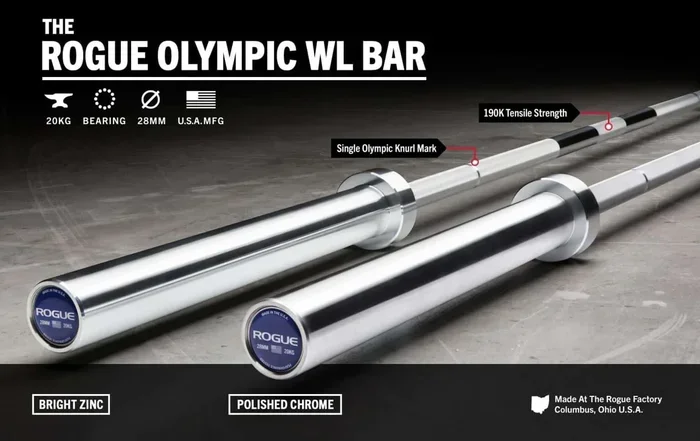
Choose the right barbell: A standard Olympic barbell works for most people. If you are smaller in stature or just starting out, consider a lighter training bar. The barbell should feel manageable in your hands, not like a heavy burden before you even begin.
Add padding if needed: Some lifters use a shoulder pad or a folded towel to cushion the barbell on their shoulders. This is especially helpful during front squats where the barbell rests directly on the front of your shoulders. Comfort matters, and padding can make a tough workout more bearable.
Wear proper shoes: Flat-soled shoes like weightlifting shoes or Converse give you a stable base. Avoid cushioned running shoes, which can make your footing unstable when the barbell is loaded on your shoulders.
Pro Tips to Improve Your Barbell Shoulder Technique
Once you have the basics down, these expert tips will help you refine your technique and get more out of every set.
- Film yourself: Set up your phone to record your sets from the side. Watching the playback helps you spot issues with elbow position, back angle, and barbell placement that you cannot feel in the moment.
- Practice the clean separately: If you are working on getting the barbell onto your shoulders without a rack, practice the clean motion with an empty barbell first. Build the movement pattern before adding weight.
- Warm up your shoulders: Do a few arm circles and band pull-aparts before loading the barbell. Warm, mobile shoulders respond better to heavy loads.
- Breathe properly: Take a deep breath into your belly before unracking the barbell. Brace your core as if someone is about to push you. This intra-abdominal pressure protects your spine.
- Progress gradually: Add weight in small increments, no more than 5 to 10 pounds per session. This gives your shoulders and upper back time to adapt to the load.
These small habits compound over time. A few weeks of consistent, mindful practice leads to noticeable improvements in your strength and confidence with the barbell on your shoulders.
Barbell Shoulder Exercise Variations
The barbell on your shoulders is not just for one exercise. Several popular movements use this starting position, and each one targets your muscles in a slightly different way.
| Exercise | Barbell Position | Primary Muscles |
|---|---|---|
| Front Squat | Front of shoulders, elbows high | Quads, glutes, core |
| Overhead Press | Shoulders, pressed overhead | Deltoids, triceps, upper traps |
| Back Squat | Trapezius shelf, barbell rests on upper back | Quads, glutes, hamstrings |
| Push Press | Shoulders, dynamic press with leg drive | Shoulders, legs, core |
Each variation requires a slightly different setup, but the foundation of getting the barbell onto your shoulders safely remains the same. Master the basic technique, and you can apply it across all these exercises.
For those interested in hip-focused movements, the barbell also plays a key role in exercises like the barbell hip thrust. Check out our guide on how to put weights on a barbell for hip thrusts to expand your knowledge of barbell loading for different exercises.
Conclusion
Putting a barbell on your shoulders is a foundational skill that opens the door to some of the most effective exercises in weight training. From front squats to overhead presses, the way you position the barbell directly impacts your performance and safety. By following the steps in this guide, you now know how to set up properly, avoid common mistakes, and refine your technique over time.
Start with lighter weights and focus on form. Build your confidence one set at a time. Your shoulders, back, and entire body will thank you for taking the time to do it right. Now grab that barbell, set it up on your shoulders, and get to work.
Frequently Asked Questions
What is the correct hand placement when putting a barbell on your shoulders?
Your hands should be placed just outside your shoulders with your fingers wrapping fully around the bar. Keep your wrists straight and your elbows raised and pointing forward. This grip creates a stable shelf for the barbell and reduces strain on your wrists and shoulders during the lift.
Can beginners safely put a barbell on their shoulders?
Yes, beginners can safely place a barbell on their shoulders by starting with an empty barbell or light weight. Using a squat rack to unrack the barbell makes the process much easier and safer. Focus on mastering the setup and form before adding heavier loads to your barbell shoulder workout.
Why does the barbell hurt my neck when it is on my shoulders?
Neck pain usually happens when your elbows drop too low or the barbell shifts forward onto your neck. Keep your elbows raised and your chest up to create a muscular shelf. Also, make sure the barbell is centered evenly on both sides to prevent it from pulling to one side and causing discomfort.
Do I need a squat rack to put a barbell on my shoulders?
A squat rack makes the process much easier and safer, but it is not strictly required. You can also use a clean motion to bring the barbell from the floor to your shoulders. If you prefer not to use a rack, practice the clean technique with an empty barbell first to build confidence and proper form.
How do I know if my barbell shoulder placement is correct?
Correct placement feels stable and balanced. The barbell should sit evenly across the front of your shoulders without rolling or shifting. Your elbows should be high and pointing forward, your chest should be up, and your core should be braced. If you feel any pinching, rolling, or discomfort, adjust your elbow position and shoulder blade retraction.
What exercises can I do with a barbell on my shoulders?
Several popular exercises use a barbell on your shoulders, including the front squat, overhead press, push press, and back squat. Each exercise targets different muscle groups but all share the same fundamental barbell shoulder setup. Once you learn the proper placement, you can transition smoothly between these exercises in your routine.