What Is a Center Knurl on a Barbell

The center knurl on a barbell is a textured pattern in the middle of the bar that helps lifters grip the weight during exercises like squats and deadlifts. It prevents the bar from sliding on your back and gives you confidence when lifting heavy. Whether you are a beginner or an experienced lifter, understanding the center knurl helps you choose the right barbell and lift safely. In this guide, we break down everything you need to know about the center knurl, including its purpose, types, and how it affects your workouts.
If you have ever picked up a barbell and felt the raised ridges in the middle, you have already experienced the center knurl. But what exactly is it, and why does it matter? The center knurl is a crucial feature of any weightlifting barbell. It serves a simple but important purpose: helping you maintain a firm grip during heavy lifts. In this article, we will explore everything about the center knurl, from its basic design to how it impacts your lifting performance.
Whether you are squatting, deadlifting, or performing Olympic lifts, the center knurl plays a role in keeping the bar stable on your body. Without it, heavy barbells would slide and shift, making lifts dangerous and ineffective. Understanding this feature helps you make smarter choices about your equipment and improves your overall lifting experience.
Key Takeaways
- The center knurl is the textured section in the middle of a barbell: It is designed to improve grip and prevent the bar from slipping during heavy lifts.
- Knurl patterns vary by barbell type: Olympic bars, powerlifting bars, and standard bars each have different knurl depths and spacing.
- The center knurl placement matters for squatting: Proper placement ensures the bar sits securely on your upper back during squats.
- Not all barbells have a center knurl: Some specialty bars and women’s bars may have reduced or no center knurl for comfort.
- Knurl depth and sharpness affect grip performance: Deeper knurls provide more grip but can cause more hand discomfort during prolonged lifts.
- Understanding knurl helps you pick the right barbell: Matching the knurl style to your lifting goals improves safety and performance.
📑 Table of Contents
What Is a Center Knurl on a Barbell?
The center knurl is the raised, crosshatched texture found at the exact midpoint of a barbell. This textured section is not decorative. It is a functional design element that serves a very specific purpose in weightlifting. When you load a barbell with heavy plates and position it on your back or shoulders, the center knurl prevents the bar from sliding up or down your body.
The knurl is created by pressing a pattern into the steel during the manufacturing process. This creates small ridges and grooves that increase friction between the bar and your skin. The result is a more secure grip that allows you to focus on your form and lift heavier weights with confidence.
How the Center Knurl Is Made
Knurling is a machining process where a specialized tool presses a pattern into the metal surface of the barbell. The tool creates small diamond or crosshatch patterns that protrude slightly from the surface. The depth, width, and spacing of these patterns determine how aggressive the knurl feels. Some knurls are shallow and smooth, while others are deep and sharp. The manufacturing process ensures that the center knurl is durable and withstands years of heavy use.
Why the Center Knurl Matters for Grip
Your grip is one of the most important factors in weightlifting. If the bar slips during a heavy squat or deadlift, the consequences can be serious. The center knurl directly addresses this problem by increasing the friction between the bar and your hands or back. When the bar rests on your upper back during a squat, the knurl keeps it from rotating or sliding down. This allows you to maintain proper position throughout the lift.
For deadlifts, the center knurl helps stabilize the bar in your hands. When you are pulling hundreds of pounds from the floor, every bit of grip security counts. The knurl works alongside your hand strength to keep the bar locked in place. This is why many lifters prefer bars with aggressive knurl patterns for heavy pulling exercises.
Types of Center Knurl Patterns
Not all center knurls are the same. Different barbells come with different knurl patterns, and each serves a unique purpose. Understanding these variations helps you choose the right barbell for your training style.
Standard Knurl Pattern
The standard knurl pattern is the most common type found on general-purpose barbells. It features medium-depth ridges spaced evenly across the center section. This pattern provides a good balance between grip security and comfort. It works well for most gym-goers who perform a variety of lifts, from squats to presses. The standard knurl is not too aggressive, making it suitable for beginners and intermediate lifters.
Aggressive Knurl Pattern
An aggressive knurl pattern features deeper and sharper ridges. Powerlifters and strongman athletes often prefer this type because it provides maximum grip security under heavy loads. The deeper knurl bites into the skin more firmly, preventing any movement of the bar during maximal lifts. However, aggressive knurl can cause discomfort or even bruising during longer training sessions. If you are new to lifting, you may want to start with a standard knurl before moving to an aggressive one.
Multi-Knurl and Double-Knurl Designs
Some barbells feature multiple knurl sections or double knurl marks on either side of the center. These designs help you find the exact center of the bar quickly. The additional knurl marks also provide extra grip points for your hands during exercises like cleans and snatches. Olympic barbells frequently use multi-knurl designs because Olympic lifts require precise hand placement and bar control.
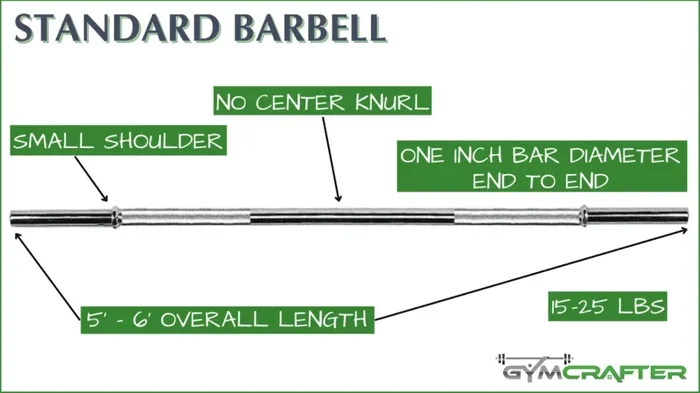
Center Knurl vs. No Center Knurl
While most standard barbells include a center knurl, not all bars have one. Some specialty bars, women’s bars, and safety squat bars may omit or reduce the center knurl. Understanding the differences helps you decide which bar is right for you.
When You Need a Center Knurl
You need a center knurl when performing exercises where the bar rests on your back or shoulders. Back squats, front squats, and overhead squats all rely on the center knurl to keep the bar stable. Without it, a loaded barbell can shift during a squat, leading to poor form or injury. Similarly, exercises like good mornings and barbell rows benefit from the added grip security that a center knurl provides.
The center knurl also matters when you are lifting near your maximum capacity. At high weights, even a small amount of bar movement can throw off your balance. The knurl eliminates this variable, giving you one less thing to worry about during heavy sets. This is why competitive powerlifters and Olympic lifters always check the knurl quality before a meet.
When You Might Not Need a Center Knurl
There are situations where a center knurl is unnecessary or even undesirable. Women’s bars often have a less aggressive center knurl or none at all. This is because the center knurl can cause discomfort when the bar rests on the collarbone during exercises like front squats. A smoother center section allows for a more comfortable experience during these movements.
Safety squat bars and Swiss bars also tend to have reduced or no center knurl. These bars are designed for specific training purposes, and the knurl pattern is adjusted accordingly. If you primarily train with specialty bars, you may not need a center knurl as much as a standard barbell user does.
How to Choose the Right Barbell Knurl
Choosing the right knurl style depends on your lifting goals, experience level, and personal preferences. Here are some factors to consider when selecting a barbell.
Consider Your Lifting Style
Think about the types of lifts you perform most often. If you focus on powerlifting movements like squats, bench presses, and deadlifts, an aggressive center knurl will serve you well. If you do Olympic weightlifting, a bar with a multi-knurl design and moderate knurl depth is ideal. For general fitness and bodybuilding, a standard knurl pattern provides everything you need without being too harsh on your hands.
Think About Barbell Weight and Sleeve Rotation
The weight of the barbell and the sleeve rotation also matter. A heavier barbell with aggressive knurl can be more challenging to grip during high-rep sets. Some barbells feature rotating sleeves that reduce wrist strain during Olympic lifts. The center knurl on these bars is typically designed to complement the sleeve rotation system rather than interfere with it.
Test the Knurl Before You Buy
Whenever possible, test the knurl before purchasing a barbell. Visit a gym or equipment store and handle the bar. Feel the depth of the knurl and check how it sits in your hands. A bar that feels perfect for one lifter might feel uncomfortable for another. Personal preference plays a big role in choosing the right knurl style.
Common Mistakes Related to Center Knurl
Even experienced lifters sometimes make mistakes when it comes to the center knurl. Being aware of these common errors helps you avoid problems and train more effectively.
Ignoring Knurl Wear Over Time
Over time, the center knurl on a barbell can wear down. This is especially true in commercial gyms where the same bars are used by hundreds of people every day. Worn knurl loses its grip effectiveness, and you may notice the bar sliding more during lifts. If you are serious about your training, inspect your barbell regularly and replace it when the knurl becomes too smooth.
Using the Wrong Knurl for Your Exercise
Using a bar with an overly aggressive knurl for high-rep sets can cause unnecessary hand pain and tearing. Similarly, using a bar with no center knurl for heavy squats can be dangerous. Always match the knurl style to the exercise you are performing. A good rule of thumb is to use aggressive knurl for heavy low-rep sets and standard knurl for higher-rep training.
Forgetting About Hand Care
The center knurl, especially aggressive knurl, can cause calluses and skin irritation over time. Regular hand care, including moisturizing and using chalk, helps manage these issues. Some lifters use knurl gloves or grips to protect their hands while still benefiting from the knurl’s grip-enhancing properties.
Expert Tips for Getting the Most from Your Center Knurl
Getting the most out of your barbell’s center knurl comes down to a few simple practices. First, always use chalk before your lifts. Chalk increases friction between your hands and the knurl, boosting grip security even further. Second, position the bar correctly on your back or shoulders before unracking. The center knurl should sit right at the midpoint of your upper back for squats. Third, rotate the bar slightly to set the knurl into your skin before you begin the lift. This small habit makes a big difference in bar stability.
If you are interested in learning more about barbell features and how they affect your lifts, check out this detailed guide on why center knurl matters on a barbell. Understanding the design elements of your equipment helps you train smarter and lift safer.
Another great resource is our article on the purpose of center knurl on barbells, which covers the history and evolution of knurl patterns in weightlifting bars. These resources give you a deeper understanding of why the center knurl is such an essential feature.
For those interested in barbell weight and specifications, learning about barbell weight specifications can also help you make informed equipment decisions. The weight and construction of a barbell interact with the knurl to create your overall lifting experience.
Conclusion
The center knurl on a barbell is a small but mighty feature that makes a huge difference in your lifting performance. It keeps the bar stable, improves your grip, and helps you train safely under heavy loads. Whether you are a beginner just starting out or a seasoned lifter chasing new personal records, understanding the center knurl empowers you to choose better equipment and lift with more confidence.
Take the time to learn about different knurl patterns and find the barbell that suits your needs. Your grip, your form, and your progress will all benefit from this simple but important detail. The next time you step up to the bar, pay attention to the center knurl and appreciate the design that keeps you lifting safely.
Frequently Asked Questions
What is the purpose of the center knurl on a barbell?
The center knurl prevents the barbell from sliding on your back or shoulders during heavy lifts. It increases friction between the bar and your skin, giving you a more secure grip. This is especially important during squats, deadlifts, and overhead presses where bar stability is critical.
Do all barbells have a center knurl?
No, not all barbells have a center knurl. Some specialty bars, women’s bars, and safety squat bars may have reduced or no center knurl. The presence of a center knurl depends on the barbell’s intended use and the preferences of its designers.
Can the center knurl cause discomfort during lifting?
Yes, especially with aggressive knurl patterns. The deeper and sharper the knurl, the more it can irritate your skin during long training sessions. Using chalk, wearing knurl gloves, and allowing calluses to build up can help manage this discomfort effectively.
How do I know if my barbell’s center knurl is worn out?
You will notice reduced grip security and more bar sliding during lifts. Visually, the knurl ridges will appear flattened and less pronounced. If the center knurl feels smooth to the touch and no longer provides grip texture, it is time to replace the barbell or consider using it for lighter training only.
What is the difference between center knurl and sleeve knurl?
The center knurl is located at the midpoint of the barbell and prevents the bar from sliding on your body. The sleeve knurl is found near the ends of the bar where the plates sit. Sleeve knurl prevents plates from sliding off the bar, while center knurl keeps the bar stable on your back or hands during lifts.
Should beginners use barbells with aggressive center knurl?
Beginners may benefit more from a standard or moderate knurl pattern. Aggressive knurl can cause hand discomfort and skin irritation during the learning phase. As you build experience and hand toughness, you can transition to more aggressive knurl styles for heavier training.