What Is the Average Length of a Barbell
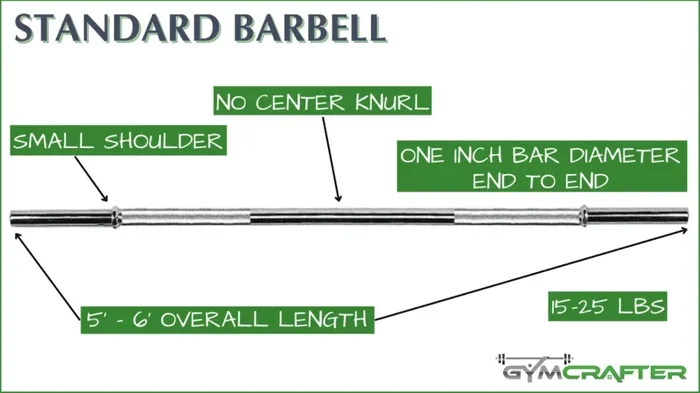
The average length of a standard barbell is about 7.2 feet (2.2 meters). Different barbell types vary in size, from Olympic bars to hex bars and EZ bars. Understanding barbell dimensions helps you choose the right equipment for your workouts and avoid common sizing mistakes.
If you have ever walked into a gym and stared at the weight rack, you might have wondered about the average length of a barbell. It seems like a simple question, but the answer is more interesting than you might think. Barbells come in many shapes and sizes, and each one is built for a specific purpose.
Knowing the right barbell length can make a huge difference in your workouts. It affects your grip, your form, and even the exercises you can do. Whether you are a beginner or a seasoned lifter, understanding barbell dimensions is essential. This guide breaks down everything you need to know about barbell measurements and how to pick the right one.
Key Takeaways
- Standard barbell length: Most common barbells measure around 7.2 feet long.
- Olympic barbells are longer: They typically run about 7 feet and weigh 45 pounds.
- Different barbell types exist: Hex bars, EZ bars, and Smith machine bars all have unique lengths.
- Barbell shaft length matters: It affects your grip and exercise range of motion.
- Choosing the right size: Depends on your training style, body type, and fitness goals.
📑 Table of Contents
What Is the Average Length of a Barbell?
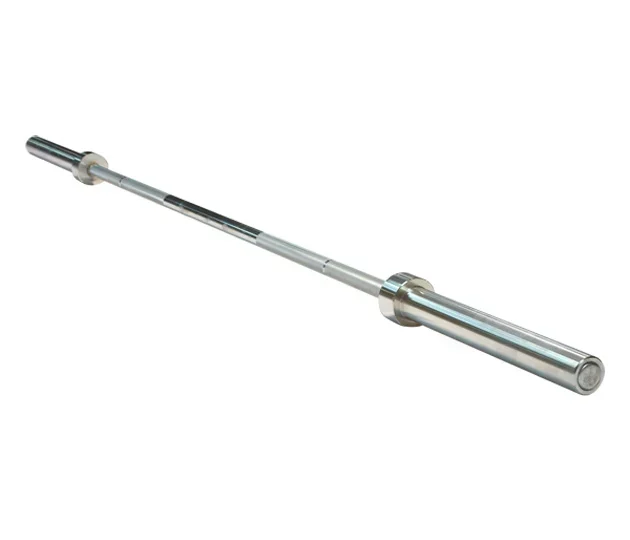
The average length of a barbell depends on the type you are looking at. A standard barbell, also known as a straight bar, is typically around 7.2 feet long. That is about 2.2 meters for those who use the metric system. The shaft, which is the part you grip, usually measures between 1.2 and 1.5 meters.
But here is the thing. Not all barbells are created equal. The standard barbell length can vary based on the barbell type, its intended use, and the manufacturer. Some bars are shorter, and some are longer. Let us break down the most common types so you can see the differences clearly.
Standard Straight Barbell
The standard straight barbell is what most people picture when they think of gym barbell equipment. It is the long, straight bar with weights loaded on each end. This bar is the workhorse of any gym. It is used for squats, bench presses, deadlifts, and rows. The barbell shaft length on a standard bar is usually around 51 inches (130 cm). The total length including the weight plates on each end can stretch well over seven feet.
Most standard barbells weigh about 45 pounds (20 kg). The diameter of the bar is typically one inch (25 mm) for standard bars and 28 mm for Olympic bars. These barbell dimensions are important because they affect how the bar feels in your hands and how much weight it can hold.
Olympic Barbell
The Olympic barbell is a bit different from the standard bar. It is designed to handle heavier loads and rotate more smoothly. Olympic barbells are commonly used in competitive weightlifting and powerlifting. The standard size of an Olympic barbell is about 7.2 feet (2.2 meters) long. The shaft is typically 28 mm in diameter, which is slightly thicker than a standard bar.
One key feature of the Olympic barbell is the rotating sleeves. These are the parts at each end where the weight plates sit. The sleeves spin freely, which makes it easier to catch heavy cleans and snatches. The total barbell length for an Olympic barbell is designed to accommodate larger diameter plates, which are 2 inches (50 mm) in diameter.
The Olympic barbell weight capacity is another important factor. Most quality Olympic bars can hold between 1,000 and 1,500 pounds. This makes them ideal for serious strength training and competitive lifting.
Hex Bar (Trap Bar)
The hex bar, also called a trap bar, is shaped differently. Instead of being a straight bar, it is hexagonal. You step inside the bar and lift. This design changes the barbell measurements significantly. Hex bars are typically shorter than standard straight bars. The overall length is usually around 5 to 5.5 feet (1.5 to 1.7 meters).
The hex bar is great for deadlifts and shrugs. It puts less stress on your lower back and allows a more natural lifting position. The barbell shaft length on a hex bar is shorter because you are standing inside it. This means your grip width is naturally closer to your body, which can feel more comfortable for many lifters.
EZ Bar
The EZ bar is a curved barbell that is popular for arm exercises like curls and skull crushers. The EZ bar length is much shorter than a standard barbell. Most EZ bars are between 4 and 5 feet (1.2 to 1.5 meters) long. The curves in the bar allow your wrists to stay in a more natural position, which reduces joint strain.
Because the EZ bar is shorter, it is not ideal for heavy compound lifts like squats or deadlifts. It is best suited for isolation exercises where you want to target specific muscles. The barbell weight on an EZ bar varies, but most weigh between 15 and 25 pounds.
Smith Machine Barbell
The Smith machine barbell moves on a fixed track. It is not a free-weight barbell in the traditional sense. The weight of a Smith machine barbell varies by machine, but most weigh between 15 and 25 pounds. The length is also shorter than a standard Olympic bar, usually around 6 to 6.5 feet (1.8 to 2 meters).
Smith machine bars are great for beginners who are learning proper form. The fixed path of the bar removes the need for balance, which makes the lift feel safer. However, the fixed path can also limit your natural movement patterns, which is something to keep in mind.
Why Does Barbell Length Matter?
The average length of a barbell is not just a number. It directly affects how you perform exercises. Using the wrong barbell length can lead to poor form, reduced range of motion, and even injury. Let us look at why this matters so much.
First, think about your grip. A longer barbell means your hands are farther apart. This can be great for wide-grip exercises but may feel uncomfortable for close-grip work. A shorter barbell brings your hands closer together, which is better for exercises that target the inner chest or arms.
Second, consider the range of motion. When you do a deadlift, you need the bar to be at the right height. The barbell dimensions determine where the plates sit in relation to the floor. If the bar is too short, the plates may sit too high, forcing you to start in an awkward position.
Third, think about your training goals. If you are training for powerlifting competitions, you need a barbell that meets competition standards. The Olympic barbell length and specifications are set by governing bodies like the International Powerlifting Federation. Using the wrong bar in training can throw off your competition preparation.
Common Barbell Lengths Compared
To help you understand the differences, here is a quick comparison of common barbell types and their typical lengths:
- Standard straight barbell: About 7.2 feet (2.2 meters)
- Olympic barbell: About 7.2 feet (2.2 meters)
- Hex bar (trap bar): About 5 to 5.5 feet (1.5 to 1.7 meters)
- EZ bar: About 4 to 5 feet (1.2 to 1.5 meters)
- Smith machine barbell: About 6 to 6.5 feet (1.8 to 2 meters)
- Industrial barbell: Varies, but often longer than standard bars
As you can see, the average length of a barbell varies quite a bit depending on the type. The standard and Olympic bars are the longest and most versatile. The hex bar and EZ bar are shorter and more specialized.
How to Choose the Right Barbell Length
Choosing the right barbell length comes down to your training style and goals. Here are some tips to help you decide.
If you are a general fitness enthusiast, a standard 7.2-foot barbell is a great choice. It handles almost everything from squats to bench presses. If you are a competitive powerlifter, make sure your bar meets competition standards for barbell specifications.
For those with smaller frames or limited gym space, a shorter barbell might be more practical. The barbell shaft length should match your body proportions. Taller lifters generally benefit from longer bars, while shorter lifters may prefer a more compact option.
Also, think about the exercises you do most often. If you focus on arm curls and isolation work, an EZ bar could be a good addition. If you prefer deadlifts and want a more natural lifting position, a hex bar might be the way to go.
One thing many people overlook is the barbell weight capacity. Make sure the bar you choose can handle the weight you plan to lift. A barbell that bends under heavy loads is not only ineffective but also dangerous.
Quick Tips for Measuring Barbell Length
Measuring your barbell is simple. Here are some quick tips:
- Use a tape measure for accuracy.
- Measure from end to end for the total barbell length.
- Measure just the shaft for the barbell shaft length.
- Check the diameter at multiple points along the bar.
- Always refer to the manufacturer’s specifications for the most accurate barbell measurements.
Expert Insights on Barbell Sizing
According to most strength coaches, the average length of a barbell should match your training goals and body type. A barbell that is too long can feel unwieldy, especially for exercises like bench presses where space is limited. A barbell that is too short can restrict your range of motion during squats and deadlifts.
Experts also recommend investing in a quality barbell. A well-made barbell with proper knurl markings and smooth rotation will last for years and perform better under heavy loads. The barbell diameter and material matter more than most people realize. A bar with the right diameter provides better grip and reduces the risk of slipping during heavy sets.
If you are building a home gym, consider the space you have available. Longer barbells need more room to store safely. A hex bar or EZ bar might be a better choice if you have limited space. These shorter bars are also easier to handle and store.
Key Takeaways
- The average length of a barbell: A standard barbell is about 7.2 feet (2.2 meters) long.
- Olympic barbells match standard bars in length: Both are around 7.2 feet, but Olympic bars have rotating sleeves and higher weight capacity.
- Shorter bars serve specific purposes: Hex bars, EZ bars, and Smith machine bars are all shorter than standard straight bars.
- Barbell shaft length affects your grip: The shaft length determines hand placement and exercise comfort.
- Choose based on your training goals: Powerlifters need competition-standard bars, while general lifters benefit from versatile standard bars.
- Always check weight capacity: A barbell that cannot handle your load is unsafe and ineffective.
Conclusion
The average length of a barbell is a topic that matters more than most people realize. From standard straight bars to specialized hex bars and EZ bars, each type has its own barbell dimensions and purpose. Understanding these differences helps you make smarter choices in the gym.
Whether you are building a home gym or training for competition, picking the right barbell length can improve your form, boost your performance, and keep you safe. The standard barbell length of about 7.2 feet works for most people, but shorter and longer options exist for specific needs.
Take the time to measure, compare, and choose wisely. Your barbell is one of the most important pieces of fitness equipment you will ever use. Make sure it fits you and your goals perfectly.
Frequently Asked Questions
What is the standard length of a barbell?
The standard length of a barbell is about 7.2 feet (2.2 meters). This applies to most straight barbells used in general strength training. The shaft itself is usually around 51 inches long, with the total length including the ends where plates are loaded.
How long is an Olympic barbell?
An Olympic barbell is typically about 7.2 feet (2.2 meters) long, which is similar to a standard barbell. The key difference is the Olympic bar has rotating sleeves and a 28 mm shaft diameter. It is designed to handle heavier weights and is used in competitive lifting.
What is the average length of a hex bar?
A hex bar, also known as a trap bar, is usually between 5 and 5.5 feet (1.5 to 1.7 meters) long. It is shorter than a standard straight barbell because you step inside it to lift. The shorter length allows for a more natural lifting position during deadlifts and shrugs.
Does barbell length affect exercise performance?
Yes, barbell length can significantly affect your exercise performance. A longer bar gives you a wider grip option, while a shorter bar brings your hands closer together. The right length helps you maintain proper form and achieve a full range of motion during lifts.
What should I consider when buying a barbell?
When buying a barbell, consider the length, weight capacity, shaft diameter, and your training goals. A standard 7.2-foot barbell works for most people. Make sure the bar can handle the weight you plan to lift, and check that the diameter feels comfortable in your hands.
Can I use a shorter barbell for all exercises?
A shorter barbell like an EZ bar or hex bar works well for specific exercises, but it is not ideal for all lifts. For heavy compound movements like squats and bench presses, a standard-length barbell is recommended. Shorter bars are best for isolation exercises and specialized movements.