What Is the Length of an Olympic Barbell
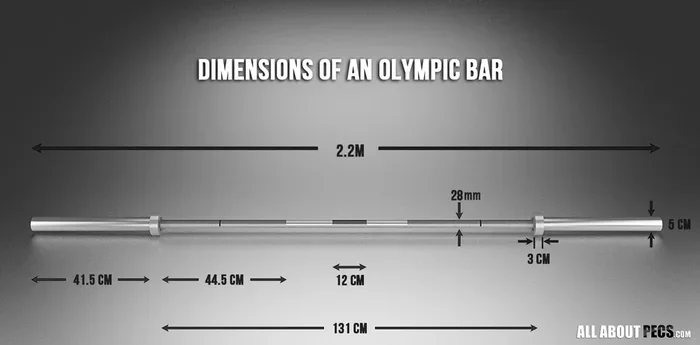
The standard Olympic barbell length is approximately 2.2 meters (7.2 feet) for men and around 2.01 meters (6.6 feet) for women. Understanding Olympic barbell dimensions is essential whether you are setting up a home gym, preparing for competition, or simply upgrading your weightlifting equipment. This guide covers every detail you need to know about barbell length specifications, types, and how to pick the perfect one.
Key Takeaways
- Standard men’s Olympic barbell length: The typical length is 2.2 meters (7.2 feet) with a 28mm shaft diameter and 20kg weight.
- Women’s Olympic barbell: Slightly shorter at 2.01 meters (6.6 feet) with a 25mm shaft and 15kg weight.
- Sleeve length matters: Each sleeve on a competition barbell is about 1.31 meters long, giving you ample space for loading plates.
- Barbell length affects workout range: Longer barbells support heavier loads and more exercises, but need more space in your gym.
- Choose based on your needs: Home gym users may opt for shorter or lighter bars, while competitive lifters need IWF-certified equipment.
- Common mistake: Many people buy bars without checking the barbell shaft length or sleeve capacity, leading to compatibility issues.
📑 Table of Contents
- Introduction
- What Is the Standard Length of an Olympic Barbell?
- Olympic Barbell vs Standard Barbell: A Comparison
- Different Types of Olympic Barbells and Their Lengths
- How Barbell Length Affects Your Workout
- How to Choose the Right Olympic Barbell Length
- Common Mistakes When Choosing Barbell Length
- Conclusion
Introduction
If you have ever walked into a gym or shopped for weightlifting equipment, you have probably noticed that barbells come in all shapes and sizes. One of the most common questions beginners ask is about the length of an Olympic barbell. Why does it matter? What should you look for?
The truth is, what is the length of an Olympic barbell depends on whether you are looking at a men’s bar, a women’s bar, or a specialized training bar. Each type serves a different purpose. Knowing the right Olympic barbell dimensions helps you make smarter purchases and avoid costly mistakes.
In this guide, we will break down every detail about barbell length specifications. We will cover standard sizes, how they compare, and what to consider before buying. Let us dive in.
What Is the Standard Length of an Olympic Barbell?
The standard Olympic barbell length varies by category. The International Weightlifting Federation (IWF) sets specific guidelines for competition bars. But for everyday gym use, manufacturers also produce bars that may differ slightly from competition standards.
Men’s Olympic Barbell Length
The men’s Olympic barbell is the most commonly seen bar in gyms worldwide. Here are the key Olympic barbell specifications:
- Total length: 2.2 meters (approximately 7.2 feet)
- Shaft diameter: 28mm to 29mm
- Shaft length: About 1.31 meters (the long center section)
- Sleeve length: Each sleeve is roughly 0.415 meters (16.3 inches)
- Total weight: 20 kilograms (44 pounds)
- Sleeve load capacity: Typically holds up to 150kg per side
This bar is designed for heavy lifting. The longer barbell shaft length allows for stable loads during squats, deadlifts, and bench presses. You can find more details on standard sizes in our guide on what is the standard size of an Olympic barbell.
Women’s Olympic Barbell Length
The women’s bar is noticeably different. It is shorter, lighter, and thinner. These barbell dimensions are tailored for ergonomic lifting:
- Total length: 2.01 meters (approximately 6.6 feet)
- Shaft diameter: 25mm
- Shaft length: About 1.16 meters
- Sleeve length: Each sleeve is roughly 0.425 meters (16.7 inches)
- Total weight: 15 kilograms (33 pounds)
The thinner shaft and lighter weight make it easier to handle during overhead lifts and snatches. If you are unsure which bar fits you best, our comparison on what is the difference between Olympic and standard barbell can help clarify things.
Olympic Barbell vs Standard Barbell: A Comparison
Many people confuse Olympic barbells with standard bars. They are not the same. The differences go beyond just length. Here is a quick comparison table to help you understand:
| Feature | Olympic Barbell | Standard Barbell |
|---|---|---|
| Length (Men’s) | 2.2 meters (7.2 feet) | 1.8 to 2.0 meters (6 to 6.5 feet) |
| Length (Women’s) | 2.01 meters (6.6 feet) | N/A (usually one size) |
| Shaft Diameter | 25mm to 29mm | 25mm to 28.5mm |
| Weight | 15kg to 20kg | 10kg to 20kg |
| Sleeve Type | Rotating bearings or bushings | Fixed or basic bushing |
| Sleeve Length | About 415mm | About 300mm to 350mm |
| Load Capacity | Up to 150kg per side | Up to 100kg per side |
| Use Case | Competition, heavy training | Home gym, light training |
As you can see, Olympic barbells are built for serious training. Their longer barbell load capacity and rotating sleeves make them superior for dynamic lifts. Standard bars work fine for beginners but may limit your progress over time.
Different Types of Olympic Barbells and Their Lengths
Not all Olympic bars are created equal. Different training styles require different barbell specifications. Here are the most common types you will encounter.
Competition Olympic Barbell
This is the gold standard (literally). IWF-certified competition bars follow strict guidelines. The barbell grip width and sleeve length are regulated to ensure fair competition. These bars feature high-quality bearings, aggressive knurling, and a precise barbell shaft length of 1.31 meters.
Training Olympic Barbell
Training bars are slightly less refined but still deliver excellent performance. They are typically the same standard Olympic barbell length as competition bars but may use simpler bearing systems. These are perfect for home gym equipment setups where you want Olympic compatibility without the premium price tag.
Technique Olympic Barbell
These are lighter and shorter bars designed for beginners and technique practice. They usually weigh between 10kg and 15kg and may be slightly shorter than the full 2.2-meter standard. They are great for learning proper form before moving to heavier loads.
Multi-Grip Olympic Barbell
Some bars come with multiple grip positions along the barbell shaft length. These allow you to change hand placement during rows, presses, and curls. The overall bar length remains similar, but the additional grip points add versatility.
How Barbell Length Affects Your Workout
You might think barbell length is just a number on a spec sheet. But it directly impacts how you train. Here is how barbell dimensions affect your lifting experience.
Range of Motion
A longer bar provides more room for your hands. This matters during exercises like deadlifts and cleans where hand placement affects your starting position. If the bar is too short, your arms may feel cramped, especially if you have longer limbs.
Stability Under Load
Longer bars distribute weight more evenly. This is why the Olympic barbell length of 2.2 meters is ideal for heavy squats and bench presses. Shorter bars can feel less stable when loaded with heavy plates.
Sleeve Space for Plates
The sleeve length determines how many plates you can load. Standard Olympic sleeves at about 415mm easily accommodate larger plates. If you are doing heavy sets, this extra space is critical. A shorter sleeve forces you to squeeze plates closer, making loading awkward.
Storage and Space Requirements
Let us be honest. A 2.2-meter bar needs space. If your gym area is limited, you may want to consider a shorter bar. However, most gym equipment setups can comfortably accommodate the standard length. Just make sure you have at least 3 meters of clear wall or rack space.
How to Choose the Right Olympic Barbell Length
Choosing the right bar comes down to your goals. Here are some quick tips to guide you.
Quick Tips for Picking the Perfect Bar
- Check your ceiling height: If you have low ceilings, a full-length bar during overhead lifts might be tricky. Measure before you buy.
- Consider your body proportions: Taller lifters generally prefer the standard 2.2-meter bar. Shorter lifters may find the women’s bar or a technique bar more comfortable.
- Think about your training goals: Powerlifting and Olympic lifting require full-length competition bars. General fitness and home use can work with shorter or lighter options.
- Check the knurling: Good knurling on barbell ensures your grip stays strong. This matters more than length for most casual lifters.
- Look for bearings or bushings: Competition bars use bearings for smooth sleeve rotation. Home bars often use simpler bushings, which are still effective.
Expert Insight
Coach Mark R. from USA Weightlifting shares this advice: “Always prioritize bar quality over length. A well-made shorter bar will outperform a cheap long bar every time. Focus on barbell specifications like shaft straightness, sleeve rotation, and knurling depth before worrying about extra length.”
For more guidance on choosing the right bar, check our detailed breakdown on what is the standard size of an Olympic barbell for expert recommendations.
Common Mistakes When Choosing Barbell Length
Even experienced lifters make mistakes when selecting bars. Here are the most common ones to avoid.
- Buying based on price alone: Cheap bars often cut corners on barbell dimensions and durability. A good bar is an investment.
- Ignoring sleeve length: Many people focus on total length but forget that sleeve load capacity is what determines how much weight you can actually load.
- Using a women’s bar for heavy training: The 15kg women’s bar is great for learning, but it is not designed for heavy competition lifts. The shorter barbell shaft length limits load potential.
- Not measuring your gym space: Always plan your layout before purchasing. A 2.2-meter bar needs proper rack and storage space.
- Overlooking bar whip: Longer bars have more whip (flex). This can be an advantage for Olympic lifts but a disadvantage for strict movements like bench press.
Conclusion
Understanding what is the length of an Olympic barbell is about more than just knowing a number. It is about matching the right barbell length specifications to your body, your goals, and your space. The standard men’s bar measures 2.2 meters, while the women’s bar comes in at 2.01 meters. Both are designed with specific purposes in mind.
Whether you are building a home gym, training for competition, or just starting your fitness journey, choosing the right bar makes a real difference. Pay attention to Olympic barbell dimensions, sleeve length, and overall build quality. Do not settle for less than what your training deserves.
Now that you know the facts, go ahead and make a confident choice. Your next lift will thank you.
Frequently Asked Questions
What is the standard length of an Olympic barbell for men?
The standard length of a men’s Olympic barbell is 2.2 meters (7.2 feet). It weighs 20kg and has a shaft diameter of 28mm to 29mm. This is the most widely used bar in gyms and competitions worldwide.
How long is a women’s Olympic barbell?
A women’s Olympic barbell is 2.01 meters (6.6 feet) long. It weighs 15kg and has a thinner 25mm shaft. The shorter and lighter design makes it easier to handle during overhead movements and technique drills.
Does the barbell length affect how much weight I can lift?
Yes, it does. Longer bars with longer sleeves allow more plates to be loaded. The standard Olympic sleeve length of about 415mm supports heavier loads. Shorter bars may limit your total barbell load capacity and feel less stable under heavy weight.
Can I use a standard barbell instead of an Olympic barbell?
You can, but there are trade-offs. Standard bars are usually shorter and have smaller sleeves. They work well for lighter training but may not support heavy or dynamic lifts. For serious training, an Olympic barbell is the better choice due to its superior construction and barbell specifications.
What is the sleeve length on an Olympic barbell?
The sleeve length on a standard Olympic barbell is approximately 415mm (16.3 inches) on each side. This provides enough space to load standard 20kg plates comfortably. Competition bars follow the same sleeve length guidelines set by the IWF.
How much space do I need for an Olympic barbell?
You need at least 3 meters of clear space for safe use and storage. This accounts for the 2.2-meter bar plus room for loading plates and moving around the bar. If your space is tight, consider a shorter training bar or a technique barbell that still offers quality construction.