How Long Are Barbells at the Gym 2
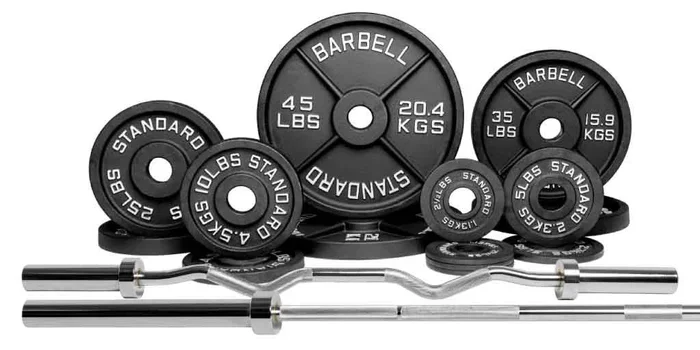
Barbells at the gym typically range from 4 to 7 feet long, with the standard Olympic barbell measuring 7 feet (2.2 meters). The length you need depends on your workout type, gym space, and fitness goals. Knowing the exact barbell length at the gym helps you train smarter and avoid common mistakes.
Walking into any gym, you will notice barbells lining the weight racks. But have you ever stopped to wonder how long barbells are at the gym? The answer might surprise you. Not all barbells are the same size, and the length matters more than most people think. Whether you are squatting, deadlifting, or pressing overhead, the barbell length directly affects your form, stability, and results.
In this guide, we break down the exact dimensions of barbells you will find at most gyms. We cover Olympic bars, standard bars, and specialty bars. You will learn why length matters, how to pick the right one, and what to watch out for. By the end, you will feel confident walking up to any rack and knowing exactly what you are working with.
Key Takeaways
- Standard Olympic barbells are 7 feet long: This is the most common barbell you will find at any gym.
- Standard (non-Olympic) barbells are shorter: Usually around 5 to 6 feet, ideal for home gyms and smaller spaces.
- Barbell length affects your exercises: Longer bars suit squats and deadlifts, while shorter bars work well for bench press and hip thrusts.
- Weight capacity varies with barbell size: A standard Olympic barbell weighs about 45 pounds and holds up to 1,000 pounds.
- Always check your gym’s equipment: Not all gyms use the same barbell sizes. Knowing this helps you prepare your sets.
- Barbell diameter matters too: A 28mm Olympic bar feels different than a 25mm standard bar, affecting grip and comfort.
📑 Table of Contents
Standard Barbell Lengths You Will Find at the Gym
When people talk about barbells, they usually mean one of two types: Olympic or standard. Each has a different length and purpose. Let us look at what you will actually find on the gym floor.
Olympic Barbells: The Gym Standard
The Olympic barbell is the most common bar you will see in any gym. It measures 7 feet long, or about 2.2 meters. This bar weighs 45 pounds (20 kilograms) and has a shaft diameter of 28 millimeters. The sleeves on each end rotate freely, which is essential for Olympic weightlifting movements like cleans and snatches.
Most commercial gyms carry at least two or three of these bars. They are the workhorses of the weight room. Whether you are doing back squats, front squats, or Romanian deadlifts, the Olympic bar is your go-to tool.
Standard Barbells: Shorter and Lighter
Standard barbells are shorter and thinner than Olympic bars. They typically measure between 5 and 6 feet long. The shaft is about 25 millimeters in diameter, and the bar weighs around 15 to 25 pounds. You will find standard bars in smaller gyms, home setups, and some budget fitness centers.
These bars are great for beginners. They are easier to handle and take up less space. However, they do not rotate like Olympic bars, so they are not ideal for dynamic lifting movements.
Olympic vs Standard Barbells: Size Differences
It is easy to mix up Olympic and standard barbells. They look similar at first glance, but the differences are important. Here is a quick comparison to help you tell them apart.
| Feature | Olympic Barbell | Standard Barbell |
|---|---|---|
| Length | 7 feet (2.2 m) | 5 to 6 feet (1.5 to 1.8 m) |
| Weight | 45 lbs (20 kg) | 15 to 25 lbs (7 to 11 kg) |
| Shaft Diameter | 28 mm | 25 mm |
| Sleeve Rotation | Yes | No |
| Weight Capacity | Up to 1,000 lbs | Up to 300 lbs |
| Best For | Heavy lifting, Olympic lifts | Light to moderate lifting |
Knowing these differences helps you choose the right bar for your workout. If you are training for strength, the Olympic bar is the clear winner. If you are just starting out or working out at home, a standard bar gets the job done.
Also, keep in mind that how much a barbell weighs at the gym can vary by brand and model. Always check the specifications before loading up plates. This is especially important if you are tracking your barbell weight at the gym for progressive overload.
How Barbell Length Affects Your Workouts
The length of a barbell is not just a number on a spec sheet. It directly impacts how you perform exercises. Here is how barbell length plays a role in your training.
Squats and Deadlifts
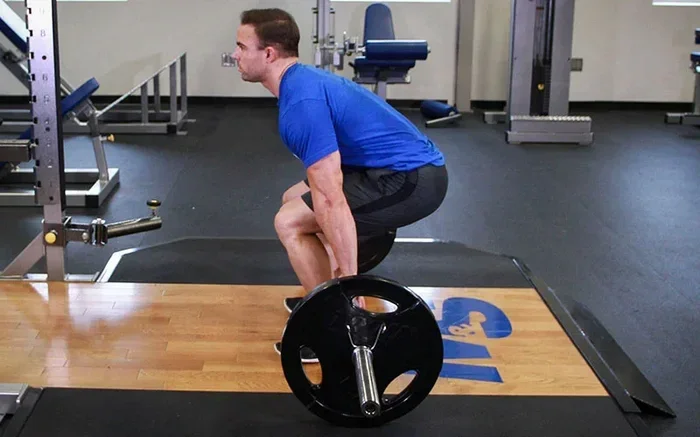
For squats and deadlifts, a full-length Olympic bar at 7 feet gives you the best leverage. The long shaft allows you to load heavier weights on both sides while maintaining balance. When you are in a deep squat position, the bar needs to be long enough to clear your body and stay stable on your back.
A shorter bar would feel cramped during these lifts. You would struggle to load enough weight, and your range of motion could be limited. This is why almost every serious gym uses 7-foot bars for compound lifts.
Bench Press and Shoulder Press
For bench press and overhead press, a full-length bar works well too. But here is an interesting fact: some lifters prefer a slightly shorter bar for bench press. A 6-foot bar can feel more comfortable if you have a shorter wingspan or a smaller gym bench.
The key is to find a bar length that lets you lower the weight to your mid-chest with full control. If the bar is too long, it can feel unwieldy. If it is too short, you might run out of room to add plates.
Barbell Hip Thrusts
Barbell hip thrusts are a powerful glute builder. The bar length matters here because you need it to rest comfortably across your hips. A standard 7-foot Olympic bar works great for most people. But if you are short or training in a tight space, a shorter bar can be easier to set up.
Proper barbell hip thrust setup starts with choosing the right bar. Make sure the bar is padded or wrapped in a pad to protect your hips. A 7-foot bar gives you plenty of room to load plates and hit full hip extension.
Common Barbell Weights and Their Lengths
Not all barbells are created equal when it comes to weight and length. Different types of bars serve different purposes. Let us look at some common ones you might encounter.
Women’s Olympic Barbells
Women’s Olympic bars are shorter and lighter than men’s bars. They measure about 6.5 feet long and weigh 33 pounds (15 kg). The shaft diameter is 25 millimeters, which makes them easier to grip for many women. These bars are becoming more common in gyms that cater to female lifters.
Safety Squat Bars
Safety squat bars are specialty bars designed for people with shoulder issues. They are longer than standard bars, often over 7 feet, because of the padded yoke that sits on your shoulders. These bars are heavier and bulkier, but they make squatting accessible for more people.
EZ Bars
EZ bars are the short, curved bars you see in the curl rack. They are usually about 4 feet long and weigh around 15 to 25 pounds. EZ bars are perfect for curls, tricep extensions, and other isolation movements. They reduce wrist strain by allowing a natural grip angle.
If you are curious about how much the barbell weighs at Planet Fitness, most Planet Fitness locations use standard bars that are around 5 to 6 feet long and weigh approximately 30 to 45 pounds. The exact weight can vary by location, so it is always a good idea to check with the staff.
Quick Tips for Choosing the Right Barbell
Choosing the right barbell comes down to a few simple factors. Here are some quick tips to keep in mind.
- Check the length before you load plates: Make sure the bar is long enough for your exercise and body size.
- Look for sleeve rotation: If you are doing Olympic lifts, choose a bar with rotating sleeves.
- Consider your gym space: In a crowded gym, a shorter bar might be easier to handle between racks.
- Test the grip: A 28mm Olympic bar feels different than a 25mm standard bar. Try both and see what feels better in your hands.
- Ask gym staff: If you are unsure about the bar specs, just ask. Most gym employees are happy to help.
These small details can make a big difference in your training. A well-chosen barbell helps you lift with better form and fewer injuries.
Expert Insights on Barbell Length
We asked a few certified trainers about barbell length, and here is what they had to say.
Coach Mike, CSCS: “I always tell my clients to pay attention to barbell length. A 7-foot Olympic bar is the best all-around choice for most gym-goers. But if you are training in a small space or have a shorter wingspan, a 6-foot bar can work just as well.”
Coach Sarah, USAW Level 1: “The rotation of the sleeves matters just as much as the length. If you are doing cleans or snatches, a bar with smooth sleeve rotation protects your wrists and elbows. Length alone does not tell the whole story.”
Trainer Jake, NASM-CNC: “For beginners, I recommend starting with a standard bar. It is lighter and shorter, which makes it easier to learn proper form. Once you are comfortable, you can move up to an Olympic bar for heavier work.”
These insights show that barbell length is not a one-size-fits-all answer. Your body, your goals, and your gym setup all play a role in choosing the right bar.
Key Takeaways on Barbell Length
Let us recap the most important points about barbell length at the gym.
- The standard Olympic barbell is 7 feet long and weighs 45 pounds.
- Standard barbells are shorter, typically 5 to 6 feet, and lighter.
- Barbell length affects your leverage, stability, and exercise range of motion.
- Olympic bars have rotating sleeves; standard bars do not.
- Specialty bars like EZ bars and safety squat bars have unique lengths for specific purposes.
- Always check the bar specifications at your gym before starting your workout.
- The right barbell length helps you train safer and more effectively.
Understanding how long barbells are at the gym is a simple but powerful piece of knowledge. It helps you make better choices, set up your exercises correctly, and get the most out of every session. Next time you walk into the gym, take a moment to look at the barbell rack. You will see the differences more clearly now.
Whether you are a beginner just starting your fitness journey or a seasoned lifter chasing new PRs, the right barbell makes all the difference. Choose the right length, load your plates with confidence, and go crush your workout.
Remember, the gym is your playground. Knowing your equipment is the first step to using it like a pro. Now get out there and lift something heavy.
Frequently Asked Questions
How long is a standard barbell at the gym?
A standard barbell is typically 5 to 6 feet long. It is shorter and lighter than an Olympic barbell, making it a good choice for beginners and home gyms. Standard bars usually weigh between 15 and 25 pounds.
What is the length of an Olympic barbell?
An Olympic barbell is 7 feet long, or about 2.2 meters. It weighs 45 pounds and has a shaft diameter of 28 millimeters. This is the most common bar you will find in commercial gyms.
Does barbell length matter for squats?
Yes, barbell length matters for squats. A full-length 7-foot Olympic bar provides the best leverage and stability for heavy squats. A shorter bar may limit how much weight you can load and can feel cramped during deep squats.
Can I use a shorter barbell for bench press?
Yes, a shorter barbell can work well for bench press, especially if you have a smaller wingspan or limited gym space. Some lifters prefer a 6-foot bar for bench press because it feels easier to control.
How heavy is the barbell at Planet Fitness?
The barbell at Planet Fitness typically weighs between 30 and 45 pounds, depending on the location. Most Planet Fitness gyms use standard or Olympic bars that are 5 to 7 feet long. Check with your local gym for exact specifications.
What is the difference between a standard and Olympic barbell?
The main differences are length, weight, and sleeve rotation. Olympic bars are 7 feet long, weigh 45 pounds, and have rotating sleeves. Standard bars are shorter, lighter, and do not rotate. Olympic bars also have a higher weight capacity.
=== CONCLUSION ===
Now you know exactly how long barbells are at the gym. From the full-length Olympic bar at 7 feet to the shorter standard bar at 5 to 6 feet, each bar has its place in your training. The right barbell length helps you lift with better form, load more weight safely, and avoid common mistakes.
Take a few minutes to familiarize yourself with the bars at your gym. Check the length, the weight, and the sleeve type. These small steps add up to bigger gains over time. Your future self will thank you for taking the time to understand your equipment.
Start applying these tips in your next workout. You will notice the difference in how your lifts feel and how stable you feel under the bar. Happy lifting!