What Is Best Thickness for Yoga Mat 2
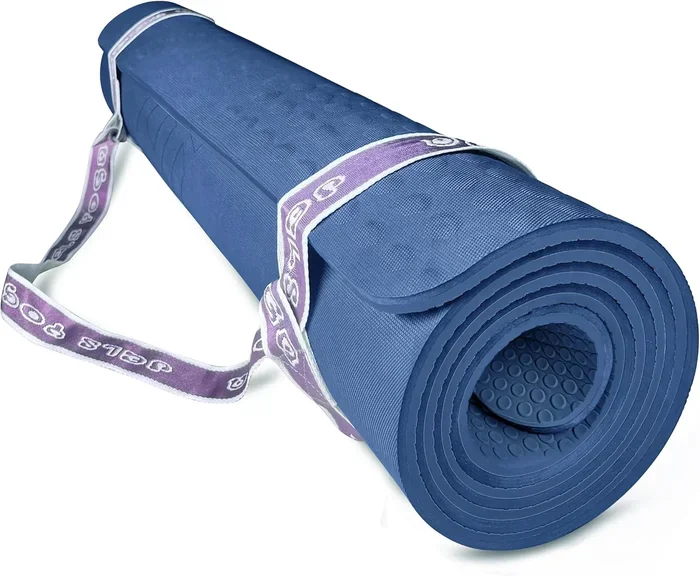
Choosing the right yoga mat thickness can transform your practice. The best thickness for a yoga mat 2 depends on your body type, joint needs, and style of yoga. Most experts recommend 3-6 mm for a balance of comfort and stability.
Finding the best thickness for a yoga mat 2 is one of the most important decisions you can make for your practice. A mat that is too thin leaves your knees and wrists aching. A mat that is too thick makes you feel unstable during poses. The sweet spot depends on your body, your style, and your goals.
Whether you are a beginner just starting out or an experienced yogi refining your routine, mat thickness affects everything from comfort to balance. This guide breaks down everything you need to know. You will learn what thickness works best for different body types, yoga styles, and surfaces. By the end, you will know exactly what to look for when shopping.
Many people overlook this detail, but mat thickness directly impacts your joint health and pose alignment. A few extra millimeters can make the difference between a practice you love and one that leaves you in pain. Let us dive into the details.
Key Takeaways
- Standard thickness ranges from 3mm to 6mm and suits most practitioners
- Thicker mats (6mm+) offer more cushioning for sensitive joints
- Thinner mats (3mm) provide better balance and ground connection
- Your yoga style matters — hot yoga, power yoga, and restorative yoga each need different thickness
- Material and density affect comfort just as much as thickness alone
- Body weight and joint health are key factors in choosing the right mm
📑 Table of Contents
Understanding Yoga Mat Thickness Basics
Yoga mats come in a range of thicknesses. The most common options fall between 3mm and 8mm. Each thickness serves a different purpose. Understanding these basics helps you narrow down your choices quickly.
What Does Thickness Mean for Your Practice?
Thickness refers to how thick the mat material is from top to bottom. It is measured in millimeters (mm). A thinner mat sits closer to the floor. This gives you a stronger sense of grounding and balance. A thicker mat adds a cushion layer between your body and the hard floor.
The standard thickness for most yoga mats is around 5mm to 6mm. This range works well for the majority of people. It provides enough cushioning without sacrificing stability. If you are unsure where to start, this is a safe bet.
Keep in mind that thickness is not the only factor. Mat density and material also play huge roles in comfort. A dense 4mm mat can feel more comfortable than a soft 6mm mat. This is why you should always consider the full picture.
Common Thickness Categories
- Thin mats (3mm or less): Great for travel and balance-focused practices
- Standard mats (4mm to 6mm): The most popular choice for everyday practice
- Thick mats (6mm to 8mm): Best for restorative yoga and joint protection
- Extra-thick mats (8mm+): Ideal for chair yoga or those with chronic pain
These categories give you a starting point. Your personal needs will help you pick the right one.
How to Choose the Best Thickness for Your Body
Everyone’s body is different. What works for one person may not work for another. Your body weight, joint sensitivity, and flexibility all play a role in finding the ideal mat.
Body Weight and Pressure Points
If you weigh more, you need more cushioning. A thin mat may not provide enough support for heavier bodies. This can lead to discomfort in poses like Downward Dog or Cobra. On the other hand, lighter individuals often do well with thinner mats because they do not need as much padding.
A good rule of thumb is this: if you feel the floor pressing into your joints during practice, your mat is too thin. You want enough padding to protect your knees, elbows, and spine without feeling like you are sinking.
Joint Health and Comfort
Joint health should always be a priority. If you have sensitive knees or wrists, a thicker mat is worth considering. The extra cushioning reduces pressure on joints and helps you hold poses longer without pain.
People with conditions like arthritis or carpal tunnel syndrome benefit greatly from thicker mats. Even a 1-2mm difference can change how your joints feel after a full session. Always listen to your body when testing a new mat.
Height and Mat Length Considerations
Thickness and length go hand in hand. A tall person needs a longer mat, and the thickness should match that comfort level. If your mat is too short or too thin, you will feel unstable. Check out our guide on what the standard size for a yoga mat is to find the right length for your body.
Best Thickness by Yoga Style
Different styles of yoga demand different things from your mat. The thickness you need for a gentle stretch session is not the same as what you need for an intense power flow.
Thin Mats for Vinyasa and Power Yoga
Vinyasa and power yoga involve a lot of movement and flow. You need a mat that keeps you grounded and stable. A thinner mat, around 3mm to 5mm, works best for these styles. It gives you close contact with the floor so you can transition smoothly between poses.
Thick mats can actually be a problem here. They make you feel wobbly during standing poses like Warrior III. If stability is your goal, go thinner.
Thick Mats for Restorative and Yin Yoga
Restorative and Yin yoga involve holding poses for several minutes. You need maximum comfort and support. A thicker mat, around 6mm to 8mm, provides the padding you need to stay relaxed and pain-free during long holds.
These styles focus on relaxation and deep stretching. A plush mat enhances the experience by keeping your body comfortable. If you practice hot yoga, check out what is the best yoga mat for hot yoga for specific recommendations.
Medium Thickness for Hatha and Beginner Yoga
Hatha yoga and beginner classes are all-around practices. They include a mix of holding poses and gentle movement. A medium thickness mat, around 5mm to 6mm, is the perfect fit. It balances comfort and stability beautifully.
Beginners especially benefit from this middle ground. It gives you enough cushion to protect your joints while still feeling grounded enough to build proper alignment.
Material Matters: How It Affects Thickness Feel
Here is something many people miss. The material of your mat changes how thickness feels. Two mats with the same mm measurement can feel completely different based on what they are made of.
TPE vs. PVC vs. Rubber
TPE (Thermoplastic Elastomer) mats are lightweight and often come in medium thickness. They feel soft and comfortable. PVC mats are the most common and affordable. They come in many thickness options and hold up well over time. Rubber mats are dense and naturally thick. They offer excellent grip and cushioning but can be heavy.
If you want to learn more about what materials work best, read our article on what is the best material for a yoga mat. It covers the pros and cons of each material in detail.
Density vs. Thickness
Density refers to how tightly packed the material is. A high-density mat feels firm even if it is thick. A low-density mat feels soft but may compress quickly over time. The best mats combine good thickness with high density for lasting comfort.
When testing a mat, press your hand into it. If it bounces back quickly, it has good density. If it stays compressed, it will wear out fast. This simple test saves you money in the long run.
Common Mistakes When Choosing Mat Thickness
Many people make avoidable mistakes when picking a yoga mat. Learning from these errors helps you make a smarter choice.
Choosing Based on Looks Alone
A pretty mat does not mean it is right for your body. Style matters, but function should always come first. Focus on thickness, material, and grip before color or design.
Ignoring the Floor Surface
The surface you practice on affects how thick your mat should be. A thick mat on a soft carpet can feel too squishy. A thin mat on a hardwood floor might be too hard. Consider where you will practice most often.
Assuming Thicker Is Always Better
More cushioning is not always the answer. Thick mats can cause balance problems, especially for beginners. They can also make it harder to feel the floor beneath you. This connection to the ground is important for proper alignment and body awareness.
Quick Tips for Finding Your Ideal Thickness
Still not sure what thickness is right for you? Try these practical tips.
- Test before you buy: Visit a store and hold a few poses on different thicknesses
- Read reviews: Real user feedback often mentions comfort and durability
- Consider your primary practice space: Home, studio, or outdoor each have different needs
- Think about travel: If you carry your mat to class, a thinner travel-friendly mat might be better
- Replace when needed: Mats lose cushioning over time. If your mat feels flat, it is time for a new one
These small steps make a big difference. Taking a few minutes to evaluate your needs saves you from buying a mat that does not work for you.
Expert Insights on Mat Thickness
Yoga instructors often recommend specific thicknesses based on years of teaching experience. Many suggest starting with a 5mm mat and adjusting from there. Experienced teachers note that students who struggle with balance often benefit from switching to a thinner mat.
Physical therapists also weigh in on this topic. They recommend thicker mats for clients recovering from injuries. The added cushioning supports healing joints while still allowing a full range of motion. For a deeper dive into thickness specifics, check out our article on what is the ideal thickness for a yoga mat.
Final Thoughts
Finding the best thickness for a yoga mat 2 comes down to understanding your body and your practice. There is no one-size-fits-all answer. The right thickness for you depends on your weight, your joints, your yoga style, and your personal comfort preferences.
Start with the standard range of 5mm to 6mm if you are unsure. This is the safest choice for most people. From there, adjust up or down based on how your body feels during practice. The perfect mat supports you without getting in the way.
Take your time when choosing. Your yoga mat is one of the most important investments in your practice. A mat with the right thickness makes every session more enjoyable, safer, and more effective. Trust your body, test your options, and find the mat that feels like it was made for you.
Frequently Asked Questions
What is the standard thickness for a yoga mat?
The standard thickness for most yoga mats is between 5mm and 6mm. This range works well for the majority of practitioners because it balances comfort and stability. It provides enough cushioning for your joints while keeping you grounded during poses.
Is a thicker yoga mat always better for your knees?
Not necessarily. While thicker mats offer more cushioning, they can reduce stability. If you have knee issues, a medium-thick mat (5mm to 6mm) with high density often works better than a very thick, soft mat. The density provides support without sacrificing balance.
Can I use a thin yoga mat for hot yoga?
Yes, thin mats work well for hot yoga because they provide better grip and stability when your hands and feet are sweaty. However, you should check out our guide on what is the best yoga mat for hot yoga 2 for specific recommendations on hot yoga mats.
How often should I replace my yoga mat?
Most yoga mats last between 1 and 5 years depending on how often you use them. Signs that your mat needs replacing include reduced cushioning, visible wear, and a loss of grip. If your mat feels flat or slippery, it is time for a new one.
Does mat thickness affect balance?
Yes, mat thickness directly affects balance. Thicker mats create more distance between your body and the floor, which can make you feel less stable. Thinner mats keep you closer to the ground and improve your sense of balance during standing and balancing poses.
What is the best thickness for a yoga mat for beginners?
Beginners usually do best with a medium thickness mat, around 5mm to 6mm. This provides enough comfort to protect joints while still offering the stability needed to learn proper alignment. Starting in this range helps beginners build a strong foundation in their practice.