How Thick Should My Yoga Mat Be 2

Choosing the right mat thickness can transform your yoga practice from uncomfortable to amazing. The ideal how thick should my yoga mat be 2 depends on your body type, practice style, and joint sensitivity. Most practitioners benefit from a 3mm to 6mm mat, but your specific needs may differ based on whether you focus on balance poses, restorative yoga, or high-intensity flows.
This is a comprehensive guide about How Thick Should My Yoga Mat Be 2.
Key Takeaways
- Standard Thickness Range: Most yoga mats fall between 3mm and 6mm, with 5mm being the most popular choice for all-around practice.
- Body Weight Matters: Heavier practitioners need thicker mats for proper cushioning and joint protection during long sessions.
- Practice Style Drives Choice: Balance-focused practices like pilates need thinner mats, while gentle or restorative yoga benefits from thicker options.
- Material Affects Feel: TPE, rubber, and cork mats each offer different thickness experiences and levels of grip and support.
- Beginners Should Start Medium: A 4mm to 5mm mat provides the best starting point for those new to yoga and building core strength.
- Thickness Is Not Everything: Density, material quality, and surface texture matter just as much as the millimeter measurement.
[FEATURED_IMAGE_PLACEHOLDER]
Finding the right yoga mat thickness is one of the most important decisions you can make for your practice. A mat that is too thin leaves your knees and wrists aching. One that is too thick makes standing poses feel wobbly and unstable. The question how thick should my yoga mat be 2 comes up constantly among yogis of all levels, and for good reason.
Your mat is the foundation of every pose. It supports your joints, cushions your spine, and gives you the traction you need to hold positions safely. Whether you are a complete beginner or a seasoned practitioner, understanding mat thickness helps you get more out of every session. This guide breaks everything down in simple terms so you can make a confident choice.
The good news is that you do not need to spend hours researching. By the end of this article, you will know exactly what thickness works best for your body, your style of yoga, and your budget. Let us dive in.
Why Yoga Mat Thickness Matters So Much
The thickness of your mat directly affects your comfort and stability. It is not just a number printed on the packaging. That measurement determines how much cushion your joints receive and how grounded you feel during standing poses.
A thinner mat, typically around 3mm, keeps you close to the floor. This closeness gives you better balance and a stronger connection to the ground. Many people who practice pilates prefer this feel because it allows for precise movements and better core engagement. If you want to learn more about the ideal thickness for pilates, check out our guide on how thick should a yoga mat be for pilates.
A thicker mat, usually 5mm or more, adds generous cushioning. This is a lifesaver for people with sensitive knees, bad backs, or sore wrists. The extra padding absorbs pressure and makes floor poses much more comfortable. But there is a trade-off. Thick mats can feel unstable during balance poses like tree pose or warrior III.
Understanding Millimeter Measurements
Yoga mats are measured in millimeters, and the numbers can be confusing at first. Here is a simple breakdown of what common thicknesses mean in real-world use:
- 2mm to 3mm: Thin travel mats. Great for balance work and pilates. Not ideal for long holds or sensitive joints.
- 4mm to 5mm: The sweet spot for most people. Good cushion without sacrificing stability.
- 6mm to 8mm: Thick and cushy. Best for restorative yoga, gentle flows, and practitioners with joint issues.
- 10mm and above: Extra-thick mats. Usually used for meditation or very gentle practices. Not recommended for active vinyasa.
If you are still unsure about millimeter guidance, our detailed article on how many mm thick should a yoga mat be breaks this down further with practical examples for every body type.
How to Choose the Right Thickness for Your Body
Everyone is different. Your ideal mat thickness depends on several personal factors that we will walk through right now. Think of this as your personalized yoga mat thickness guide.
Body Weight and Joint Pressure
Body weight plays a huge role in how much cushion you need. Heavier individuals put more pressure on their joints during floor poses. A thin mat simply will not provide enough support over time, leading to discomfort and even pain in the knees and hips.
If you weigh over 200 pounds, a 5mm or 6mm mat is strongly recommended. The extra padding distributes your weight more evenly and protects your joints during long holds. Lighter practitioners, under 130 pounds, often find that a 3mm to 4mm mat works perfectly. You get enough cushion without feeling like you are sinking into the floor.
Height and Mat Length Considerations
Your height also matters when choosing thickness. Taller people need longer mats, and the combination of length and thickness affects how stable you feel. A thick mat on a tall frame can feel like you are balancing on a pillow, which makes standing poses much harder.
For tall practitioners, a 4mm to 5mm mat offers the best compromise between comfort and stability. You get enough cushion for your joints without feeling unsteady during poses like warrior I or half moon.
Practice Style and Thickness Needs
The type of yoga you practice should heavily influence your mat thickness choice. Here is how different styles line up with ideal mat thickness:
- Vinyasa Flow: 4mm to 5mm for stable transitions and joint support
- Hatha Yoga: 5mm for comfortable holds and gentle pacing
- Restorative Yoga: 6mm or more for maximum comfort during long passive holds
- Pilates: 3mm to 4mm for a grounded feel and better core activation
- Hot Yoga: 4mm to 5mm with excellent grip and sweat resistance
- Balance-Focused Practice: 3mm to 4mm for maximum ground connection
For those wondering about the how thick should my yoga mat be 2 question specifically in the context of beginners, starting with a 4mm or 5mm mat gives you versatility across different styles while you build your practice.
Material Choices That Affect Thickness Feel
Here is something many people overlook. The material of your mat changes how the thickness actually feels. Two mats both labeled 5mm can feel completely different depending on what they are made of. This is a crucial factor when deciding how thick should my yoga mat be 2 or any thickness level.
TPE (Thermoplastic Elastomer)
TPE mats are lightweight, affordable, and come in a wide range of thicknesses. They feel soft and slightly spongy underfoot. A 5mm TPE mat provides good cushioning for most body types. However, TPE can compress over time, meaning your mat may feel thinner after several months of regular use.
Natural Rubber
Rubber mats are denser and heavier than TPE. Even at the same thickness, a rubber mat feels firmer and more supportive. A 4mm rubber mat can feel as supportive as a 5mm TPE mat. This density is excellent for joint protection and gives you a stable base for standing poses. Rubber also offers superior grip, which is a huge plus for hot yoga or sweaty sessions.
Cork
Cork mats are naturally antimicrobial and offer a unique firm-yet-cushioned feel. They tend to be on the thinner side, usually 4mm to 5mm, but the density of cork provides surprisingly good support. Cork mats are heavier than TPE but lighter than rubber, making them a solid middle-ground option.
EVA Foam
EVA foam mats are the lightest option and often the cheapest. They are commonly found in budget travel mats. The downside is that EVA compresses quickly and loses its cushioning faster than other materials. If you go with an EVA mat, choose the thickest option available, at least 6mm, to get decent support.
Common Mistakes People Make When Choosing Mat Thickness
Avoiding these common pitfalls will save you money and frustration. Many beginners make the same errors when picking their mat, and none of them are hard to prevent.
Choosing Based on Looks Alone
A pretty mat does not mean it is the right thickness for your body. Color and design should never be the primary deciding factor. Always prioritize comfort and support over aesthetics.
Assuming Thicker Is Always Better
This is the number one mistake. A thick mat feels luxurious at first, but it can seriously throw off your balance during standing poses. If you find yourself wobbling more than usual, your mat might be too thick for your practice style.
Ignoring Density Alongside Thickness
Thickness and density are not the same thing. A 6mm mat with low density will feel soft but compress quickly under pressure. A 4mm mat with high density feels firm but provides excellent support. Always check both measurements before buying.
Not Testing the Mat Before Committing
Whenever possible, try the mat in person. Stand on it in mountain pose. Drop into a low lunge. Feel how your wrists respond on the floor. If a store does not allow testing, read reviews from people with a similar body type and practice style to yours.
Forgetting About Portability
A super thick mat is heavy and bulky. If you plan to carry your mat to classes or travel with it, a 3mm to 4mm mat is much more practical. The thickness you choose should fit your lifestyle, not just your practice.
Expert Tips for Getting the Most From Your Mat Thickness
Once you have chosen the right thickness, a few simple habits will extend the life of your mat and improve your experience on it every single day.
Break In Your New Mat
New mats, especially thicker ones, can feel slippery at first. Unroll your mat and leave it flat for 24 to 48 hours before your first practice. This helps the material relax and conform to your body weight.
Use a Mat Towel for Extra Grip
If your mat feels slippery regardless of thickness, a yoga towel laid over the surface adds grip and absorbs sweat. This works especially well for thick mats that have a spongy, less stable surface.
Clean Your Mat Regularly
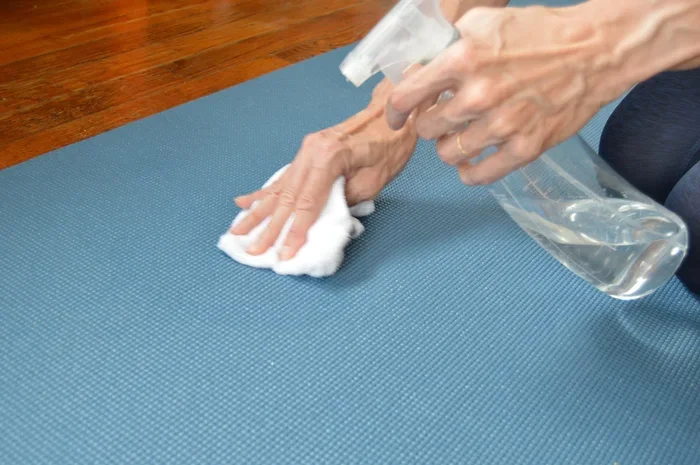
A clean mat grips better and lasts longer. Use gentle cleaners like diluted vinegar or specialized yoga mat sprays. Avoid harsh chemicals like Clorox wipes, which can break down the material and reduce its cushioning over time. For safe cleaning methods, visit our guide on can I clean my yoga mat with Clorox wipes.
Replace When Needed
Even the best mat loses its thickness over time. If you notice your mat feeling thinner, developing permanent indentations, or losing its grip, it is time for a replacement. Most mats last between 12 and 24 months with regular use.
Quick Comparison: Mat Thickness by Use Case
Here is a quick reference table to help you decide at a glance:
- Travel / Balance Practice: 2mm to 3mm, lightweight, maximum ground feel
- General Daily Practice: 4mm to 5mm, versatile, good cushion and stability
- Joint Support / Restorative: 6mm to 8mm, maximum cushioning, best for gentle flows
- Heavy-Weight Practitioners: 5mm to 6mm, high-density material for durability and support
- Pilates Focus: 3mm to 4mm, firm feel for core engagement and precise movements
Remember, the how thick should my yoga mat be 2 answer is never one-size-fits-all. Your body, your practice, and your preferences all play a role. Use this table as a starting point and adjust based on your personal experience.
Final Thoughts on Finding Your Perfect Mat Thickness
The journey to finding the right mat thickness is really a journey to understanding your own body and practice. There is no single perfect number that works for everyone. What matters is that you feel supported, stable, and comfortable on your mat from the first pose to the final savasana.
Start with the 4mm to 5mm range if you are unsure. This is the most versatile thickness and works for the majority of practitioners. As you grow in your practice and learn what your body needs, you can always adjust up or down.
Do not let the overwhelming number of options paralyze you. The best mat thickness is the one that makes you want to roll out your mat and practice. Trust your body, listen to its signals, and choose the thickness that feels right for you. Your yoga journey deserves a solid foundation, and the right mat thickness is the first step toward building one.
Whether you are just starting out or deepening an existing practice, the perfect mat is out there waiting for you. Take your time, try different options, and enjoy the process of finding what works best for your unique body and style.
FAQs
What is the standard yoga mat thickness?
The most common and widely recommended thickness is 5mm. This size offers a great balance of cushioning and stability for most body types and yoga styles. A 4mm mat is also very popular and works well for those who prefer a slightly firmer feel.
Is a 3mm yoga mat too thin?
Not necessarily. A 3mm mat is ideal for balance-focused practices, pilates, and practitioners with healthy joints who want maximum ground connection. However, if you have sensitive knees or wrists, a thicker mat will provide better protection during floor poses.
Can I use a thick yoga mat for vinyasa flow?
You can, but it may affect your balance during standing poses. Vinyasa flows involve a lot of transitions, and a thick mat can make you feel less grounded. A 4mm to 5mm mat is the better choice for most vinyasa practitioners.
How do I know if my mat is too thick for me?
If you feel unstable during balance poses like tree pose or warrior III, or if your feet feel like they are sinking into the mat, it may be too thick. A simple test is to hold warrior II for 30 seconds. If you shake excessively, consider switching to a thinner mat.
What thickness is best for yoga beginners?
Beginners should start with a 4mm to 5mm mat. This range provides enough cushioning for comfort while still offering the stability needed to learn proper alignment. For more guidance on beginner-specific needs, check out our article on how thick should a yoga mat be for beginners.
Does yoga mat thickness affect durability?
Thicker mats can be more durable if made from high-density materials. However, low-density thick mats may compress and wear out faster than thinner, denser mats. Always check the density rating alongside the thickness measurement when comparing options.
Frequently Asked Questions
What is How Thick Should My Yoga Mat Be 2?
How Thick Should My Yoga Mat Be 2 is an important topic with many practical applications.