Are Yoga Mats Supposed to Be Sticky 2
A yoga mat should feel grippy enough to keep you stable during poses, but it should not feel overly sticky or uncomfortable against your skin. The right level of stickiness depends on the material, your practice style, and personal preference. In this guide, we break down what normal mat texture feels like, why some mats are stickier than others, and how to adjust your mat’s grip for the best workout experience.
If you have ever unrolled a new yoga mat and felt like it was almost grabbing your hands, you might wonder, are yoga mats supposed to be sticky? This is a question many yoga beginners and even experienced practitioners ask. The short answer is yes, but with a big “it depends.” A yoga mat should offer enough grip to keep you stable, but it should not feel like tape stuck to your skin.
Understanding how your mat should feel is key to enjoying your practice. Whether you do gentle stretches or intense vinyasa flows, the right mat texture makes all the difference. Let us dive deep into what makes a yoga mat sticky, when stickiness is a good thing, and what to do if your mat feels too grippy or not grippy enough.
Key Takeaways
- Yoga mats are designed to be slightly tacky: A mild sticky feeling helps prevent slipping during poses and transitions.
- Material matters a lot: TPE, PVC, and rubber mats each have different levels of natural grip and surface texture.
- Stickiness can change over time: Dirt, sweat, and wear can make a mat either too sticky or too slippery.
- You can adjust grip levels: Cleaning methods and break-in techniques can fine-tune how your mat feels underfoot.
- Too much stickiness is not ideal: Excessive stickiness can irritate skin and make poses uncomfortable, especially during hot yoga.
📑 Table of Contents
- What Does It Mean for a Yoga Mat to Be Sticky?
- Why Are Some Yoga Mats Sticky?
- Are Yoga Mats Supposed to Be Sticky? The Honest Answer
- When Stickiness Becomes a Problem
- How to Fix a Yoga Mat That Is Too Sticky
- How to Choose the Right Stickiness Level When Buying a Mat
- Common Mistakes People Make With Sticky Yoga Mats
- Expert Insights on Yoga Mat Stickiness
- Final Thoughts
What Does It Mean for a Yoga Mat to Be Sticky?
When we say a yoga mat is “sticky,” we mean the surface has a slight tackiness that creates friction between your skin and the mat. This friction is what prevents your hands and feet from sliding around during poses. Think of it like the grip on a pair of sneakers — you want enough traction to stay planted, but not so much that your feet feel glued to the floor.
A sticky yoga mat is not the same as a mat that feels gummy or leaves residue on your skin. There is a big difference between a mat that gently holds you in place and one that feels uncomfortable or causes irritation. The ideal mat has a balanced level of surface grip that works with your body, not against it.
The Role of Mat Texture
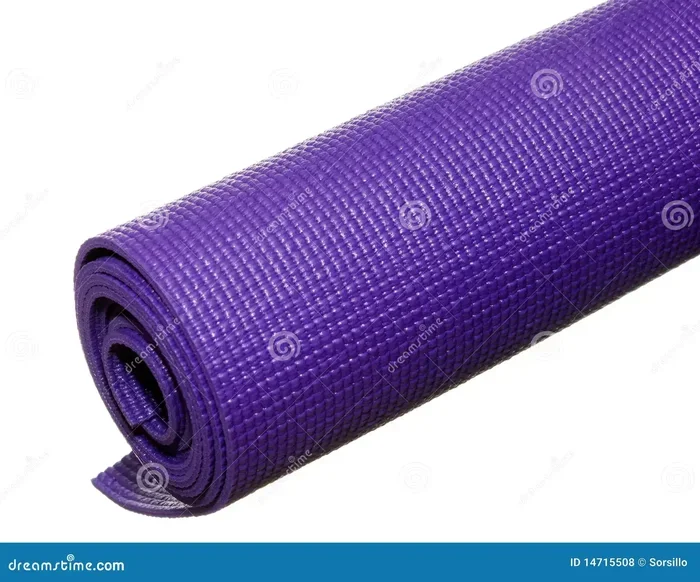
The texture of your mat plays a huge role in how sticky it feels. Some mats have a smooth, slightly tacky surface. Others have a textured, bumpy pattern that increases friction and traction. The texture is usually created during manufacturing by adjusting the material formula or adding a surface pattern. This is why two mats made from the same base material can still feel very different in terms of grip.
Why Are Some Yoga Mats Sticky?
Several factors determine how sticky your yoga mat will feel right out of the box. Let us look at the main reasons why some mats are stickier than others.
1. Material Type
The material your mat is made from is the biggest factor in its stickiness level. Here is a quick breakdown of common yoga mat materials:
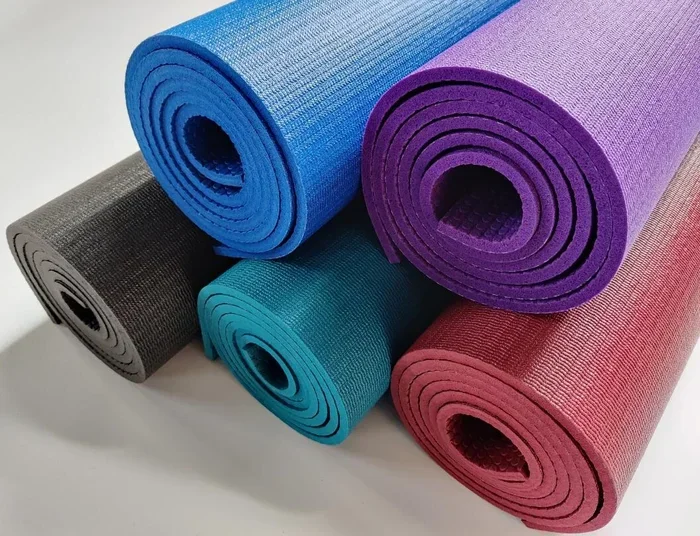
- TPE (Thermoplastic Elastomer): These mats tend to be moderately sticky. They offer a good balance of grip and comfort. TPE is lightweight and recyclable, making it a popular choice for many yogis.
- PVC (Polyvinyl Chloride): PVC mats are often the stickiest out of the box. They have a naturally tacky surface that provides strong grip. However, they can feel quite sticky in hot conditions.
- Natural Rubber: Rubber mats have excellent natural grip. They are very sticky, especially when they are new. Over time, the stickiness may decrease slightly as the surface breaks in.
- Cork: Cork mats have a unique dry, textured grip. They are not sticky in the traditional sense but offer great traction when slightly damp.
2. Manufacturing Process
How a mat is manufactured affects its surface properties. Some brands add grip-enhancing coatings during production. Others use a closed-cell or open-cell structure that changes how the surface interacts with your skin. The density and thickness of the mat also play a role — thicker mats sometimes feel less sticky because the surface is more cushioned and less firm.
3. New vs. Broken-In Mat
A brand new mat is almost always stickier than a mat you have used for months. This is because the surface has not yet been worn down by your hands, feet, and sweat. As you use your mat regularly, the initial tackiness fades slightly and the grip becomes more balanced. This is normal and expected.
Are Yoga Mats Supposed to Be Sticky? The Honest Answer
Yes, yoga mats are supposed to have some level of stickiness. Without any grip, your hands and feet would slide all over the mat, making it hard to hold poses safely. However, excessive stickiness is not ideal either. A mat that feels like it is pulling at your skin can cause discomfort, especially during long holds or hot yoga sessions.
The right amount of stickiness depends on your practice style. If you do slow, gentle yoga, a slightly less sticky mat might feel better. If you do power yoga or hot yoga where you sweat a lot, you will want a mat with strong grip to keep you stable. The key is finding the sweet spot where your mat holds you in place without causing irritation.
Ideal Stickiness for Different Yoga Styles
- Hatha Yoga: Moderate stickiness works well for slower-paced practices with long holds.
- Vinyasa Flow: You want good grip because you move quickly between poses.
- Hot Yoga: A mat with strong wet grip is essential since sweat makes surfaces slippery.
- Restorative Yoga: Less stickiness is fine since movements are slow and gentle.
When Stickiness Becomes a Problem
While some stickiness is good, too much of it can cause issues. Let us look at when stickiness crosses the line from helpful to problematic.
Skin Irritation
If your mat feels like it is sticking to your skin every time you transition from downward dog to plank, it might be too sticky. This can cause skin redness and irritation, especially on your hands and forearms. People with sensitive skin are more likely to experience this problem. If you notice redness or discomfort after a session, your mat might be the culprit.
Difficulty Transitioning Between Poses
A mat that is too sticky can actually slow you down. In dynamic styles of yoga, you need to glide smoothly from one pose to the next. If your hands and feet feel like they are glued to the mat, transitions become awkward and forced. This takes away from the flow and can even increase your risk of injury if you have to jerk or pull to free a limb.
Residue Build-Up
Some mats, especially cheaper PVC options, can leave a sticky residue on your skin or clothing. This residue builds up over time and is a sign that the mat material is breaking down. If you notice a greasy or tacky film on your skin after practice, it is time to evaluate your mat.
How to Fix a Yoga Mat That Is Too Sticky
If your mat feels uncomfortably sticky, there are several things you can do to reduce the grip and make your practice more comfortable.
Break It In
The simplest fix is to use your mat regularly. As you practice on it, the surface naturally wears down and the excessive tackiness decreases. This process is sometimes called “breaking in” the mat. A few weeks of regular use can make a big difference in how the mat feels.
Clean It Properly
Cleaning your mat can help reduce stickiness. A light wash with mild soap and water removes surface oils and residue that can make a mat feel extra tacky. Using Dawn dish soap in small amounts is a popular cleaning method that many yogis swear by. Just make sure to rinse thoroughly and let the mat air dry completely before rolling it up.
You can also try a vinegar solution. White vinegar mixed with water in a spray bottle makes a natural mat cleaner that can help balance the surface texture. Spray it on, wipe gently, and let it dry flat.
Use a Yoga Towel
A yoga towel placed over your mat can create a barrier between your skin and the sticky surface. This is especially helpful for hot yoga or intense practices where sweat makes the stickiness worse. Microfiber towels are great because they add grip while reducing direct contact with the mat.
Consider a Mat Topper
If cleaning and towels are not enough, a mat topper can add a layer of cushioning and reduce stickiness. Toppers come in various materials and thicknesses. They are an easy way to change how your mat feels without buying a whole new one.
How to Choose the Right Stickiness Level When Buying a Mat
When you are shopping for a new yoga mat, it is important to consider the grip level that suits your needs. Here are some tips to help you choose wisely.
Test the Mat Before Buying
If possible, visit a store and test the mat with your bare hands. Press your palms against the surface and slide them gently. You should feel some resistance but not a pulling or grabbing sensation. If the mat feels like it is sticking to your skin, it might be too sticky for comfortable use.
Read Reviews
Online reviews often mention grip levels. Look for reviews from people who have a similar practice style to yours. If you do hot yoga, pay attention to reviews that mention wet grip performance. If you have sensitive skin, look for feedback about skin comfort during practice.
Consider Your Practice Environment
Where you practice matters. If you practice in a hot, humid room, you will want a mat with strong grip that does not get slippery when wet. If you practice in a cool, dry space, a moderately grippy mat might be all you need. Also think about whether you practice at home, in a studio, or at a gym like Planet Fitness — the environment can affect how your mat performs.
Thickness and Grip Relationship
Thicker mats, like those that are 6mm or more, tend to feel less sticky because the extra cushioning creates a softer surface. Thinner mats, around 3mm to 5mm, often feel grippier because the surface is firmer and closer to your skin. If you want a less sticky experience, a thicker mat might be the answer. If you want maximum grip, a thinner mat could work better for you.
Common Mistakes People Make With Sticky Yoga Mats
There are a few common mistakes that can make a sticky mat even more problematic. Avoiding these will help you get the best experience from your mat.
- Skipping the break-in period: Many people expect a new mat to feel perfect right away. Give your mat time to adjust to your body and practice style.
- Over-cleaning: Washing your mat too often or with harsh chemicals can strip away the surface texture and make the grip uneven.
- Ignoring sweat levels: If you are a heavy sweater, a mat that felt fine when dry might become too sticky when wet. Consider how your mat performs in sweaty conditions.
- Not replacing worn mats: A mat that has lost its balance between grip and comfort can cause joint strain and slipping. Know when it is time for a replacement.
Taking care of your mat properly will extend its life and keep the grip at a comfortable level. Regular cleaning, proper storage, and knowing when to replace your mat are all part of a good yoga practice.
Expert Insights on Yoga Mat Stickiness
Yoga instructors and fitness experts often emphasize that the right mat grip is a personal preference. What feels perfect for one person might feel too sticky or not sticky enough for another. Your body, your sweat level, and your practice style all play a role in determining the ideal stickiness.
Many instructors recommend trying different mat types before committing to one. If you are someone who practices multiple times a week, investing in a quality mat with adjustable grip properties can save you from frustration. Remember, your mat is a tool that supports your practice — it should feel good and help you move with confidence.
If you have been wondering whether your mat’s stickiness is normal, the answer is most likely yes. A slight tacky feeling is completely standard and even desirable for most yoga practices. The key is making sure the stickiness level works for you and your body. Do not be afraid to try different mats, cleaning methods, or accessories until you find the perfect balance.
Final Thoughts
So, are yoga mats supposed to be sticky? Yes, they are. A yoga mat needs some level of surface grip to keep you safe and stable during your practice. But the stickiness should feel comfortable, not irritating or restrictive. Understanding your mat’s material, taking proper care of it, and knowing your own preferences will help you enjoy every session.
Whether you are a beginner just starting out or an experienced yogi looking to upgrade your gear, pay attention to how your mat feels. The right amount of stickiness can transform your practice and help you focus on what really matters — your breath, your movement, and your well-being.
Take the time to find or adjust your mat so it works for you. Your practice will thank you for it. And remember, if your mat ever feels too sticky or not sticky enough, there are simple solutions that can bring it back to the perfect balance.
Frequently Asked Questions
Why does my new yoga mat feel so sticky?
New yoga mats often have a factory coating that creates extra tackiness. This is normal and usually fades after a few weeks of regular use. You can speed up the process by cleaning the mat with mild soap and water and using it frequently to wear down the surface naturally.
Is a sticky yoga mat better for hot yoga?
A slightly sticky mat can be great for hot yoga because sweat makes surfaces slippery. However, if the mat is too sticky, it can cause skin irritation during intense sweating sessions. Look for a mat with strong wet grip but a smooth enough surface to prevent discomfort.
Can I reduce the stickiness of my yoga mat without buying a new one?
Yes. You can reduce stickiness by breaking in the mat through regular use, cleaning it with a mild soap solution, using a yoga towel as a barrier, or adding a mat topper. These methods are simple and effective for most mat types.
What material yoga mat is least sticky?
Cork and thicker TPE mats tend to be the least sticky. Cork has a dry, textured grip that does not feel tacky. Thicker mats also generally feel less sticky because the extra cushioning creates a softer, less firm surface against your skin.
Does cleaning my yoga mat change its stickiness?
Yes, cleaning can change stickiness. Using mild soap and water can reduce surface tackiness by removing oils and residue. However, over-cleaning or using harsh chemicals can strip the mat’s grip entirely, making it too slippery. Balance is key.
How do I know if my yoga mat has the right amount of grip?
The right grip feels stable and secure without pulling or sticking to your skin. During a flow, your hands and feet should stay in place without requiring extra effort to lift or transition. If you feel discomfort or resistance, the mat may be too sticky for your liking.
=== CONCLUSION ===
Understanding whether yoga mats are supposed to be sticky comes down to knowing your body, your practice, and your mat’s material. A little bit of tackiness is normal and helpful, but too much stickiness can cause discomfort and limit your movement. With the right care and a bit of experimentation, you can find or adjust your mat to the perfect grip level. Your yoga practice deserves a mat that supports you every step of the way.