Do I Really Need a Yoga Mat 2
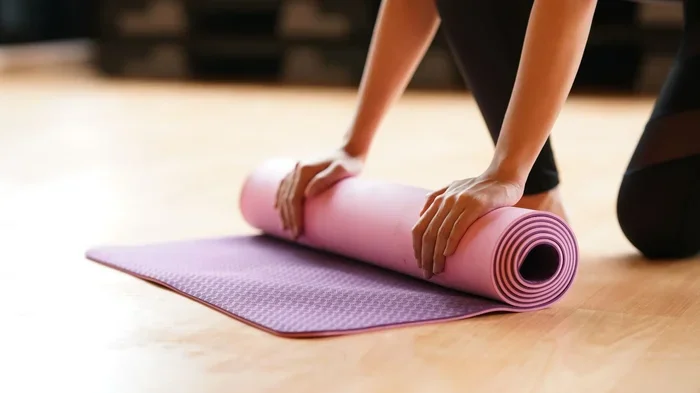
Do I Really Need a Yoga Mat 2? — The answer depends on your workout type, surface, and personal comfort. A good yoga mat provides cushioning, grip, and joint protection. You might skip it for standing exercises, but it becomes essential for floor work. Let us break down when a mat truly matters and when you can go without one.
So, do you really need a yoga mat? It sounds like a simple question. But the answer is not a simple yes or no. A yoga mat serves many purposes. It cushions your joints. It gives you grip. It marks your personal space. But do you actually need one for every workout? That depends on what you are doing, where you are doing it, and what feels right for your body.
This guide dives deep into the world of exercise mats. We will look at when a mat helps and when you can skip it. We will explore thickness, grip, and material. We will also cover alternatives if you do not own a mat. By the end, you will know exactly whether a mat belongs in your fitness routine.
Let us be honest. The fitness world loves gear. New shoes, new bands, new mats. But not every piece of equipment is essential. Some tools make life better. Others are just nice to have. A fitness mat falls somewhere in that middle ground. It is not a must-have for everyone. But for many people, it makes a real difference.
Key Takeaways
- A yoga mat is not always required: Standing exercises and cardio may not need one at all.
- Floor work benefits greatly from a mat: Poses, stretches, and core exercises need cushioning for comfort and safety.
- Mat thickness matters: Thicker mats offer more comfort but less stability, while thinner mats give better grounding.
- Grip and traction prevent injuries: A non-slip surface keeps you safe during sweaty or dynamic sessions.
- Alternatives exist: Towels, carpets, and grass can work in a pinch if you do not have a mat handy.
- Your workout style decides everything: Yoga, pilates, and stretching demand a mat more than strength training on a hard floor.
📑 Table of Contents
What Does a Yoga Mat Actually Do?
A yoga mat does more than just look nice in a workout video. It serves real, practical purposes. Understanding these functions helps you decide if you need one. Let us break down the core benefits of using a workout mat.
Cushioning and Joint Protection
Your knees, elbows, wrists, and spine take a beating during floor exercises. A hard wooden floor feels great for standing work. But it is tough on your joints when you lie down. A mat adds a layer of padding. This reduces pressure on sensitive areas. It also helps with joint protection during repeated movements.
If you do a lot of stretching or pilates, cushioning matters a lot. Even a few millimeters of padding can change your comfort level. This is especially true for people with knee or back issues.
Grip and Traction
Sweaty hands and feet sliding on a smooth floor is no joke. A good mat provides traction. It keeps your hands and feet in place. This matters a lot during balancing poses or dynamic movements. Without grip, you risk slipping and injuring yourself.
The surface texture of a mat plays a big role here. Some mats are sticky. Others rely on texture for grip. Either way, the goal is the same: keep you stable and safe.
Hygiene and Personal Space
A mat creates a clean barrier between you and the floor. Gym floors can carry bacteria, sweat, and dirt. A personal mat keeps your skin away from shared surfaces. It also signals your personal space in group classes. This is a small thing that makes a big difference in how comfortable you feel.
When You Might Not Need a Yoga Mat
Here is the part most people skip. You do not always need a mat. In fact, there are plenty of situations where a mat adds nothing. Let us look at when going mat-free makes perfect sense.
Standing Exercises and Cardio
If your workout stays on your feet, a mat is not necessary. Standing squats, lunges, and cardio drills work great on any surface. A mat would just get in the way. The same goes for jumping exercises. A thick mat under your feet would be unstable and unsafe.
Even many strength training exercises do not need a mat. Think about dumbbell rows, standing presses, or bicep curls. Your feet stay planted. Your body stays upright. No mat needed.
Using a Different Surface
Sometimes you have a surface that works just as well as a mat. A thick carpet provides cushioning. A grassy outdoor area is soft and natural. A towel on a hard floor can work in a pinch. These alternatives are not perfect. But they get the job done when you do not have a mat.
Just be careful with carpets. They can bunch up under your feet. And grass can have hidden rocks or moisture. Always check your surface before you start.
Benefits of Using a Yoga Mat for Your Workouts
When you do need a mat, the benefits are hard to ignore. A proper mat transforms your workout experience. Here is why many people swear by them.
Better Alignment and Balance
A flat, stable surface helps you align your body correctly. When you can feel the ground beneath you, balance improves. This is crucial for standing poses and single-leg exercises. A mat gives you a consistent, reliable surface to work on.
For beginners especially, this sense of grounding builds confidence. You know exactly where your body is in space. That awareness helps you progress faster and safer.
Comfort for Floor Work
Floor exercises are where a mat truly shines. Poses like downward dog, cobra, and child’s pose require time on the ground. Without a mat, your wrists and elbows ache. Your spine feels the hard floor beneath you. A mat makes these poses comfortable enough to hold longer and breathe deeper.
Even simple stretching benefits from a mat. Lying on your back for hamstring stretches feels completely different on a mat versus bare floor. The comfort difference is real and immediate.
Warmth and Insulation
This one surprises people. A mat insulates your body from cold floors. In winter or in rooms with hard surfaces, the floor can drain heat from your body. A mat keeps you warmer. This helps your muscles stay loose and flexible. It also makes your practice more enjoyable overall.
How to Choose the Right Mat for Your Needs
If you decide you do need a mat, choosing the right one matters. Not all mats are created equal. Let us walk through what to look for.
Thickness: Finding Your Sweet Spot
Mat thickness is the first thing most people consider. Thicker mats feel more comfortable. But they can feel unstable for balance work. Thinner mats give better ground feedback. But they offer less cushioning.
A standard thickness of about 6mm works for most people. If you have sensitive joints, consider a thicker option. For a detailed guide on choosing the right thickness, check out how thick of a yoga mat do I need. And if you want to understand what the ideal thickness is for your body type, this guide on the best thickness for a yoga mat has great insights.
Material Matters
Mats come in many materials. PVC is affordable and durable. TPE is eco-friendly and lightweight. Rubber offers great grip but can be heavy. Cork is natural and antimicrobial but costs more.
Your choice depends on your priorities. Want something cheap and sturdy? Go PVC. Care about the environment? Look at TPE or natural rubber. Need maximum grip? Rubber is your best bet.
Size and Portability
A standard mat is about 68 inches long and 24 inches wide. This fits most body types. Taller people may need a longer mat. If you travel often, consider a lightweight or travel-sized mat. For guidance on sizing, the article how big of a yoga mat do I need covers this well.
| Mat Type | Thickness | Best For | Portability |
|---|---|---|---|
| PVC Standard | 6mm | General use, beginners | Moderate |
| Thick Cushioned | 8-10mm | Joint support, comfort | Heavy |
| Travel Foldable | 3-5mm | On-the-go, quick sessions | Very Light |
| Natural Rubber | 5-7mm | Grip, eco-conscious users | Moderate |
Common Mistakes People Make with Yoga Mats
Even people who own a mat sometimes use it wrong. These mistakes can reduce your comfort or even cause injury. Let us avoid them.
Skipping the Mat for Floor Work
The biggest mistake? Doing floor exercises without any mat. Your wrists and spine will thank you for adding padding. Even a folded towel is better than nothing. If you are unsure whether your workout needs a mat, search do I need a yoga mat to do yoga for detailed guidance on when a mat becomes essential.
Buying the Wrong Thickness
Too thick and you lose stability. Too thin and you lose comfort. Most people should stick to a medium thickness. Test different options if you can. Your body will tell you what feels right.
Ignoring Grip When Sweaty
A mat that feels great dry can become slippery when wet. If you sweat a lot, choose a mat with a textured or sticky surface. Some mats even come with a damp-resistant coating. This small detail makes a huge difference during intense sessions.
Not Cleaning Your Mat
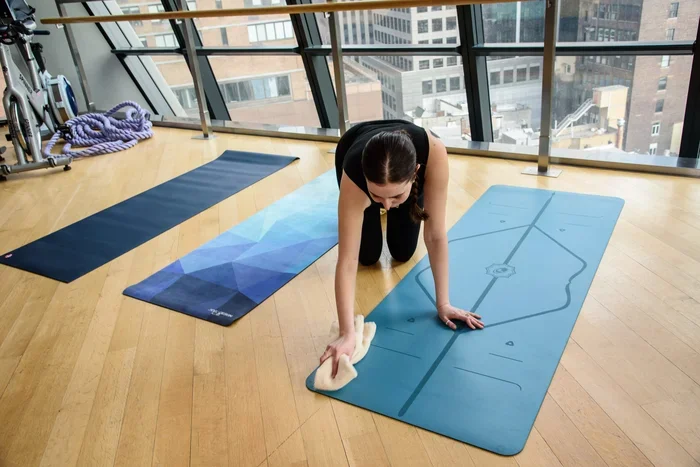
Sweat, dirt, and bacteria build up on mats fast. Wipe yours down after every use. Use a mat cleaner or a mix of water and mild soap. A clean mat lasts longer and smells better. It also keeps your skin healthy.
Quick Tips for Getting the Most from Your Mat
- Roll it up with the top facing out. This prevents creasing and keeps the surface flat.
- Store it in a cool, dry place. Heat and sunlight break down mat materials over time.
- Replace it when it wears thin. A mat that has lost its cushioning no longer protects your joints.
- Use a mat towel for hot workouts. It absorbs sweat and adds extra grip.
- Try different mats before buying. Many gyms let you test their mats. Use this to find your preference.
Final Verdict: Do You Really Need a Yoga Mat?
Here is the honest answer. You do not need a yoga mat for every workout. Standing exercises, cardio, and most strength training work fine without one. But if your routine includes floor work, stretching, or balancing poses, a mat is a smart investment.
A good mat protects your joints. It gives you grip and stability. It keeps you comfortable during longer sessions. It also adds a sense of ritual and focus to your practice. These benefits add up over time.
If you are just starting out, try a basic mat first. You do not need to spend a fortune. See how often you actually use it. If your workouts stay mostly standing, you might find you do just fine without one. But if you enjoy floor exercises, a mat will quickly become your most-used piece of gear.
The bottom line is simple. Listen to your body. Try both with and without a mat. See what feels better. The right choice is the one that supports your comfort, safety, and progress.
Remember, fitness is personal. What works for someone else might not work for you. And that is perfectly fine. The best equipment is the one that fits your body, your routine, and your goals.
Frequently Asked Questions
Can I use a towel instead of a yoga mat?
Yes, a towel can work in a pinch. A thick bath towel provides some cushioning for floor exercises. However, towels lack the grip and stability of a proper mat. They can also slide on smooth floors. Use a towel for light stretching, but invest in a real mat for regular practice.
How often should I replace my yoga mat?
Most mats last between one and three years with regular use. Signs you need a new mat include thinning padding, visible wear, and loss of grip. If your mat starts cracking or peeling, replace it right away. A worn-out mat no longer protects your joints properly.
Do I need a yoga mat for pilates?
Yes, pilates involves a lot of floor work and spinal articulation. A mat provides the cushioning and support your body needs during pilates exercises. The surface should be firm enough for stability but padded enough for comfort. Many pilates instructors require students to bring their own mat to class.
What is the best yoga mat for beginners?
A standard 6mm thick PVC mat is a great starting point for beginners. It offers a balance of comfort, grip, and affordability. You do not need an expensive mat to get started. Focus on finding one that feels stable under your feet and comfortable on your joints.
Can I do yoga without a mat on carpet?
Yes, carpet can serve as a natural substitute for a yoga mat. The fibers provide cushioning and grip for most poses. However, carpet can also bunch up or contain allergens. If you practice on carpet regularly, consider a thin travel mat for a cleaner, more consistent surface.
Does mat thickness affect my balance during standing poses?
Yes, thicker mats can reduce your stability during standing poses. A mat over 8mm thick may feel squishy and unsteady. For balance work, a thinner mat between 3mm and 6mm is usually better. It keeps you grounded while still offering some cushioning for seated or lying poses.
=== CONCLUSION ===
So, do you really need a yoga mat? The answer is: it depends on your workout. For floor exercises, stretching, and pilates, a mat is highly recommended. For standing cardio and strength work, you might not need one at all. The beauty of fitness is that you get to choose what works for you.
A yoga mat is a simple tool. It does not need to be expensive or fancy. It just needs to support your body and keep you safe. Start with a basic mat if you are unsure. See how it fits into your routine. Adjust from there based on your experience and comfort.
Whatever you decide, the most important thing is that you show up and move your body. A mat can help with that. But your commitment and consistency matter far more than any piece of equipment. Find what works, stick with it, and enjoy the journey.