Do You Really Need a Yoga Mat 2
Not everyone needs a yoga mat, but most people benefit from one. A yoga mat provides cushioning, grip, and hygiene during floor exercises. Whether you do yoga, pilates, or bodyweight workouts, the right mat can make a huge difference in comfort and safety.
Do you really need a yoga mat? This is a question many beginners ask when they start exploring floor exercises. The short answer is no, you do not absolutely need one. But the longer answer is much more interesting.
A yoga mat can change your entire practice. It gives you grip, comfort, and a personal space to focus. Without one, you might slip during a balance pose or feel sore afterward. In this guide, we will look at why people use mats, when you can skip one, and how to choose the right mat if you decide to buy.
Whether you are new to fitness or a seasoned practitioner, understanding the role of a mat helps you make smarter choices. Let us dive in and explore everything you need to know about this simple but important fitness tool.
Key Takeaways
- Yoga mats are not mandatory: You can practice on carpet, grass, or a towel in many cases.
- A mat offers joint protection: It cushions your knees, wrists, and spine during hard floor poses.
- Grip and traction matter: A good mat prevents slipping, which is crucial for balance poses.
- Alternatives exist: Towels, carpets, and grass can work if you do not want to buy a mat.
- Size and thickness vary: Pick a mat based on your height, practice style, and comfort needs.
- Hygiene is a factor: A personal mat keeps you away from shared studio germs.
- Investment pays off: A quality mat lasts years and enhances your overall workout experience.
📑 Table of Contents
What Does a Yoga Mat Actually Do?
A yoga mat does more than just mark your spot on the floor. It serves several practical purposes that can improve your workout. Let us look at the main functions of a mat.
Cushioning and Joint Protection
Hard floors are tough on your body. Your knees, wrists, and spine take a lot of impact during floor poses. A mat adds a layer of cushioning that protects your joints. This is especially important for people with knee or back issues.
Without a mat, doing push-ups or planks on a bare floor can cause pain over time. The mat absorbs shock and spreads pressure evenly. This lets you focus on your form instead of discomfort.
Grip and Traction
Sweaty hands on a smooth floor can lead to slips. A good mat provides traction that keeps you stable. This is critical during balance poses like tree pose or warrior III.
Many mats have a textured surface that grips your skin and shoes. This non-slip surface gives you confidence to try harder poses. You will feel safer and more stable throughout your session.
Hygiene and Personal Space
Using a personal mat keeps you away from shared studio floors. Studio mats can harbor bacteria and sweat from previous users. Having your own mat is a simple way to practice good hygiene.
A mat also defines your personal space. This mental boundary helps you focus and get into the right mindset. It signals to your brain that it is time to work out.
Who Really Needs a Yoga Mat?
Not everyone needs a mat for every type of exercise. Your need depends on what you do, where you do it, and your personal preferences. Let us break this down by practice type.
Yoga Practitioners
If you practice yoga regularly, a mat is highly recommended. Many yoga poses require balance and stability that a mat provides. The Do You Need A Yoga Mat To Do Yoga question comes up often, and the answer depends on your style.
Gentle yoga styles like restorative or chair yoga may not require a mat. But dynamic styles like vinyasa or ashtanga almost always do. The rapid movements and sweat make a mat essential for safety.
Pilates and Barre Classes
Pilates focuses on core strength and controlled movements. A mat gives you the support needed for exercises like the hundred or rolling like a ball. Similarly, barre classes involve a lot of floor work and standing balances.
If you are joining a studio class, they usually provide mats. But having your own mat ensures a better fit and cleaner surface. Check out our guide on Do You Need A Yoga Mat For Barre Class for more details.
Home Workout Enthusiasts
People who do bodyweight exercises at home often use a mat. Push-ups, crunches, and stretching feel much better on a padded surface. A mat also protects your flooring from scratches and sweat damage.
If your home gym has hard floors, a mat is almost a must. It adds comfort and prevents slipping during high-intensity workouts. Think of it as a small investment that protects both your body and your floor.
Travelers and Outdoor Exercisers
Do you exercise outdoors or travel frequently? A portable mat can be a game changer. You can practice yoga on the beach, in a park, or in a hotel room. Travel-friendly mats are lightweight and easy to carry.
Outdoor surfaces like grass or sand are soft but uneven. A mat gives you a flat, stable base. It also keeps you clean and protected from insects or debris on the ground.
When Can You Skip a Yoga Mat?
There are plenty of situations where a mat is not necessary. Understanding these helps you decide if you truly need one right now.
On Carpeted Floors
If you exercise on a thick carpet, you may not need a mat. Carpet provides natural cushioning that mimics a yoga mat. It also offers decent grip for most floor exercises.
However, thin carpets may not be enough. They can shift during movement and cause instability. Test your carpet first and see if it feels secure under your feet.
Using a Towel or Blanket
A folded towel or blanket can work in a pinch. It provides some cushioning and absorbs sweat. Many people use a towel during hot yoga sessions instead of a full mat.
The downside is that towels can slide on smooth floors. They do not offer the same grip as a proper mat. But for gentle stretching or quick sessions, a towel works fine.
Standing and Seated Exercises
If your workout involves mostly standing poses or seated exercises, a mat may not be needed. Exercises like standing warrior poses, lunges, or chair yoga do not require floor contact.
In these cases, a mat is optional. You can always use one if you want extra comfort, but it is not essential. Focus on what your body actually needs during each session.
How to Choose the Right Yoga Mat
If you decide to buy a mat, choosing the right one matters. Not all mats are the same. Here is what to look for when making your selection.
Thickness Matters
Mat thickness affects both comfort and stability. Thicker mats, around 6mm or more, offer more cushioning. They are great for people with sensitive joints or knee problems.
Thinner mats, around 3mm to 5mm, provide better stability. They keep you closer to the ground, which helps with balance poses. The ideal thickness depends on your practice style and body needs.
Size and Length
Standard mats are about 68 inches long. If you are taller than 5 feet 8 inches, you may want a longer mat. A mat that is too short can leave your feet hanging off the edge.
Width is another consideration. Most mats are about 24 inches wide. Extra-wide mats give you more room for side-lying poses. Check out our guide on How Big Of A Yoga Mat Do I Need to find the right size for your body.
Material and Eco-Friendliness
Yoga mats come in many materials. PVC mats are affordable and durable. TPE mats are eco-friendly and lightweight. Rubber mats offer excellent grip but can be heavy.
Consider your values when choosing a material. If sustainability matters to you, look for natural rubber or cork options. If budget is a concern, PVC mats offer the best value for money.
Texture and Grip
The surface texture of a mat affects how it feels under your hands and feet. Some mats have a smooth surface, while others are heavily textured.
Textured mats offer better grip but may feel rough on your skin. Smooth mats are gentler but can be slippery when wet. Try different textures to see what works best for your practice.
Common Mistakes People Make with Yoga Mats
Even experienced practitioners make mistakes with their mats. Avoid these common errors to get the most out of your mat.
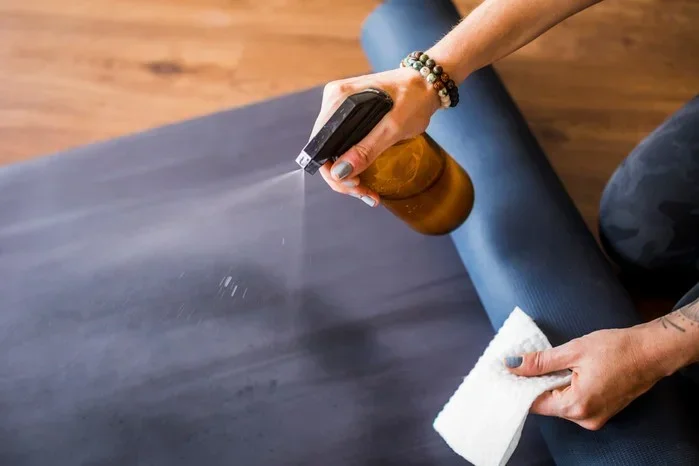
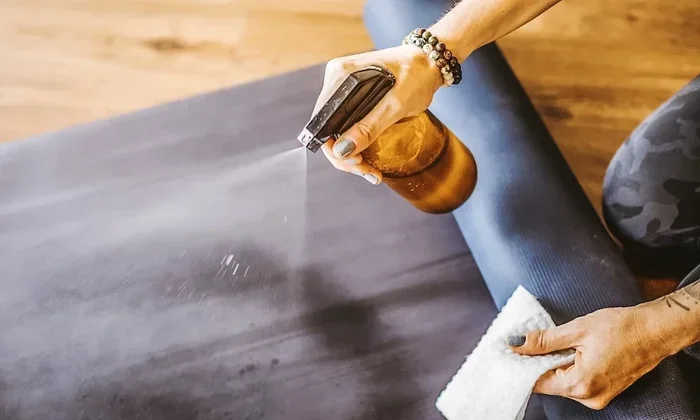
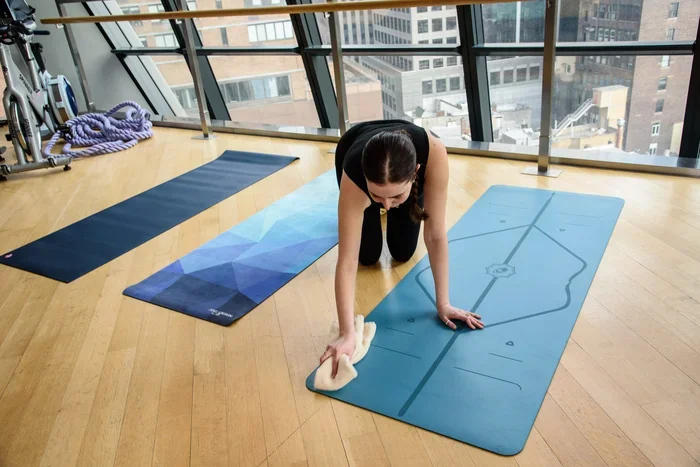
- Skipping mat cleaning: Sweat and bacteria build up fast. Clean your mat regularly with a gentle cleaner. Never use harsh chemicals like Lysol wipes that can damage the material.
- Choosing the wrong thickness: A mat that is too thick can destabilize you during balance poses. Pick thickness based on your needs, not just comfort.
- Ignoring mat lifespan: Mats wear out over time. Replace your mat when it becomes thin, cracked, or slippery. A worn-out mat defeats the purpose of using one.
- Storing mats improperly: Rolling your mat too tightly can cause creases. Store it flat or loosely rolled to maintain its shape and longevity.
- Buying based on price alone: The cheapest mat may not give you the grip or cushioning you need. Invest in quality for a better practice experience.
Expert Tips for Getting the Most from Your Mat
Want to level up your mat game? Here are some expert tips that make a real difference.
- Break in your new mat. New mats can be slippery at first. Use them a few times before expecting perfect grip. Some people sprinkle salt on a new mat and wipe it off to improve texture.
- Use a mat towel for hot sessions. A microfiber towel placed over your mat absorbs sweat and improves grip. This is a game changer for hot yoga or intense workouts.
- Align your body on the mat. Use the top edge of the mat as a reference point. This helps you stay centered and balanced during poses.
- Rotate your mat regularly. Flipping your mat occasionally ensures even wear. It extends the life of your mat and keeps the surface consistent.
- Invest in a carrying strap. A strap makes it easy to carry your mat to class or the park. It also keeps the mat rolled tightly for transport.
The bottom line is that a yoga mat is a helpful tool for most people. It is not strictly necessary for everyone, but it does enhance comfort, safety, and hygiene. If you practice regularly or have sensitive joints, a mat is a smart investment. For occasional or gentle exercise, alternatives like a towel or carpet may work just fine.
Think about your practice, your floor surface, and your personal needs. The right mat supports your body and helps you focus on what matters most, your health and well-being. Start with a basic mat if you are unsure, and upgrade later as you learn what works for you.
Remember, the best mat is the one you will actually use. Do not overthink the decision. Pick something that fits your body, your budget, and your style. Your practice will thank you for it.
Frequently Asked Questions
Can I do yoga without a mat on a hardwood floor?
Yes, you can do gentle yoga on hardwood without a mat. However, a mat provides better grip and cushioning for your joints. If you do dynamic flows or balance poses, a mat is strongly recommended to prevent slipping.
How often should I clean my yoga mat?
You should clean your yoga mat at least once a week if you use it regularly. For hot yoga or intense sessions, clean it after every use. Use a gentle yoga mat cleaner or a mix of water and mild soap to keep it fresh and hygienic.
What is the best yoga mat for beginners?
A standard 5mm thick TPE or PVC mat is great for beginners. It offers a good balance of cushioning and stability. Look for a mat with a textured, non-slip surface that fits your budget and practice style.
Can I use a yoga mat for other exercises like pilates or stretching?
Absolutely. A yoga mat works well for pilates, stretching, bodyweight exercises, and even floor-based strength training. The cushioning and grip make it a versatile tool for many types of workouts beyond just yoga.
Do I need a thick or thin yoga mat for joint pain?
If you have joint pain, a thicker mat (6mm or more) provides better cushioning. However, thick mats can reduce stability for balance poses. Consider a medium-thick mat with extra padding in key areas like the knees and wrists.
Can I bring my yoga mat on a plane?
Yes, you can bring a yoga mat on a plane as carry-on luggage. Most mats are lightweight and fit in an overhead bin or under the seat. Check with your airline for size restrictions and consider a travel mat for easier transport.
=== CONCLUSION ===
So do you really need a yoga mat 2 or any yoga mat? The answer depends on your practice, your goals, and your circumstances. A mat is not mandatory for everyone, but it offers real benefits that can transform your workout experience.
From joint protection to better grip, a quality mat supports your body in meaningful ways. If you practice yoga, pilates, or floor exercises regularly, investing in a mat is a smart move. If you exercise occasionally on soft surfaces, you may be fine without one.
The key is to listen to your body and choose what works for you. Start simple, upgrade when needed, and enjoy the journey. Your practice is yours, and the right mat helps you get the most out of every session.