How Many Yoga Mats Do You Need 2
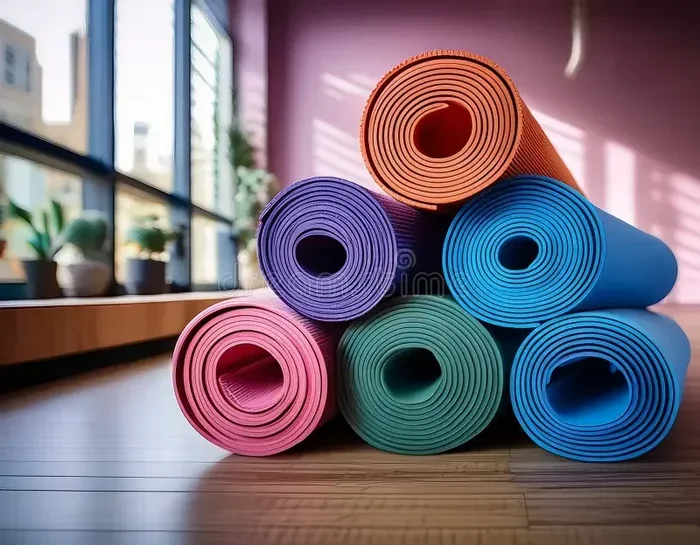
Most people only need one yoga mat, but your ideal number depends on your practice style, home setup, and how often you exercise. Whether you are a beginner setting up a home studio or a fitness enthusiast juggling multiple routines, choosing the right number of mats saves space, money, and frustration. This guide breaks down every scenario so you can make a confident decision.
This is a comprehensive guide about How Many Yoga Mats Do You Need 2.
Key Takeaways
- One mat is enough for most people: A single high-quality mat handles daily yoga, stretching, and bodyweight exercises.
- Multiple mats make sense in specific cases: Hot yoga, partner workouts, or shared household spaces may justify owning two or more.
- Mat size matters more than quantity: Choosing the right mat thickness and dimensions often solves the problem of needing extra mats.
- Material affects durability and care: PVC, TPE, and rubber mats each have different maintenance needs that influence how many you should own.
- Proper storage and cleaning extend mat life: Simple habits like rolling correctly and washing your mat regularly reduce the need for replacements.
- Consider your space before buying: If room is limited, one versatile mat is always the smarter choice.
[FEATURED_IMAGE_PLACEHOLDER]
How Many Yoga Mats Do You Really Need?
Let us start with the simplest answer. For most people, one yoga mat is all you need. Whether you practice yoga every morning or do a quick stretching routine before bed, a single mat covers your daily needs. But the real question is more nuanced than that.
Your answer changes depending on several factors. Do you share a workout space with family members? Do you practice hot yoga where sweat makes a mat slippery? Are you building a home gym with multiple exercise stations? These questions shape your final number.
The good news is that this guide walks you through every scenario. By the end, you will know exactly how many mats to buy, what type to choose, and how to get the most out of each one. No guesswork. No wasted money.
We will also cover practical tips like mat thickness, material choices, and storage solutions. These details make a big difference in your daily practice. So let us dive in and break everything down.
Why One Yoga Mat Works for Most People
A single quality mat handles the vast majority of workout routines. You use it for yoga, pilates, stretching, and even floor exercises like crunches or push-ups. One mat keeps things simple and clutter-free.
Here is why one mat covers most needs:
- Cost-effective: Buying one good mat saves money compared to purchasing multiple cheaper options.
- Space-saving: A single mat rolls up and stores easily in a closet or under a bed.
- Consistent practice: Using the same mat builds familiarity and comfort over time.
- Easy maintenance: Cleaning one mat regularly takes only a few minutes.
Most standard mats measure around 68 to 72 inches long and 24 inches wide. This fits the average person comfortably. If you are taller, you might want to look into a longer mat. Check out our guide on how long of a yoga mat do I need for the perfect fit.
Thickness also plays a role. Standard mats are about 3 to 5 millimeters thick. Thicker mats offer more cushioning for knees and joints. Thinner mats give better ground feel for balance poses. Most people find that a 4 to 5 millimeter mat hits the sweet spot.
When One Mat Is Not Enough
There are clear situations where owning more than one mat makes sense. Let us look at the most common ones.
Hot yoga and intense sweating: Hot yoga sessions produce a lot of sweat. A dedicated hot yoga mat with better grip handles moisture far better than a standard mat. Using a separate mat for hot sessions keeps your regular mat from breaking down quickly. Over time, sweat damages the surface of most mats, so having a second one extends the life of your gear.
Shared household spaces: If multiple people in your home use the mat, having a second one prevents constant washing. Nobody wants to unroll a damp mat. A spare mat also means one is always ready for use while the other dries after cleaning.
Partner or group workouts: Some yoga styles involve partner poses or small group sessions. Each person needs their own mat for hygiene and comfort. In these cases, two or more mats become a practical necessity.
Travel and gym use: Many people keep one mat at home and a lightweight travel mat for the gym or yoga studio. Travel mats are thinner and fold up small. They are not as comfortable for long sessions but work perfectly for on-the-go practice.
Factors That Determine How Many Mats You Need
Several key factors influence your final decision. Let us walk through each one so you can assess your personal situation.
Your Practice Frequency
If you practice yoga five to seven days a week, one high-quality mat will serve you well. Daily use does wear down a mat over time, but a good one lasts one to three years with proper care. Practicing less frequently, like two to three times a week, puts even less stress on your equipment.
For those who practice multiple times per day or alternate between yoga and other floor exercises, a second mat can be helpful. It gives you a fresh surface and reduces wear on any single mat.
Available Space at Home
Space is often the biggest limiting factor. A small apartment or bedroom does not leave much room for extra gear. In tight spaces, one mat is the practical choice. You can store it vertically in a corner or slide it behind a couch.
If you have a dedicated workout room or a spacious garage, you have more flexibility. Two or even three mats become manageable without creating clutter. The key is to match your mat collection to your actual available space.
Your Yoga Style and Goals
Different styles of yoga place different demands on your mat. Gentle yoga and restorative sessions put very little stress on the surface. Power yoga, vinyasa flow, and hot yoga demand more grip and durability.
If you focus on balance and alignment, a thinner mat with good traction works best. If cushioning is your priority, a thicker mat reduces pressure on joints. Your goals directly influence the type and number of mats you should own.
Budget Considerations
Quality yoga mats range from $20 to over $100. A decent mid-range mat costs around $40 to $60. Buying one good mat is far better than buying three cheap ones that wear out quickly.
Set a realistic budget first. Then decide how many mats fit within that range. Remember that the best value comes from one durable mat rather than multiple low-quality options. You can always add a second mat later as your practice grows.
Types of Yoga Mats and How They Affect Your Choice
The type of mat you choose affects both performance and longevity. Understanding the options helps you pick the right one, whether you need one or two.
PVC Mats
PVC mats are the most common and affordable option. They offer solid grip, come in many colors, and last a long time with basic care. Most beginner and intermediate yogis do well with a PVC mat. These mats are easy to clean and handle daily use effectively.
TPE Mats
TPE (Thermoplastic Elastomer) mats are a popular eco-friendly alternative. They are lightweight, non-toxic, and recyclable. TPE mats feel softer underfoot and are great for people with sensitivities to PVC. They tend to be slightly less durable than PVC, so you might want a backup mat if you choose this option.
Rubber Mats
Natural rubber mats offer the best grip and cushioning available. They are heavy, durable, and perfect for hot yoga and intense workouts. The downside is that rubber can have a strong smell at first and may not be suitable for people with latex allergies. These mats last for years, making them a solid single-mat choice.
Cork Mats
Cork mats are a newer option that combines natural materials with excellent antimicrobial properties. They resist bacteria and odor better than most other materials. Cork mats are medium-weight and offer a unique feel underfoot. They are a premium choice that works well as your only mat.
How to Care for Your Yoga Mat to Make It Last
Proper care is the single best way to ensure your mat lasts as long as possible. A well-maintained mat can serve you for years, reducing the need to buy replacements.
Cleaning Your Mat Regularly
Wipe your mat down after every few uses with a gentle cleaner. You can use a store-bought mat spray or make your own with water and a few drops of tea tree oil. Avoid harsh chemicals that can break down the material.
Some mats are machine washable, but most are not. If you need to deep clean your mat, check our article on can you wash yoga mats in the washing machine to learn the safest methods. Hand washing with mild soap and air drying is the safest approach for most mats.
Storing Your Mat Correctly
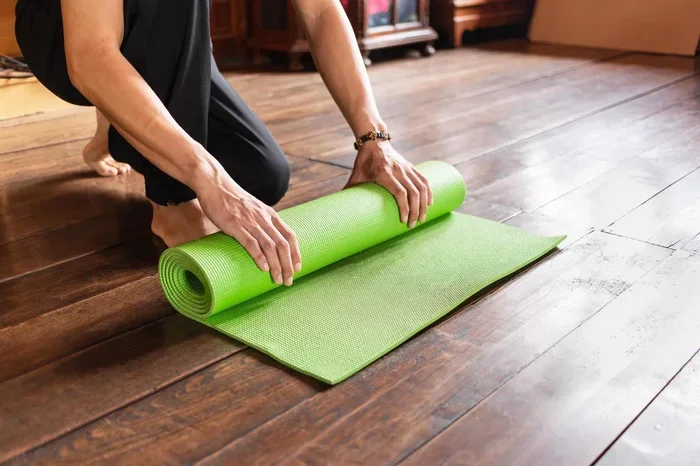
How you store your mat matters more than most people realize. Never fold a yoga mat with sharp creases. Folding creates permanent damage to the surface and reduces grip. Instead, roll the mat loosely with the top side facing outward.
Store your mat in a cool, dry place away from direct sunlight. Heat and UV rays degrade mat materials over time. A mat bag or strap keeps things organized and protects the surface during storage.
Dealing with Slipping and Wear
Over time, even the best mats lose their grip. Sweat, oils, and regular use wear down the surface. If your mat starts to feel slippery, try cleaning it with a coarse salt and water solution. This restores texture naturally.
If slipping persists despite cleaning, it may be time to replace the mat. Using a worn-out mat increases the risk of slips and injuries. Check out our tips on how do I stop slipping on my yoga mat for practical solutions that can extend your mat’s life.
Quick Tips: How to Choose the Right Number of Mats
Still not sure how many mats you need? Here are some quick guidelines to help you decide.
- Assess your practice frequency. Daily practice? One quality mat is plenty. Multiple sessions per day? Consider two.
- Measure your available space. Small room? One mat. Dedicated workout area? You have room for two.
- Identify your yoga style. Gentle or hot yoga? This determines whether you need a specialized second mat.
- Check your budget. Invest in one great mat first. Add a second only if your budget allows.
- Think about sharing. If others use your mat, a second one keeps things hygienic and convenient.
- Consider a travel mat. A lightweight travel mat is a great second option for gym sessions or trips.
Common Mistakes People Make When Buying Yoga Mats
Avoid these common pitfalls to save time, money, and frustration.
- Buying too many mats at once: Most people overestimate how many they need. Start with one and reassess after a month of use.
- Choosing price over quality: A cheap mat wears out fast and may contain harmful chemicals. Spending a bit more upfront saves money in the long run.
- Ignoring mat size: A mat that is too short or too narrow ruins your comfort. Make sure the dimensions match your body before buying.
- Skipping the break-in period: New mats often feel slippery at first. Give your mat 5 to 10 sessions to break in before judging its performance.
- Neglecting regular cleaning: Skipping cleaning leads to odor, bacteria buildup, and faster wear. A quick wipe after each session goes a long way.
Expert Insights: What Yoga Instructors Recommend
We asked several yoga instructors about their mat recommendations. Here is what they had to say.
Most instructors suggest starting with one high-quality mat. The focus should be on finding the right thickness, material, and size for your body and practice style. Once you are comfortable with your setup, you can always add a second mat later.
Instructors who teach hot yoga often recommend owning two mats. One for practice and one that is always clean and ready. This ensures a hygienic surface every time and prevents the quick degradation that sweat causes on a single mat.
For beginners, the advice is simple. Do not overthink it. Pick a well-reviewed mat, use it consistently, and learn what works for your body. The number of mats matters far less than the quality of your practice.
Final Thoughts
So how many yoga mats do you actually need? For the vast majority of people, the answer is one. A single quality mat supports daily yoga, stretching, and floor exercises with ease. It keeps your routine simple, your space clean, and your budget reasonable.
However, specific situations like hot yoga, shared spaces, partner workouts, or frequent travel may justify owning two mats. The key is to evaluate your own needs honestly rather than following generic advice. Consider your practice frequency, available space, yoga style, and budget before making a decision.
Remember that mat quality always trumps quantity. One excellent mat serves you better than two mediocre ones. Take care of your mat with regular cleaning and proper storage, and it will support your practice for years to come.
Start with one mat, learn what works for you, and grow from there. Your yoga journey is personal, and your equipment should match that perfectly. Now you have all the information you need to make the right choice with confidence.
Frequently Asked Questions
Do I really need more than one yoga mat?
Most people do not need more than one yoga mat. A single high-quality mat handles daily yoga, stretching, and floor exercises. You only need multiple mats if you practice hot yoga frequently, share your mat with others, or alternate between different workout styles.
What is the best material for a single yoga mat?
TPE and rubber mats are excellent choices for most practitioners. TPE mats are lightweight, eco-friendly, and provide good cushioning. Rubber mats offer superior grip and durability, making them ideal for intense or hot yoga sessions. Choose based on your priorities and any allergies you may have.
How often should I replace my yoga mat?
A well-cared-for yoga mat typically lasts one to three years. Signs that it is time for a replacement include persistent slipping, visible wear, permanent odors, and thinning cushioning. Regular cleaning and proper storage significantly extend your mat’s lifespan.
Can I use a yoga mat for other exercises besides yoga?
Absolutely. Yoga mats work great for pilates, stretching, floor exercises, and even light strength training. They provide cushioning and grip for a wide range of activities. If you use your mat for high-impact exercises, consider a thicker option for better joint protection.
How do I know if my yoga mat is the right size for me?
Stand on your mat barefoot. You should have at least a few inches of extra length on both ends. Most standard mats are 68 inches long, which fits people up to about 5 feet 10 inches. Taller individuals should look for 72-inch or longer mats for full coverage and comfort.
Is it worth buying a travel yoga mat?
A travel mat is worth it if you practice at the gym, attend classes, or travel frequently. Travel mats are thinner and lighter than standard mats, making them easy to carry. They are not as cushioned for long home sessions but serve as a practical second option for on-the-go use.