How Many Yoga Mats Do You Have 2
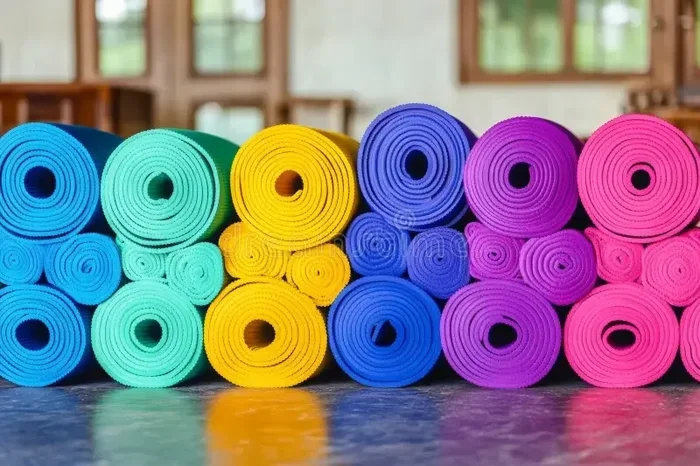
Knowing how many yoga mats you have is essential for a smooth and organized practice. Whether you train at home, in a studio, or travel often, the right number of mats can make all the difference. This guide covers everything from personal needs to shared spaces and helps you figure out your ideal setup.
Have you ever walked into a yoga class and realized you forgot your mat? Or maybe you have a growing collection of mats at home and are not sure which ones to keep? The question of how many yoga mats do you have might seem simple, but it opens up a lot of important considerations. Whether you are a casual practitioner or a dedicated yogi, the number of mats you own affects your comfort, hygiene, and overall practice experience.
In this guide, we will break down everything you need to know about yoga mat quantity. We will cover how many mats you actually need, why it matters, and how to manage your collection like a pro. By the end, you will have a clear answer to the question of how many yoga mats do you have — and whether that number is right for you.
Key Takeaways
- One mat per person is the golden rule for personal hygiene and comfort during yoga.
- Home practitioners may benefit from having a backup or travel mat on hand.
- Studio owners and teachers need to stock extra mats for clients and class sizes.
- Mat quality matters more than quantity — invest in durable, non-slip mats that last.
- Proper storage and cleaning extend the life of your yoga mats significantly.
- Travel situations may require a lightweight extra mat you can carry easily.
📑 Table of Contents
Why the Number of Yoga Mats Matters
You might think owning more mats is always better. But the truth is, the number of yoga mats you keep should match your actual needs. Too few mats can lead to hygiene issues and discomfort. Too many can create clutter and waste money on mats you never use.
Here is why the count matters:
- Hygiene: Sharing mats or using the same mat without cleaning it can lead to skin irritation and bacterial buildup.
- Comfort: A good mat provides cushioning and grip. Having the right mat for each type of practice improves your performance.
- Convenience: Knowing exactly what you have saves time and removes the stress of searching for a clean mat before practice.
- Cost efficiency: Buying the right number of mats means you spend wisely and avoid waste.
When you understand the purpose behind each mat, you can make smarter decisions about your yoga equipment collection. The goal is to have exactly what you need, no more and no less.
How Many Yoga Mats Do You Actually Need
The answer depends on your lifestyle and practice habits. Let us break it down by different scenarios so you can find your ideal number.
For Home Practitioners
If you practice yoga at home, one high-quality mat is usually enough for daily use. However, having a second mat can be very useful. A backup mat comes in handy when your primary mat is drying after cleaning or when a guest wants to join your session.
Many home yogis also like to keep a travel-sized mat for yoga retreats or outdoor sessions. So for a well-rounded home setup, two to three mats is a comfortable range.
For Yoga Teachers and Studios
Yoga teachers and studio owners need a different approach. You need enough mats for every student in a class, plus a few extras for walk-ins or forgotten mats. A good rule of thumb is to stock 10 to 20 percent more mats than your regular class size.
For example, if you teach a class of 15 students, having 17 to 18 mats available ensures everyone has a clean surface. Studios also need to factor in mat cleaning schedules, which means rotating mats in and out of use.
For Travelers
If you travel often for yoga retreats or classes, a portable travel mat is a must. Some travelers carry their own mat to ensure hygiene, since studio mats are not always cleaned between uses. In this case, you might own one travel mat plus your home mat, bringing your total to two.
For those who practice yoga during business trips or outdoor adventures, a lightweight foldable mat adds great value without taking up much space.
Factors That Determine How Many Yoga Mats You Should Have
Several factors influence the ideal number of mats for your situation. Let us look at the key considerations.
Your Practice Frequency
If you practice yoga every day, you will go through mats faster than someone who practices once a week. Daily use means more sweat, more wear, and more need for cleaning. In this case, having at least two mats lets you rotate them while one dries and airs out.
On the other hand, if you practice once or twice a week, a single mat should be fine. You will have plenty of time to clean and dry it between sessions.
The Type of Yoga You Practice
Different styles of yoga put different demands on your mat. Hot yoga, for instance, involves a lot of sweating. You will need a mat that dries quickly and resists bacteria. Vinyasa flow and power yoga require excellent grip, especially during standing poses.
If you practice multiple styles, you might benefit from having specialized mats for different needs. A thicker mat works well for restorative yoga, while a thinner, grippier mat suits dynamic styles. This could push your total mat count higher.
Shared Spaces and Family Use
Do you practice with a partner or with children? Families and couples who share a yoga space need more mats. Each person should have their own mat for hygiene and personal comfort. A family of four who practices together might need four or more mats.
Similarly, if you attend group classes at a studio, having your own mat ensures you always have a clean surface ready. This is especially important in the post-pandemic era when mat hygiene has become a top priority for many practitioners.
Best Practices for Managing Multiple Yoga Mats
Once you know how many mats you need, the next step is managing them properly. Good mat management saves money, keeps your practice hygienic, and extends the life of your gear.
Cleaning and Maintenance
Regular cleaning is the most important part of mat care. You should clean your mat at least once a week if you use it frequently. Use a gentle yoga mat spray or a mixture of water and mild soap. Never soak your mat or put it in a washing machine unless the manufacturer specifically says it is safe.
After cleaning, hang your mat over a shower rod or clothesline to air dry completely before rolling it up. Storing a damp mat leads to mold and unpleasant odors. If you own multiple mats, stagger your cleaning schedule so you always have a dry mat ready.
Proper Storage
How you store your mats matters just as much as how you clean them. Rolling mats loosely instead of folding them prevents cracking and damage to the material. Use a mat strap or bag to keep them organized.
Store mats in a cool, dry place away from direct sunlight. UV rays can break down the material over time, causing it to become brittle and less grippy. A closet or a yoga mat rack works great for home storage.
When to Replace Your Mats
Even with the best care, yoga mats wear out over time. Signs that you need a replacement include visible thinning, loss of grip, persistent odors even after cleaning, and cracks or peeling on the surface. As a general rule, a quality yoga mat lasts between one and three years with regular use.
Replacing mats on a rotating schedule ensures you always have a reliable surface for your practice. If you have three mats and replace one each year, you maintain a steady supply of clean, functional mats.
Common Mistakes People Make With Yoga Mats
Even experienced yogis make mistakes when it comes to managing their mats. Here are the most common ones to avoid.
Owning Too Many Mats
It is easy to accumulate mats over time, especially with sales and new styles tempting you. But owning more mats than you need leads to clutter and wasted money. Stick to the number that fits your actual practice routine.
Neglecting Mat Hygiene
Many people use the same mat for weeks without cleaning it. This creates a breeding ground for bacteria and fungi. Make cleaning a non-negotiable part of your yoga routine, no matter how many mats you own.
Using the Wrong Mat for the Activity
Not all mats are created equal. Using a thin mat for hot yoga or a non-slip mat for gentle stretching can lead to discomfort and even injury. Match your mat to the activity for the best results.
Ignoring Mat Thickness and Size
The thickness and size of your mat affect your comfort and stability. If you are tall, a standard mat might not be long enough. If you have sensitive knees, a thicker mat provides better cushioning. Always check mat specifications before purchasing to make sure they fit your body and practice style.
Final Thoughts
The answer to how many yoga mats do you have is not a one-size-fits-all number. It depends on your practice frequency, style, environment, and personal preferences. For most people, owning two to three mats strikes the perfect balance between convenience, hygiene, and cost.
Take a moment to assess your current situation. Count your mats, evaluate their condition, and think about what you actually need going forward. Whether you are a solo home practitioner, a yoga teacher, or a frequent traveler, the right number of mats will elevate your practice and keep you comfortable every time you step onto the mat.
Invest in quality over quantity. Choose mats that suit your body, your style, and your lifestyle. With the right setup, your yoga practice will feel cleaner, more organized, and more enjoyable every single day.
Frequently Asked Questions
Is it okay to share yoga mats with others?
Sharing yoga mats is not ideal from a hygiene standpoint. Sweat, skin cells, and bacteria can transfer between users. If you must share, make sure the mat is cleaned thoroughly before and after use. Many studios now encourage practitioners to bring their own mats for this reason.
How often should I replace my yoga mat?
A yoga mat typically lasts between one and three years with regular use. Signs that it is time for a replacement include thinning material, loss of grip, persistent odors, and visible wear. Rotating between multiple mats can help extend the overall lifespan of each mat.
Can I use a towel as a yoga mat substitute?
A towel can work in a pinch, but it does not provide the same cushioning or grip as a proper yoga mat. Towels also slide around on hard floors, which can be unsafe during balance poses. A yoga mat is always the better choice for a safe and comfortable practice.
What is the best way to store multiple yoga mats?
Roll your mats loosely and secure them with a strap or tie. Store them in a cool, dry place away from direct sunlight. A vertical storage rack or a dedicated mat bag keeps them organized and prevents damage. Avoid folding mats for long periods, as this can cause permanent creases.
Do I need a different mat for each type of yoga?
You do not need a separate mat for every style, but having specialized mats for different practices can improve your experience. For example, a thicker mat suits restorative yoga, while a thinner, grippier mat works best for vinyasa or power yoga. Assess your needs and invest accordingly.
How do I know if my yoga mat is too thin or too thick?
A mat that is too thin offers little cushioning and can cause joint discomfort, especially on hard floors. A mat that is too thick can feel unstable during balance poses. Most practitioners find a mat between 3mm and 6mm thick to be the sweet spot for both comfort and stability.