Which Is Better a Treadmill or Exercise Bike
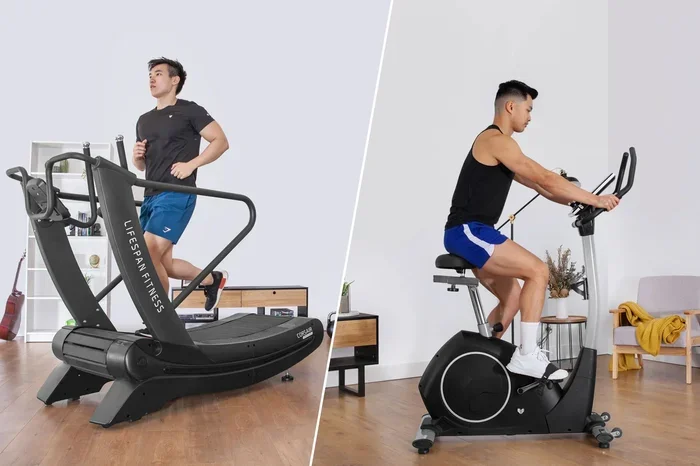
Choosing between a treadmill and an exercise bike depends on your fitness goals, space, and joint health. Both machines offer excellent cardio workouts, but they differ in calorie burn, impact on joints, and overall versatility. This guide breaks down everything you need to know to decide which cardio equipment fits your lifestyle best.
If you are building a home gym or simply looking for a new cardio workout routine, you have probably asked yourself: which is better a treadmill or exercise bike? Both are among the most popular exercise equipment in the world. Both help you burn fat, improve cardiovascular health, and build endurance. But they are not created equal.
The right choice depends on several factors. Think about your workout intensity preferences, your joint health, how much room you have, and what your fitness goals actually are. A runner who wants to log miles will feel right at home on a treadmill. Someone recovering from a knee injury might thrive on an exercise bike. This guide covers every angle so you can make a smart, confident decision.
Which is better a treadmill or exercise bike? There is no single answer. But by the end of this article, you will know exactly which machine is better for you.
Key Takeaways
- Treadmills burn more calories: Running and walking on a treadmill generally engages more muscles, leading to higher calorie expenditure per session.
- Exercise bikes are gentler on joints: Low impact exercise makes bikes ideal for people with knee pain, arthritis, or joint issues.
- Treadmills need more space: These machines are bulkier and require a larger area in your home gym.
- Exercise bikes are budget friendly: You can find quality stationary bikes at lower price points than most treadmills.
- Both improve cardiovascular health: Either machine supports endurance training, fat burning, and heart rate improvement when used consistently.
- Your fitness goals decide the winner: Weight loss favors treadmills; rehabilitation and low impact cardio favor exercise bikes.
📑 Table of Contents
- Treadmill vs Exercise Bike: Head-to-Head Comparison
- Benefits of Using a Treadmill
- Benefits of Using an Exercise Bike
- Which Is Better A Treadmill Or Exercise Bike for Your Goals?
- Common Mistakes When Choosing Between Them
- Expert Tips for Making the Right Choice
- Final Thoughts: Which Is Better A Treadmill Or Exercise Bike
Treadmill vs Exercise Bike: Head-to-Head Comparison
Before diving into the details, let us lay everything out side by side. Here is a quick comparison of both machines across the most important factors.
| Factor | Treadmill | Exercise Bike |
|---|---|---|
| Calorie Burn | Higher (more muscle groups engaged) | Moderate (lower body focused) |
| Joint Impact | High impact (running) | Low impact (smooth pedaling) |
| Space Needed | Large (typically 6 x 3 feet) | Compact (typically 3 x 2 feet) |
| Price Range | Moderate to High | Budget to Moderate |
| Versatility | Walk, jog, run, incline | Seated, standing, resistance levels |
| Muscle Engagement | Full body (legs, core, arms) | Lower body (quads, hamstrings, glutes) |
| Best For | Weight loss, running training | Joint health, casual cardio |
As you can see, both machines have real strengths. The treadmill wins when it comes to calorie burn and workout intensity. The exercise bike takes the lead for low impact exercise and convenience. Let us dig deeper into each one.
Benefits of Using a Treadmill
Higher Calorie Burn and Fat Loss
One of the biggest reasons people choose a treadmill is fat burning potential. Walking, jogging, and running all engage large muscle groups in your legs, core, and even your upper body when you use the handles or maintain proper arm swing. More muscles working means more energy used.
According to research, running on a treadmill can burn between 600 and 1,000 calories per hour depending on your weight and speed. Walking briskly still burns around 300 to 400 calories per hour. Compare that to an exercise bike, which typically burns 400 to 600 calories per hour during a vigorous session. The gap is significant if weight loss is your main goal.
If you want to learn more about how each machine stacks up in terms of energy expenditure, check out our detailed breakdown on Does A Treadmill Or Exercise Bike Burn More Calories.
Natural Movement Patterns
Walking and running are natural human movements. A treadmill mimics what you do outside, making it feel intuitive. You can adjust speed, incline, and even add interval training to keep things interesting. This versatility makes treadmills great for endurance training and aerobic exercise.
You can also simulate outdoor running without dealing with weather, traffic, or uneven surfaces. For people who love running but want a controlled environment, treadmills are hard to beat.
Full Body Engagement
While the legs do most of the work, your core stabilizes your body and your arms swing naturally. Incline walking adds extra resistance that targets your glutes and hamstrings more intensely. This muscle engagement goes beyond what most cardio machines offer.
Benefits of Using an Exercise Bike
Gentle on Joints
If you have ever felt knee pain after a run, you know how important joint stress is when picking cardio equipment. Exercise bikes provide a low impact exercise option that is much easier on your knees, hips, and ankles. The smooth pedaling motion does not pound your joints the way running does.
This makes bikes ideal for older adults, people recovering from injuries, or anyone dealing with chronic joint conditions. If you specifically want to protect your knees, read our guide on Which Is Better For Knees Treadmill Or Bike for a deeper look.
Compact and Easy to Use
Exercise bikes take up far less space than treadmills. Most models are around three feet long and two feet wide. They fit easily in a bedroom, living room, or small home gym. Even folding treadmills need more room to operate safely.
Bikes are also simple to use. You sit down, pedal, and adjust resistance. There is very little learning curve. This simplicity makes them great for beginners who are just starting a fitness routine.
Budget Friendly Options
If you are watching your wallet, exercise bikes often come at lower price points. You can find solid upright bikes for under $300. Even high-quality indoor cycling bikes rarely break $800. Compare that to treadmills, where good models often start around $500 and go well over $1,500.
You do not sacrifice quality just because you choose a bike. Many exercise bikes offer advanced features like heart rate monitoring, preset programs, and Bluetooth connectivity.
Which Is Better A Treadmill Or Exercise Bike for Your Goals?
For Weight Loss
If dropping pounds is your number one priority, the treadmill generally has the edge. Higher calorie burn per session means you can achieve your goals faster. Running on a treadmill is one of the most efficient ways to burn calories in a short amount of time.
That said, an exercise bike can still help you lose weight effectively. The key is consistency. If you can stick to a regular cardio workout on a bike, you will see results. The best machine is the one you will actually use every week.
For Heart Health
Both machines are fantastic for cardiovascular health. They raise your heart rate, improve blood circulation, and strengthen your heart over time. Regular aerobic exercise on either device lowers your risk of heart disease, high blood pressure, and stroke.
If you want to compare these machines specifically for heart health benefits, our article on Which Is Better For Cardio Treadmill Or Bike covers this topic in depth.
For Building Endurance
Treadmills offer a slight advantage here because you can train at varied intensities. Long steady runs, tempo runs, and hill intervals all translate well to real-world endurance. Exercise bikes also build endurance, especially through sustained rides at moderate resistance.
For aerobic exercise and endurance training, both machines are effective. Your choice should depend on whether you prefer a higher intensity or a smoother, more controlled pace.
For Rehabilitation and Recovery
If you are recovering from surgery, dealing with an injury, or managing a condition like arthritis, the exercise bike is the clear winner. It provides a low impact exercise option that keeps you active without stressing damaged joints. Physical therapists frequently recommend stationary bikes as part of recovery programs.
Treadmills can still be used during rehabilitation, but usually at very low speeds and with medical supervision. Walking on a treadmill is gentler than running, but it still involves more joint stress than pedaling a bike.
For Home Gym Convenience
Living in a small apartment or have limited space? The exercise bike wins for space requirements. It is easier to store, takes up less floor area, and does not require a wide clearance zone. Treadmills, even compact ones, need room for safe mounting and dismounting.
However, if you have a dedicated room or garage gym, a treadmill does not feel cramped at all. Space becomes less of an issue when you have plenty of room to work with.
Common Mistakes When Choosing Between Them
People make predictable errors when picking between these two machines. Avoiding these pitfalls will save you time, money, and frustration.
- Choosing only on price: The cheapest option is not always the best fit. Think about your goals, body, and available space before spending a dime.
- Ignoring joint health: If you have bad knees or a history of joint problems, do not pick a treadmill just because it burns more calories. Low impact exercise matters for long term consistency.
- Overlooking your fitness level: Beginners might feel intimidated by a treadmill set to a fast pace. An exercise bike feels more approachable and forgiving while you build confidence.
- Buying without testing: If possible, try both machines at a gym before buying. What feels natural to one person might feel awkward to another.
- Forgetting maintenance: Treadmills need belt lubrication, motor checks, and occasional part replacements. Exercise bikes are lower maintenance but still need occasional inspection. Factor this into your decision.
Expert Tips for Making the Right Choice
Start With Your Body
Your physical condition should guide your decision first. Healthy joints and no mobility issues? A treadmill opens up more options. Knee pain or back problems? An exercise bike keeps you moving safely. Always listen to your body before chasing numbers on a display.
Think Long Term
Buy the machine you will use for years, not just the one that excites you today. Consistency beats intensity every single time. A bike you use three times a week for a year will outperform a treadmill collecting dust in the corner.
Consider a Combo Approach
Many home gym owners end up owning both. You can run on the treadmill two days a week and ride the bike the other days. This cross training approach targets different muscle groups, reduces joint stress, and keeps your fitness routine fresh and motivating.
Quick Tips for Getting the Most Out of Either Machine
- Warm up for at least 5 minutes before every session.
- Track your heart rate to stay in your target zone for cardiovascular health.
- Change your routine every few weeks to avoid plateaus in fat burning and endurance training.
- Wear supportive shoes on a treadmill. Use proper posture on a bike.
- Stay hydrated and cool your room if you train at high workout intensity.
Final Thoughts: Which Is Better A Treadmill Or Exercise Bike
So, which is better a treadmill or exercise bike? The honest answer is that it depends entirely on you. If you want maximum calorie burn, natural movement, and a challenging cardio workout, a treadmill serves you well. If you need low impact exercise, a compact design, and a gentle entry point into fitness, an exercise bike is the smarter pick.
Both machines deliver real results when used consistently. Neither one is universally better. The best exercise equipment is the one that matches your body, your goals, and your lifestyle. Take your time, weigh the pros and cons we have covered, and choose the machine that makes you want to show up and work out.
Your cardiovascular health, weight loss journey, and overall fitness all benefit from either choice. Start today, stay consistent, and you will see the difference. The right machine is the one that gets you moving.
Frequently Asked Questions
Which is better for weight loss, a treadmill or an exercise bike?
A treadmill generally burns more calories per hour due to greater muscle engagement, making it slightly better for weight loss. However, an exercise bike can be equally effective if you maintain consistency and push your workout intensity over time. The best machine is the one you will use regularly.
Is an exercise bike safer for bad knees than a treadmill?
Yes, an exercise bike is much gentler on your knees because it provides low impact exercise with no jarring motion. Walking on a treadmill is less stressful than running, but pedaling a bike remains the smoothest option for people dealing with joint pain or arthritis.
How much space do I need for a treadmill versus an exercise bike?
A treadmill typically requires about 6 by 3 feet of space, while an exercise bike needs roughly 3 by 2 feet. If you have a small home gym or limited room, an exercise bike is the more practical choice. Always measure your available area before purchasing any exercise equipment.
Can I build endurance on an exercise bike just like on a treadmill?
Absolutely. Both machines support endurance training and aerobic exercise. You can adjust resistance and duration on an exercise bike to simulate long, steady workouts. While a treadmill offers more variety in movement patterns, a bike builds strong cardiovascular endurance effectively.
Are treadmills more expensive than exercise bikes?
Generally, yes. Quality treadmills tend to cost more due to larger motors, belt systems, and greater build requirements. Exercise bikes are often more budget friendly, with many reliable models available at lower price points. However, high-end models of both types can reach similar prices.
Which machine gives a better full body workout?
A treadmill engages more muscle groups overall because walking and running activate your legs, core, and arms naturally. An exercise bike primarily targets the lower body, including quads, hamstrings, and glutes. If you want a more comprehensive muscle engagement experience, a treadmill has the advantage.