How Much Air Does a Bike Tire Hold
Knowing how much air a bike tire holds is essential for a smooth, safe ride. The right bike tire pressure improves speed, comfort, and tire life. Whether you ride a road bike or a mountain bike, this guide covers everything you need to know about tire air capacity and proper inflation.
Every time you hop on your bike, the air inside your tires plays a huge role in how your ride feels. Too little air and you drag along the road. Too much and you bounce off every bump. How much air does a bike tire hold? That is the question every rider should know the answer to.
The truth is, there is no single number that fits all bikes. A road bike tire holds air at a much higher pressure than a mountain bike tire. Tire size, riding style, and even the weather all factor in. This guide breaks it all down so you can inflate your tires with confidence every single time.
Key Takeaways
- Air capacity varies by tire size: Different bike tires hold different volumes of air based on width and diameter.
- PSI ranges differ by bike type: Road bikes need higher pressure than mountain bikes for optimal performance.
- Check your tire sidewall: The recommended tire pressure rating is printed right on the side of every tire.
- Underinflation and overinflation both cause problems: Too little air leads to pinch flats; too much reduces traction and comfort.
- A quality tire pressure gauge is essential: Guessing is never accurate enough for proper bike tire inflation.
- Check pressure before every ride: Tires lose air slowly over time, so regular checks keep your ride safe and efficient.
- Temperature affects air pressure: Cold weather reduces tire air capacity, so adjustments may be needed seasonally.
📑 Table of Contents
- Why Bike Tire Air Pressure Matters
- How Much Air Does a Bike Tire Hold by Type
- Bike Tire Pressure Chart by Size
- How to Check Your Bike Tire Pressure
- Common Mistakes That Affect Tire Air Pressure
- How Weather and Temperature Affect Tire Pressure
- Quick Tips for Perfect Tire Inflation
- What Happens If You Do Not Inflate Properly?
- How Often Should You Inflate Your Bike Tires?
- Conclusion
Why Bike Tire Air Pressure Matters
Bike tire pressure is one of the simplest things you can adjust to improve your ride. Yet most riders ignore it until something goes wrong. Understanding why air pressure matters helps you make smarter choices every time you reach for the pump.
Performance and Speed
When your tires are inflated to the right level, they roll faster. Proper tire pressure reduces rolling resistance, which means less effort for the same distance. A well-inflated tire creates a smaller contact patch with the ground. Less contact means less friction and more speed.
On the flip side, an underinflated bike tire creates more drag. Your legs work harder and you slow down without even realizing it. This is one of the most common reasons riders feel tired on long rides.
Comfort and Control
Air acts as a natural suspension system. The right amount of tire air capacity absorbs bumps and vibrations from the road or trail. You feel more comfortable and maintain better control over your bike.
Riding on a tire with too much air sends every bump straight through the frame. Your hands, arms, and back take the brunt of it. On rough terrain, this can quickly become exhausting and even dangerous.
Tire Longevity
Correct inflation for bike tires also extends the life of your tires. Underinflated tires wear out faster on the outer edges of the tread. Overinflated tires wear down the center strip prematurely. Keeping the right pressure ensures even wear and saves you money in the long run.
How Much Air Does a Bike Tire Hold by Type
The amount of air a bike tire holds depends heavily on the type of bike you ride. Each category has its own recommended tire pressure range based on tire width, rider weight, and terrain.
Road Bike Tires
Road bike tires are narrow and designed for speed on smooth surfaces. They typically hold between 80 and 130 PSI. The high pressure minimizes rolling resistance and lets you cruise efficiently on pavement.
Most road tires list their tire pressure rating on the sidewall. A common size like 25mm or 28mm usually recommends around 90 to 110 PSI for an average rider. Lighter riders can go lower; heavier riders should stay on the higher end.
For more details on road bike tire inflation, check out our guide on how to put air in a road bike tire.
Mountain Bike Tires
Mountain bike tires are wider and built for grip on rough terrain. They hold much less air than road tires, typically between 25 and 50 PSI. The lower pressure lets the tire conform to rocks, roots, and dirt for better traction.
If you want to dial in your setup, our article on how much air should a mountain bike tire have covers specific recommendations for different trail conditions.
Hybrid and Commuter Bike Tires
Hybrid bikes sit somewhere between road and mountain bikes. Their tires are usually 28mm to 42mm wide and hold between 40 and 70 PSI. This middle ground offers a balance of speed and comfort for daily commuting and casual rides.
Fat Bike Tires
Fat bike tires are the widest category, often exceeding 4 inches. They hold the least amount of air pressure, usually between 5 and 20 PSI. The large volume of air acts as suspension, making fat bikes perfect for snow and sand.
Bike Tire Pressure Chart by Size
Not sure where to start? Use this quick reference chart to find the right PSI range for your tire size.
- 18mm to 23mm (Road): 100 to 130 PSI
- 25mm to 28mm (Road): 80 to 110 PSI
- 32mm to 38mm (Hybrid): 50 to 70 PSI
- 2.0 to 2.4 inches (MTB): 30 to 50 PSI
- 2.5 to 3.0 inches (MTB): 20 to 35 PSI
- 3.7+ inches (Fat Bike): 5 to 20 PSI
These numbers are starting points. Always adjust based on your weight, riding style, and conditions. A rider who weighs more will need slightly higher pressure to avoid bottoming out the tire.
How to Check Your Bike Tire Pressure
Checking your tire pressure is quick and easy, but it requires the right tool. You cannot always tell by looking at a tire whether it has enough air.
Use a Tire Pressure Gauge
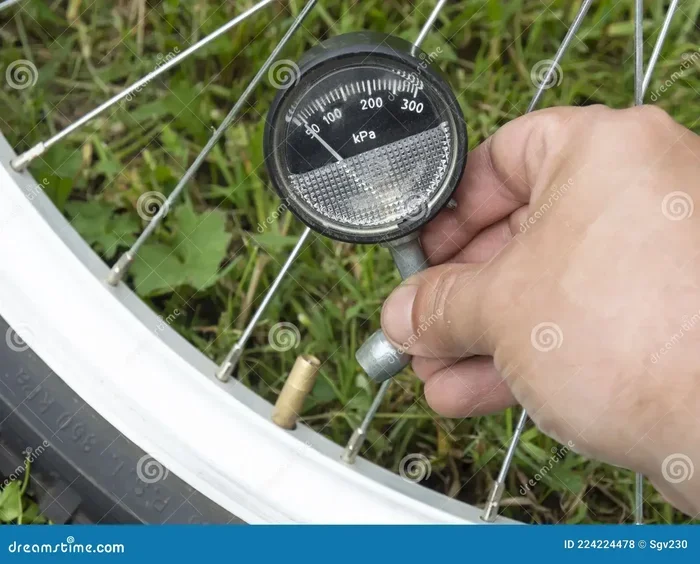
A tire pressure gauge gives you an accurate reading every time. Most floor pumps come with a built-in gauge, but a standalone digital gauge is even more precise. Simply press the gauge onto the valve stem and read the number.
Make it a habit to check your bike tire air capacity before every ride. Tires lose about 1 to 2 PSI per day even without a leak. Over a week, that adds up to a significant drop.
Learn to Feel It
Experienced riders can often tell if a tire needs air just by squeezing the sidewall. A properly inflated tire feels firm but gives slightly under thumb pressure. This method works best for mountain bike tires with lower pressure. For road tires, a gauge is essential because the pressures are too high to judge by touch.
Know Your Valve Type
Most bikes use either Schrader or Presta valves. Schrader valves look like car tire valves and are easy to use with any pump. Presta valves are thinner and require you to unscrew a small nut before inflating. Knowing your valve type helps you choose the right pump and inflate efficiently.
Common Mistakes That Affect Tire Air Pressure
Even experienced riders make mistakes when it comes to tire inflation for cycling. Avoiding these common errors keeps your tires in top shape and your rides safe.
Ignoring the Sidewall Recommendations
The numbers printed on your tire sidewall are there for a reason. They represent the safe tire pressure rating for that specific tire. Ignoring these recommendations can lead to poor performance, flats, or even dangerous blowouts.
Overinflating for Speed
Some riders believe higher pressure always means faster. That is not true. Overinflated tires bounce off road imperfections instead of absorbing them. You actually lose speed because the bike skips over the surface instead of rolling smoothly.
Never Checking Pressure
This is the most common mistake of all. Many riders set their pressure once and forget about it. Air escapes through the valve and even through the rubber itself over time. A quick check before every ride takes only a few seconds and makes a big difference.
Using the Wrong Pump
Not all pumps work well with all valves. Using a pump that does not fit your valve properly can damage the valve stem and cause slow leaks. Make sure your pump head matches your valve type for a secure seal and accurate inflation.
How Weather and Temperature Affect Tire Pressure
Air pressure inside a tire changes with temperature. This is basic physics, but it has real-world effects on your ride. Understanding this helps you adjust your bike tire pressure throughout the year.
In cold weather, air molecules move slower and take up less space. This causes the pressure inside your tires to drop. A tire that reads 100 PSI in summer might read 90 PSI in winter. That is a significant difference that affects how your bike handles.
In hot weather, the opposite happens. Air expands and pressure increases. If you leave your bike in the sun, the tire air capacity can rise above the recommended range. This is especially risky for road bike tires that already run at high pressures.
The best practice is to check your tire pressure in the same conditions each time. Morning checks before riding give you the most consistent readings. If you notice a big temperature swing, adjust your pressure accordingly.
Quick Tips for Perfect Tire Inflation
- Check pressure before every ride. A 30-second check prevents most problems.
- Invest in a quality floor pump. It makes inflation faster and more accurate.
- Carry a portable gauge. Even a small digital gauge helps you stay precise.
- Adjust for your weight. Heavier riders need higher pressure to support the load.
- Adjust for the terrain. Lower pressure helps on rough trails; higher pressure helps on smooth roads.
- Replace worn valve stems. Old stems can leak air even when the tire is fine.
- Listen for air escaping. A hissing sound near the valve means it is time to inspect or replace the valve core.
What Happens If You Do Not Inflate Properly?
Riding with incorrect bike tire inflation leads to a chain of problems. On the low end, underinflated tires increase the risk of pinch flats, also called snakebite flats. This happens when the inner tube gets pinched between the tire and the rim on a hard impact.
Underinflated tires also feel sluggish. You will notice slower acceleration and more effort needed to maintain speed. The tire sidewalls flex more than they should, which generates excess heat and wears the tire faster.
Overinflated tires cause their own set of issues. The ride becomes harsh and uncomfortable. Traction drops because the tire cannot conform to the surface. In extreme cases, the tire can actually blow off the rim, especially during hard cornering or landing jumps.
Finding the sweet spot in your recommended tire pressure range is the key to a safe, fast, and comfortable ride every time.
How Often Should You Inflate Your Bike Tires?
There is no single answer to this question because it depends on the type of tire and how often you ride. Road bike tires lose air faster than mountain bike tires because they run at higher pressures and have thinner inner tubes.
As a general rule, check your tire pressure at least once a week if you ride regularly. If you ride daily, a quick squeeze before each ride takes almost no time. For mountain bike tires and fat bike tires that run at lower pressures, checking every few rides is usually sufficient.
If you notice your tires losing air faster than normal, inspect for punctures, damaged valve stems, or rim tape issues. Sometimes a slow leak develops gradually and goes unnoticed until the tire is completely flat.
For step-by-step guidance on filling your tires, see our article on how to fill a bike tire with air and learn the proper technique for a secure, airtight seal every time.
Conclusion
How much air does a bike tire hold? The answer depends on your tire size, bike type, and riding conditions. The right bike tire pressure makes every ride better, from speed and comfort to safety and tire life. Use the chart in this guide, check your sidewall recommendations, and invest in a good tire pressure gauge.
Taking five minutes to check and adjust your tire air capacity before each ride is one of the simplest things you can do as a cyclist. It costs nothing and pays off in every pedal stroke. Make it a habit and your bike will thank you every time you ride.
Frequently Asked Questions
How much air should I put in my bike tire?
The right amount depends on your tire size and bike type. Check the sidewall of your tire for the recommended tire pressure rating. Road tires typically need 80 to 130 PSI, while mountain tires need 25 to 50 PSI.
Can too much air cause a bike tire to pop?
Yes, overinflating a bike tire can cause it to burst, especially during hot weather or hard riding. Always stay within the recommended tire pressure range listed on the tire sidewall to avoid dangerous blowouts.
How do I know if my bike tire needs air?
If your bike feels sluggish, the tire looks soft when you squeeze it, or you notice frequent flats, your tire likely needs air. Using a tire pressure gauge gives you the most accurate reading.
Does air temperature affect bike tire pressure?
Yes, cold weather reduces tire air capacity by lowering the pressure inside the tire. Hot weather increases pressure. Check your tires regularly and adjust for seasonal temperature changes.
What is the best tool for measuring bike tire pressure?
A digital tire pressure gauge is the most accurate tool. Many quality floor pumps include a built-in gauge, which works well for most riders. A standalone gauge gives you more precision for fine-tuning your inflation for bike tires.
How often should I check my bike tire pressure?
Check your bike tire air capacity at least once a week if you ride regularly. For daily riders, a quick check before each ride takes seconds and keeps your tires in optimal condition.