Can I Use a Yoga Mat for Camping
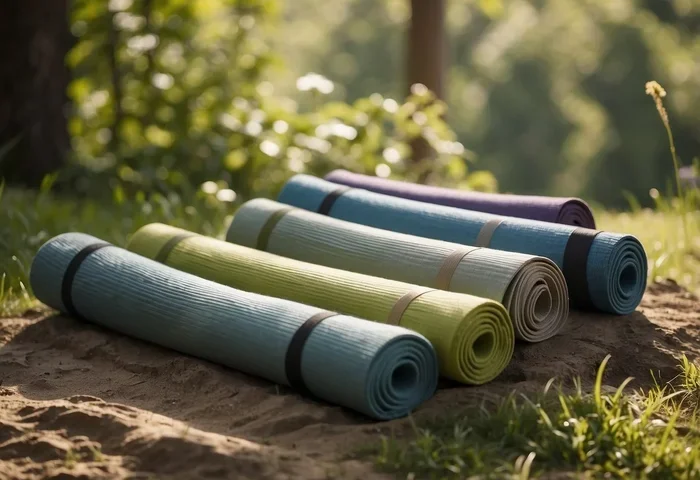
Yes, you can use a yoga mat for camping, but it depends on your needs. A yoga mat offers cushioning, ground protection, and a clean surface for stretching or exercising outdoors. However, it may not replace a proper sleeping pad or camping mattress for overnight comfort. This guide covers everything you need to know about using a yoga mat for camping effectively.
Camping is one of the best ways to reconnect with nature. But if you are someone who likes to stay active, you might wonder if your yoga mat has a place in your backpack. Can you really use a yoga mat for camping? The short answer is yes.
A yoga mat can do more than just support your indoor stretches. It can serve as a clean surface for outdoor exercises, a ground cover for sitting, or even a lightweight layer of comfort during your camping trip. Whether you are a casual camper or a fitness enthusiast, a yoga mat can add real value to your outdoor setup.
In this article, we will explore everything you need to know about using a yoga mat for camping. We will cover the best types of mats, creative uses, cleaning tips, and when a yoga mat might not be enough. By the end, you will know exactly how to make your yoga mat work for your next outdoor adventure.
Let us dive in and see how this simple piece of fitness equipment can level up your camping experience.
Key Takeaways
- A yoga mat works great for camping: It provides a clean, cushioned surface for stretching, exercising, or sitting during outdoor activities.
- Not all yoga mats are equal: Lightweight travel mats work best for camping, while thick home mats are too heavy to carry.
- Your yoga mat can serve multiple purposes: Use it for ground protection, exercise, a clean sitting surface, or even as a sled on snow.
- Cleaning is essential after camping: Dirt, moisture, and debris can damage your mat. Learn how to clean it properly.
- Consider alternatives when needed: If a yoga mat isn’t enough, explore other options like camping mats or towels for extra comfort.
- Pack smart for outdoor fitness: Roll your mat tightly and use a carrying strap to keep it compact in your backpack.
📑 Table of Contents
Why You Might Want to Use a Yoga Mat for Camping
You might be thinking, “Why bring a yoga mat when I have a sleeping bag?” That is a fair question. But a yoga mat serves a different purpose than a sleeping bag. It gives you a clean, flat surface in situations where the ground is dirty, wet, or uneven.
Here are some reasons why a yoga mat makes great camping gear:
- Clean surface for exercises: You can stretch, do yoga poses, or perform bodyweight workouts without touching the dirty ground.
- Ground protection: Place your mat under your tent footprint or sitting area to keep your gear clean.
- Comfort for breaks: Sitting on a rock or log all day gets uncomfortable. A yoga mat gives you a soft spot to rest.
- Lightweight and portable: Most travel yoga mats weigh less than two pounds, making them easy to carry.
- Multi-purpose use: A yoga mat can double as a picnic mat, a sunshade layer, or even a creative outdoor tool.
When you combine a yoga mat with other camping essentials, you create a more comfortable and functional outdoor setup. The key is choosing the right type of mat and knowing how to use it wisely.
The Appeal of Bringing Fitness Gear Outdoors
More people are embracing outdoor fitness as part of their camping routine. Morning yoga by a lake, bodyweight exercises at sunrise, or evening stretches around the campfire are all popular activities. Having a portable fitness option makes it easy to stay consistent with your routine, even in the wilderness.
A yoga mat is one of the simplest pieces of gear to bring along. Unlike dumbbells or resistance bands, a mat takes up very little space. It rolls up tightly and fits in most backpacks. For those who want fitness on the go, a yoga mat is a no-brainer.
Can You Actually Use a Yoga Mat for Camping
The answer depends on what you plan to use it for. A yoga mat can work well for certain camping activities, but it has its limits. Let us break down how a yoga mat functions in different outdoor scenarios.
How a Yoga Mat Works as a Camping Surface
When you unroll a yoga mat on the ground, it creates a barrier between you and the earth. This barrier does several things:
- Blocks moisture: Dew, rain puddles, or damp soil won’t soak through to your clothes or gear as easily.
- Provides cushioning: Rocks, roots, and uneven surfaces feel much softer with a mat underneath.
- Keeps things clean: Dirt, grass stains, and bugs stay on the mat instead of on you.
- Defines your space: A mat gives you a clear spot for exercises or relaxation.
For activities like yoga, stretching, or core workouts, a yoga mat works surprisingly well outdoors. The surface grip helps prevent slipping, especially on slightly uneven ground. Just make sure your mat has a textured or non-slip surface for the best results.
Comparing Yoga Mats to Traditional Camping Mats
It is important to understand that a yoga mat is not the same as a camping sleeping pad. They serve different purposes. Here is a quick comparison:
- Yoga mat: Thin to medium thickness, lightweight, designed for exercise and surface protection. Good for sitting, stretching, and short-term comfort.
- Camping sleeping pad: Thicker, more insulated, designed for overnight warmth and cushioning. Better for sleeping on the ground.
- Air mattress: Bulky but very comfortable. Best for car camping where weight is not a concern.
If you are backpacking or hiking to your campsite, a yoga mat is a better choice than an air mattress. It is lighter and more compact. For car camping, you might want to bring both a yoga mat and an air mattress for different uses.
Best Types of Yoga Mats for Camping
Not every yoga mat is created equal. Some are too heavy, too thick, or not durable enough for outdoor use. Here is what to look for when choosing a mat for your camping trip.
Lightweight Travel Yoga Mats
The best yoga mats for camping are lightweight travel mats. These mats are designed to be thin, foldable, and easy to carry. They typically weigh between one and three pounds, which is perfect for hiking or backpacking.
Look for mats made from TPE (thermoplastic elastomer) or rubber. These materials are durable, water-resistant, and easy to clean. Avoid thick memory foam mats, as they are heavy and take up too much space in your pack.
If you want the lightest option, consider a yoga towel. A yoga towel can serve as a mat substitute and weighs almost nothing. You can always use a towel as a yoga mat in a pinch, especially for quick outdoor sessions.
Thick vs. Thin Mats for Outdoor Use
Thickness matters when you are using a yoga mat outdoors. Here is a simple guide:
- Thin mats (3mm to 5mm): Best for hiking and backpacking. They are lightweight and pack small. They offer basic cushioning but not much insulation from cold ground.
- Medium mats (6mm to 8mm): A good balance of comfort and portability. These work well for car camping and day hikes.
- Thick mats (10mm or more): Too heavy for most camping trips. Save these for home use or very comfortable car camping setups.
For most camping situations, a thin or medium mat will serve you well. The goal is comfort without the extra weight slowing you down.
Creative Ways to Use a Yoga Mat While Camping
A yoga mat is more versatile than most people realize. Once you are out in nature, you will find all sorts of uses for it. Here are some creative ways to put your mat to work during a camping trip.
Exercise and Stretching Outdoors
This is the most obvious use, and it is a great one. Morning yoga on the beach, a sunset stretch by the river, or a quick core workout near your tent can make your camping trip feel even better. A yoga mat gives you a stable, comfortable surface for all of these activities.
You can do poses like downward dog, warrior, and child’s pose on a mat placed on flat ground. For outdoor workout routines, the mat provides grip and cushioning for push-ups, planks, and bodyweight squats. If you want ideas for exercising without equipment, check out what you can use as a substitute for dumbbells for more outdoor fitness inspiration.
Ground Protection and Comfort Uses
Beyond exercise, a yoga mat can help with everyday camping comfort:
- Sitting surface: Place your mat on the ground for a clean spot to sit, eat, or play cards.
- Tent floor liner: Put a mat under your tent to add an extra layer of protection from moisture and cold.
- Gear sorting: Spread your mat out to organize your belongings and keep them off the dirty ground.
- Sun shade layer: In a pinch, a mat can add a bit of shade when draped over a low branch.
- Sled fun: If you are camping in a snowy area, a yoga mat can actually double as a small sled. You would be surprised how well it slides on snow.
These uses show how one simple piece of gear can serve many purposes. A yoga mat is one of the most adaptable items you can pack for a camping trip.
How to Keep Your Yoga Mat Clean After Camping
Using your yoga mat outdoors means it will get dirty. Dirt, mud, pine needles, and moisture can all take a toll on your mat. Cleaning it properly after each trip is essential to keep it in good shape.
Cleaning Tips for Outdoor Use
Here are some simple steps to clean your yoga mat after a camping trip:
- Shake off loose dirt: Take the mat outside and shake it well to remove dust, sand, and debris.
- Wipe it down: Use a damp cloth with mild soap or a natural cleaner. Avoid harsh chemicals that can damage the mat material.
- Rinse if needed: For really dirty mats, rinse with clean water and gently squeeze out excess moisture.
- Air dry completely: Hang the mat in a shaded area and let it dry fully before rolling it up. Never store a damp mat, as this can cause mold and odors.
For more detailed cleaning methods, you can explore what to use to clean your yoga mat for safe and effective options.
Drying and Storing Your Mat
Proper storage after camping is just as important as cleaning. Here are a few tips:
- Never roll a wet mat: This traps moisture and leads to mold growth and bad smells.
- Store in a cool, dry place: Avoid leaving your mat in a hot car or damp garage for long periods.
- Use a carrying strap: A strap keeps your mat rolled tight and makes it easier to pack for your next trip.
- Spot clean as needed: If you notice dirt or stains between trips, clean them right away to prevent buildup.
Taking care of your mat extends its life and keeps it ready for every adventure. A well-maintained mat performs better and feels much nicer to use outdoors.
When a Yoga Mat Isn’t Enough for Camping
There are times when a yoga mat alone will not meet your needs. This is especially true for overnight camping in cold or wet conditions. Knowing when to bring additional gear is part of smart packing.
Better Alternatives to Consider
If a yoga mat does not fit your camping style, there are other options to explore:
- Camping sleeping pad: These are thicker and more insulated than yoga mats. They are designed specifically for sleeping on the ground.
- Closed-cell foam pad: Lightweight, durable, and great for insulation. A foam pad can work alongside your yoga mat for different purposes.
- Inflatable air mattress: Best for car camping where space and weight are not major concerns.
- Yoga towel: A thin, ultra-lightweight option that works as a mat substitute for quick stretches or sitting.
Sometimes the best approach is to combine gear. For example, you might bring a yoga mat for daytime exercises and a foam pad for sleeping. This gives you the best of both worlds without overpacking.
If you are looking for other creative uses of common items while camping, you might enjoy learning about using a yoga mat as a sled or checking out what you can use instead of a yoga mat for more ideas.
Combining Gear for Maximum Comfort
The smartest campers know how to layer their gear for maximum comfort. A yoga mat on top of a foam pad gives you cushioning and insulation. A yoga mat under your tent keeps the floor dry. A yoga towel on top of your mat adds grip and softness for yoga sessions.
Think of your yoga mat as one piece of a larger puzzle. It works best when combined with the right other gear for your specific camping needs.
Final Thoughts
So, can you use a yoga mat for camping? Absolutely. A yoga mat is a lightweight, versatile, and practical addition to any camping setup. Whether you use it for stretching, ground protection, sitting comfort, or even as a fun outdoor tool, it brings real value to your trip.
The key is choosing the right type of mat, packing it smartly, and taking care of it after your adventure. With the right approach, your yoga mat can become one of your favorite pieces of camping gear.
Next time you pack for a camping trip, consider rolling up your yoga mat and tossing it in your bag. Your body and your comfort will thank you. Happy camping and happy stretching.
Frequently Asked Questions
Can I use a regular yoga mat for camping?
Yes, you can use a regular yoga mat for camping, but it depends on the type. A thin travel mat is ideal for hiking and backpacking because it is lightweight. A thick home yoga mat may be too heavy and bulky for outdoor trips. Choose a mat that balances comfort with portability.
What is the best yoga mat thickness for camping?
A thickness of 3mm to 6mm works best for most camping situations. Thinner mats are lighter and easier to carry, while slightly thicker mats offer more cushioning. For overnight sleeping, a yoga mat alone is usually not enough, and you should use a proper camping sleeping pad instead.
Can I sleep on a yoga mat while camping?
You can sleep on a yoga mat for short periods, but it is not designed for overnight use. Yoga mats lack the insulation and thickness of camping sleeping pads. If you must sleep on a mat, layer it with a foam pad or blanket for better warmth and comfort.
How do I clean a yoga mat after a camping trip?
Shake off loose dirt, wipe the mat with a damp cloth and mild soap, rinse if needed, and let it air dry completely before storing. Avoid harsh chemicals and never store a damp mat. For more cleaning ideas, you can explore what to use to clean your yoga mat.
Can I use a yoga mat as a ground cover while camping?
Yes, a yoga mat works well as a ground cover. Place it under your tent to protect the floor from moisture and dirt. You can also use it as a sitting area or a clean surface for preparing food. It is a simple and effective way to keep your gear off the ground.
Is a yoga towel better than a yoga mat for camping?
A yoga towel is lighter and more compact than a yoga mat, making it a great option for short hikes or quick stretches. However, a yoga mat provides better cushioning and surface protection. If weight is your top priority, a yoga towel is a solid choice. You can learn more about using a towel as a mat for camping scenarios.