How Do You Use a Mini Exercise Bike
Using a mini exercise bike is one of the simplest ways to stay active at home or at the office. This guide walks you through setup, proper form, workout routines, and safety tips for getting the most out of your compact fitness equipment. Whether you are a beginner or a fitness enthusiast, you will find practical advice to make your mini exercise bike sessions count.
Have you ever wondered how to actually use a mini exercise bike the right way? These small, portable machines have exploded in popularity over the past few years. People love them because they fit under a desk, slide into a small corner, and deliver a solid workout without taking up much room.
A mini exercise bike is not just a toy or a gimmick. It is real compact fitness equipment that can help you burn calories, improve blood circulation, and build endurance. Whether you are recovering from an injury, working from home, or just looking for a convenient way to stay active, a pedal exerciser can fit into your life easily.
In this guide, we will cover everything you need to know. From unboxing and setup to actual workout routines, we have you covered. You will learn how to position the bike correctly, choose the right resistance levels, and avoid common mistakes that beginners make. Let us get started.
Key Takeaways
- Easy Setup: A portable exercise bike requires minimal assembly and fits in small spaces.
- Adjustable Resistance: Most models offer multiple resistance levels to match your fitness goals.
- Low Impact: Pedaling on a compact fitness equipment is gentle on your joints while boosting blood circulation.
- Versatile Use: You can use a pedal exerciser while seated at a desk, watching TV, or during rehabilitation.
- Consistency Matters: Regular sessions of 15 to 30 minutes deliver real cardio exercise benefits.
- Safety First: Proper posture, hydration, and gradual intensity increases prevent injury.
📑 Table of Contents
What Is a Mini Exercise Bike?
A mini exercise bike is a small, stationary cycling machine designed for low-impact cardio exercise. Unlike a full-sized stationary bike, it is compact and often portable. You can place it on the floor, under a desk, or on a tabletop depending on the model.
These bikes typically feature a small frame, a comfortable seat or pad, adjustable pedals, and a digital display. The display tracks your time, speed, distance, and calories burned. Some models also include resistance levels that let you make the pedaling harder or easier.
Why People Love Them
The biggest reason people buy a portable exercise bike is convenience. You do not need a gym membership. You do not need a large room. You just need a few square feet of space. This makes home fitness much more accessible for people with busy schedules or limited room.
Another reason is versatility. You can pedal while answering emails, watching your favorite show, or even during a phone call. This multitasking ability helps people stay consistent with their exercise habits. Consistency is the secret sauce of any fitness routine.
Setting Up Your Mini Exercise Bike
Before you start pedaling, you need to set things up correctly. Proper setup makes a huge difference in comfort and safety. Most mini exercise bikes come partially assembled, so you will not need tools for everything.
Step-by-Step Assembly
Follow these simple steps to get your bike ready:
- Unbox the bike and lay out all parts on a clean floor.
- Attach the base or frame according to the manual instructions.
- Secure the seat or seat pad in the desired position.
- Attach the pedal cranks if they are not pre-installed.
- Place the bike on a flat, stable surface.
- Check that all screws and bolts are tight before use.
Where to Place Your Bike
Placement matters more than you might think. You want a flat, hard surface that will not wobble. A do I need a mat under my exercise bike is a common question. The answer is yes, a mat helps protect your floor and prevents the bike from sliding. A rubber mat or fitness mat works great for this.
Keep the bike away from walls and furniture so you have room to move freely. Make sure the area is well-ventilated and has enough space for you to mount and dismount safely.
How to Use a Mini Exercise Bike Correctly
Using a mini exercise bike the right way starts with your posture and pedal technique. Bad form can lead to discomfort or injury. Good form helps you get better results with less effort.
Proper Seating and Posture
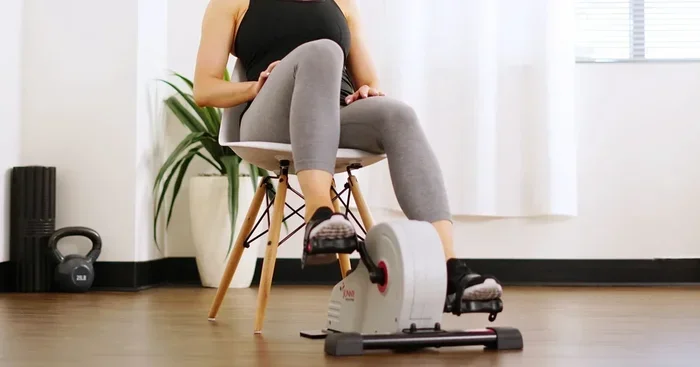
Sit on the seat and adjust it so your knees bend slightly at the bottom of each pedal stroke. Your back should be straight, and your shoulders should be relaxed. Do not hunch forward or lean to one side.
Place your feet firmly on the pedals. Use the straps if your bike has them. This keeps your feet secure and helps you maintain a smooth, even pedaling motion. Your arms can rest on the armrests or on the handles in front of you.
Finding the Right Resistance
Most mini exercise bikes come with adjustable resistance levels. Start with the lowest level if you are a beginner. As your legs get stronger, you can increase the resistance gradually.
Here is a simple way to test your resistance level:
- Too Easy: You can pedal without breaking a sweat after 10 minutes.
- Just Right: You feel challenged but can still hold a conversation.
- Too Hard: You struggle to maintain a steady rhythm and feel out of breath quickly.
Adjust the dial or button on the bike until you find your sweet spot. Over time, you can push the resistance higher to build more strength.
Pedaling Technique
Keep your pedaling smooth and steady. Do not mash the pedals down aggressively. Think of it as a circular motion rather than just pushing down. This engages more muscles and reduces strain on your knees.
Start with a comfortable pace and gradually increase your speed as you warm up. A good target is to maintain a steady rhythm for the duration of your session. Focus on consistent cardio exercise rather than speed bursts.
Workout Routines for Your Mini Exercise Bike
Now that you know how to set up and use your bike correctly, let us talk about actual workouts. A good routine keeps things interesting and helps you track progress over time.
Beginner Routine
If you are new to using a mini exercise bike, start slow. Try this simple routine:
- Warm-Up (3 minutes): Pedal at a slow, easy pace with low resistance.
- Main Workout (10 minutes): Increase to a moderate pace with medium resistance.
- Cool Down (3 minutes): Slow back down to a gentle pace and reduce resistance.
- Stretch (3 minutes): Stand up, stretch your legs, and let your heart rate return to normal.
This routine takes about 19 minutes and is perfect for building a habit. Aim to do this 3 to 4 times per week for the first two weeks.
Intermediate Routine
Once you feel comfortable, you can step up the intensity. Try this routine:
- Warm-Up (3 minutes): Light pedaling with low resistance.
- Interval Training (15 minutes): Alternate between 2 minutes of medium resistance and 1 minute of high resistance.
- Steady State (5 minutes): Pedal at a consistent moderate pace.
- Cool Down (3 minutes): Easy pedaling with low resistance.
- Stretch (3 minutes): Focus on your legs and lower back.
Interval training is a great way to boost calorie burning and improve your endurance. It keeps your fitness routine fresh and challenging.
Can You Lose Weight With a Mini Exercise Bike?
This is one of the most common questions people ask. The short answer is yes, you can lose weight with a mini exercise bike. However, weight loss depends on several factors including your diet, overall activity level, and consistency.
A 30-minute session on a mini exercise bike can burn anywhere from 100 to 200 calories depending on your weight and resistance level. Over time, these calories add up. Combined with a balanced diet, regular use of a portable exercise bike can support your weight loss goals.
For more detailed information on weight loss with a mini exercise bike, check out our guide on can you lose weight with a mini exercise bike.
Benefits of Using a Mini Exercise Bike
A mini exercise bike offers a surprising number of benefits. Here are some of the most notable ones:
Low Impact on Joints
Unlike running or jumping exercises, pedaling on a pedal exerciser is gentle on your joints. This makes it an excellent choice for people with knee pain, arthritis, or those recovering from surgery. The smooth, circular motion reduces stress on your knees and hips.
Improves Blood Circulation
Regular pedaling gets your blood flowing, which is especially helpful if you sit for long periods. Improved blood circulation can reduce swelling in your legs, boost your energy levels, and even help with recovery after long flights or sedentary workdays.
Convenient and Quiet
Most compact fitness equipment like a mini exercise bike operates very quietly. You can use it early in the morning or late at night without disturbing anyone in your household. This makes it ideal for people who want to exercise at any time of day.
Great for Rehabilitation
Many physical therapists recommend a mini exercise bike for rehabilitation exercises. After an injury or surgery, gentle pedaling helps restore range of motion and rebuild strength without putting too much strain on the body.
Common Mistakes to Avoid
Even though a mini exercise bike is simple to use, there are a few mistakes that people commonly make. Avoiding these will help you get better results and stay safe.
Skipping the Warm-Up
Jumping straight into a high-intensity session without warming up can strain your muscles and joints. Always start with a few minutes of easy pedaling to get your body ready.
Setting Resistance Too High Too Soon
It can be tempting to crank up the resistance right away. But doing this too early can lead to muscle fatigue and poor form. Build up gradually and let your body adapt over time.
Slouching or Poor Posture
It is easy to hunch over while pedaling, especially if you are multitasking. But slouching puts unnecessary strain on your back and neck. Sit up straight, relax your shoulders, and keep your core engaged throughout your session.
Skipping Rest Days
Your muscles need time to recover. Using your mini exercise bike every single day without rest can lead to overuse injuries. Aim for 4 to 5 sessions per week and take at least one or two rest days.
For more tips on how long you should exercise on a bike, check out our article on how long should you exercise on a stationary bike.
Expert Tips for Maximizing Your Mini Exercise Bike Workouts
Want to get the most out of every session? Here are some expert-backed tips to help you maximize your results.
Track Your Progress
Most mini exercise bikes come with a digital display that tracks your metrics. Use this data to monitor your progress over time. Look for improvements in your speed, distance, and calories burned each week. Tracking keeps you motivated and helps you set realistic goals.
Mix Up Your Routine
Doing the same workout every day can get boring. Mix things up by trying different resistance levels, changing your pedaling speed, or adding arm movements. Variety keeps your workouts fun and challenges different muscle groups.
Stay Hydrated
It is easy to forget to drink water when you are pedaling quietly at your desk. Keep a water bottle nearby and take small sips throughout your session. Staying hydrated improves your performance and helps your body recover faster.
Combine with Strength Training
A mini exercise bike is great for cardio exercise, but it should not be your only workout. Combine it with light strength training using dumbbells or resistance bands for a well-rounded fitness routine. This approach helps you build muscle while also improving your heart health.
Use It During Work Hours
One of the biggest advantages of a portable exercise bike is that you can use it at your desk. Pedaling during work hours breaks up long periods of sitting and keeps your body active. This simple habit can make a big difference in your overall health over time.
For more information on how a stationary bike supports weight loss, visit our page on how does a stationary bike help you lose weight.
Conclusion
Using a mini exercise bike is one of the easiest and most effective ways to stay active, improve your cardio exercise health, and build a consistent fitness routine. These compact machines offer real benefits for people of all fitness levels, from complete beginners to seasoned athletes.
Remember to set up your bike correctly, focus on proper form, and start with a routine that matches your current fitness level. Gradually increase your resistance levels and session duration as you get stronger. Stay consistent, track your progress, and most importantly, enjoy the process.
A mini exercise bike is more than just a piece of compact fitness equipment. It is a tool that can transform your daily habits and improve your overall quality of life. So get on that bike, start pedaling, and take the first step toward a healthier you today.
Frequently Asked Questions
How long should I use a mini exercise bike each day?
Start with 10 to 15 minutes per session if you are a beginner. As your fitness improves, you can gradually increase to 20 to 30 minutes per session. Consistency is more important than duration, so aim for regular sessions rather than long ones.
Can I use a mini exercise bike if I have knee problems?
Yes, a mini exercise bike is often recommended for people with knee issues because it provides a low-impact cardio exercise. The smooth pedaling motion puts minimal stress on your joints. However, you should consult your doctor before starting any new exercise program, especially if you have existing injuries.
Do I need a mat under my mini exercise bike?
Yes, using a mat is highly recommended. A mat protects your floor from scratches, absorbs vibration, and prevents the bike from sliding during use. It also makes your setup more stable and helps reduce noise while you pedal.
Will a mini exercise bike help me lose belly fat?
A mini exercise bike can help you burn calories and reduce overall body fat, including belly fat, when combined with a healthy diet. However, spot reduction is not possible. Regular pedaling sessions combined with a balanced diet and other forms of exercise will help you achieve your weight loss goals over time.
Can I use a mini exercise bike while working at my desk?
Absolutely. One of the biggest advantages of a portable exercise bike is its ability to fit under a standard desk. You can pedal while working, studying, or watching TV. This makes it easy to stay active throughout the day without taking extra time out of your schedule.
How do I clean and maintain my mini exercise bike?
Wipe down the frame and pedals with a damp cloth after each use. Check the bolts and screws periodically to make sure everything stays tight. Keep the bike in a dry area away from moisture. Regular maintenance will extend the life of your compact fitness equipment and keep it running smoothly.