Can a Plane Take Off from a Treadmill
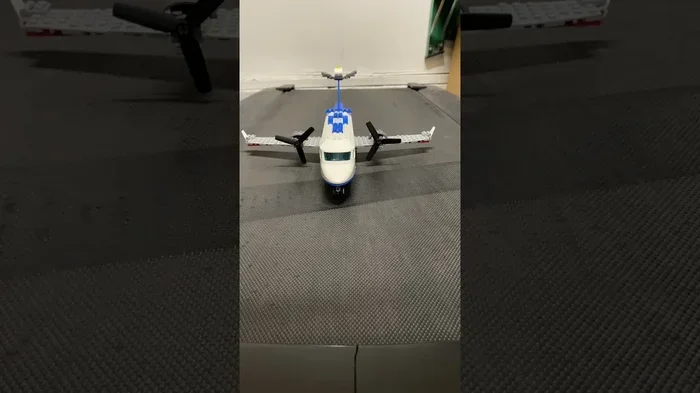
Can a plane take off from a treadmill? The short answer is yes — a plane can absolutely take off on a treadmill, but the physics behind why is more fascinating than most people realize. This article explains the airplane treadmill myth, debunks common misconceptions, and walks you through the real science of thrust, lift, and wheel speed so you finally understand the truth.
Key Takeaways
- A plane CAN take off from a treadmill: The wheels spin freely, and thrust comes from the engines, not the wheels.
- The MythBusters tested this: The famous episode confirmed that a treadmill does not prevent a plane from moving forward and lifting off.
- Thrust and lift matter, not wheel speed: Jet engines push air backward, creating forward motion regardless of what the treadmill does.
- Wheel friction is minimal: Plane wheels are designed to spin freely, so a moving treadmill has almost no effect on the aircraft.
- The treadmill myth confuses cars with planes: Unlike cars, planes do not rely on wheel traction to generate forward motion.
- Real-world takeoff speed is the same: Whether on a runway or a treadmill, a plane needs the same airspeed to become airborne.
- Understanding the physics is simple: Once you separate wheel movement from aircraft movement, the concept becomes clear.
📑 Table of Contents
Can a Plane Take Off from a Treadmill?
Let us settle this once and for all. Can a plane take off from a treadmill? Yes, it can. And the reason is simpler than most people think. You have probably seen the debate online — people arguing back and forth, each convinced they are right. Some say the treadmill would hold the plane in place. Others say the plane would move forward just fine. The truth lies somewhere in the middle, and by the end of this article, you will know exactly why.
The airplane treadmill myth has confused people for years. It sounds like a simple question on the surface. But when you start digging into how planes fly, how wheels work, and what a treadmill actually does, things get interesting. This guide breaks it all down in plain English. No physics degree required. Just clear explanations, real science, and practical examples that make the concept click.
We will cover the physics behind flight, look at what MythBusters found, and address the most common mistakes people make when thinking about this topic. By the end, you will be the person at the party who actually knows the answer. So let us get into it.
Why This Question Matters
You might be wondering why anyone even asks this question. It sounds like a silly thought experiment. But the treadmill takeoff debate teaches us something real about how airplanes work. Understanding the difference between a car and a plane on a treadmill helps you grasp basic aviation physics. It also shows why thrust and lift are the real heroes of flight — not wheels or ground movement.
Many people confuse how a car moves with how a plane moves. A car relies on its tires gripping the road. A plane relies on engines pushing air. That single difference changes everything when you introduce a treadmill into the equation.
The Physics Behind Airplane Takeoff
To understand why a plane can take off on a treadmill, you need to understand the basic physics of flight. It all comes down to four forces: thrust, drag, lift, and weight. Let us break each one down simply.
Thrust: The Engine Does the Work
Thrust is what moves a plane forward. Jet engines or propellers push air backward, which pushes the plane forward. This is Newton’s third law — for every action, there is an equal and opposite reaction. The engines do not care what the wheels are touching. They push against the air, not the ground.
This is the key reason a treadmill does not stop a plane. The treadmill only affects the wheels, and the wheels are not what move the plane forward. The engines are. So even if the treadmill moves backward, the plane still moves forward because the engines are pushing it.
Lift: How a Plane Becomes Airborne
Lift is the force that raises the plane into the air. It is created by the wings moving through the air at a certain speed. The shape of the wing forces air to move faster over the top than the bottom. This creates lower pressure above the wing and higher pressure below. The result? The plane goes up.
For lift to work, the plane needs airspeed — not ground speed. Airspeed is how fast the plane moves through the air relative to the surrounding atmosphere. A treadmill does not change the air around the plane. So as long as the engines push the plane forward fast enough, the wings generate lift, and the plane takes off.
Wheel Speed: It Does Not Matter as Much as You Think
Here is where most people get tripped up. Plane wheels are free-spinning. They do not connect to the engine. When a plane sits on a treadmill, the treadmill moves the wheels backward. But the wheels just spin faster. The plane itself stays in place relative to the air — until the engines push it forward.
Think of it this way. If you put a toy car on a treadmill, the treadmill moves the car backward. But a real airplane is not a toy car. It has engines that push it forward independently of its wheels. The wheels are just along for the ride, spinning freely to reduce friction on the ground.
What MythBusters Found
The MythBusters tackled this question in a famous episode. They built a small model plane and placed it on a massive treadmill designed to match wheel speed. The result? The plane took off successfully. The treadmill spun the wheels faster, but the plane moved forward through the air just like it would on a normal runway.
This experiment was a turning point for the debate. Many people refused to believe it at first. But the science is clear. The MythBusters plane treadmill mythbusters episode proved that a treadmill cannot hold a plane in place if the engines are producing enough thrust.
Later, the same team scaled up the experiment with larger models and got the same results. Every time, the plane lifted off. The treadmill made no difference to the actual takeoff. It only affected how fast the wheels spun.
Why the Myth Persists
Even after MythBusters proved it, the debate lives on. Why? Because it feels counterintuitive. Most of us experience treadmills with our own bodies. When you run on a treadmill, the belt moves backward and you stay in place. Your legs push against the belt, and the belt pushes back. That is how a treadmill works for a human.
A plane does not work that way. A plane does not push against the ground. It pushes against the air. So the treadmill analogy breaks down the moment you apply it to an aircraft. This is the core of the confusion, and once you understand it, the whole thing makes sense.
Plane vs. Car on a Treadmill
This is where the comparison really helps clarify things. A car on a treadmill behaves very differently from a plane on a treadmill. Let us look at why.
How a Car Works on a Treadmill
A car relies on its wheels for both support and propulsion. The engine turns the wheels, and the wheels grip the road surface. If you put a car on a treadmill that matches the wheel speed, the car would stay in place. The wheels would spin, but the car would not move forward. Without forward motion, the car cannot do anything useful.
This is why people confuse the treadmill scenario with planes. They imagine the same thing happening to an airplane. But the fundamental difference is that a plane does not use its wheels for propulsion.
How a Plane Differs
A plane uses engines to create thrust. The wheels are just passive components that reduce friction during takeoff and landing. They spin freely on bearings. A treadmill can spin them faster, but it cannot stop the plane from moving forward through the air.
Think of it like this. If you stand on a skateboard and hold a leaf blower, the air from the blower pushes you forward. The skateboard wheels spin freely. Now imagine someone speeds up the ground beneath you with a conveyor belt. Does that stop you? No. The leaf blower still pushes you forward. The wheels just spin a little faster. That is exactly how a plane on a treadmill works.
Common Mistakes People Make
When people argue about whether a plane can take off on a treadmill, they usually make a few predictable mistakes. Let us go through the most common ones so you can avoid them.
Mistake 1: Confusing Ground Speed with Airspeed
This is the biggest error. Ground speed is how fast the plane moves relative to the ground. Airspeed is how fast the plane moves relative to the surrounding air. A treadmill affects ground speed but not airspeed. For takeoff, airspeed is what matters. As long as the engines push the plane forward through the air, it will reach the required airspeed and lift off.
Mistake 2: Thinking the Treadmill Matches Engine Speed
Some people assume the treadmill matches the speed of the engines or the plane itself. But in the standard version of this thought experiment, the treadmill matches the wheel speed. It spins the wheels faster, not the whole plane backward. This distinction is critical.
Mistake 3: Ignoring Free-Spinning Wheels
Plane wheels are designed to spin with almost no resistance. They are not connected to the engine or the drivetrain. A treadmill cannot hold the plane back through the wheels because the wheels are not what keep the plane in place. The engines provide all the forward force.
Mistake 4: Assuming the Plane Stays in One Spot
Many people picture the treadmill holding the plane perfectly still while the engines rev up. This does not happen. The plane moves forward. The wheels just spin faster because of the treadmill. The plane still reaches takeoff speed and lifts off normally.
What Speed Does a Plane Need to Take Off?
Different planes need different takeoff speeds. A small propeller plane might need around 100 miles per hour of airspeed. A large commercial jet like a Boeing 747 needs closer to 160 to 180 miles per hour. These speeds are measured relative to the air, not the ground.
On a treadmill, the plane still needs the same airspeed. The treadmill does not reduce the airspeed the engines produce. It only makes the wheels spin faster. So the takeoff distance and speed requirements remain the same whether the plane is on a normal runway or a treadmill.
Here is a quick comparison of takeoff speeds for common aircraft:
- Cessna 172: approximately 60 knots (69 mph)
- Boeing 737: approximately 150 knots (173 mph)
- Boeing 747: approximately 160 knots (184 mph)
- Airbus A320: approximately 150 knots (173 mph)
- Small ultralight: approximately 40 knots (46 mph)
As you can see, the treadmill does not change any of these numbers. The plane still needs the same airspeed to generate enough lift for takeoff.
Expert Insights on the Treadmill Debate
Aviation experts and physics professors have weighed in on this topic for years. The consensus is clear: a plane can take off on a treadmill. Let us look at what the professionals say.
What Pilots Say
Pilots understand that wheels are not what make a plane fly. During takeoff, the wheels are just rolling along the surface. The engines do all the work. A pilot once described it this way: “The treadmill is like running on a moving sidewalk at the airport. It spins your shoes faster, but it does not stop you from walking forward.”
What Physicists Say
Physicists point to Newton’s laws of motion. The plane accelerates forward due to thrust. The treadmill only adds a backward force on the wheels, which are designed to spin freely. The net force on the plane is still forward, so the plane still accelerates and takes off.
Several university physics departments have used this exact problem as a teaching exercise. The results always come back the same: the plane takes off. The treadmill just makes the wheels spin faster.
Quick Tips to Understand the Treadmill Takeoff
- Remember the engine pushes air, not the ground. This is the single most important fact.
- Think of wheels as free-spinning. They do not connect to the engine or provide thrust.
- Airspeed is what matters for lift. Ground speed and treadmill speed are irrelevant to the wings.
- Watch the MythBusters episode for a visual demo. Seeing it in action helps solidify the concept.
- Use the skateboard and leaf blower analogy. It makes the physics feel intuitive and easy to grasp.
Conclusion
So, can a plane take off from a treadmill? Yes, absolutely. The treadmill spins the wheels faster, but it does not prevent the plane from moving forward. The engines push the plane through the air, the wings generate lift, and the plane takes off just like it would on a normal runway. The airplane treadmill myth persists because people confuse how cars work with how planes work. But once you understand that thrust comes from engines and lift comes from airspeed, the whole thing clicks into place.
Next time someone brings up this debate at a party, you will know the answer. And more importantly, you will understand the physics behind it. That makes you a little bit smarter every time you learn something new. Keep asking questions, keep exploring the science, and never stop being curious about how the world works.
If you want to dive deeper into related topics, check out this detailed breakdown of plane treadmill physics or explore the MythBusters episode analysis. You might also enjoy this article on airplane treadmill scenarios for more insights into the science of flight.
Frequently Asked Questions
Can a plane actually take off on a treadmill?
Yes, a plane can take off on a treadmill. The treadmill only affects the wheels, making them spin faster. The engines still push the plane forward through the air, generating the lift needed for takeoff. The plane moves forward and lifts off just like it would on a normal runway.
Why can’t a car take off on a treadmill but a plane can?
A car relies on its wheels for propulsion. The engine turns the wheels, and the wheels grip the road. On a treadmill matching wheel speed, the car stays in place because the wheels spin without gripping anything forward. A plane uses engines that push against the air, not the ground, so a treadmill has no effect on its forward motion.
What did MythBusters discover about planes on treadmills?
MythBusters tested the concept with model planes and confirmed that a plane can take off on a treadmill. The treadmill spun the wheels faster, but the plane still moved forward and lifted off. The episode became one of their most popular demonstrations of basic aviation physics.
Does a treadmill affect a plane’s takeoff speed?
No, a treadmill does not affect a plane’s takeoff speed. Takeoff speed is measured as airspeed, which is the speed of the plane relative to the surrounding air. A treadmill does not change the air around the plane, so the required airspeed for lift remains the same.
Are airplane wheels connected to the engine?
No, airplane wheels are completely free-spinning. They are not connected to the engine or any drivetrain. Their only purpose is to reduce friction during ground movement. They spin independently and do not contribute to the plane’s forward motion.
What is the main reason people get this question wrong?
Most people confuse how a treadmill works for a human or a car with how it works for a plane. They assume the treadmill holds the plane still the way it holds a person in place. But planes do not push against the ground — they push against the air. This fundamental difference is why the treadmill does not prevent a plane from taking off.