How to Use the Elliptical at the Gym
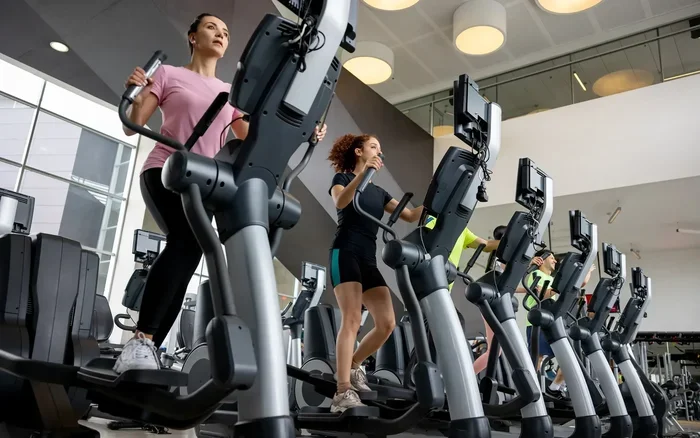
This guide covers everything you need to know about how to use the elliptical at the gym, from turning on the machine to designing an effective workout. You will learn proper form, key settings, common mistakes, and expert tips to maximize your cardio sessions and reach your fitness goals faster.
Walking into the gym can feel overwhelming, especially when you see rows of machines you have never used before. The elliptical machine is one of the most popular pieces of gym equipment for good reason. It offers a smooth, low impact cardio workout that is easy on your joints while still delivering serious results. Whether you are new to fitness or just looking to refine your routine, learning how to use the elliptical at the gym properly can make a huge difference in your progress.
In this guide, we will walk you through everything step by step. You will discover the right way to set up the machine, the best form to use, and how to design workouts that actually help you reach your fitness goals. By the end, you will feel confident stepping onto the elliptical and getting a great gym workout every time.
Key Takeaways
- Start with the right settings: Adjust resistance, stride length, and incline to match your fitness level and goals.
- Proper form prevents injury: Stand tall, grip the handlebars lightly, and keep your core engaged throughout your session.
- Warm up and cool down: Always begin with a few minutes of easy pacing and end with a gradual slowdown.
- Mix up your workouts: Use interval training and varying resistance levels to keep your body challenged and avoid plateaus.
- Avoid common mistakes: Don’t lean on the handlebars, skip the cool down, or use the same routine every day.
- Track your progress: Monitor heart rate, calories burned, and workout duration to stay motivated and see results.
📑 Table of Contents
Understanding the Elliptical Machine
The elliptical is a stationary cardio machine that mimics walking, running, or climbing without putting heavy stress on your knees and hips. This makes it a fantastic option for people who want a low impact alternative to the treadmill. Most gym ellipticals come with adjustable settings that let you customize your workout intensity, stride length, and resistance level.
Key Parts of the Elliptical
Before you hop on, it helps to know the basic components of the machine. Here is what you will find on most gym ellipticals:
- Foot pedals: These are where you place your feet. They move in an elliptical motion, which is where the machine gets its name.
- Handlebars: The moving or fixed bars you grip to help guide your upper body and maintain balance.
- Console or display screen: This shows your speed, distance, time, heart rate, and calories burned.
- Resistance knob or buttons: These controls let you increase or decrease the difficulty of your workout.
- Incline ramp: Some models allow you to adjust the ramp angle to target different muscle groups.
Knowing what each part does will help you feel more comfortable when you first start using the machine. It also makes it easier to adjust resistance level and stride settings as you get more experienced.
Step-by-Step Guide to Getting Started
Using the elliptical for the first time can feel a little awkward. That is completely normal. Follow these simple steps to get started on the right foot.
Step 1: Turn On the Machine
Most gym ellipticals have a power button on the console or a key card slot. If your gym uses a key card, insert it and the machine will wake up. If not, simply press the power button. You will see the welcome screen or your last saved workout. Some gyms, like Planet Fitness, have specific startup processes, so if you are ever unsure, how to turn on elliptical at planet fitness guides can walk you through the exact steps for your gym’s machines.
Step 2: Adjust the Settings
Before you start moving, take a moment to set the machine to your comfort level. Start with a low resistance setting. You can always increase it later. Set the stride length if the machine allows it. A shorter stride works well for shorter individuals, while a longer stride suits taller users. The goal is to feel comfortable and natural from the very first step.
Step 3: Step On and Find Your Rhythm
Place your feet firmly on the pedals. Hold the handlebars lightly. Start pedaling at a slow, easy pace. Let your body find its natural rhythm. Do not rush. Give yourself at least two to three minutes to warm up before increasing the intensity. This warm-up phase is essential for preparing your muscles and joints for a more intense cardio exercise.
Step 4: Cool Down Properly
When your workout is complete, do not just stop abruptly. Gradually reduce your speed over the last three to five minutes. This cool-down phase helps your heart rate return to normal and reduces the risk of dizziness or muscle soreness. A proper cool down is just as important as the workout itself.
Proper Form and Technique
Using the elliptical machine with correct form is one of the best ways to get more out of every session and avoid injury. Bad habits can develop quickly on machines, so paying attention to your body from the start pays off big time.
Posture Matters
Stand tall with your shoulders back and your core gently engaged. Avoid hunching forward or leaning on the handlebars. Your body should feel upright and balanced. Think of it like standing with good posture while walking. Keeping your head up and your chest open helps you breathe more easily and maintain endurance throughout your session.
Hand Placement
If your elliptical has moving handlebars, lightly grip them and let your arms swing naturally with the pedals. Do not death-grip the handles. If the machine has fixed handlebars, rest your hands lightly on top. Your arms should move in coordination with your legs, which engages your upper body and turns a simple leg workout into a full-body gym workout.
Foot Placement
Place the balls of your feet on the center of each pedal. Avoid hanging your heels off the back or pressing your toes too far forward. Your foot should feel secure and stable throughout the entire stride. If you feel any awkward pressure on your toes or heels, stop and adjust your foot position.
Breathing Techniques
Breathing often gets overlooked during cardio, but it matters. Breathe in through your nose and out through your mouth at a steady pace. Try to sync your breathing with your stride. For example, inhale for two pedal strokes and exhale for two. This rhythmic breathing pattern helps you stay relaxed and maintain a consistent heart rate during your cardio exercise.
Designing an Effective Elliptical Workout
One of the best things about the elliptical is that you can customize your workout to match your fitness goals. Whether you want to burn fat, build endurance, or simply stay active, there is a workout plan that fits your needs.
Beginner Workout
If you are just starting out, keep things simple and manageable:
- Warm up for 3 to 5 minutes at a light resistance.
- Increase resistance to a moderate level and maintain a steady pace for 10 to 15 minutes.
- Cool down for 3 to 5 minutes at a light pace.
This beginner routine helps your body adapt to the elliptical machine without overwhelming you. As your fitness improves, you can extend the workout duration and increase resistance gradually.
Interval Training for Maximum Calorie Burn
Interval training is one of the most effective ways to boost your calorie burn and improve cardiovascular health. Here is a simple interval workout you can try:
- Warm up: 3 minutes at a comfortable pace.
- High intensity: 1 minute at a challenging resistance and speed.
- Recovery: 2 minutes at a light, easy pace.
- Repeat: Continue this cycle for 15 to 20 minutes.
- Cool down: 3 to 5 minutes at a light pace.
Interval training keeps your body guessing and prevents boredom. It also creates an afterburn effect, meaning you continue burning calories even after you step off the machine. To learn more about how long you should use the elliptical to burn a specific number of calories, check out how long on the elliptical to burn 500 calories for detailed timing and intensity guidelines.
Steady-State Cardio for Endurance
Steady-state cardio means maintaining a consistent pace and resistance throughout your entire workout. This approach is excellent for building endurance and improving heart health. Aim for 20 to 40 minutes at a moderate intensity where you can still hold a conversation but feel challenged. This type of workout is perfect for beginners and experienced gym-goers alike.
Reverse Pedaling
Many ellipticals allow you to pedal in reverse, which targets different muscles in your legs and glutes. Try adding 5 to 10 minutes of reverse pedaling to your routine for a fresh challenge. This simple variation works your muscles from a different angle and can help break through fitness plateaus.
Common Mistakes to Avoid
Even experienced gym-goers make mistakes on the elliptical. Avoiding these common errors will help you get better results and stay injury-free.
Leaning on the Handlebars
One of the most common mistakes is leaning heavily on the handlebars for support. This reduces the effectiveness of your workout because you are taking weight off your legs and core. It also slouches your posture, which can lead to back pain over time. Keep your grip light and your body upright.
Skipping the Warm Up
Jumping straight into a high-intensity workout without warming up puts unnecessary stress on your muscles and joints. Always start with at least 3 to 5 minutes of easy pedaling. Your body needs time to adjust and increase blood flow to your working muscles.
Using the Same Routine Every Day
Your body adapts quickly to repetitive workouts. If you do the exact same elliptical routine every time, you will eventually stop seeing progress. Mix things up by changing resistance levels, trying interval training, or varying your workout duration. This keeps your body challenged and your workouts interesting.
Setting Resistance Too High Too Soon
It is tempting to crank the resistance up to match what you see other people doing at the gym. But starting too high can lead to poor form, muscle strain, and burnout. Increase resistance gradually over weeks as your strength and endurance improve.
Neglecting Upper Body Engagement
The elliptical is not just a leg machine. When you use the moving handlebars correctly, you engage your arms, shoulders, and core. Fully participating in the movement gives you a more balanced gym workout and burns more calories overall.
Tips for Maximizing Your Elliptical Sessions
Once you have the basics down, these tips will help you squeeze every last bit of benefit from your time on the elliptical machine.
Track Your Progress
Use the console to monitor your heart rate, calories burned, distance, and time. Tracking these numbers over weeks and months helps you see your improvement and stay motivated. Many gym apps and fitness watches sync with elliptical machines, making it easy to log your data.
Pair Your Elliptical Workouts with Strength Training
The elliptical is a great cardio tool, but pairing it with strength training creates a well-rounded fitness routine. Try doing 20 to 30 minutes on the elliptical after your weight session. This combination supports weight loss, muscle toning, and overall cardiovascular health.
Stay Hydrated
Even though the elliptical is low impact, you still sweat and lose fluids during a workout. Keep a water bottle nearby and take small sips between intervals. Staying hydrated improves performance, reduces fatigue, and helps your body recover faster.
Listen to Your Body
Some muscle soreness is normal, especially when you are new to a workout routine. But sharp pain or joint discomfort is a sign to slow down or stop. The beauty of the elliptical is that it is gentle on your joints, but you should still respect your body’s limits. If something feels wrong, take a break and reassess your form or resistance level.
Make It Fun
Listening to music, a podcast, or an audiobook can make your cardio exercise feel like it flies by. Create a playlist of your favorite upbeat songs or find a show you can only listen to while working out. When you enjoy the experience, you are far more likely to stick with it and make the elliptical a regular part of your workout routine.
For more ideas on how to create an effective elliptical routine, check out how to get a good workout on the elliptical for additional strategies and tips.
How to Use the Elliptical at the Gym for Weight Loss
If your primary goal is weight loss, the elliptical can be a powerful tool. It burns a significant number of calories, especially when you combine consistent effort with proper intensity levels. To maximize fat burning, aim for a mix of steady-state cardio and interval training throughout your weekly routine.
For a detailed guide on using the elliptical specifically for weight loss, including calorie targets and workout structures, you can explore how to use the elliptical machine to lose weight. That resource covers everything from beginner plans to advanced strategies that keep your metabolism elevated long after your workout ends.
Consistency is the real key to weight loss. Using the elliptical three to five times per week, combined with a balanced diet and adequate rest, will produce noticeable results over time. Do not expect overnight changes. Trust the process, track your progress, and celebrate small victories along the way.
Conclusion
Learning how to use the elliptical at the gym is simpler than most people think. Once you understand the machine, master proper form, and design a workout that fits your goals, the elliptical becomes one of the most enjoyable and effective pieces of gym equipment available. It delivers a full-body, low impact cardio exercise that supports weight loss, builds endurance, and improves overall heart health.
Remember to start slow, focus on your form, avoid the common mistakes, and keep challenging yourself with new routines and resistance levels. The elliptical is a versatile machine that grows with you as your fitness improves. Step onto it with confidence, stay consistent, and enjoy the journey toward a healthier, stronger you.
Frequently Asked Questions
Is the elliptical good for beginners?
Yes, the elliptical is one of the best machines for beginners. It is low impact, easy to use, and gentle on your joints. You can start with short, low-intensity sessions and gradually increase the duration and resistance as your fitness improves.
How long should I use the elliptical each session?
For beginners, 15 to 20 minutes is a great starting point. As you build endurance, you can work up to 30 to 45 minutes per session. The key is consistency, so aim for at least three sessions per week to see real progress.
Can I use the elliptical every day?
You can use the elliptical daily, especially if you keep the intensity moderate. However, it is wise to include rest days or alternate with other types of exercise to prevent overuse and allow your muscles to recover properly.
Does the elliptical help tone your body?
Yes, the elliptical engages both your lower and upper body, especially when you use the moving handlebars. It helps tone your legs, glutes, arms, and core while also burning calories for fat loss.
What is the difference between the elliptical and the treadmill?
The elliptical provides a low impact workout that is easier on your joints, while the treadmill mimics walking or running with more impact. Both are excellent cardio machines, but the elliptical is often a better choice for people with joint sensitivities or those recovering from injuries.
Should I hold onto the handlebars while using the elliptical?
You should grip the handlebars lightly for balance, but avoid leaning on them for support. Leaning reduces the effectiveness of your workout and can strain your back. Keep your posture upright and let your body do the work.